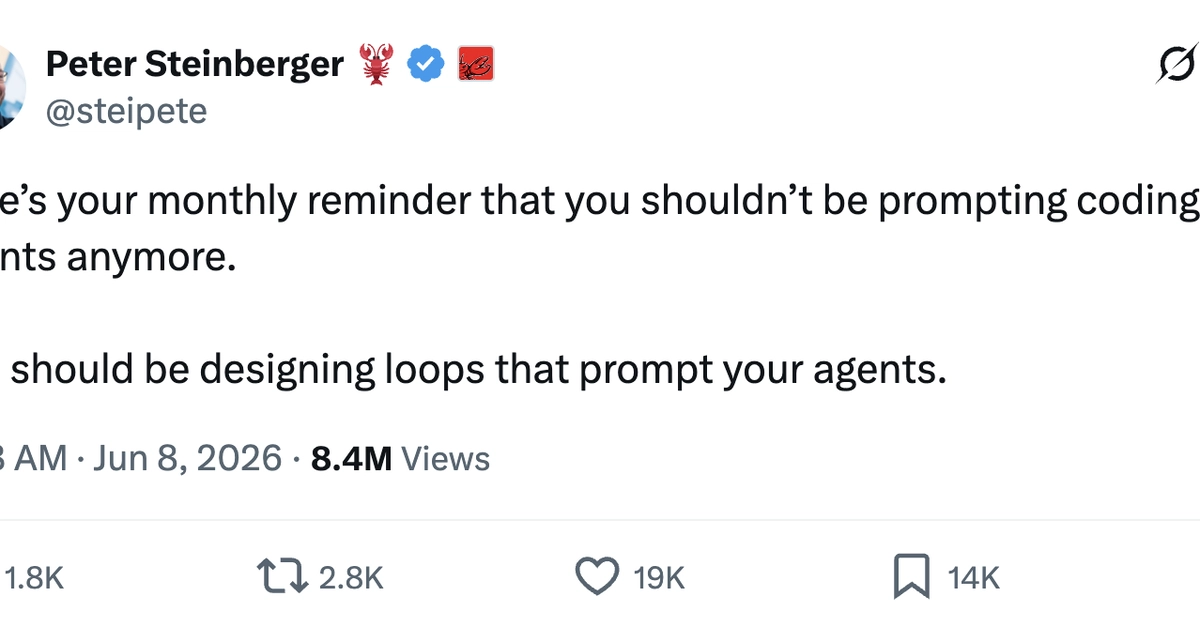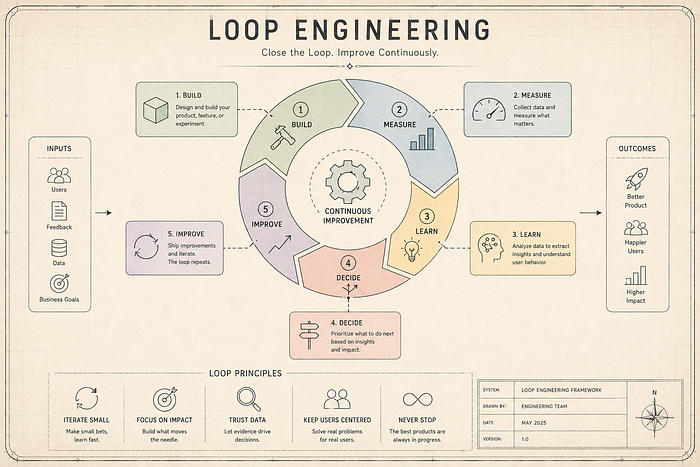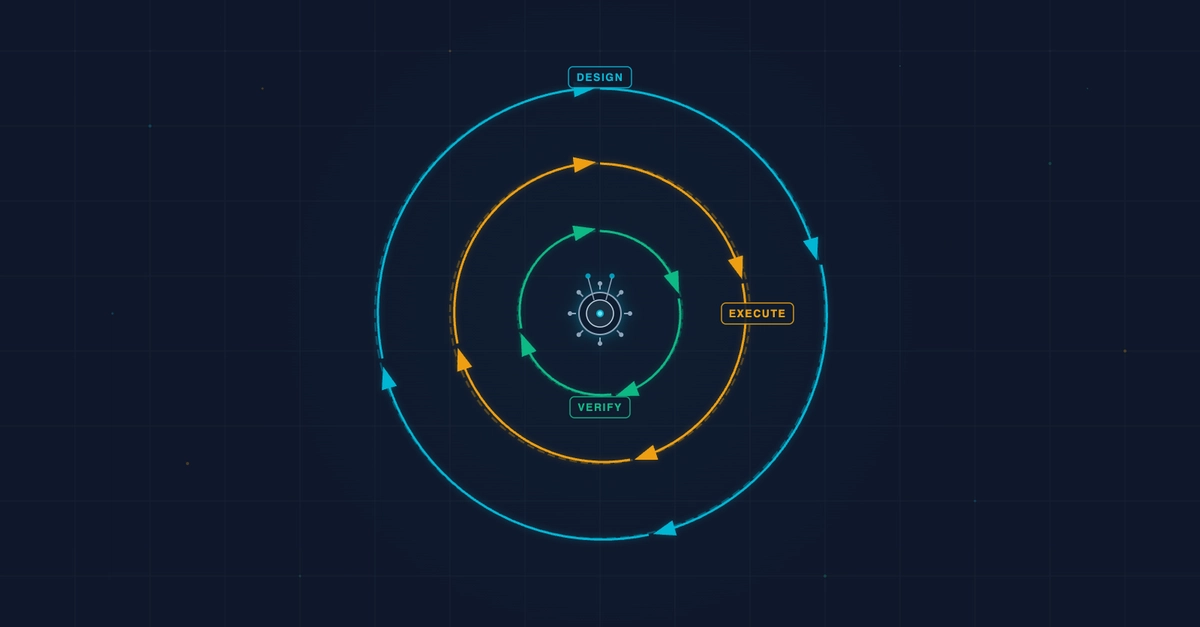
On June 7, 2026, Peter Steinberger — the creator of OpenClaw — posted twelve words that ricocheted across every AI engineering corner of the internet: "You shouldn't be prompting coding agents anymore. You should be designing loops that prompt your agents."
The same week, Boris Cherny — creator and head of Claude Code at Anthropic — said the same thing on stage: "I don't prompt Claude anymore. I have loops running. They're the ones prompting Claude and figuring out what to do. My job is to write loops."
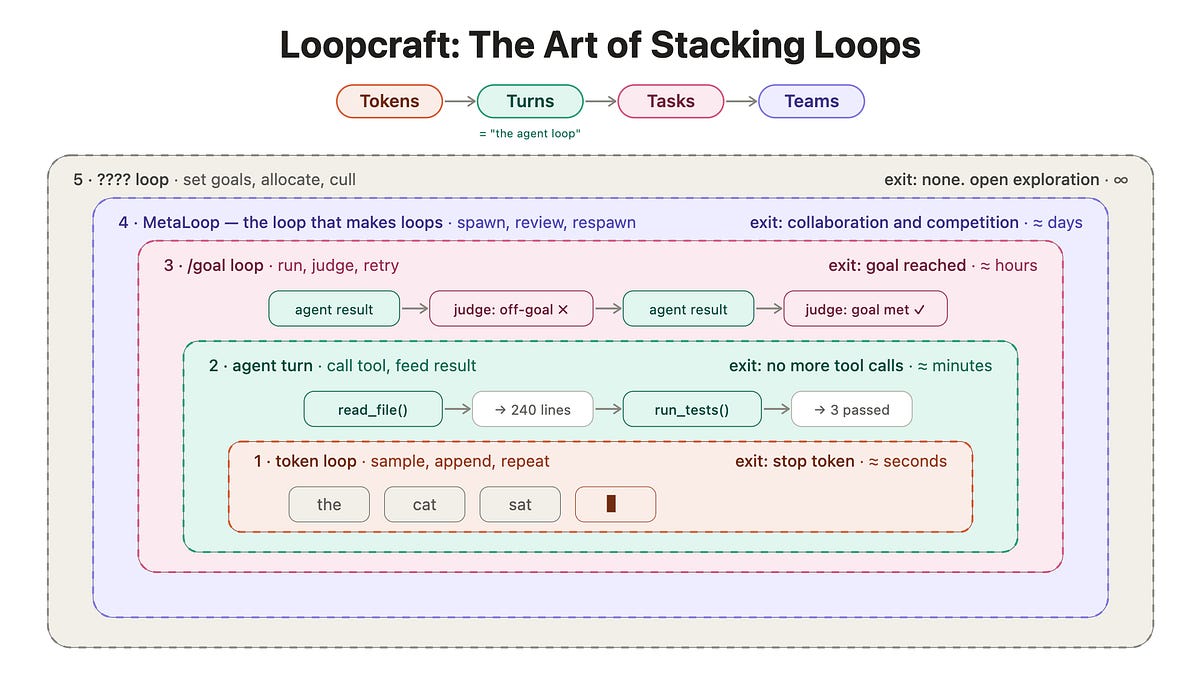
Two builders. Same conclusion. Arrived at independently. And when Latent Space published "Loopcraft: The Art of Stacking Loops" the same week — weaving together Steinberger, Cherny, and Andrej Karpathy — it crystallized something that practitioners had been circling for months: the highest-leverage skill in AI engineering is no longer writing a good prompt. It's designing the system that writes the prompts for you.
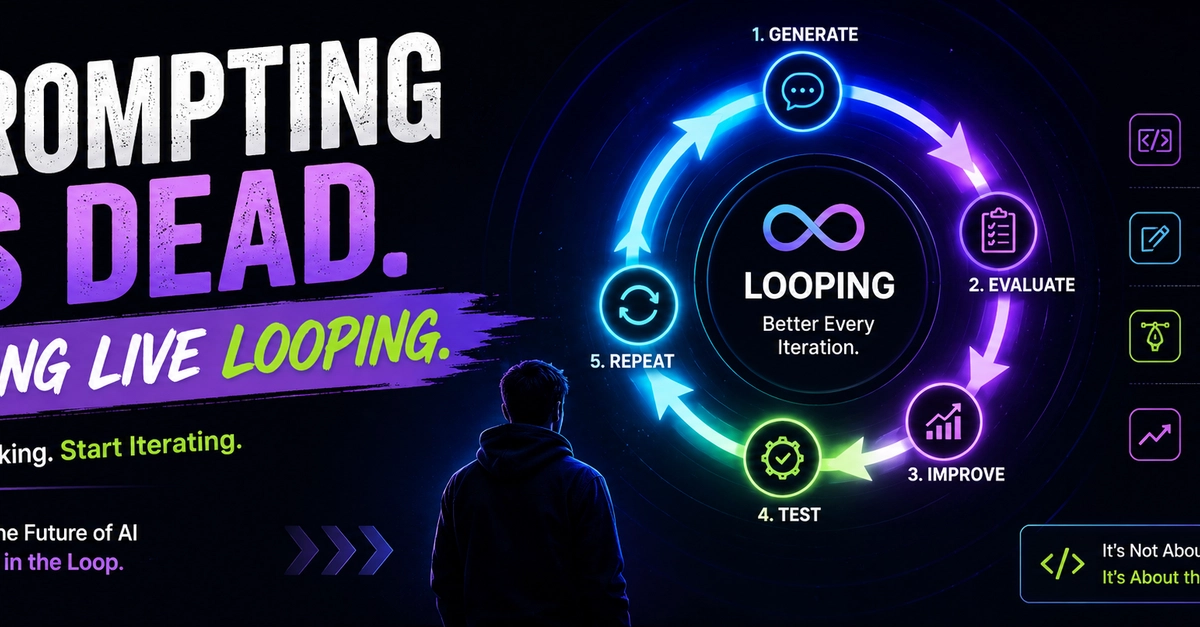
They're calling it loopcraft. And it's eating the harness layer.
What a Loop Actually Is