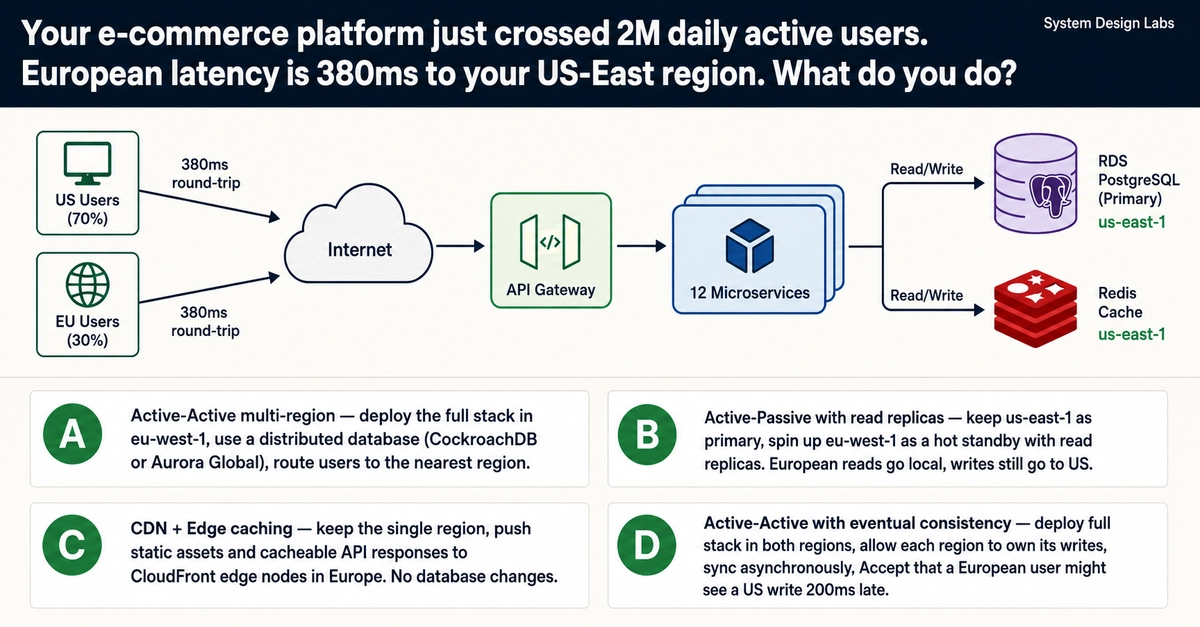
Expanding a SaaS product into global markets requires more than translation — it demands infrastructure changes (edge deployment for low latency), compliance adaptation (GDPR, PIPL, CCPA), payment localization (Alipay, SEPA, Stripe), and cultural UX adjustments. This guide breaks down the technical and business preparation needed for the three largest SaaS markets: the US, Europe, and China. Each section includes actionable code examples, configuration snippets, and deployment patterns you can implement immediately. See the architecture in action at tanstackship.com, a production SaaS shipping globally on Cloudflare Workers.
Why Globalization Must Be Built, Not Bolted On
The biggest mistake SaaS founders make with globalization is treating it as a phase-two feature. Retrofitting i18n, multi-currency pricing, and regional compliance onto a monolithic codebase typically costs 3-5x more than building it in from the start — and often requires a full rewrite of the database schema, routing layer, and deployment pipeline.
The three largest SaaS markets have fundamentally different requirements:
Requirement