India's startup ecosystem has entered a new phase of maturity.For much of the past decade, the focus was on building products and services for India's rapidly growing domestic market. Today, a growing number of founders are pursuing a different strategy: building globally competitive businesses from the outset.India's startup ecosystem has entered a new phase of maturity.From software-as-a-service (SaaS) platforms and AI startups to consulting firms, fintech providers, and digital agencies, Indian entrepreneurs are increasingly serving international customers from the earliest stages of growth.This shift reflects broader changes in technology, access to capital, and the globalisation of business.India's Startup Ecosystem Continues to ExpandIndia is now firmly established as one of the world's leading startup economies.According to data from the Department for Promotion of Industry and Internal Trade (DPIIT), more than 197,000 startups had been officially recognised under the Startup India initiative by October 2025. The ecosystem continues to expand rapidly, with FY26 recording the highest annual increase in recognised startups since the programme launched.The government has also introduced measures designed to support scaling businesses, including doubling the turnover threshold for startup recognition from ₹100 crore to ₹200 crore and creating a dedicated deep-tech startup category.These developments reflect the growing sophistication of India's entrepreneurial landscape.Technology Has Eliminated Traditional BarriersHistorically, international expansion required significant capital, overseas offices, and local teams.Today, cloud computing, AI, digital payments, remote collaboration platforms, and global marketplaces allow businesses to operate internationally with far lower overheads.A software company in Bengaluru can serve clients in London, New York, Sydney, and Singapore without maintaining physical operations in each location.This has fundamentally changed how founders think about growth.Rather than asking whether to expand internationally, many startups are now deciding how early they should do so.Why International Credibility MattersAs startups scale globally, credibility becomes increasingly important.Enterprise customers, international partners, investors, and financial institutions often assess not only the product or service but also the business structure, governance, and operational maturity of a company.A well-organised corporate structure can help support international growth, improve commercial credibility, and facilitate relationships with global customers and suppliers.According to Robert Engeham, Managing Director of Your Company Formations:"Many founders are now building businesses for international markets from day one. Technology has made global expansion more accessible, but long-term success still depends on strong business foundations, governance, and strategic planning."The UK Remains a Significant Global Business HubDespite economic and political changes over recent years, the United Kingdom remains one of the world's most established business environments.Official UK government statistics show there were approximately 5.7 million private sector businesses operating in the country at the start of 2025. SMEs accounted for 99.85% of all businesses, employed around 60% of the private sector workforce, and generated approximately 51% of private sector turnover.For internationally focused founders, these figures demonstrate the scale and resilience of the UK's entrepreneurial economy.The Next Phase of Indian EntrepreneurshipThe next generation of Indian business success stories is likely to look different from those that came before.Rather than scaling domestically first and expanding later, many founders are designing products, teams, and business models capable of serving global markets from the beginning.Artificial intelligence, software, digital services, and knowledge-based industries are particularly well positioned to benefit from this trend.Research examining India's AI-driven startup ecosystem suggests that technology adoption is reshaping how companies grow, attract investment, and compete internationally.Looking AheadIndia's entrepreneurial ecosystem has already demonstrated its ability to create world-class companies.The next challenge is not simply creating more startups, but building globally competitive businesses capable of serving customers across multiple markets.With strong talent, improving infrastructure, supportive policy initiatives, and access to international opportunities, Indian entrepreneurs are increasingly positioned to become major contributors to the next wave of global business innovation.About the AuthorRobert Engeham is Managing Director of Your Company Formations, a specialist provider of company formation, business compliance, and corporate support services for entrepreneurs and growing businesses.Website: https://www.yourcompanyformations.co.uk/Note to readers: This article is part of HT's paid consumer connect initiative and is independently created by the brand. HT assumes no editorial responsibility for the content, including its accuracy, completeness, or any errors or omissions. Readers are advised to verify all information independently.
Why India's Most Ambitious Entrepreneurs Are Building for Global Markets From Day One
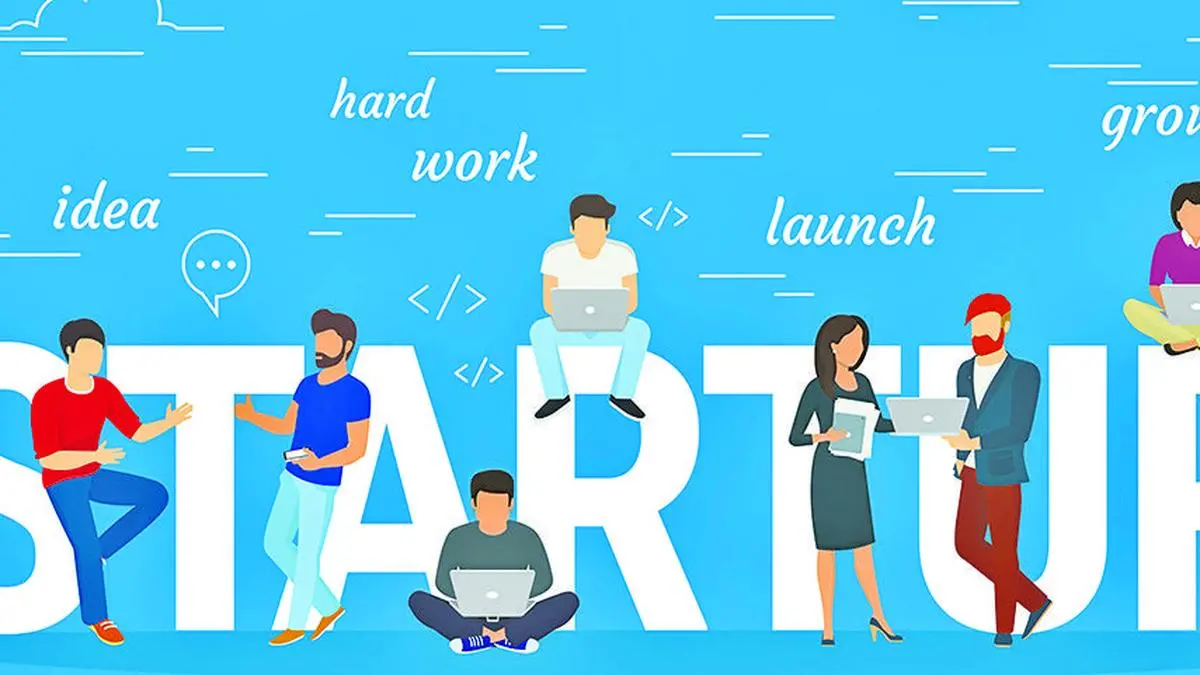
India's startup landscape is evolving, with founders focusing on globally competitive businesses from the outset
TL;DRAI
Indian startups are building SaaS and AI platforms for global markets from day one using cloud and remote collaboration tools. This means Indian developers now compete directly for enterprise contracts globally, reshaping sourcing strategy and talent acquisition beyond traditional offshore models.
678 words~3 min read