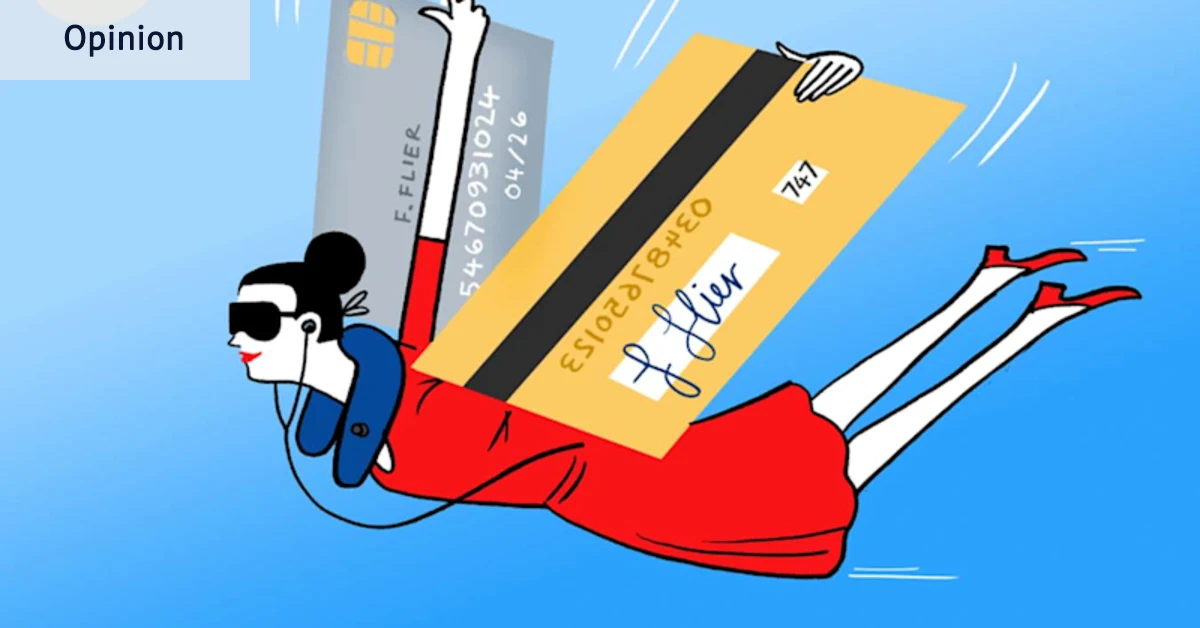
A consumer watchdog has warned that a convenient feature designed to ease credit card renewals could inadvertently empower fraudsters, allowing them to continue spending even after a card has been cancelled due to fraud.When a bank cancels a compromised card and issues a replacement, the expectation is that any fraudulent activity will cease. However, Which? highlights a process intended to streamline the transition to new card details, which may create a "loophole". This system can automatically update saved card information for subscriptions or within digital wallets.The consumer group expressed apprehension that if a scammer has previously stored a victim's card details with a major online retailer or in a digital wallet, these new replacement details could also be automatically updated. This unintended consequence could then enable the fraud to resume, undermining the security measure of issuing a new card.There can be various reasons why people may see fraud continuing on a replacement card though, including fraud victims being targeted more than once by criminals.Which? said it has heard from some consumers who said fraud had followed them on to a replacement card.Get a free fractional share worth up to £100.Capital at risk.Terms and conditions apply.Go to websiteADVERTISEMENTGet a free fractional share worth up to £100.Capital at risk.Terms and conditions apply.Go to websiteADVERTISEMENTThe consumer group said its own mystery shop research indicated that some banks do not allow customers to opt out of the automatic billing updater process.Which? also found that, for some banks, when a card is cancelled due to fraud, they will fully opt its replacement out of the automatic billing updater.Some banks block payments and/or automatic billing updates to the particular merchants involved in the fraud attempt, sometimes known as “merchant block” – but Which? also raised concerns that this may prevent the legitimate account holder from spending with the blocked merchant.Which? said it is concerned about the potential for unintended consequences (Alamy/PA)Which? said that with banks applying different approaches, consumers should be vigilant.Jenny Ross, Which? Money editor, said: “When you’re issued with a new card, having the new number automatically updated in places you’ve saved it can be incredibly handy, allowing subscriptions to renew seamlessly and enabling you to spend online without manually updating.“However, Which? has found that if you’re a victim of fraud, if this update isn’t turned off it could have unintended consequences, allowing criminals to keep on spending.“Even more alarmingly, customers are most often powerless to opt out of this update, leaving them at the mercy of their individual bank’s fraud policy.“Which? is calling on banks to allow customers the option to turn off automatic billing updaters (ABUs), and to develop a consistent approach to ABU in cases of fraud.”Which? suggested that, to help reduce the risk of card fraud, people reporting fraud to their bank should ask whether it has broken the link between their card and any fraudster-controlled accounts.It said people should also closely monitor their account after being a victim of card fraud.Unrecognised or suspect payments should be reported to the bank immediately.A spokesperson for banking and finance industry body UK Finance said: “Account updater services help keep payments running smoothly and prevent regular payments from being blocked when a card is replaced.“Banks manage this service in different ways but fraud linked to these updates is rare.“Anyone who spots an unusual payment should contact their bank immediately and they will be able to help.”An HSBC UK spokesperson said: “Billing updater services provide customers with smoother journeys and better outcomes.“While customers are unable to opt out, our procedures prevent the type of repeat fraud described.“When a customer’s card details are used by fraudsters, we inform Visa or Mastercard it’s been cancelled and block merchants from receiving replacement card details.”Unrecognised or suspect payments should be reported to the bank immediately (Getty/iStock)A Lloyds Banking Group spokesperson told Which?: “If a customer requests for a payment to be blocked or there is suspected suspicious activity on the account, we apply continuous payment authority blocks which are carried over to newly issued cards.”A Nationwide Building Society spokesperson told the consumer group: “If a customer spots a fraudulent recurring payment, we will refund and take action quickly to keep their account safe.“If necessary, we can block specific recurring transactions or change account details and issue new cards to them.”A Starling spokesperson told Which?: “The ABU process does not apply to cards that are cancelled by the customer or because of fraud. This is an additional layer of protection for our customers.”A Visa spokesperson told Which? that Visa account updater helps keep payments running smoothly.The spokesperson said VAU is offered and managed by each Visa card‑issuing bank and banks are responsible for handling the service for each cardholder, “which includes stopping VAU or stopping it for a specific merchant in an instance where fraud has been detected”.A Mastercard spokesperson said: “Our automated billing updater service is designed with consumers in mind, helping reduce the inconvenience of missed or delayed payments by keeping card details up to date with retailers and service providers.“If a card is lost or stolen, these updates are stopped if the cardholder’s bank marks the card as closed in ABU.“At Mastercard, we are committed to protecting consumers at every step of the payment journey, combining technology, standards and safeguards to keep transactions secure.”
The credit card ‘loophole’ that fraudsters are exploiting
Which? said it has heard from some consumers who said fraud had followed them on to a replacement card
878 words~4 min read