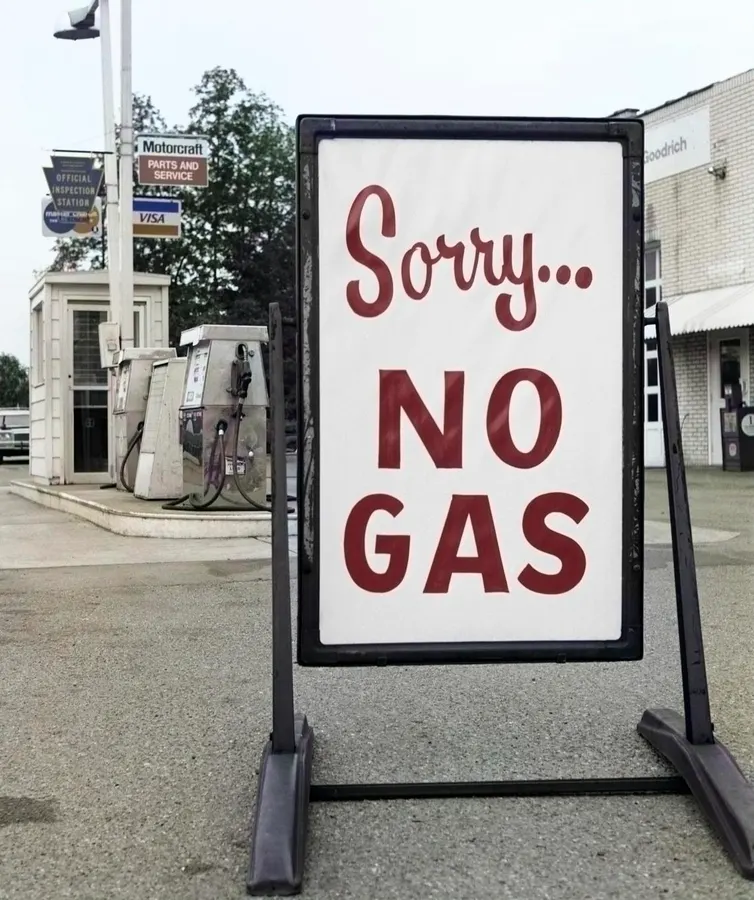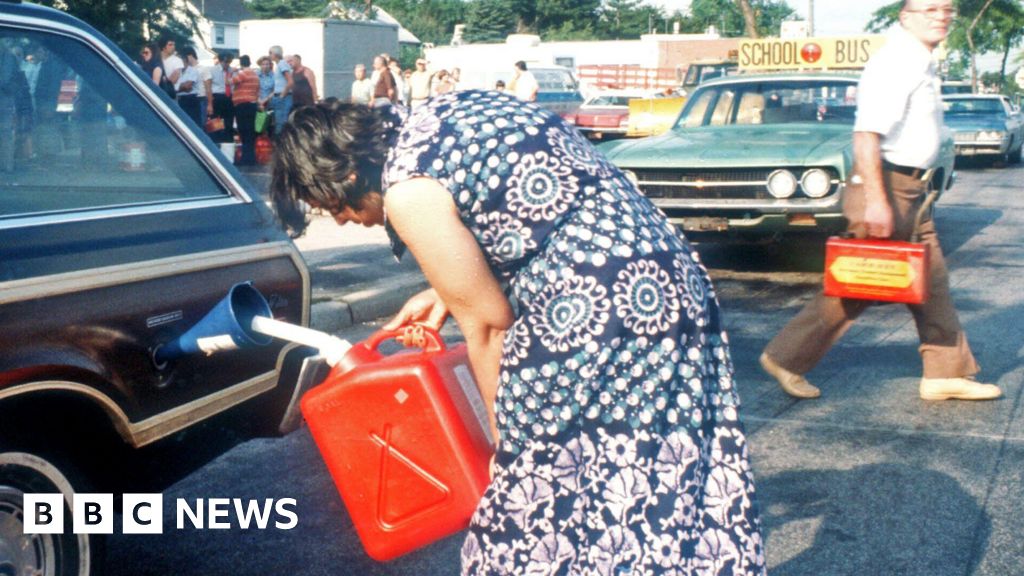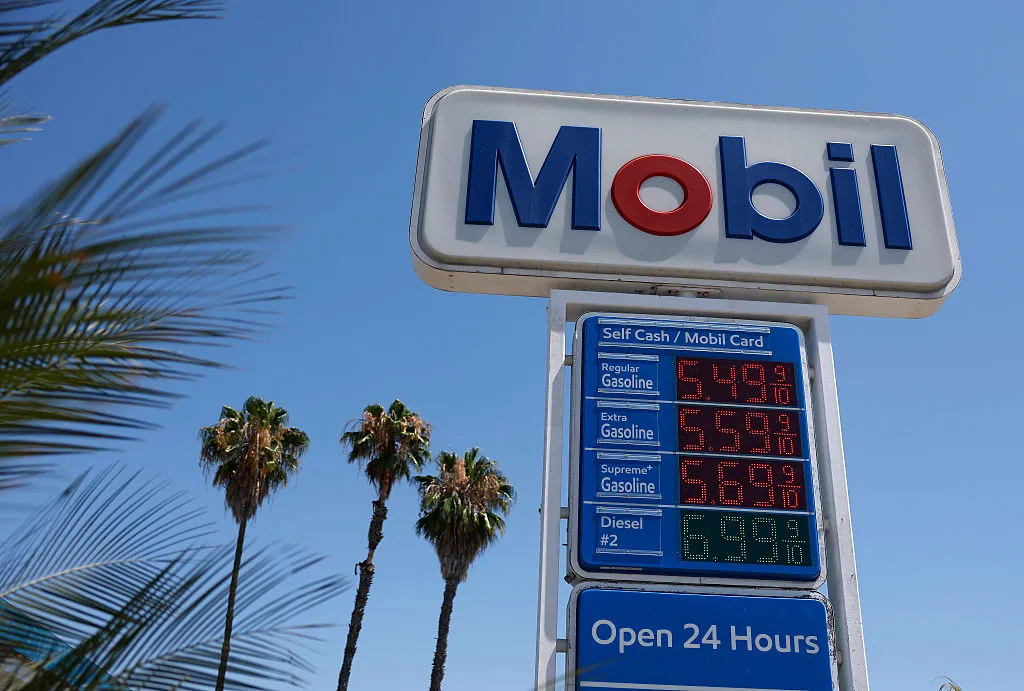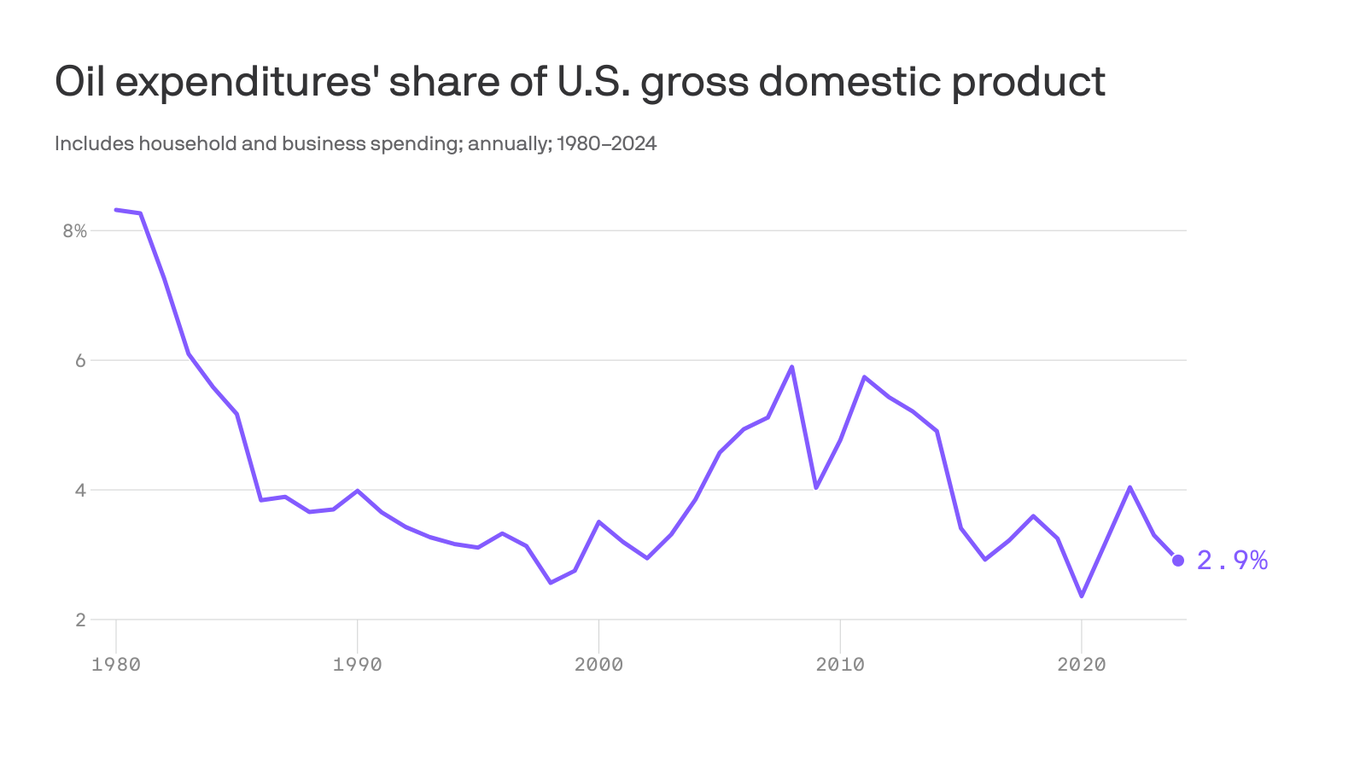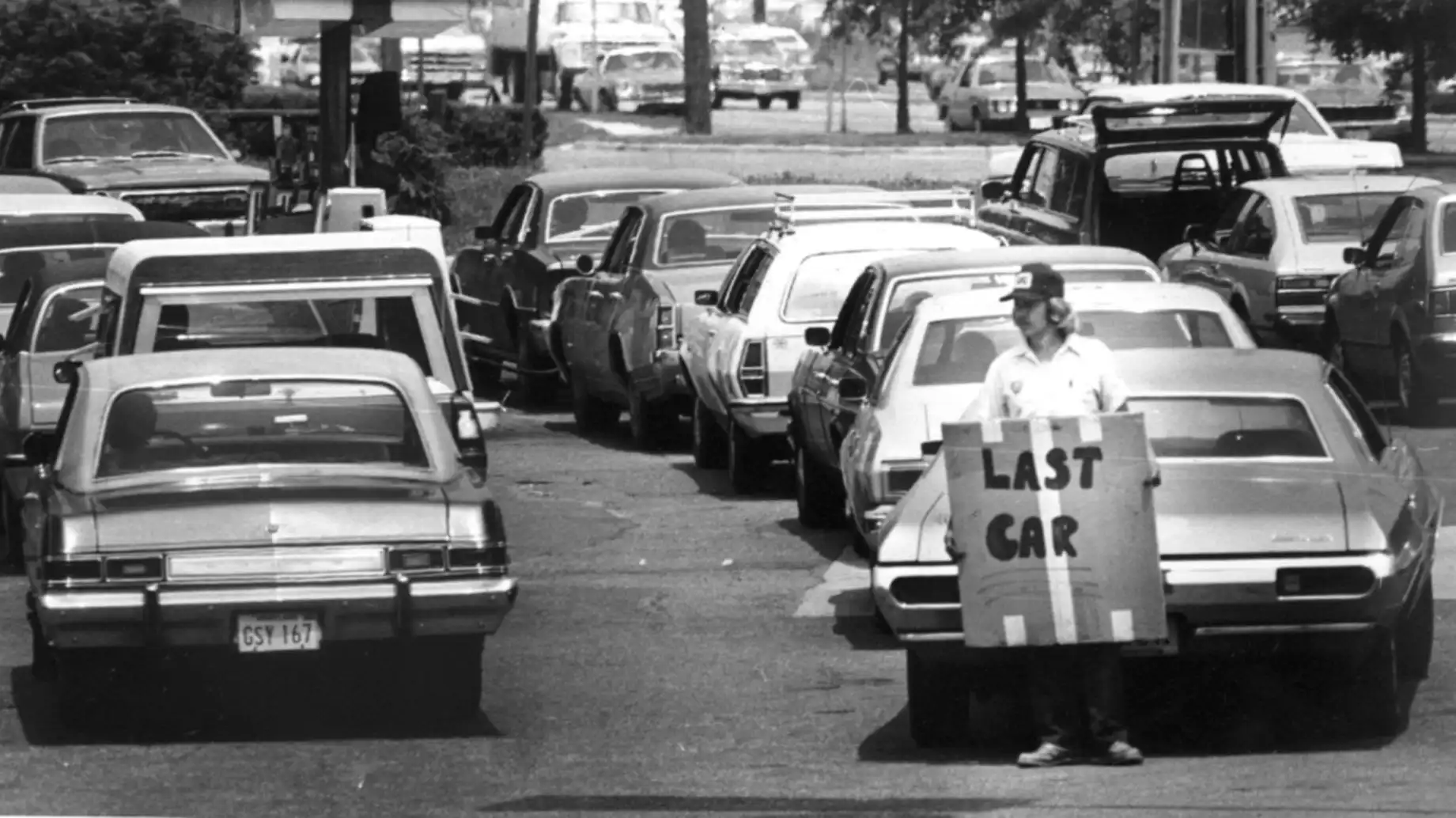
Due to the war in Iran and the closure of the Strait of Hormuz, the U.S. Strategic Petroleum Reserve is at its lowest level in 40 years. That reserve — oil the U.S. government stores — was created after the 1973 Arab oil embargo. That oil shock also led to the formation of the International Energy Agency and fuel economy standards, imposed by President Gerald Ford. 1973 was a turning point when it came to the United States and oil, and today could be too, said Princeton historian Meg Jacobs. “Marketplace” host Kai Ryssdal spoke with Jacobs, who wrote “Panic at the Pump,” a book on the energy crisis of the 1970s, about how the 1973 oil shock compares to today. “2026 doesn’t necessarily have the same ring yet, but it might,” Jacobs said. After the oil shocks of the 1970s, the main goal was domestic energy independence.“And even as we are independent really, in terms of our oil, we are still vulnerable,” Jacobs said of today. “So in terms of lessons learned or really not learned, the question is, why are we still so dependent on oil? And until that changes, I think we’re going to see this ongoing vulnerability.” Click the “listen now” button above to hear their full conversation.
What can the oil crisis of 1973 teach us about today?
The Arab oil embargo of 1973 was a global economic turning point, said Princeton historian Meg Jacobs. 2026 could be too.
212 words~1 min read