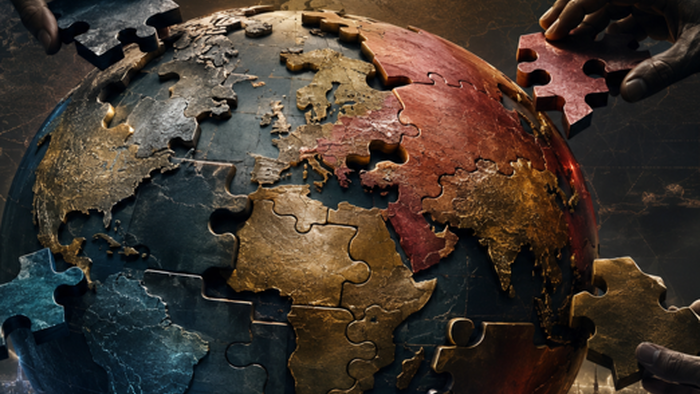
We are living in a new world of hedgers. The shocks of the last several years—COVID-19, Russia’s war in Ukraine, U.S. President Donald Trump’s tariffs, and the Iran conflict—have upended how nations approach international affairs. The smooth flows of a globalized and rules-based world have clotted into uncertainty, forcing states to find new pathways for trade, diplomacy, resource extraction, and defense cooperation. Countries no longer consider historical partnerships, values-driven alliances, and regional blocs to be sufficient to protect and advance national interests.
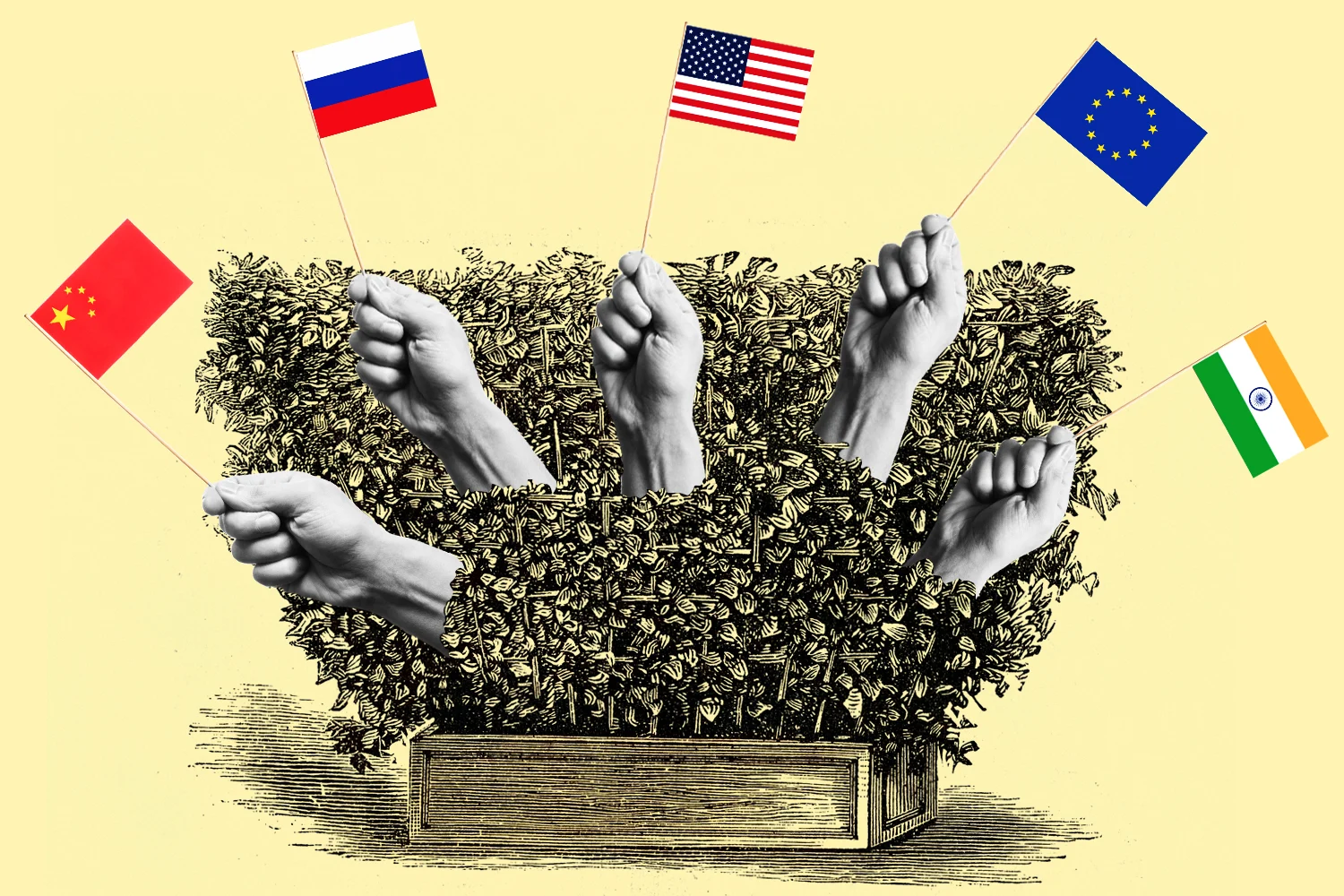
Hedging is the practice of avoiding exclusive dependence in a world of unreliable partners. It involves cultivating competing relationships across different domains so that no crisis or betrayal will leave a state out of options. In decades past, states tended to hedge their bets in specific circumstances. India, for example, emerged from colonization as a nonaligned nation but hedged amid China’s rapid growth to build ties with the United States—even as it maintained warm relations with Russia. Now, this is not just a tactic limited to emerging powers or a response to particular geopolitical shake-ups. Hedging has become central to international relations, shaping how powers great and small approach trade, technology, finance, energy, and security.