Vietnam has emerged as a leading strategic hedger in a global order undergoing major power transition. In other words, it has engaged in “repeated, diverse, sustained, and complementary actions to engage with all major powers without reaching a formal alliance with any and without restrictions on possible actions with others.”
On April 2, 2025, Vietnam’s strategy faced a massive test: on so-called “Liberation Day,” U.S. President Donald Trump targeted Vietnam with a punishing 46 percent tariff, accusing the country of conniving with China on transshipment and treating the United States unfairly. Totaling $123.5 billion, the U.S. trade deficit with Vietnam was the third largest after its deficits with China and Mexico. It attracted attention.
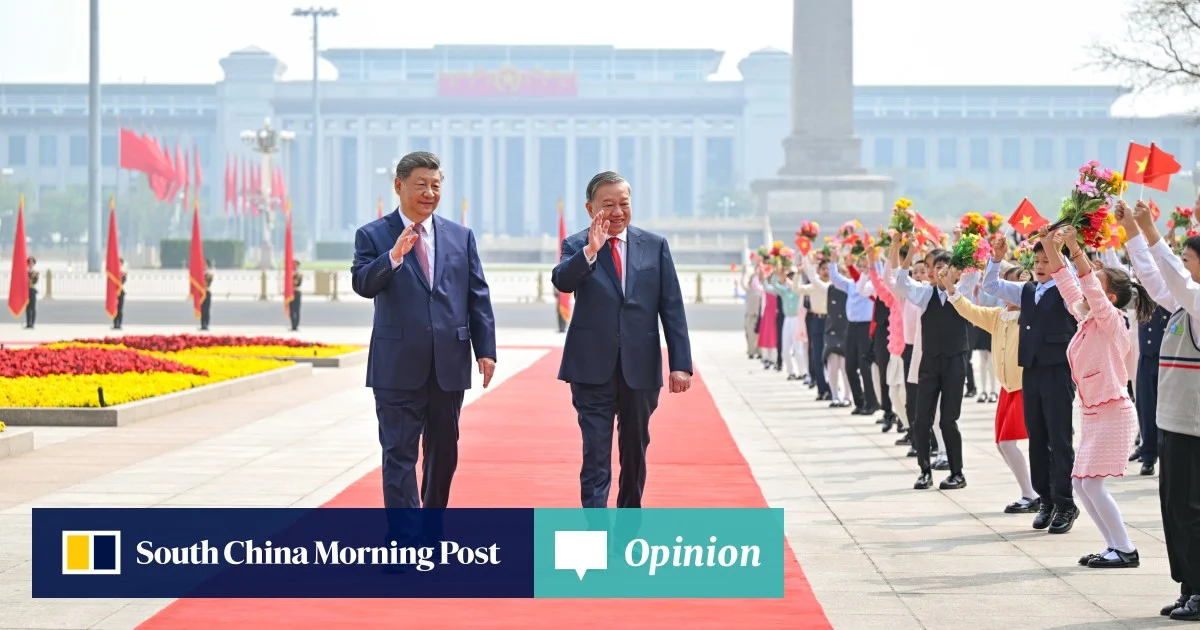
On April 14-15, Chinese President Xi Jinping was in Hanoi, pressuring Vietnam not to give in too much to the United States. With pressure from both sides, the future of Vietnam as a connector country in global supply chains was under great stress.
Fast forward 16 months, and Vietnam has not just survived in the disorder; it has thrived.
Overall exports increased by 17 percent in 2025 overall (and exports to the U.S. increased 28 percent, to $153 billion). In the first seven months of 2026, the U.S. imported $104.7 billion worth of goods from Vietnam, a 23 percent year-on-year increase. Vietnam’s GDP growth rate reached 8 percent in 2025 and 8.18 percent in the first half of 2026, despite trade tensions and the Iran war, and in contrast to the prediction of 5.6 percent for 2025 made by the IMF Outlook in September 2025.