Story audio is generated using AI
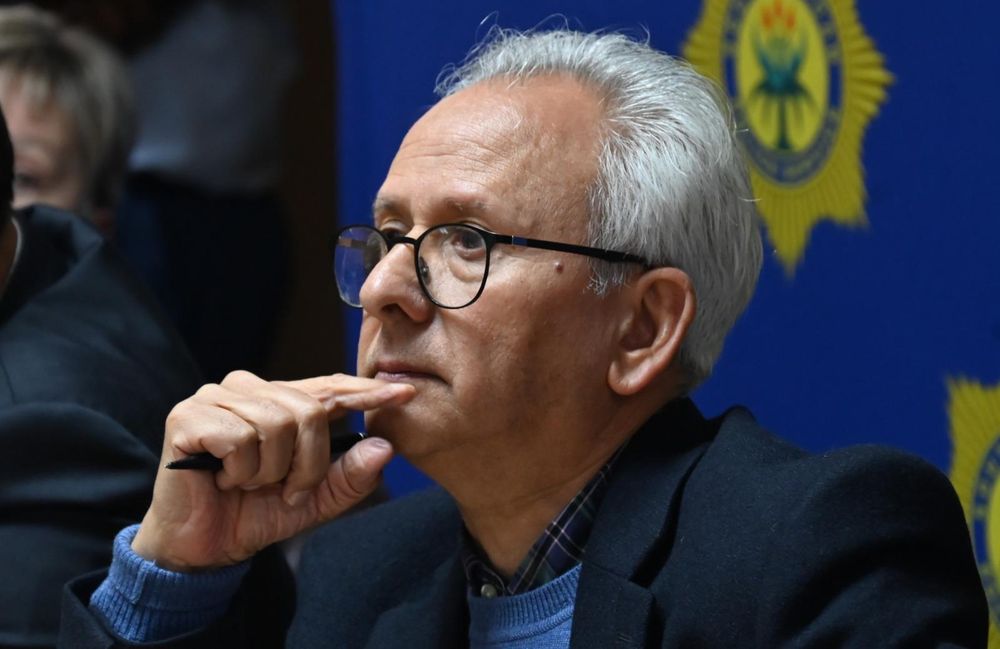
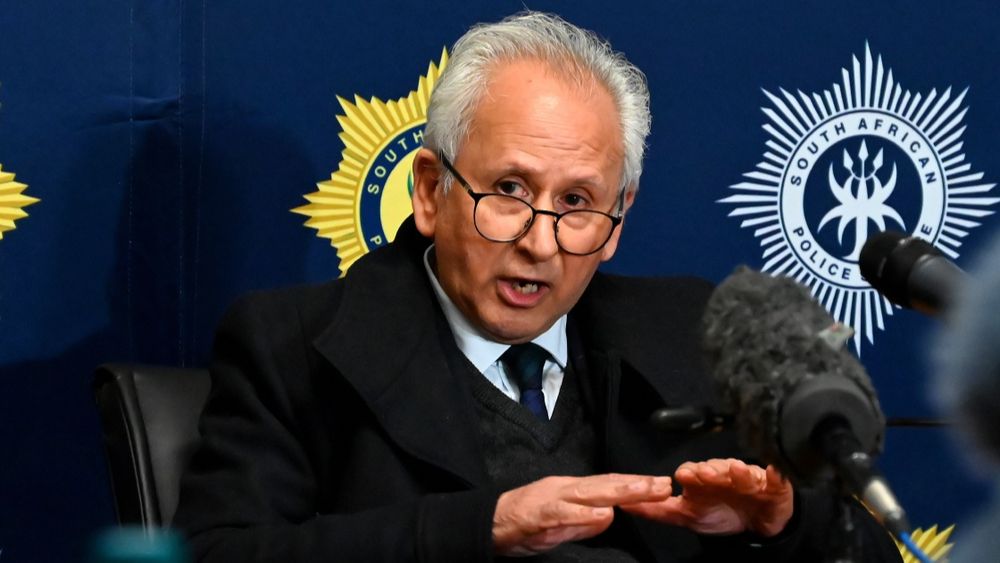
Acting police minister Firoz Cachalia says law enforcement authorities do not yet have all the answers when it comes to tackling the growing scourge of extortion, largely because victims are often too fearful to report the crime.Cachalia was speaking at a media briefing at Cape Town Central Police Station on Tuesday after engagements with the management of Nyanga SAPS and other stakeholders.His comments came days after it emerged that murdered DA councillor candidate and community activist Sinovuyo Dyokwe had reported receiving extortion threats in February. Dyokwe was shot dead in Dunoon on Saturday.According to Cachalia, extortion-related crimes have increased exponentially in the Western Cape in the past three years, with the Eastern Cape also emerging as a hotspot.“I don’t think we have all the answers yet to deal with extortion because, if you think about it, it takes place in what is almost a transactional situation. The people who are being extorted are often afraid to report that they have been victims of crime because they fear for their lives,” he said.Cachalia said one of the challenges facing police was encouraging victims to come forward and provide information that could help investigations.“I know that in the Eastern Cape, the police established a hotline to allow people to report incidents confidentially. We need to assess whether interventions such as those are having the desired impact.”He warned that organised crime was evolving and becoming more sophisticated, with criminal syndicates increasingly exploiting technology and adapting their methods.“What we are seeing is that while some forms of violent crime that South Africans have become accustomed to over the past three decades may be declining, new manifestations of crime are emerging. This is why we need a comprehensive organised-crime strategy.”Cachalia said technological advances had enabled new forms of criminal activity, including cybercrime and fraud, adding that law enforcement agencies needed to adapt to rapidly changing crime trends.He described extortion as a particularly damaging crime because it targeted entrepreneurs and small business owners trying to build livelihoods in their communities.“Extortion destroys initiative. It affects people who are trying to establish businesses and create opportunities for themselves and others,” he said.The acting minister expressed concern about the rise in political killings, saying attacks on councillors and community leaders strike at the heart of democracy.“Just think about it for a minute. We live in a democracy. Someone decides they want to become a councillor and represent their community, and they are killed. These are young people with ambition, aspirations and futures. Sometimes it is difficult to comprehend how terrible that is.”He noted that political killings had become more prevalent in recent years, particularly around election time, and warned that police would need to pay special attention as elections drew nearer. Cachalia said more work was needed to understand the links between organised crime, procurement-related disputes, extortion and attacks on public representatives.“If a councillor is killed, is it a political killing? If an auditor in a government department is killed, what is the motive? Are these killings deliberate and planned? Are people being targeted because they are taking a stand on procurement issues or criminal activity? These are questions that require deeper investigation,” Cachalia said.He said there was no simple solution to the problem but stressed that the police would continue to strengthen their response to organised crime, extortion and politically motivated violence.TimesLIVE