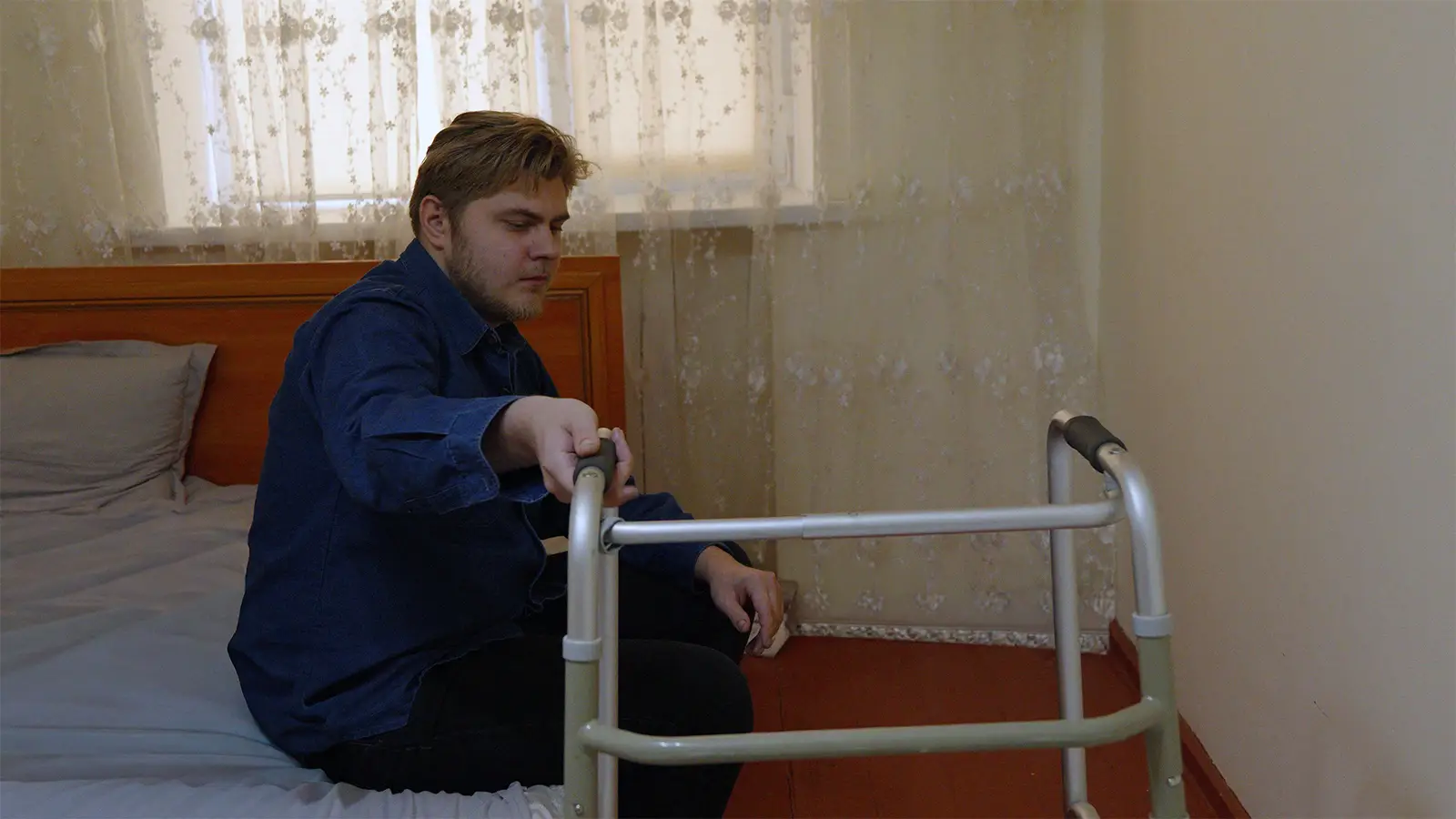
Imagine three patient scenarios.
In one, a physician receives a MyChart message from a cancer patient who can no longer access her medications or even make a follow up appointment because her "medical frailty exemption" was denied and she subsequently lost her Medicaid health insurance.
In another, a hospitalist who is counselling a stroke patient on discharge reminds his patient to not only pick up their new medications, make follow up appointments with multiple specialists, and work on rehabilitation exercises, but also to submit a request to the state Medicaid agency to receive an exception for work-reporting requirements to make sure all their hospital bills are covered.
In the last, a primary care physician wraps up an extensive visit with a patient with sickle cell disease, only to be handed a long form to fill out in the final minute to certify that she is unable to work.
These examples, and others like them, may soon become commonplace as new Medicaid regulations take effect nationwide. Beginning in January 2027, approximately 20 million adults enrolled in Medicaid will become newly subject to "community engagement" requirements, more commonly known as work requirements. Enacted as part of HR1, the policy requires certain Medicaid beneficiaries to document at least 80 hours per month of work, volunteering, or other qualifying activities. Congressional budget estimates project substantial federal savings from the policy, largely because millions of people are expected to lose Medicaid coverage.