States unhappy about a new "medical frailty" provision in the Medicaid work requirement rule are continuing their fight over the rule in court.
The work requirement -- or "community engagement" requirement, as it is officially known -- is part of H.R. 1, the reconciliation bill passed by Congress in July. Under the requirement, Medicaid recipients must demonstrate at least 80 hours of engagement per month in employment; participation in a work program, such as job training; enrollment in an educational program (at least half time); community service activities; or a combination of these activities. The requirements take effect Jan. 1, 2027, and apply only to the 41 states (and the District of Columbia) that expanded the Medicaid program under the Affordable Care Act, and only to the enrollees that were added as part of the expansion.
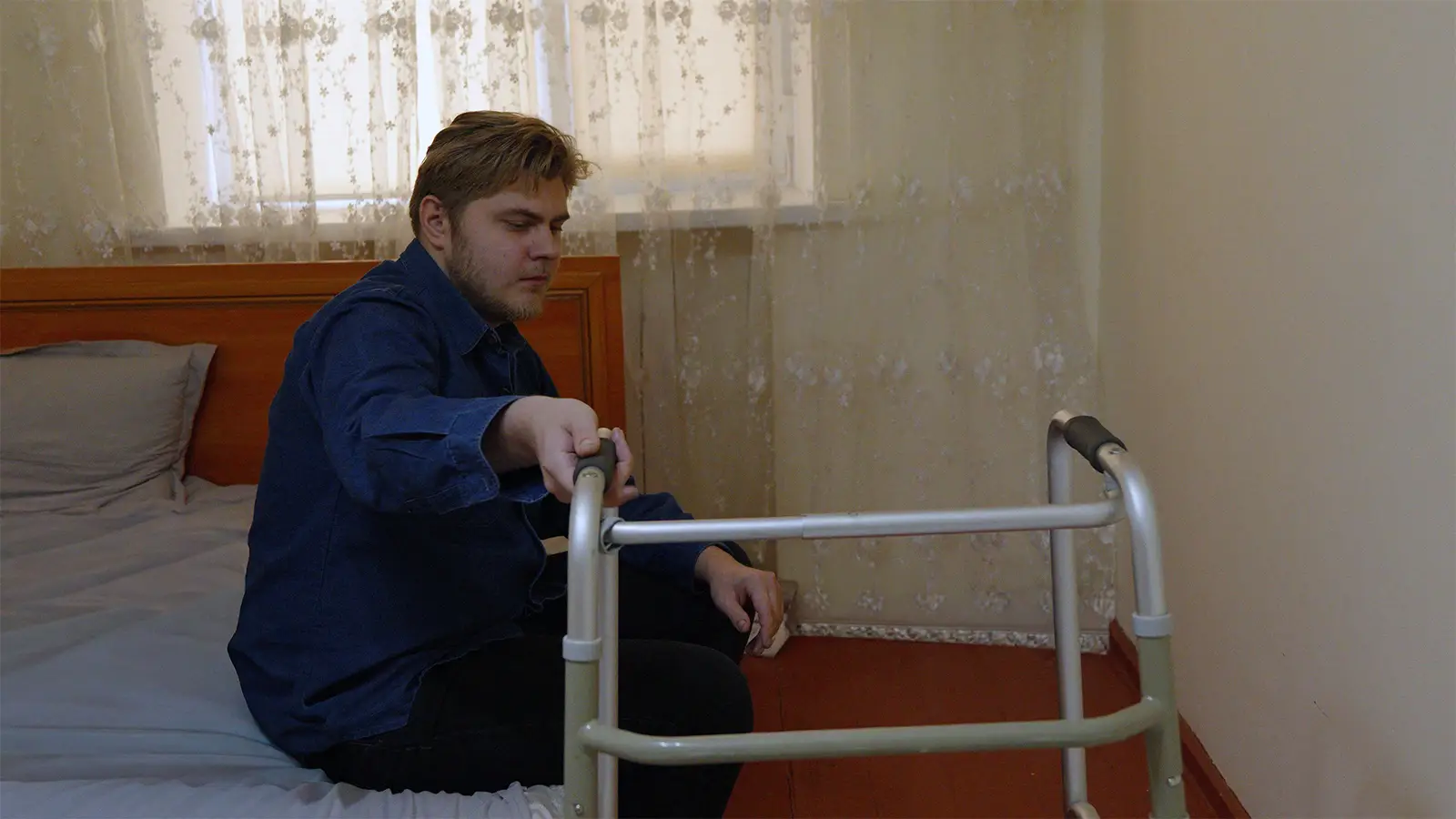
On June 29, 25 states and the District of Columbia sued the Trump administration in federal court, alleging that the interim final rule "lacks workable verification methods or guidance for determining medical frailty and impairment of ability." Although states can develop lists of conditions that usually meet the definition of "medical frailty" -- which normally would exempt those enrollees from the work requirement -- the interim final rule goes a step further by requiring even patients with those conditions to prove that they are unable to meet the requirement.