By Maria Town and Nicole JorwicJune 23, 2026
Town is the president and CEO of the American Association of People with Disabilities. Jorwic is the chief program officer at Caring Across Generations.
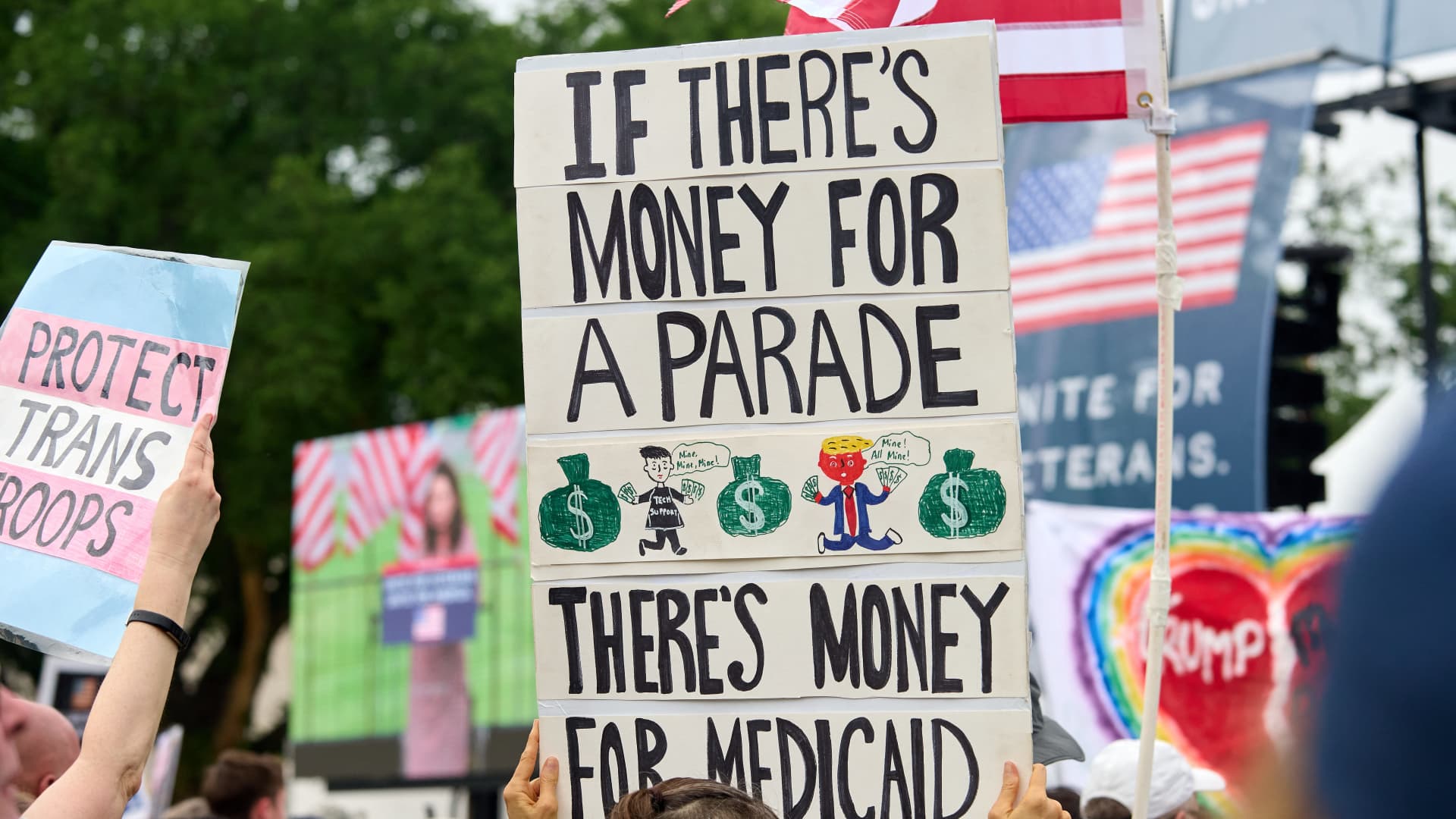
There’s a particular cruelty buried in the new Medicaid work requirement rules recently proposed by the administration, and it’s received almost no attention. It’s not just the law itself, the One Big Beautiful Bill Act, which cut Medicaid by nearly $1 trillion last summer. The problem is the regulation implementing those cuts, which goes further than the law requires.
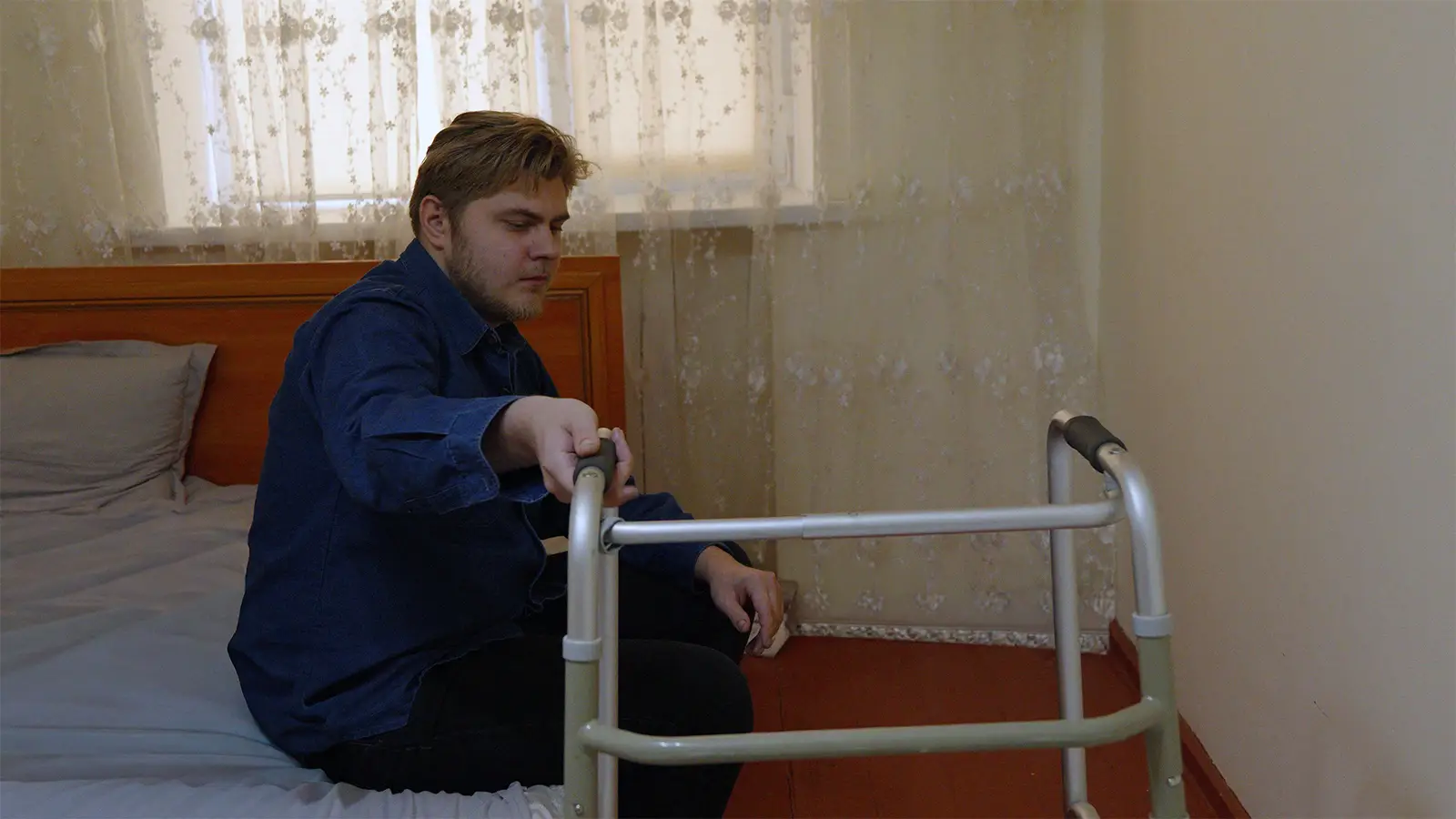
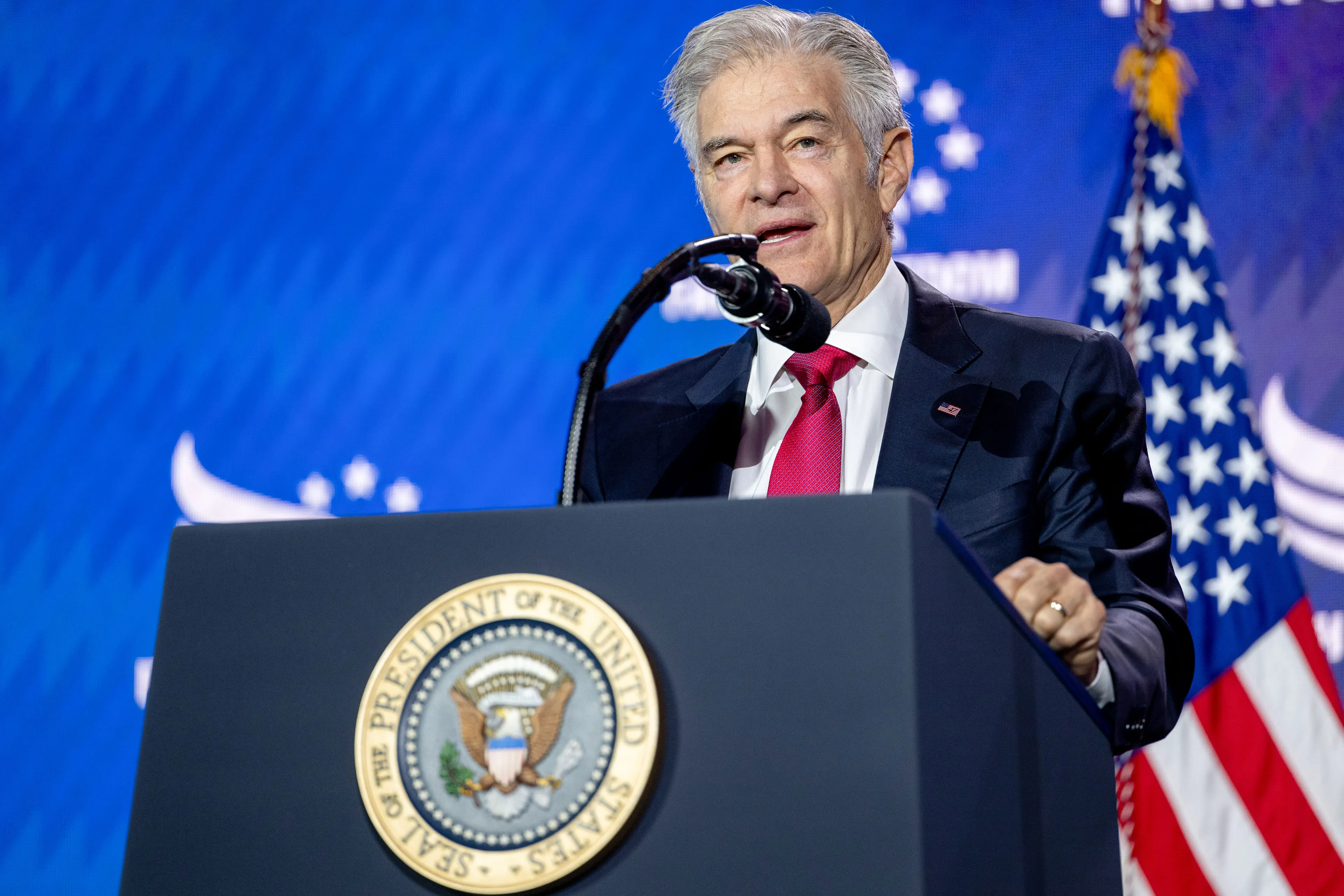
When OBBBA passed, Congress was explicit: People with disabilities were exempt from work requirements. The bill’s own champions, including House Energy and Commerce Committee Chair Brett Guthrie (R-Ky.), promised repeatedly that work requirements would not affect disabled people, and that Medicaid cuts were about “strengthening Medicaid for those who truly need it.” The law backed that up with a broad exemption for people who are “medically frail.”
But the administration went further, inventing a requirement that Congress did not intend. Under the proposed rule, to keep that exemption, a disabled person must now declare they cannot work, targeting the exact population Republicans claimed they were protecting.