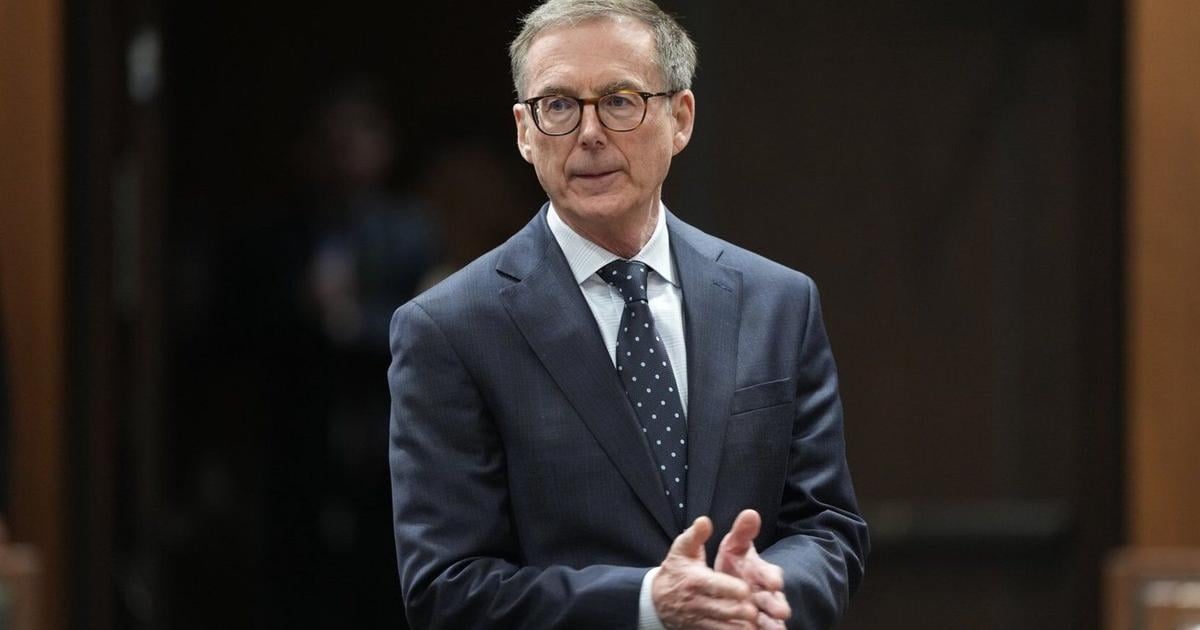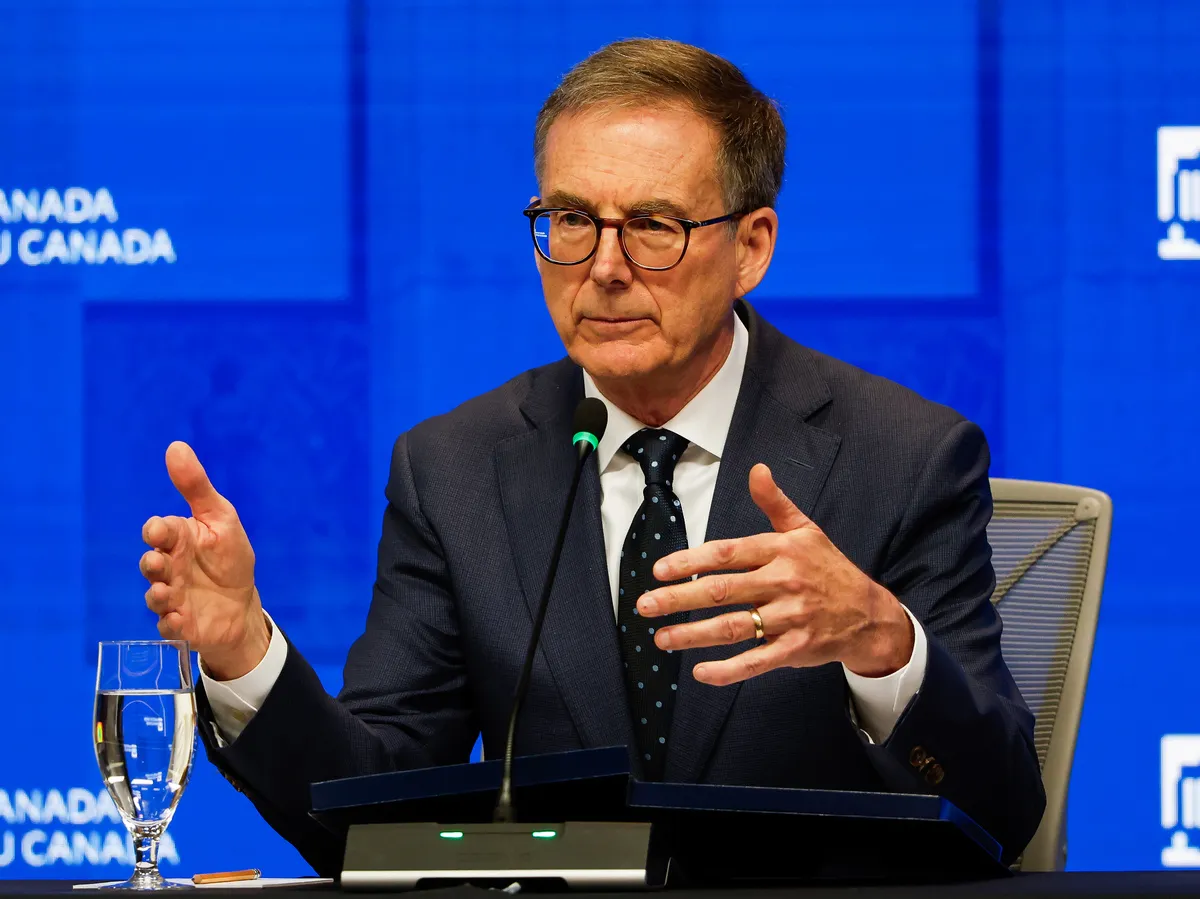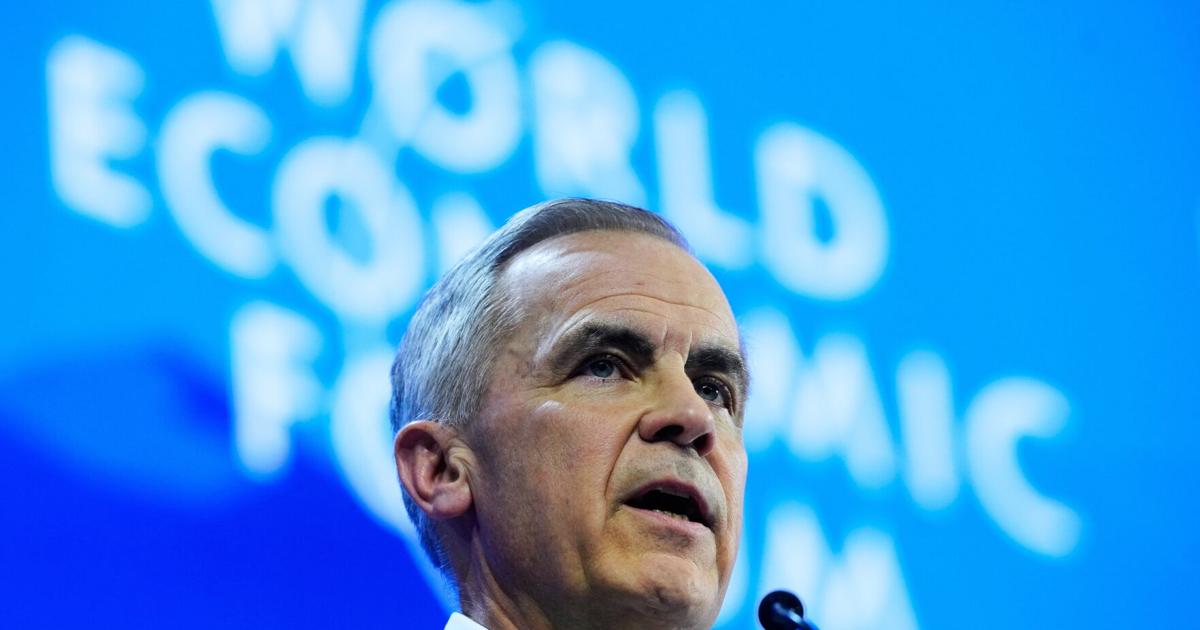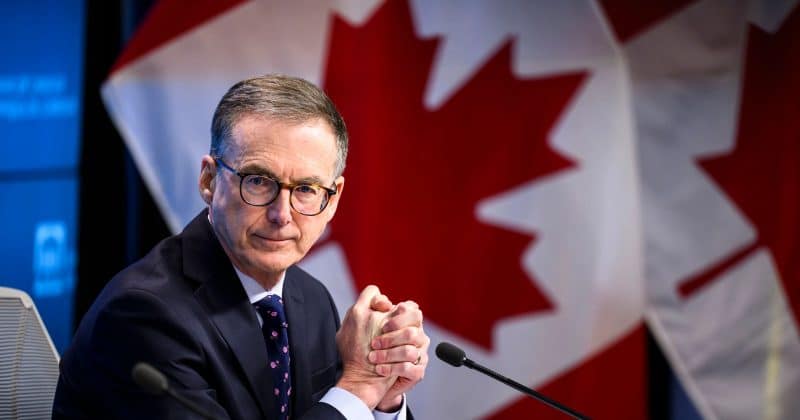
Tiff Macklem, the Bank of Canada’s governor, stood before a crowd at Paris Europlace on June 23 and delivered the kind of speech that makes central banking watchers sit up straighter. Global imbalances in trade and capital flows are widening, he warned, and if that sounds familiar, it should.
The last time these imbalances reached uncomfortable levels, the world got the 2008 financial crisis. Macklem drew the comparison explicitly: the post-crisis narrowing of global trade deficits and surpluses has reversed, and we’re heading back toward the kind of lopsided international flows that tend to end badly.
The problem with money moving in the shadows
Financial activity has been migrating away from traditional banks, which are heavily regulated and stress-tested, into non-bank entities. Think hedge funds, pension funds, and other intermediaries that operate in what regulators politely call “less regulated channels.”
Macklem flagged these complex and opaque capital flows as a significant amplifier of financial risk. When you combine widening trade imbalances with capital flows that regulators can’t fully see or understand, you get the kind of fragility that looks manageable right up until it isn’t.