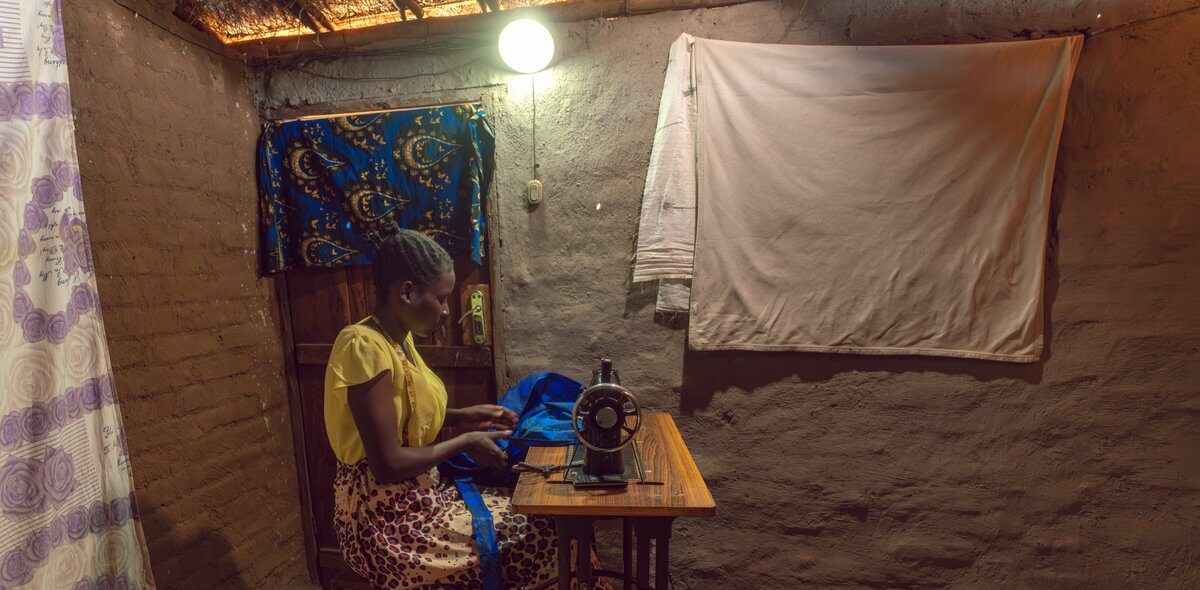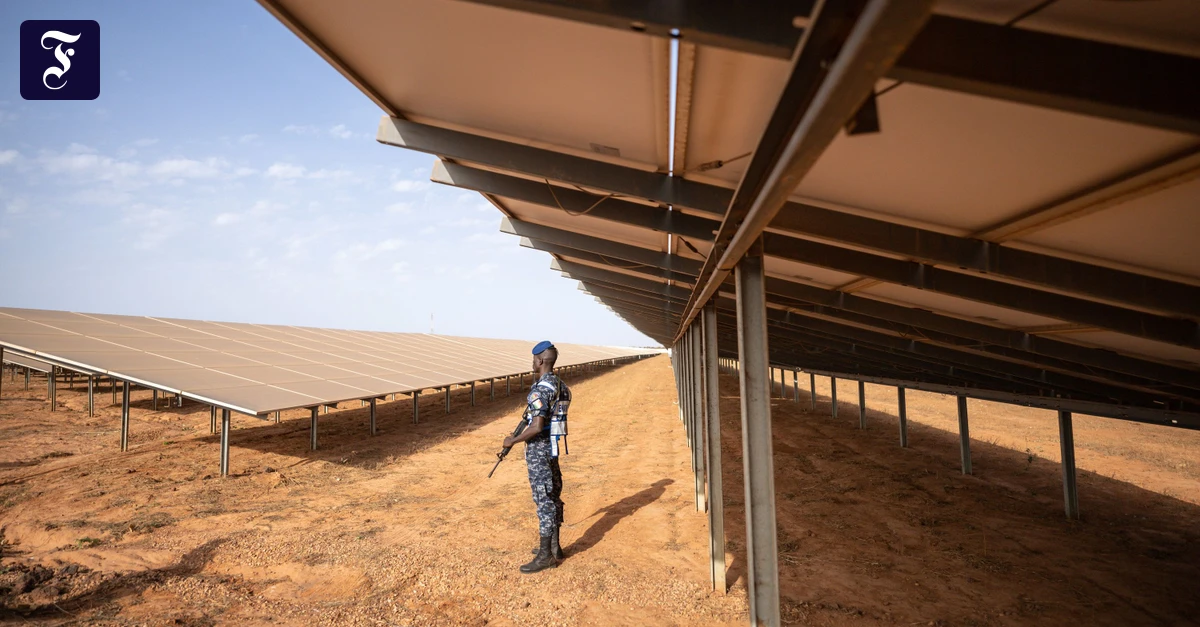
Only about 57% of the people in Africa have access to electricity, the vast majority of them in sub-Saharan Africa. To meet the United Nations goal of everyone having access to affordable electricity by 2030, African countries will need to rapidly expand electricity generation.
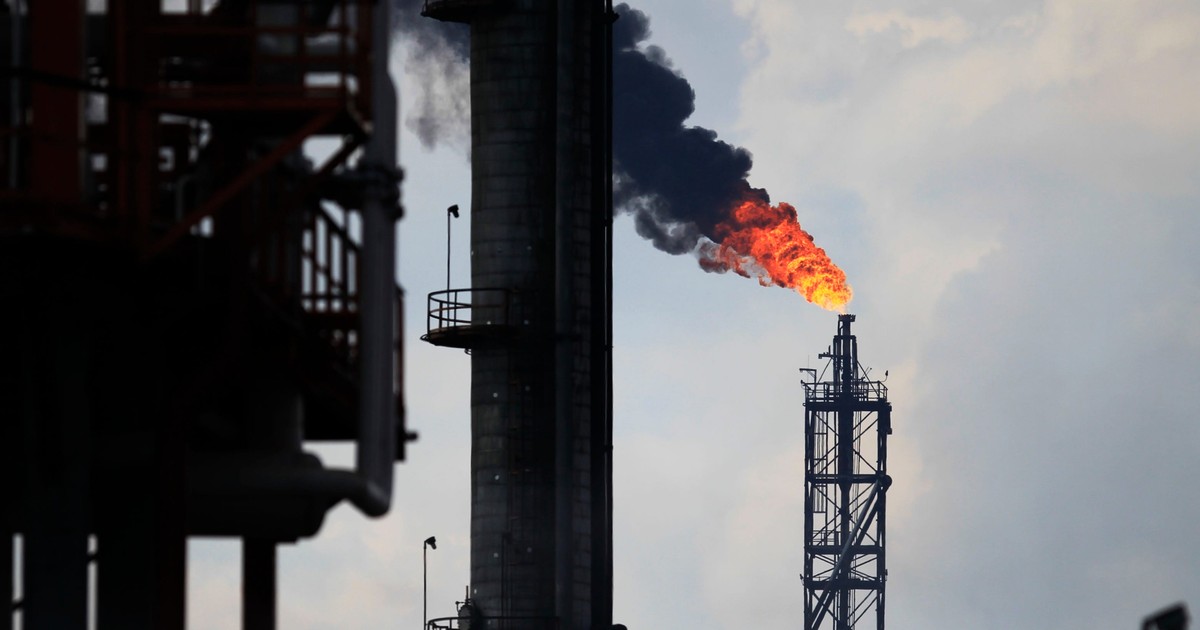
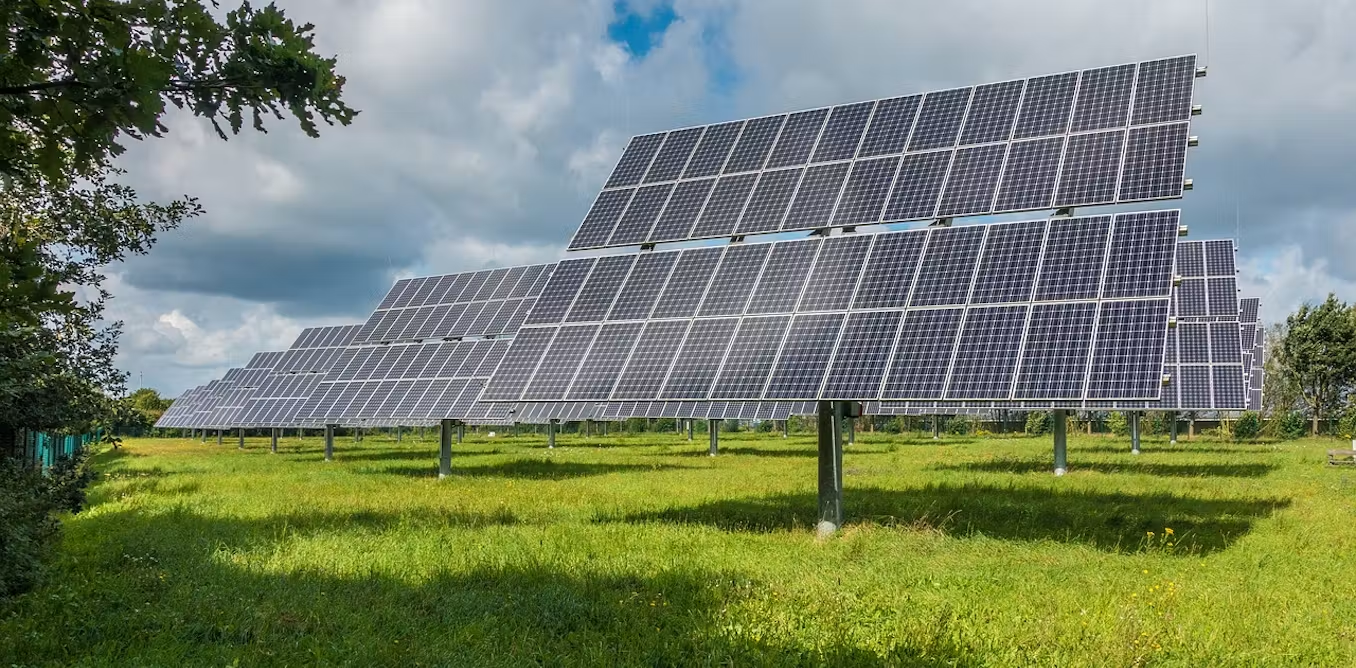
However, generating more electricity will have an effect on available water resources and climate change. Power plants use water and emit greenhouse gases like carbon dioxide (which causes global warming) to generate electricity. For instance, coal-fired electricity emits huge amounts of carbon dioxide. Thermal and nuclear power plants use water for cooling, hydropower needs water to move its turbines, and solar panels need water for cleaning.
I am part of a team of researchers who work in the field of integrated water management modelling. We drew up a continental list of 3,139 power plants in Africa: those that are already operating, plants under construction and those planned from 2020 until 2030. We also mapped how much more water all power plants would use until 2030 and the increase in carbon dioxide they would emit.
À lire aussi :
Cameroon could be turning waste to energy: study uncovers why it’s not, and sets out solutions