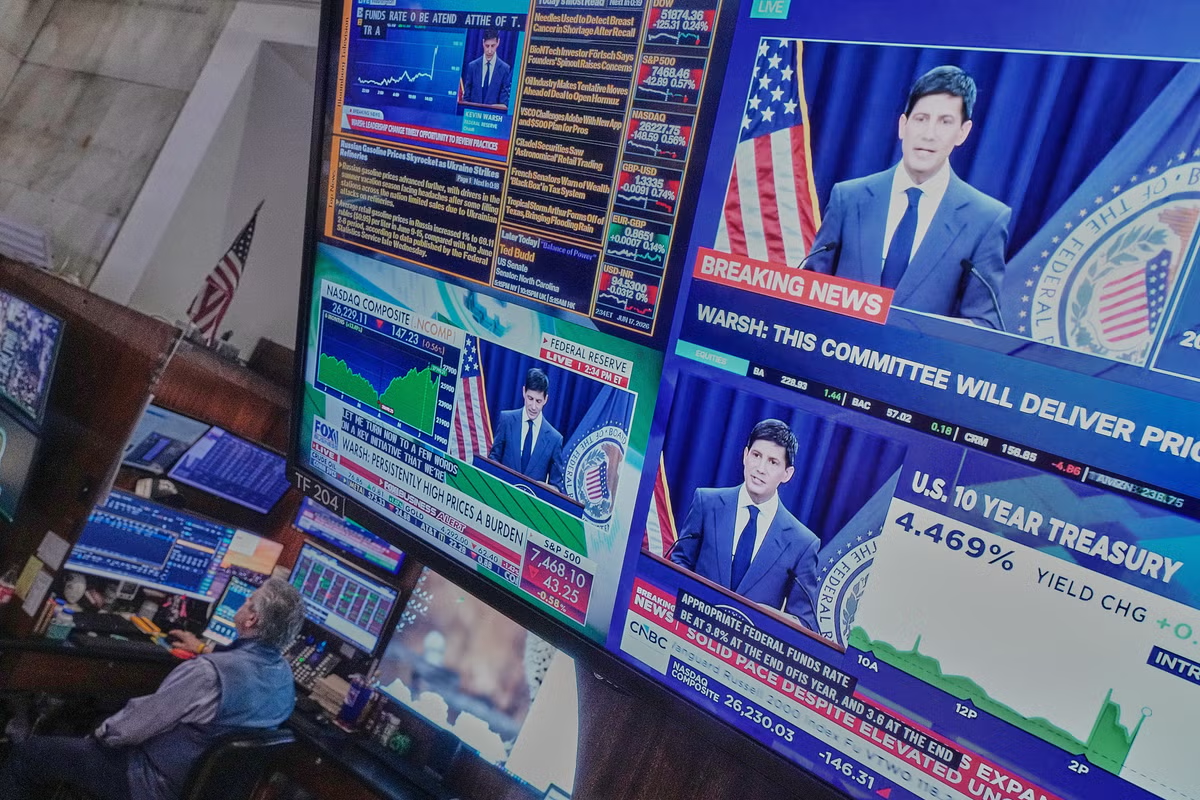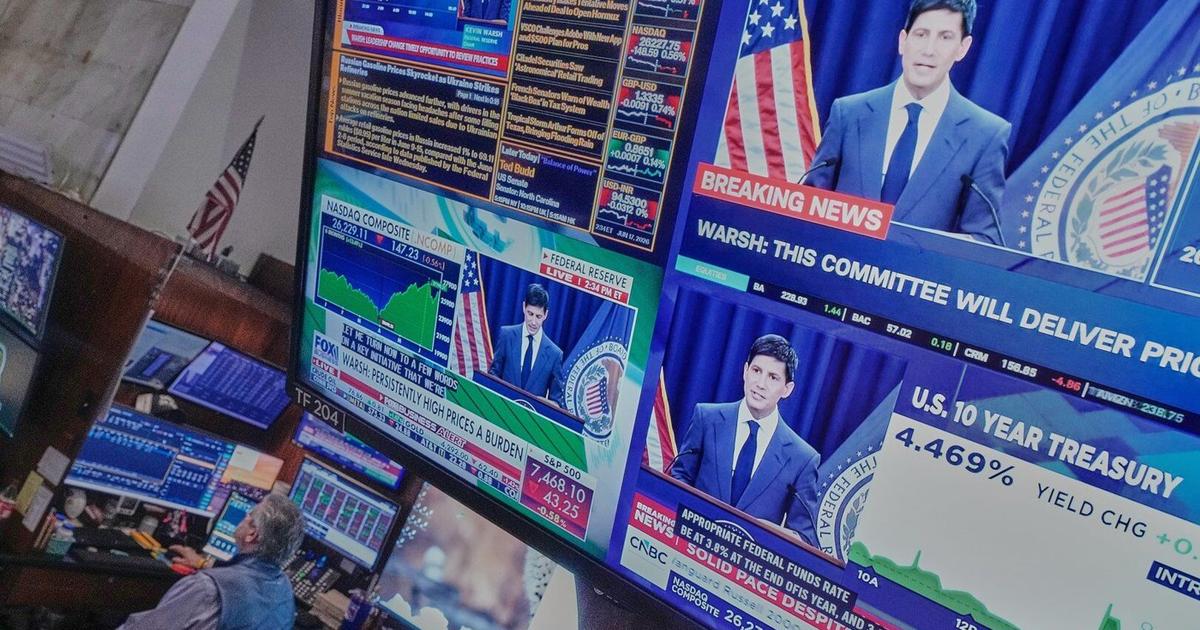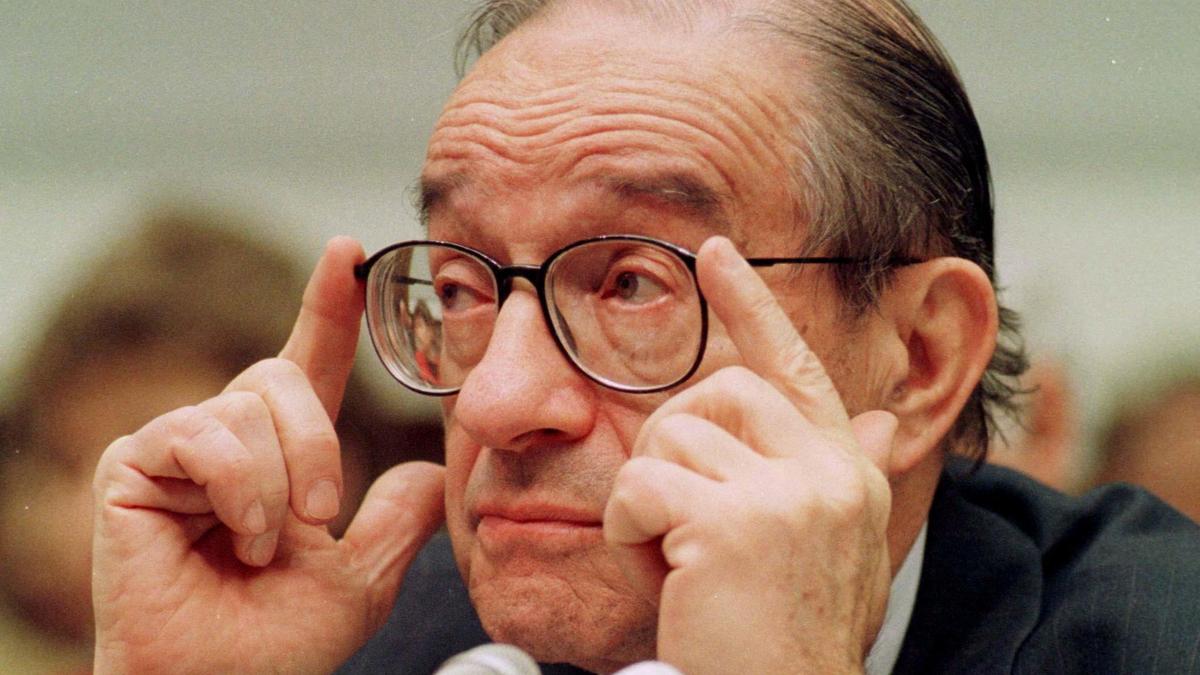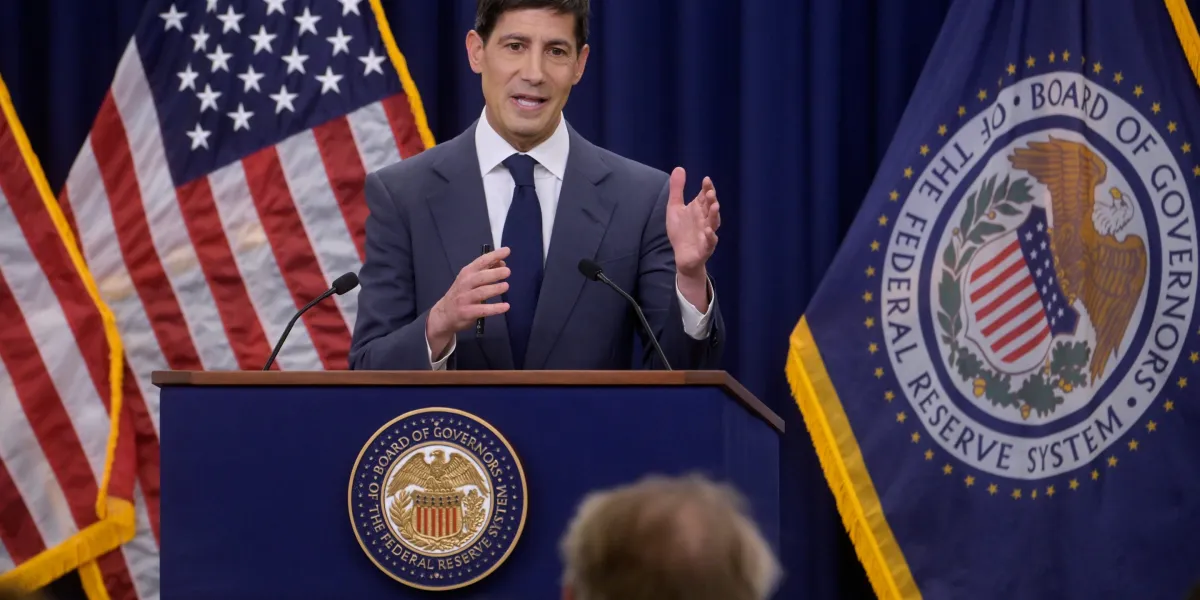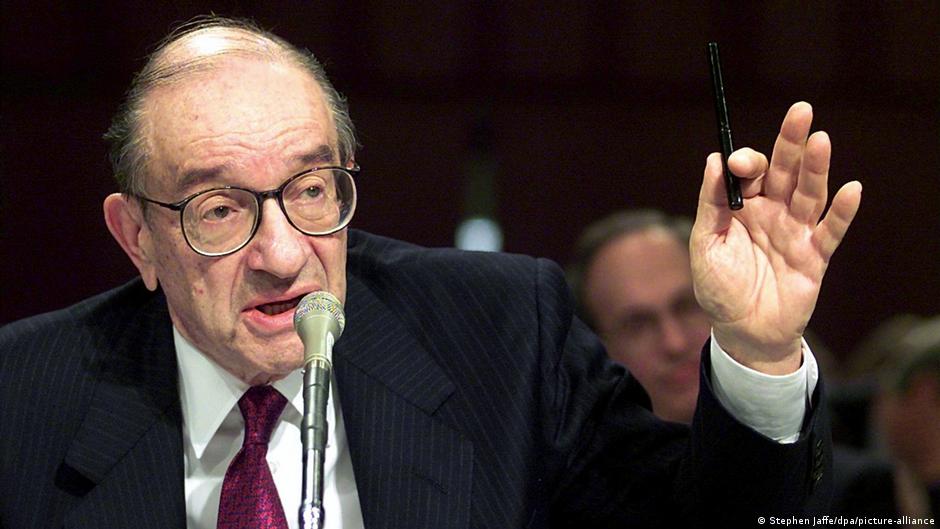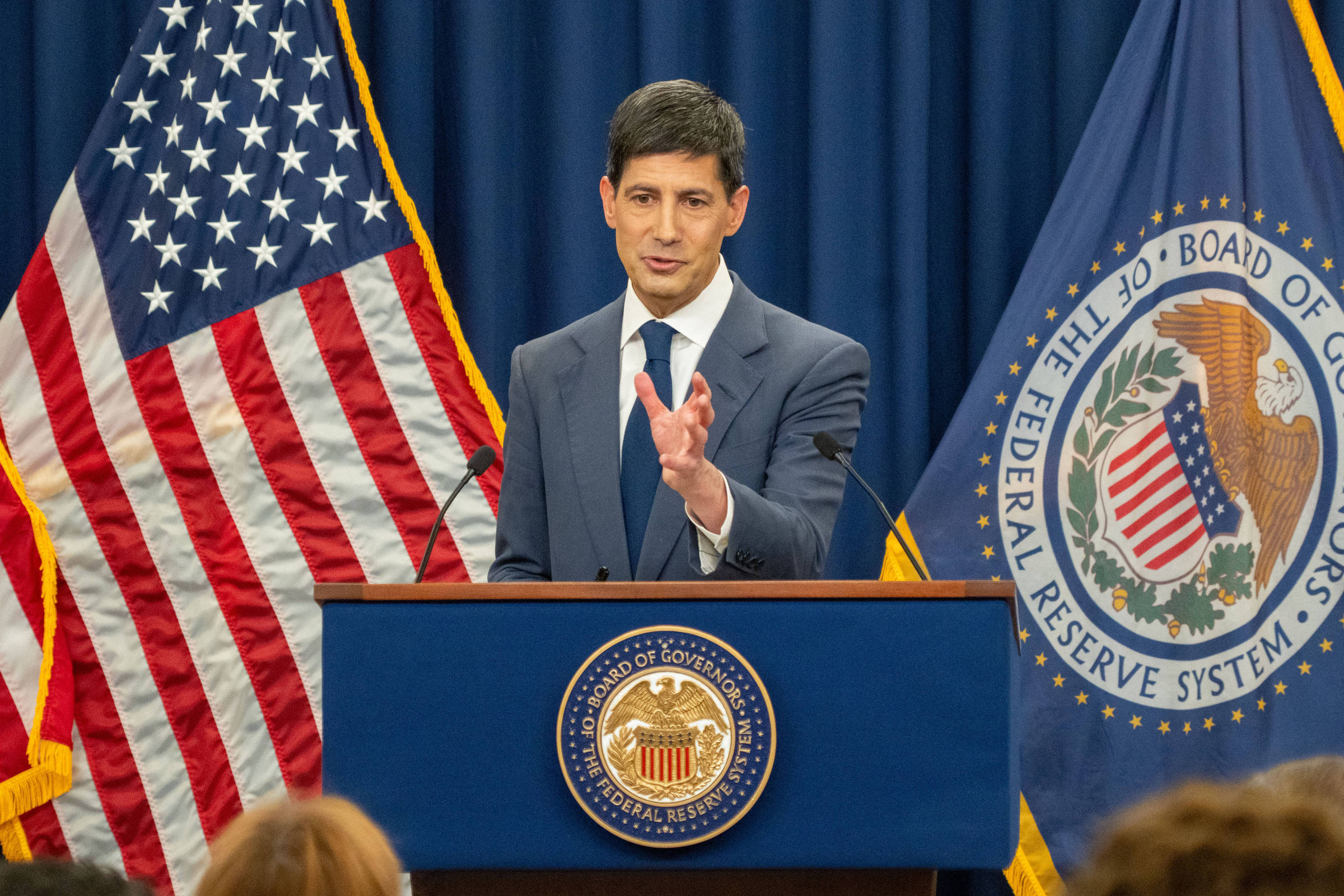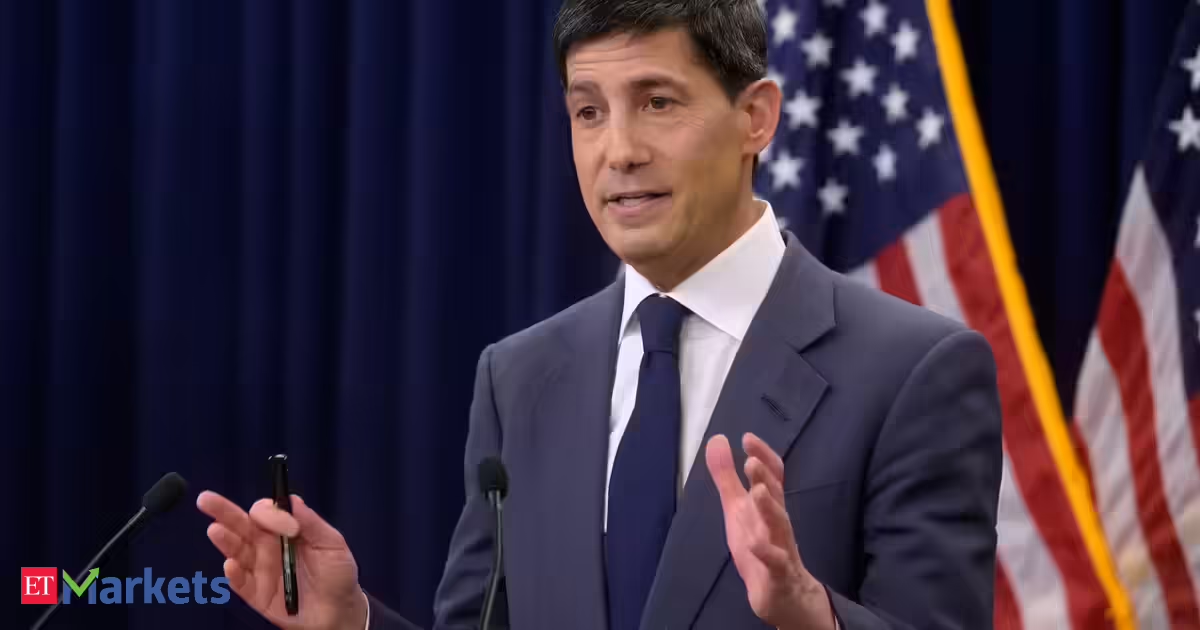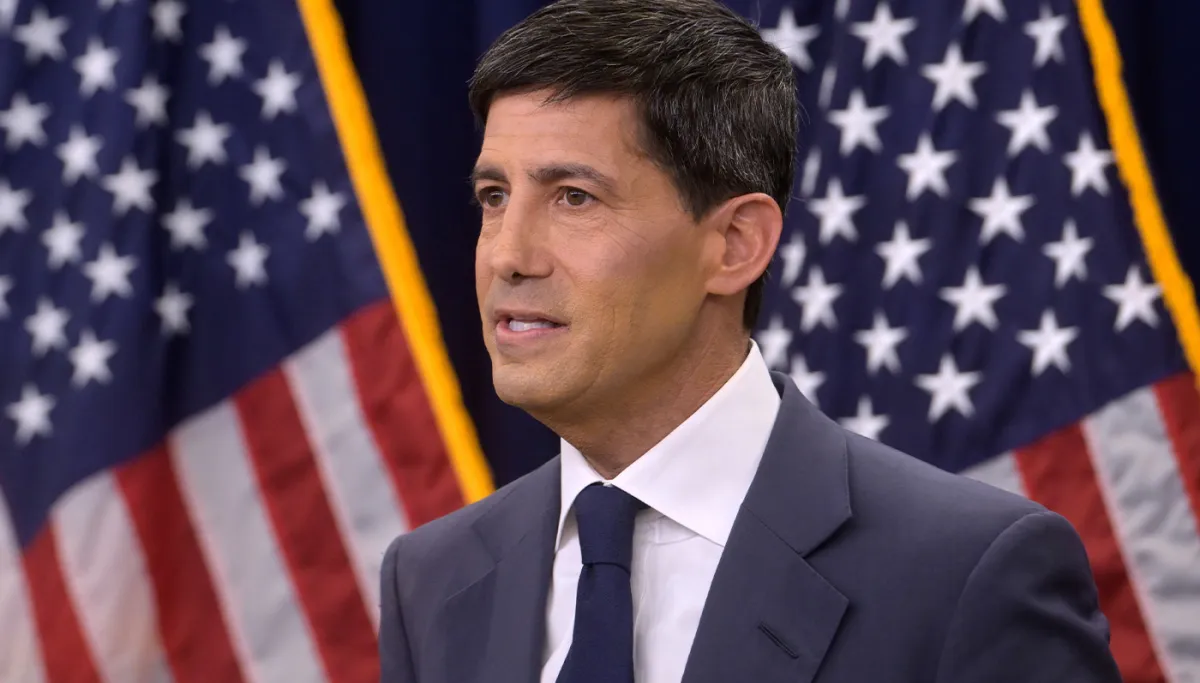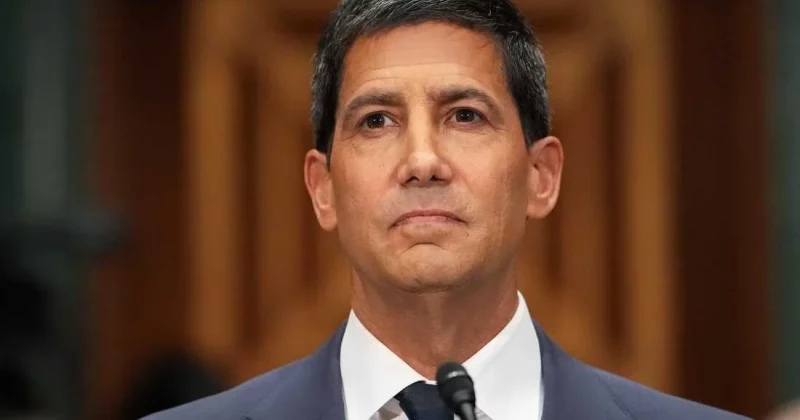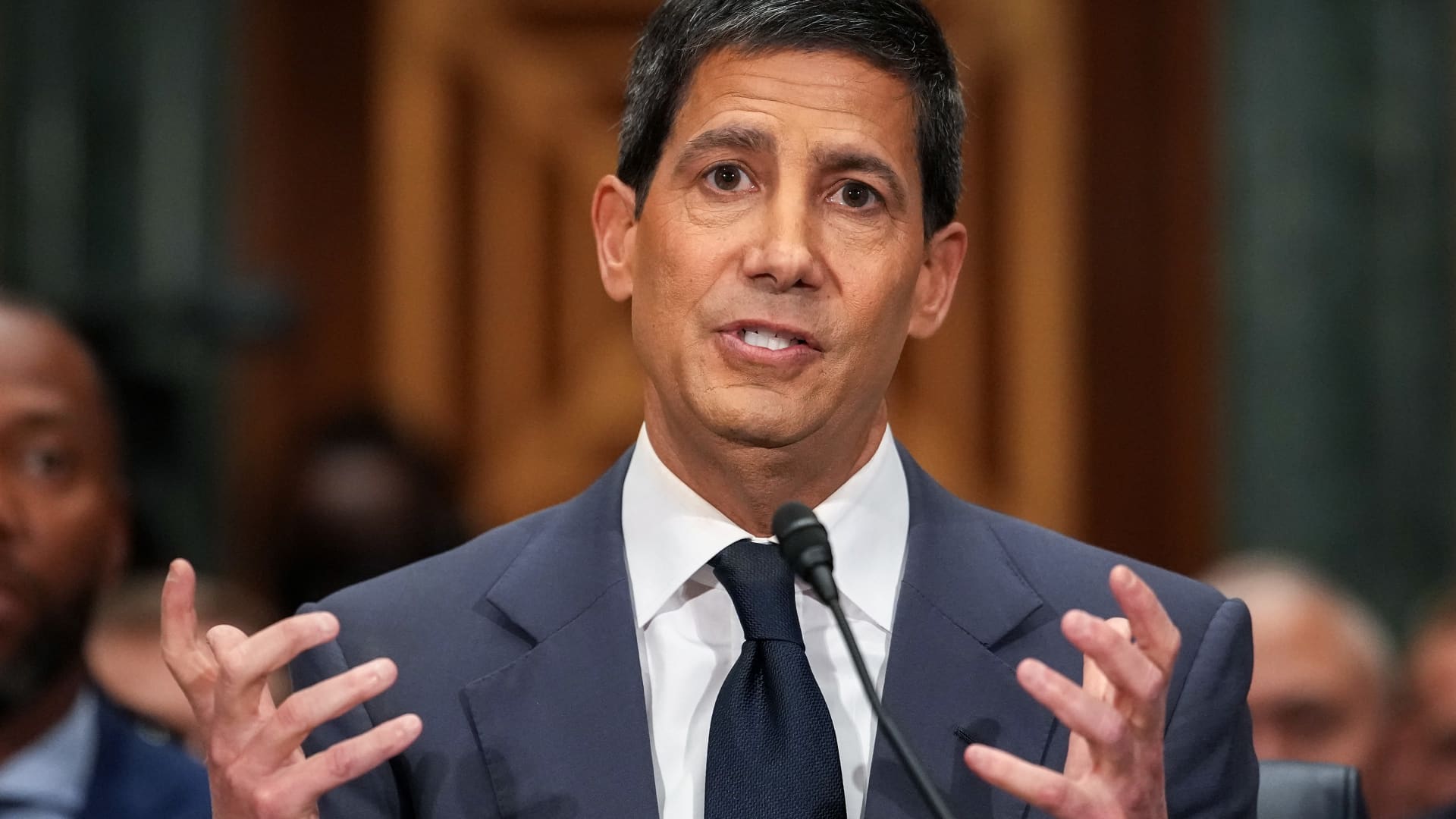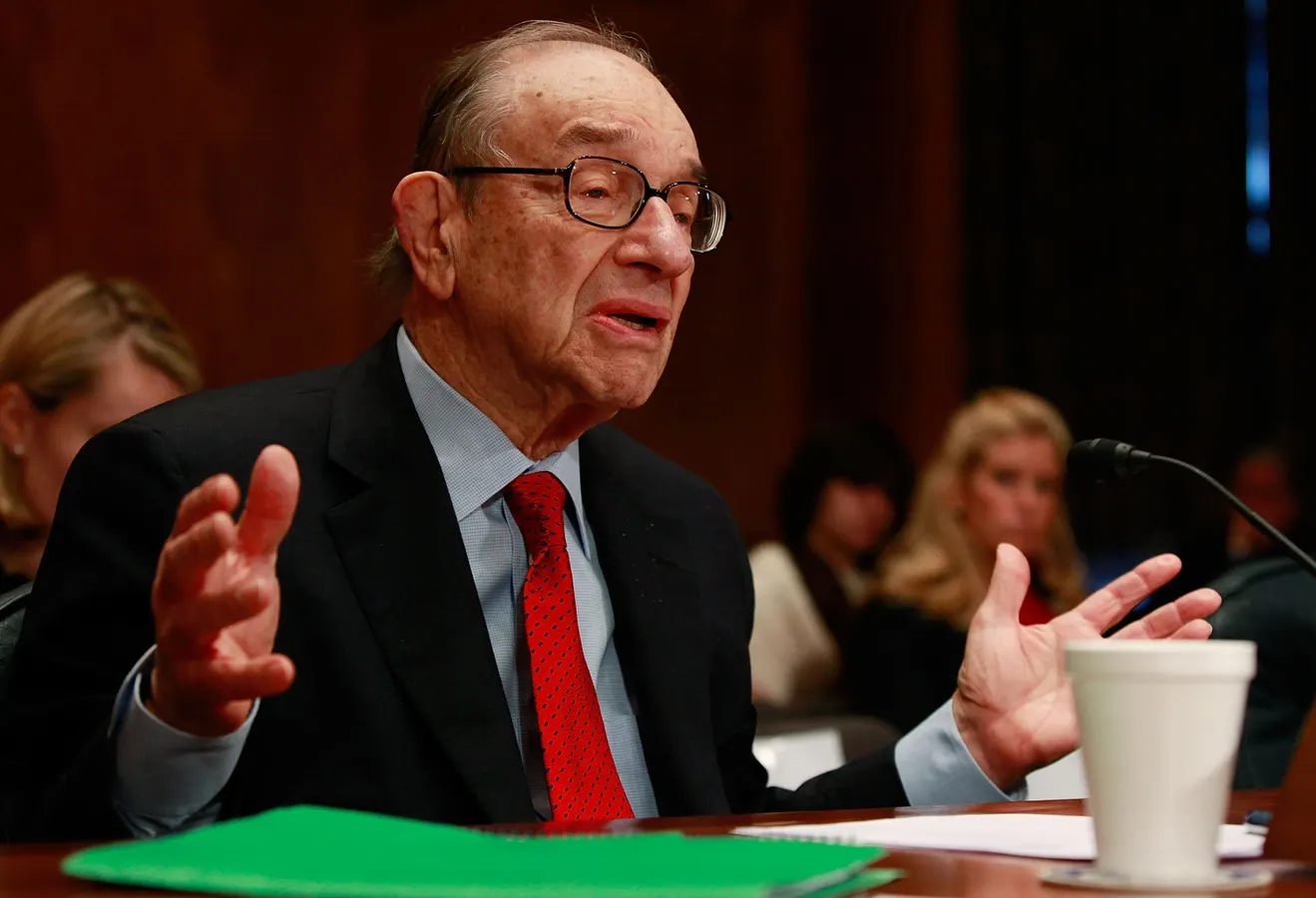
WASHINGTON - DECEMBER 17: Former Federal Reserve Chairman Alan Greenspan testifies during a Senate Homeland Security and Governmental Affairs Committee hearing on Capitol Hill on December 17, 2009 in Washington, DC. The committee is hearing testimony on why Congress should establish a bipartisan task force to help safeguard America�s economic future and proposals to secure It. (Photo by Mark Wilson/Getty Images)Getty ImagesFor the first time in a generation, the Federal Reserve is shifting back toward strategic opacity. With Kevin Warsh’s arrival, the long march from Alan Greenspan’s cryptic “Fedspeak” to Ben Bernanke’s transparency regime is reversing — raising fresh questions about how a less predictable Fed will shape markets, inflation expectations and financial stability.Over the last 40 years, the Fed has moved along a communication spectrum. At one end sits the rigorous, transparent model: numerical inflation targets, published forecasts, regular press conferences, forward guidance about the likely path of rates and sharing deliberations with the public. At the other end sits the oracular, opaque model: cryptic comments, deliberate obfuscation and a belief that monetary policy works best when it preserves flexibility and the capacity to surprise. For decades, the arc of Fed history ran from opacity toward transparency — until 2026, when Warsh began reversing course.Empirical evidence largely favors transparency: It makes policy more predictable, anchors inflation expectations and reduces forecaster disagreement, even if the benefits diminish at the margin. If Warsh’s "regime change in a velvet glove," as Brown Brothers Harriman’s Scott Clemons told CNBC, simply trims genuine over-communication while preserving the explicit 2% anchor and institutional independence, it could be healthy. If it signals a broader return to opacity in a more complex world, it risks forfeiting gains in predictability and accountability with little compensating benefit.Alan Greenspan: The Oracle Returns To FocusOn the opacity end of the spectrum sits Alan Greenspan — Fed chair from 1987 to 2006 — who died at 100 of complications from Parkinson’s disease, according to the New York Times.Greenspan’s Fed revolved around him through a communication style known as Fedspeak. "Since I’ve become a central banker, I’ve learned to mumble with great incoherence," he once boasted, according to the Times, adding, "If I seem unduly clear to you, you must have misunderstood what I said." MORE FOR YOUHe later admitted to using obfuscation deliberately. Fedspeak was "a language of purposeful obfuscation to avoid certain questions coming up," he told CNBC in 2007.Perhaps his most oracular and memorable comments came when he questioned whether the dot-com boom was a bubble — about three years before it burst. On Dec. 5, 1996, he gave his "irrational exuberance" speech, which hedged his views in a stream of questions, including, “How do we know when irrational exuberance has unduly escalated asset values?” Global markets fell after his remarks, the Times noted, but quickly recovered until the bubble burst in 2000.In Greenspan’s era, the Federal Open Market Committee did not announce rate changes until 1994; traders inferred them from open-market operations. He valued "treasured flexibility" and resisted an explicit inflation target as "false precision," according to the Kansas City Federal Reserve Bank. Upon his death, the Fed said Greenspan “brought rigorous analytical discipline to monetary policymaking and helped establish the credibility that remains one of the Federal Reserve’s most important assets.” Successor Ben Bernanke called him “a great central banker,” adding, "We are still learning from him," reported the Los Angeles Times.Ben Bernanke: The Transparency ArchitectBernanke — who chaired the Fed from 2006 to 2014 — was a scholar of the Great Depression and a longtime academic advocate of inflation targeting and central-bank transparency. He set in motion the Fed approach that prevailed after Greenspan.To be sure, Bernanke cleaned up the 2008 financial crisis that Greenspan — through his inattention to the negative implications of financial deregulation — helped cause. Greenspan ignored warnings about the problems tied to deregulation of mortgage lending. In 2007, former Fed Gov. Edward Gramlich said he had privately urged Greenspan to clamp down on predatory lending around 2000. “He was opposed to it, so I didn’t really pursue it,” Gramlich told the Wall Street Journal.Greenspan tacitly acknowledged mistakes. “Those of us who have looked to the self interest of lending institutions to protect shareholders’ equity, myself especially, are in a state of shocked disbelief,” he said in a final appearance before Congress in October 2008, the Journal noted.The key causes of the crisis that Bernanke described as the worst in history were weak “subprime regulation, liar loans, global securitization, too little capital, limited transparency, skewed banker and ratings agency incentives, and lame risk management.”Bernanke left a legacy of an explicit 2% inflation target and rigorous transparency. He wrote that the policy did not indicate ”any change in how the Federal Reserve conducts monetary policy" — rather, its purpose was "to increase the transparency and predictability of policy," according to the Federal Open Market Committee’s January 2012 Statement on Longer-Run Goals and Monetary Policy Strategy.“Transparency in monetary policy enhances public understanding and confidence” and “ultimately makes policy more effective by tightening the linkage between monetary policy, financial conditions, and the real economy,” the statement added.Kevin Warsh: The Counter‑Reformer Steps InJanet Yellen (Fed chair from 2014 to 2018) and Jerome Powell (2018 to 2026) preserved the Bernanke approach. To be sure, Powell had to contend with President Donald Trump’s efforts to influence the Fed by pushing the chair to cut interest rates despite inflation above the 2% target, according to PBS.With Kevin Warsh — confirmed May 13, 2026 in a 54–45 vote, the narrowest for a Fed chair in U.S. history, and sworn in May 22 — the Fed is swinging back to the opaque and oracular approach Greenspan modeled.In his first FOMC meeting, Warsh was less transparent than Powell. His 130-word statement eliminated forward guidance and removed the prior easing bias — ending instead with the flat declaration, "The Committee will deliver price stability."Warsh declined to submit his own interest rate forecast — which he said is "consistent with my long-held views on the Summary of Economic Projections," CNBC reported. He also announced five task forces to review communications, the balance sheet, the data used by the Fed, the inflation framework and productivity and labor markets, CNBC reported.Will Warsh’s Approach Help The Economy?The short answer is probably not. Empirical literature leans toward transparency. Communication "can be an important and powerful part of the central bank’s toolkit since it has the ability to move financial markets, to enhance the predictability of monetary policy decisions, and potentially to help achieve central banks’ macroeconomic objectives," noted the Journal of Economic Literature article Central Bank Communication and Monetary Policy: A Survey of Theory and Evidence.Warsh’s retreat from transparency carries more downside risk than upside. The predictability and expectations-anchoring benefits of the transparent model Bernanke built and Powell extended have shaped markets for the last 15 years.The abrupt shift to spare statements and no forward guidance increased volatility on day one — dubbed “market yips” by Axios. Bumpier markets, higher borrowing costs and a less predictable Fed do not help with inflation already elevated. U.S. CPI rose 4.2% over the 12 months ending May 2026, the biggest annual increase since April 2023, CNBC reported.Of course, if Warsh is the next Alan Greenspan, perhaps we should be more confident about the the future. It is too early to know.
From Greenspan To Warsh, The Battle Over Fed Communication Returns
Warsh shifts the Fed back toward Greenspan‑style opacity, challenging Bernanke’s transparency era and raising new risks for markets, inflation expectations and policy clarity.
1,219 words~6 min read