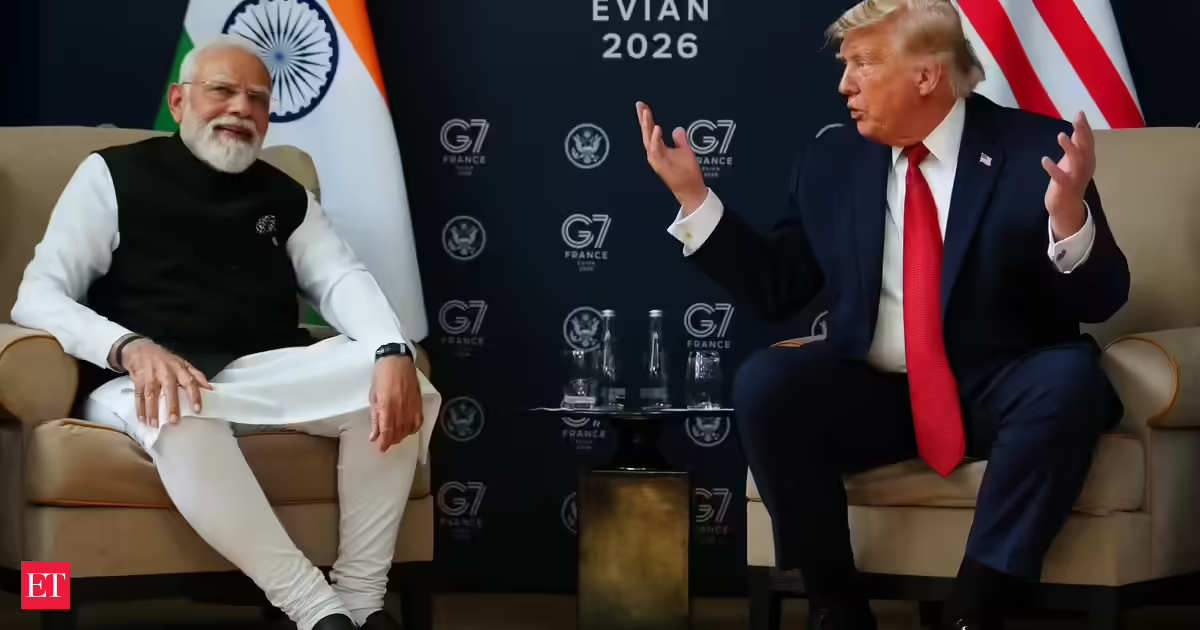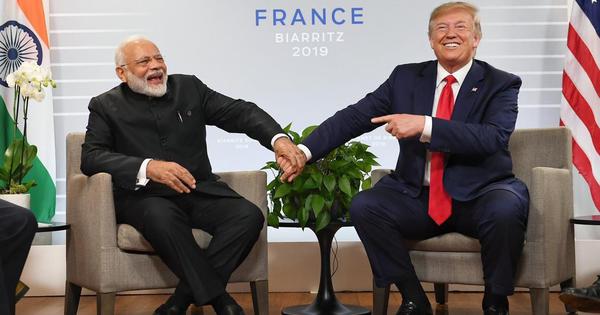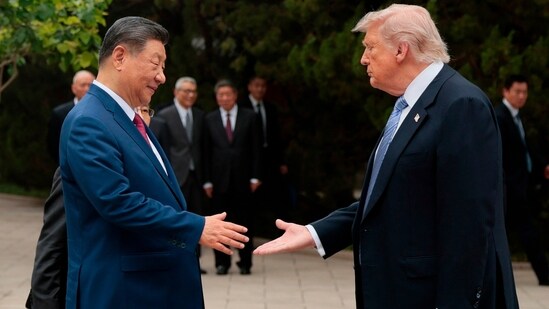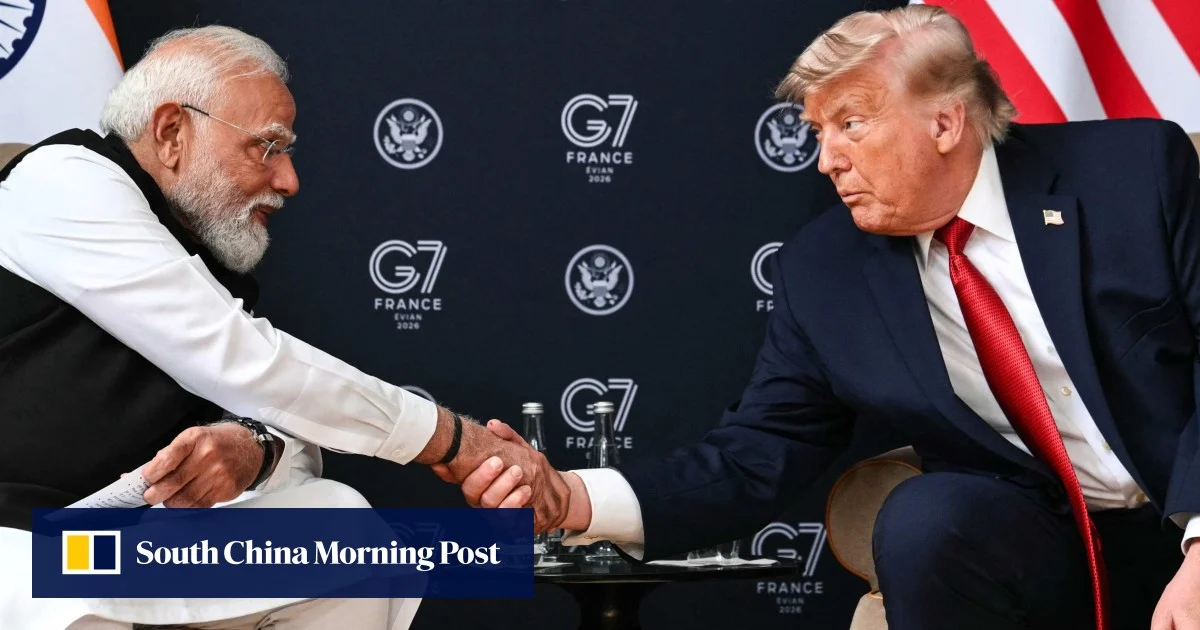
In a move that signaled a blunt recalibration of South Asian geopolitics, the United States has quietly shifted its strategic focus. It has reverted its “Indo-Pacific Command” back to its traditional designation of U.S. Pacific Command (USPACOM).
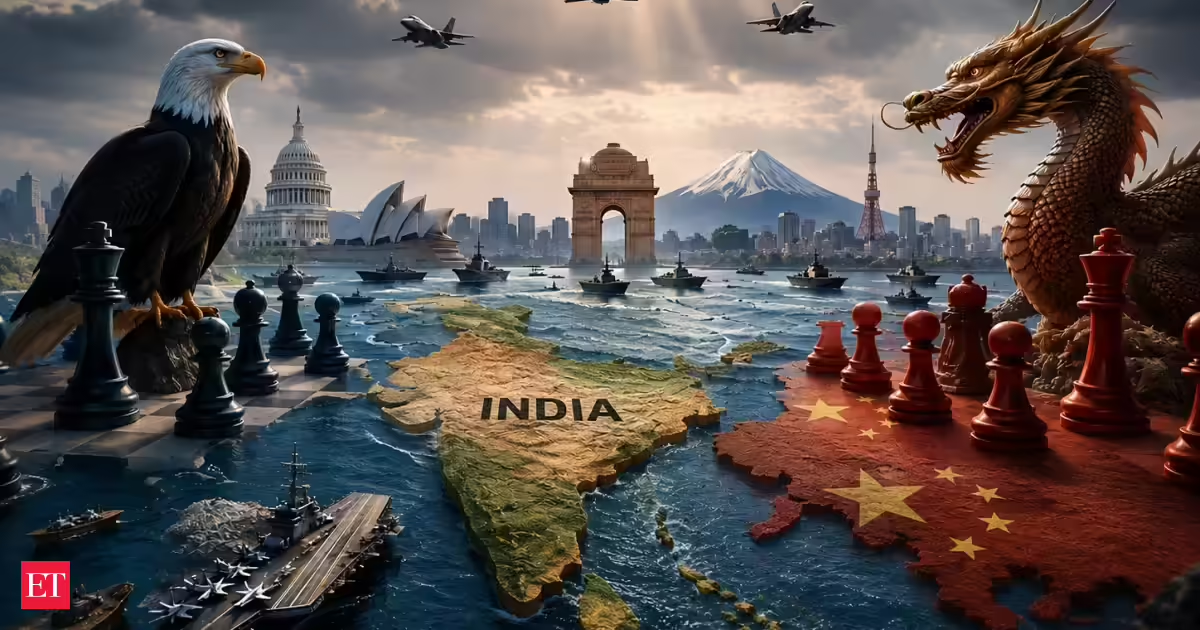
The reversal effectively undoes a 2018 policy, issued during the first Trump administration, that symbolically merged the maritime interests of the U.S. across both the Pacific and Indian oceans. Under the newly restructured USPACOM, the Indian Ocean is being treated largely as a strategic back up plan.
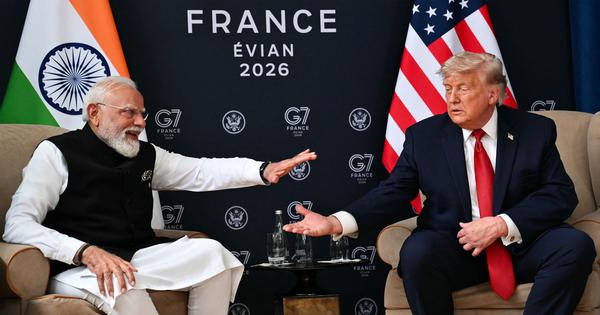
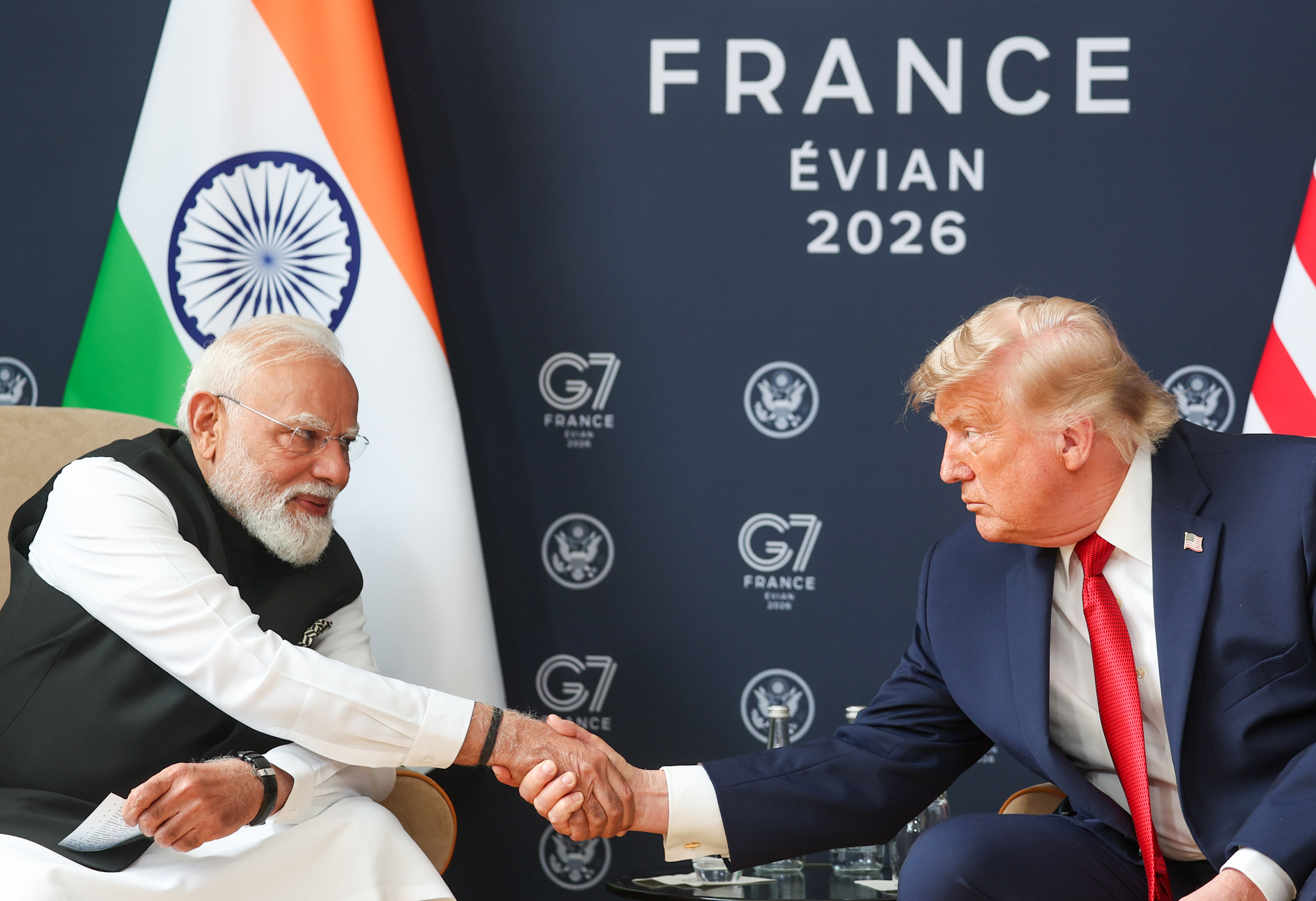
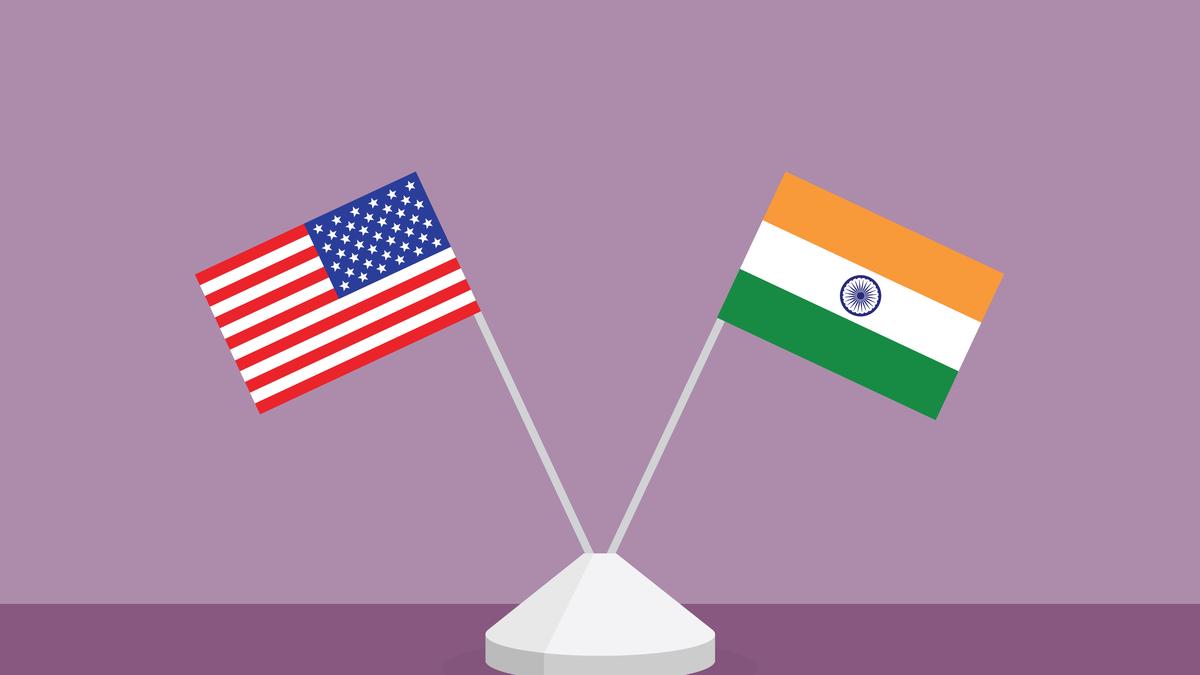
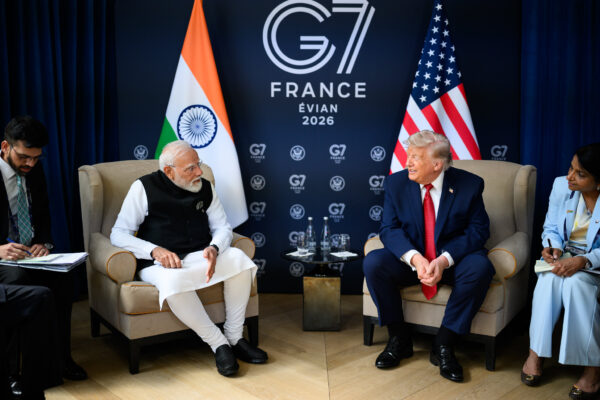
The policy shift sends a clear signal that Washington views its ties with New Delhi as subsidiary to its broader relationships with China and Pakistan, yet India remains surprisingly undeterred. Despite the apparent administrative and symbolic downgrade, New Delhi seems determined to demonstrate its strategic tilt toward the U.S., preparing to collaborate closely under a command structure that now positions the Indian Ocean as a secondary theater.
With a single strategic sweep, Washington has decisively reprioritized the Pacific. This is a major shift in American geopolitical strategy and not merely a semantic tweak. The Pacific has re-emerged as the ultimate strategic theater. Its shores are lined with critical global flashpoints and major players, including China – explicitly designated as the United States’ “near-peer” competitor – and Russia in the northeast, a vital gateway to the resource-rich Arctic routes of the future.