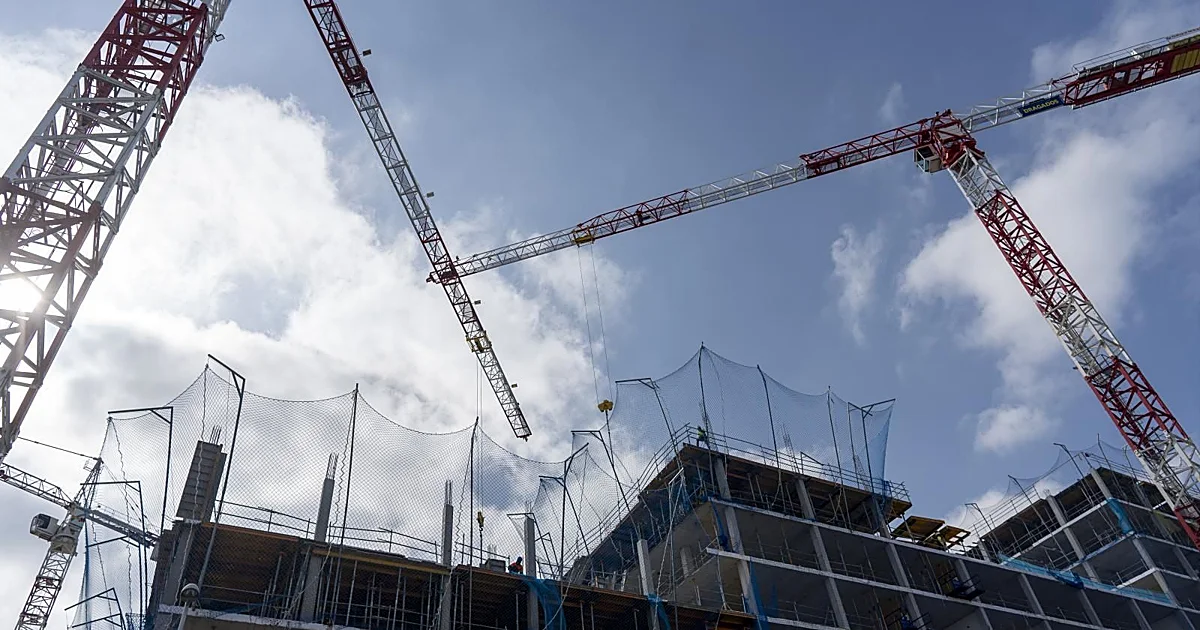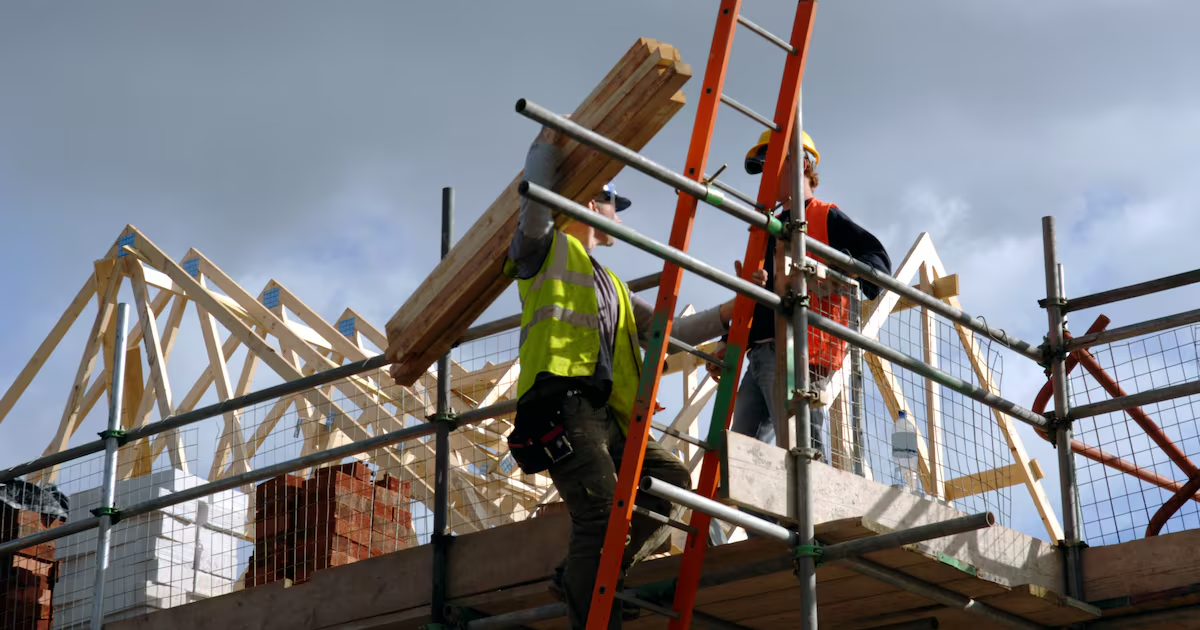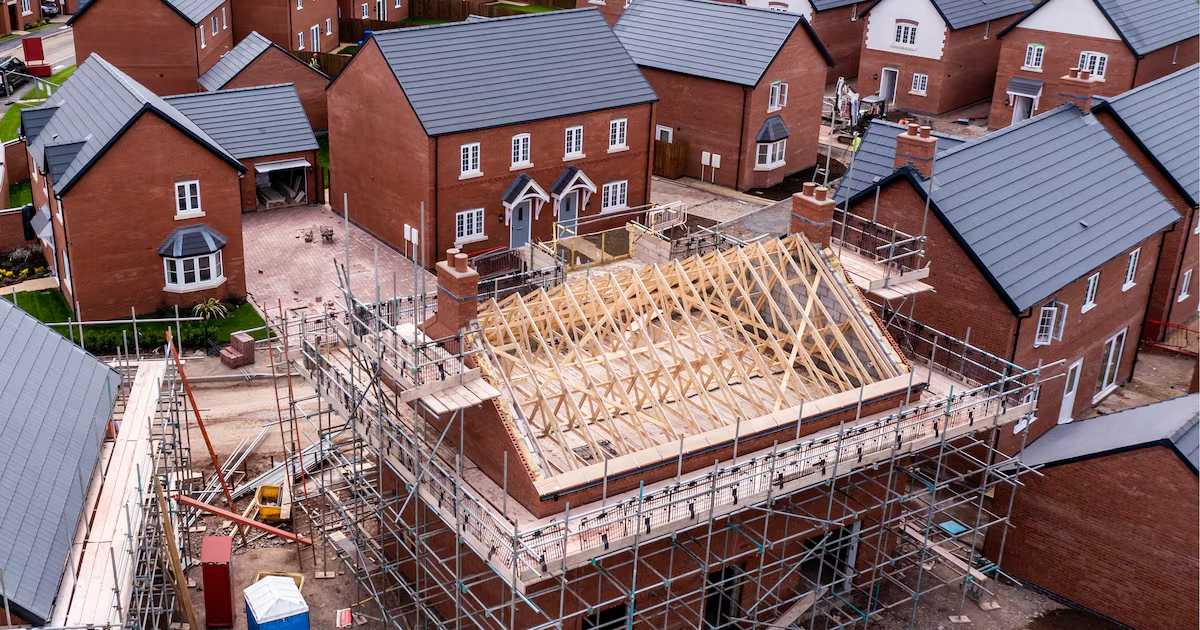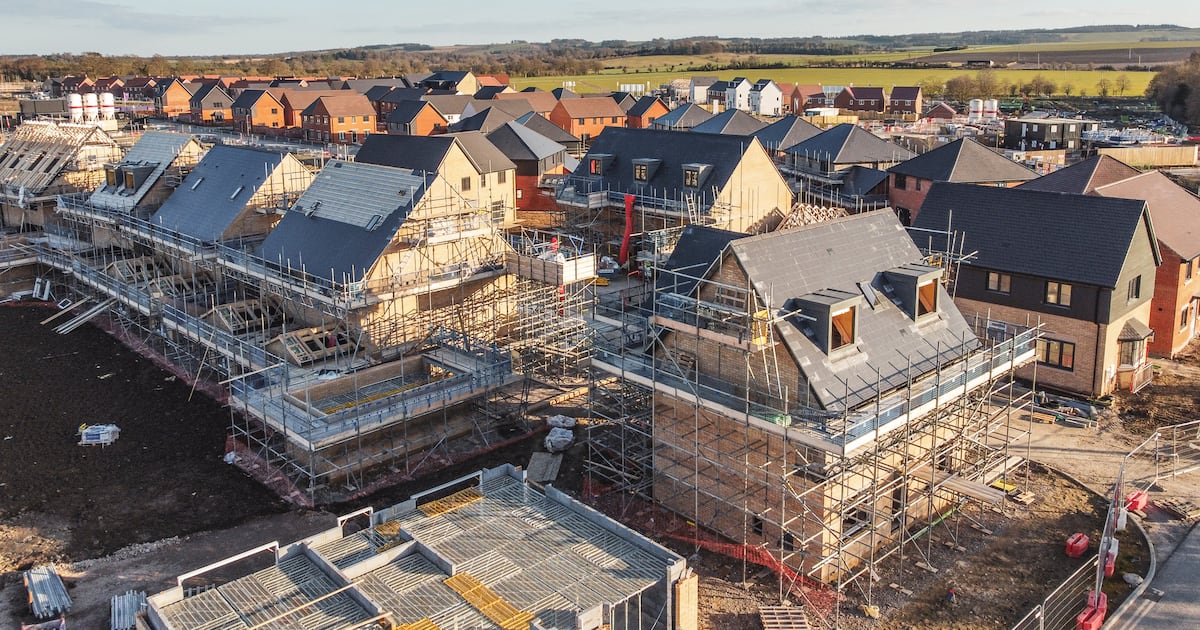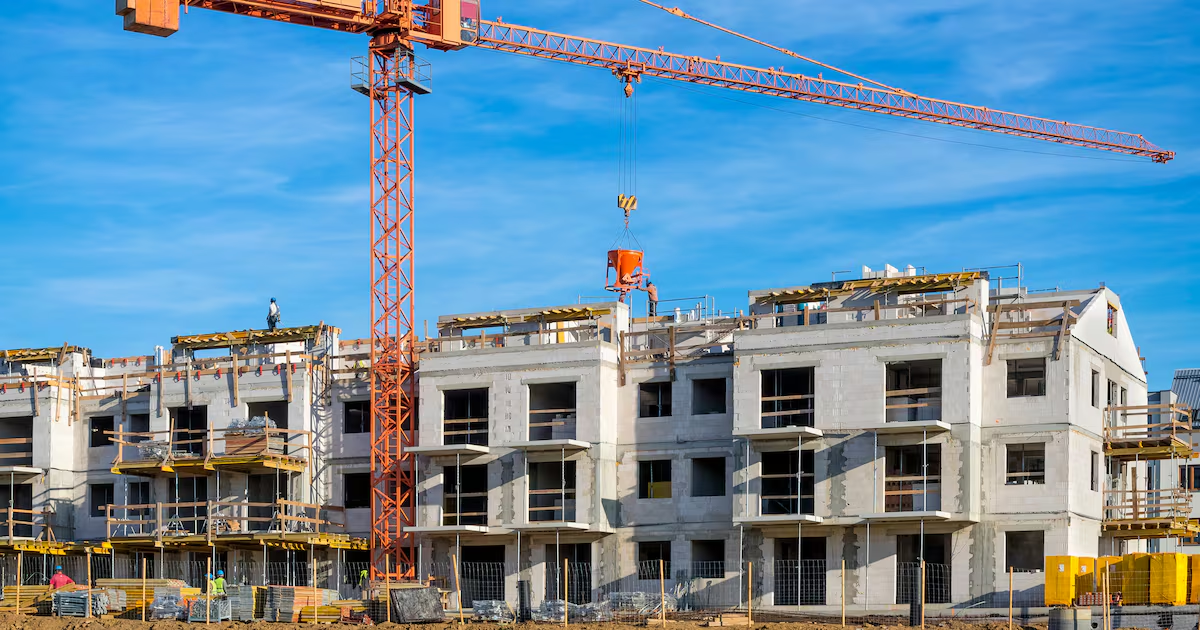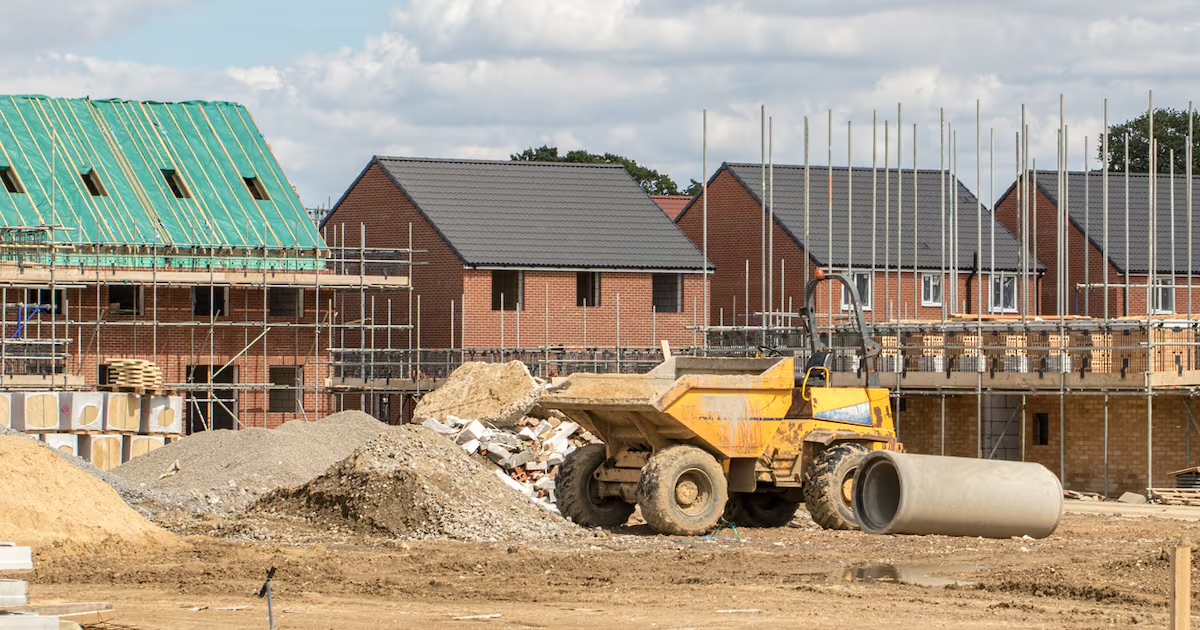
Economists see little evidence that the Government will be able to boost house-building to its target of around 50,000 or 60,000 units annually by the end of the decade, despite an expected jump in completions this year.,The Economic and Social Research Institute (ESRI), which held its annual budget perspectives event in Dublin on Tuesday, said it will be increasing its forecast for housing completions this year in its next quarterly economic commentary, due to be published on Thursday. However, Conor O’Toole, a research professor at the think-tank, said the sector is facing significant “headwinds” this year. He said the interest rate environment could “dampen investment and weigh on housing output” if the European Central Bank hikes rates to a greater extent than currently anticipated, as they start to “chase inflation” in the euro area.Another issue is rising building costs, O’Toole said. “With the fossil fuel increases [arising from the Iran war], one of the risks there is that it would pass through to materials costs and construction inflation,” he said.While there is little evidence of a spike in general construction material prices so far this year, some items in the building materials basket have a “heavy” reliance on oil, including tarmacadam, O’Toole said. These prices “are starting to tick up quite strongly”, he added, “so we are nervous that will continue through the rest of this year and weigh on housing output”. Over the longer term, O’Toole said the ESRI is also anxious about the trajectory of housing completions. While a “moderate rise” in completions is expected in 2026, “we are still a bit nervous as to the extent we’re going to ramp up”, he said. That nervousness is based on the lack of a sustained increase in planning permissions since 2022. “If we really want to get this up to 50,000 or 60,000 units per year, we would expect two years before that or four years before that, for planning permissions [to be on the increase] to give us that kind of lead time to produce that housing,” O’Toole said. “We aren’t seeing that sustained increase, so from that perspective alone, we are somewhat sanguine on the forecast period outside the years 2026 and 2027.”Last week, the Central Bank of Ireland said it is keeping its forecasts for housing completions unchanged at 40,000 this year, 43,000 next year and 46,000 in 2028. In its second quarterly economic bulletin of the year, the regulator said the first quarter out-turn for completions came in “only marginally stronger than anticipated”. It also said the pool of uncommenced planning permissions grew to 42,000 in 2025. Yet the viability of these projects depends largely on the path of construction price inflation. Separately on Tuesday, Daft.ie said that while house price inflation nationally has softened somewhat over the past year, it is “running hot” in rural areas due to a combination of factors. Ronan Lyons, professor of economics at Trinity College Dublin and author of the property website’s report, said prices are being supported in these markets by supply levels that remain “acutely tight”, with new-build activity “not yet enough to relieve the pressure”, despite recent improvements.
Economists ‘nervous’ about home building ramping up to target levels, conference hears
Anxiety based on lack of sustained increase in planning permissions since 2022, says ESRI
522 words~2 min read