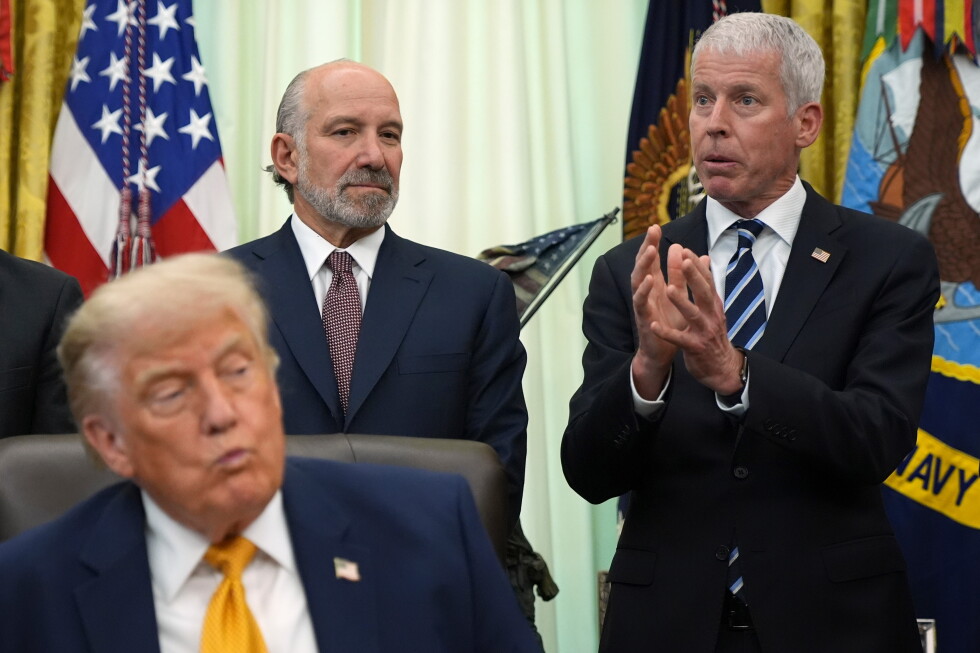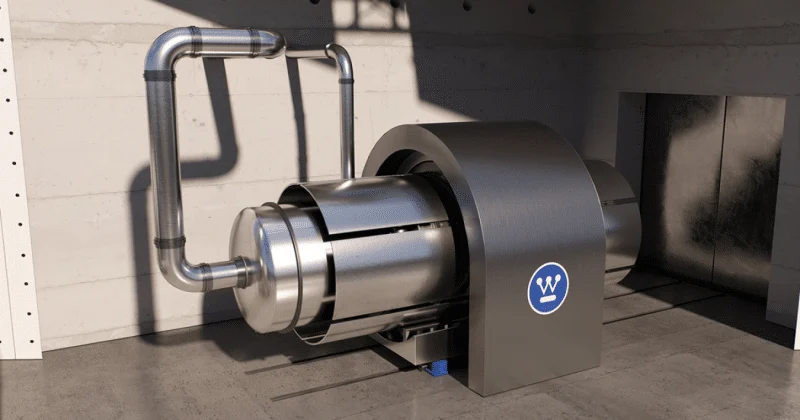
The Trump administration just made its biggest bet on nuclear energy. An $80 billion partnership with Westinghouse Electric Company, Cameco Corporation, and Brookfield Asset Management will fund the construction of approximately ten new nuclear reactors across the US, with government-backed financing playing a central role in getting shovels in the ground.
The deal, announced October 27-28, includes $17.5 billion in low-cost government-backed loans coordinated through the US Department of Energy. In exchange for subsidizing the financing, the federal government will claim 20% of cash distributions or profits that exceed a $17.5B threshold once certain profitability conditions are met.
What’s actually getting built
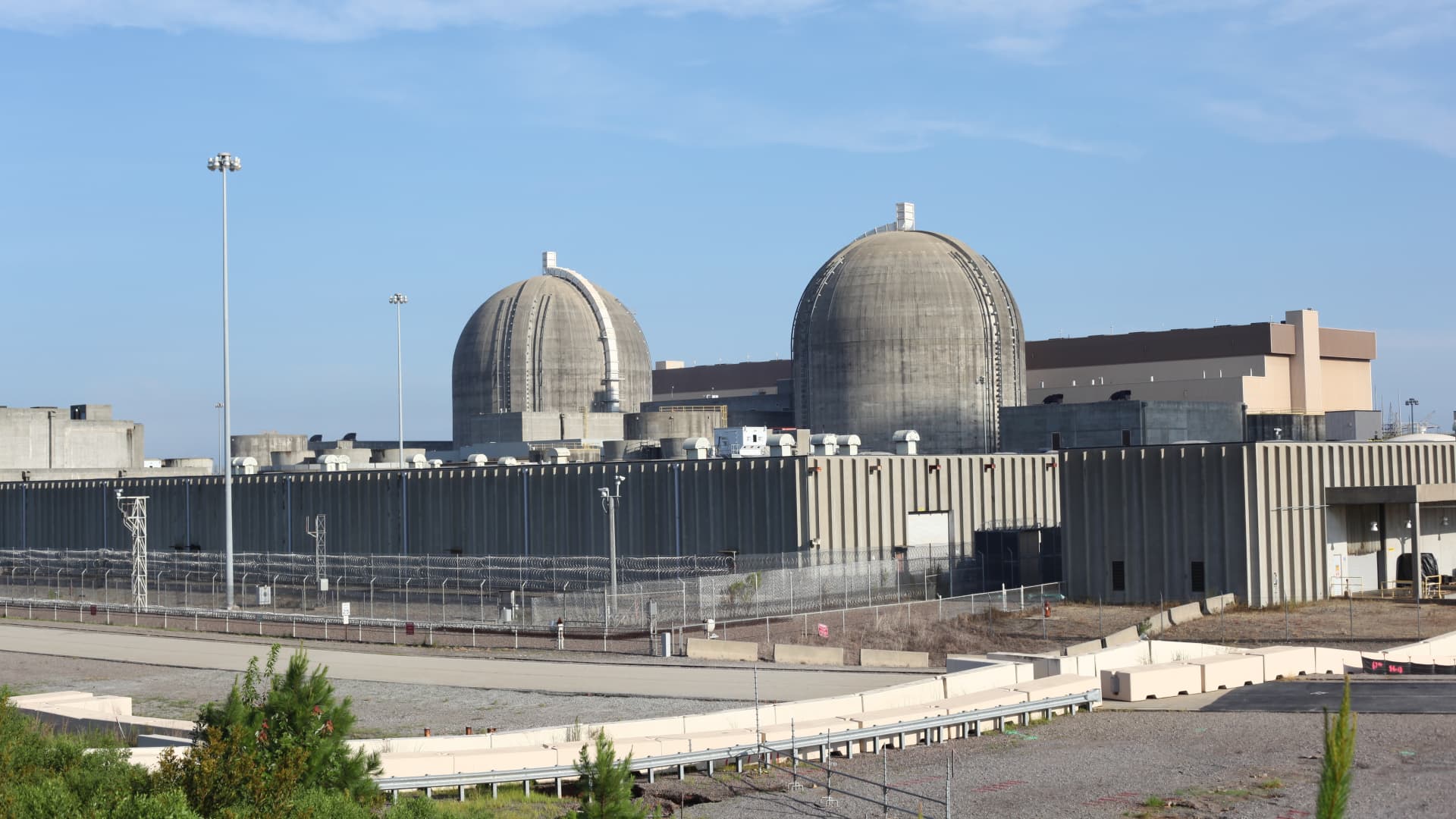
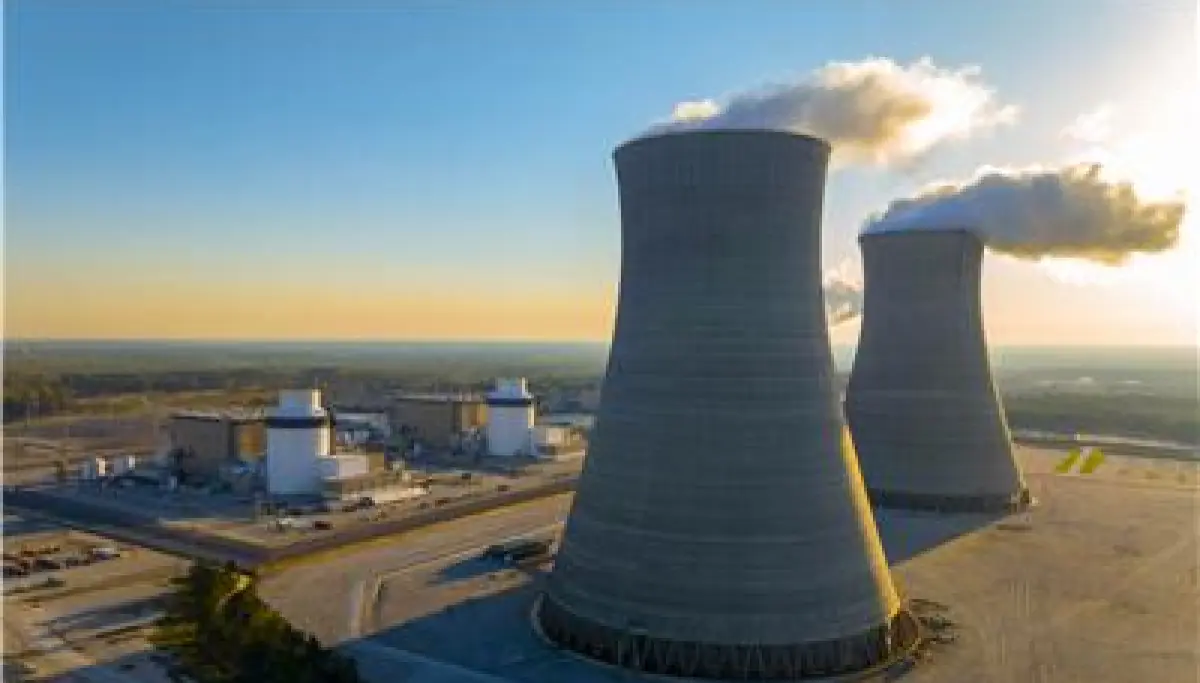
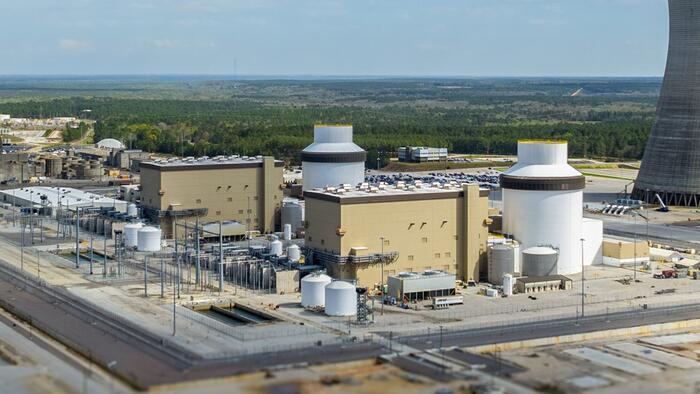
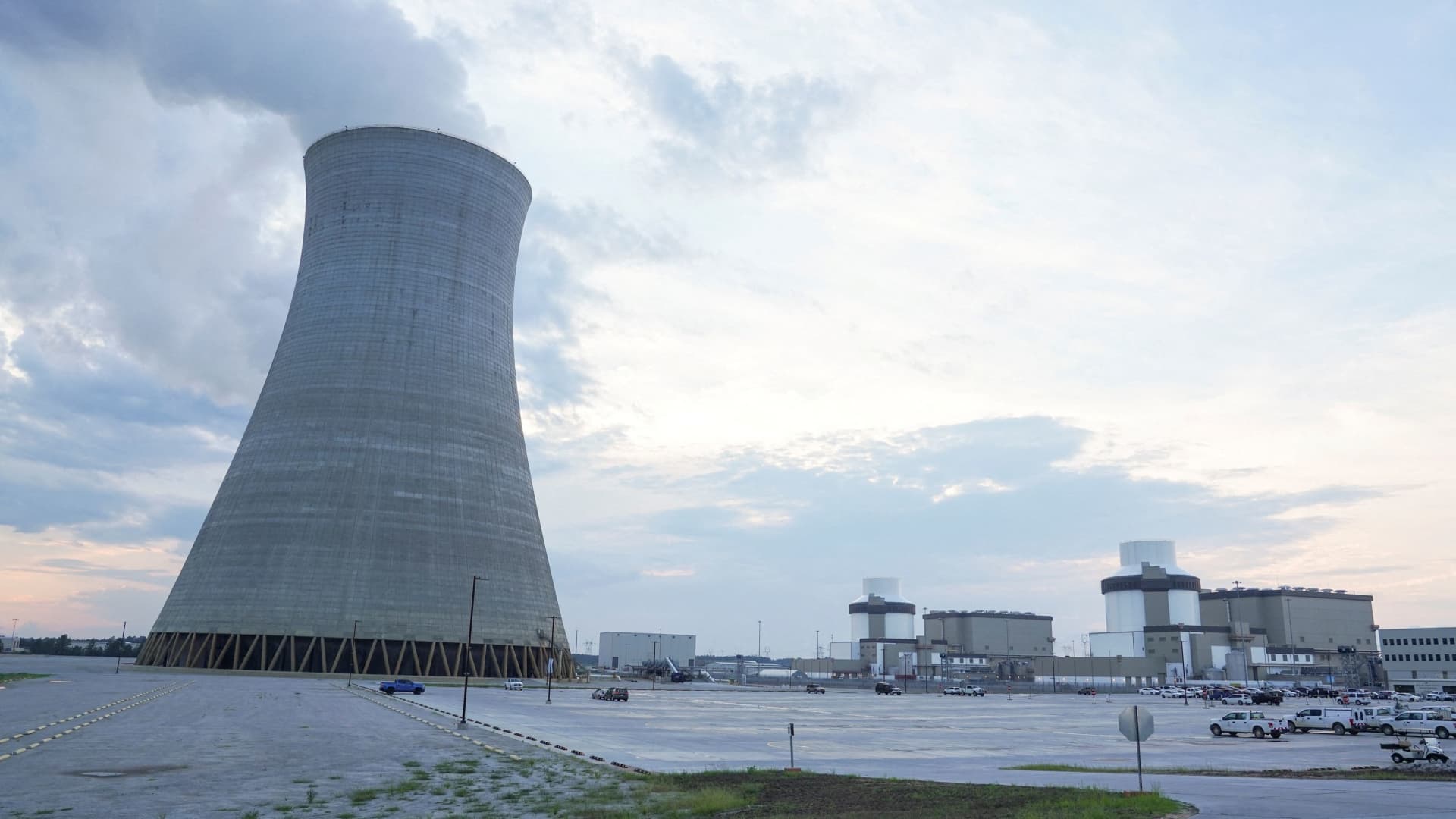
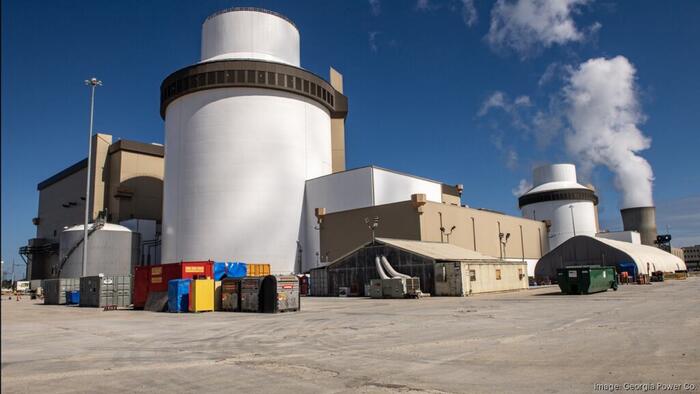
The reactors in question are Westinghouse’s AP1000 pressurized water reactors and AP300 small modular reactors. The AP1000 is a proven design, already operational at the Vogtle plant in Georgia, which became the first new US nuclear units in decades when its third and fourth reactors came online in 2023 and 2024. The AP300 is a smaller, modular variant designed for faster deployment and lower upfront capital requirements.
Construction is projected to begin in 2026. The partnership structure pairs Westinghouse’s reactor technology with Cameco’s uranium supply capabilities and Brookfield’s deep pockets in infrastructure finance. Cameco is one of the world’s largest uranium producers, headquartered in Saskatchewan. Brookfield manages hundreds of billions in assets globally, with significant exposure to energy infrastructure.