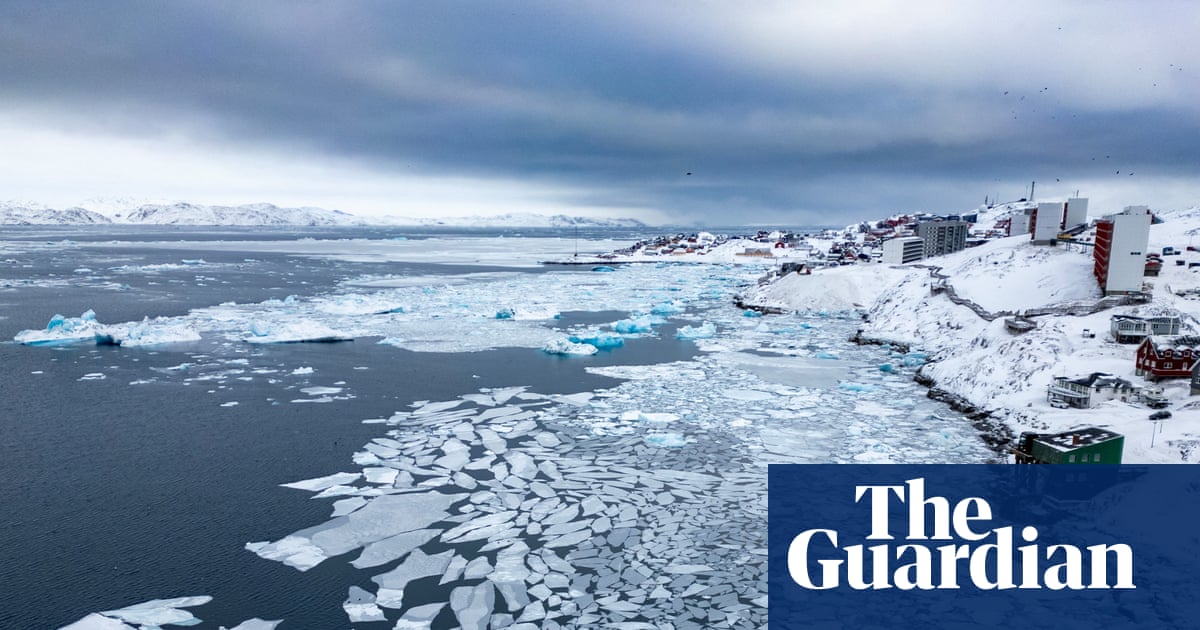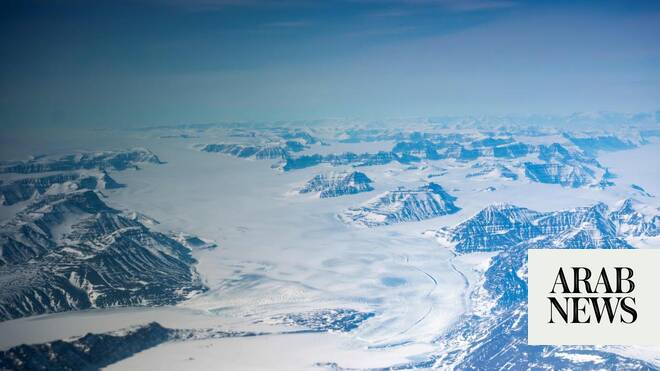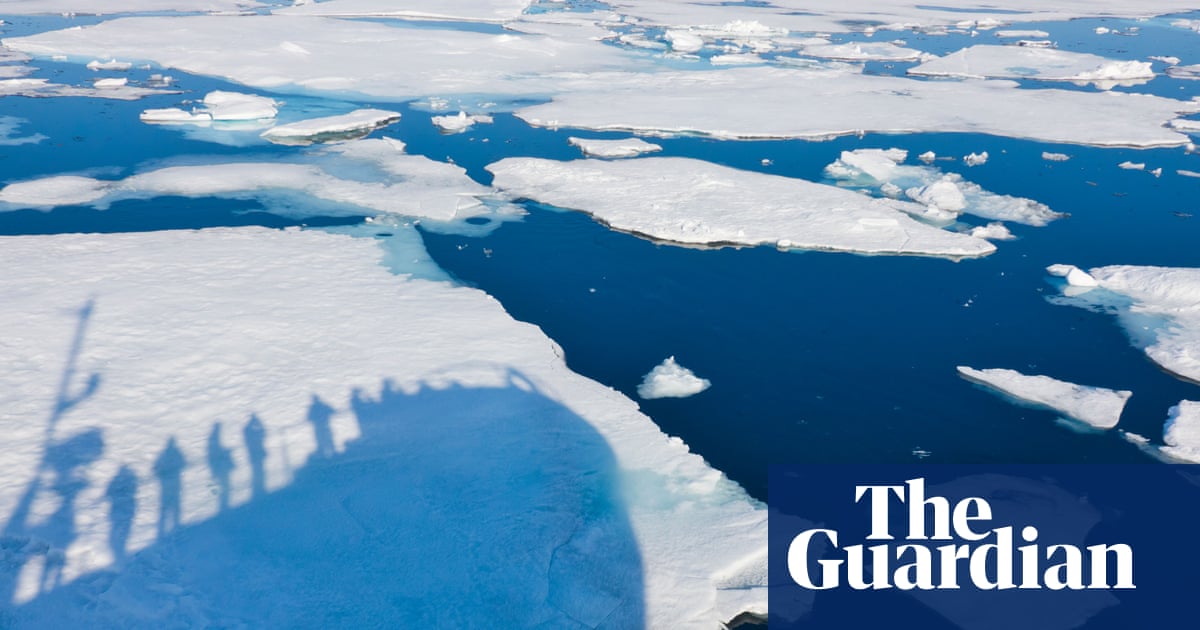
Picture the ocean slowly boiling. Not all at once, but in long, unrelenting stretches of heat that last days, months, sometimes well over a year. That’s what has been happening in the Arctic, where marine heat waves have been lasting longer, getting hotter, and occurring more often since the 1980s. According to a 2026 study, ‘Polar processes set Arctic marine heatwaves apart,’ published in Communications Earth & Environment by researchers at the Alfred Wegener Institute (AWI), the Arctic Ocean is now one of the most climate-stressed bodies of water on the planet, and science is still catching up.According to the researchers, the Arctic is warming faster than any other region on Earth, and Arctic marine heat waves have increased markedly in duration, intensity, and frequency since the 1980s. During these events, sea surface temperatures can be as much as 4°C (about 7°F) above the seasonal average. This number sounds small until you consider how sensitive polar ecosystems are to small temperature ranges. The same study also found that even a fractional increase in Arctic water temperatures can trigger cascading effects across the entire polar ecosystem and potentially on the global climate system.A heat wave that lasted more than 480 daysMost people think of a heat wave as a short, brutal blast. The Arctic begs to differ. The longest marine heat wave ever recorded in the Arctic struck the Barents Sea in 2016, lasting more than 480 days, with surface and seabed temperatures running about 1°C (1.8°F) above average throughout, according to the study.The marginal seas of the Arctic, including the Barents Sea and others along its edges, are consistently the biggest hotspots. According to the same research, intensity trends in these regions exceed +0.5°C per decade over Arctic shelves, and frequency increases in Arctic marginal seas are rising at roughly twice the global rate. Estimates for all Arctic sectors range from one to three marine heat wave events per year. These events usually last from 10 to 40 days depending on the region, but the record-breaking 2016 event was well outside that range.The Barents Sea: ground zero for record-breaking heat waves. Image Credits: Wikimedia CommonsWhy the Arctic behaves differentlyAccording to the AWI study, two linked forces are driving the increase: overall ocean warming and the rapid decline in sea ice. Sea ice usually serves as a heat shield, reflecting sunlight and restricting the amount of solar energy the ocean can take in. When it disappears in summer, the dark surface of the ocean takes over, absorbing heat much more efficiently. This is ice-albedo feedback, and it compounds itself: less ice means more warming, which melts more ice, which causes more warming.According to the same research, during heat waves in 2007 and 2020, the Arctic Ocean absorbed nearly twice the usual amount of solar energy in summer; the sea ice cover was extremely low.Melting sea ice creates another problem. According to the study, melting ice releases freshwater, which forms a thin layer on top of denser saltwater. This layer heats up so much more easily than water deeper down. Model simulations suggest this effect extends and amplifies surface marine heat waves by about 20% on average.Heat rising from the deep, and clouds that work backwardThe Arctic is unusual in another way: in most oceans, the warmest water is at the surface. In the Arctic, warm Atlantic water circulates in deeper layers between 50 and 500 meters (roughly 165 to 1,640 feet) below the surface. Autumn and winter storms can kick this up, bringing that stored heat to the surface. According to the researchers, this mixing contributes to approximately one in five marine heat waves at the Arctic surface.Arctic waters are warming faster than anywhere else on Earth. Image Credits: PexelsAnd then there’s the cloud cover. In most oceans, as temperatures rise, there is less low cloud cover, allowing more sunlight and intensifying heat waves. The reverse is true in the Arctic: warmer temperatures and more ice-free ocean lead to more evaporation and more cloud cover. While additional cloud cover can shield the surface from solar radiation, this cooling effect is counterbalanced by two factors: the ice-free ocean surface absorbs increased heat, and clouds also radiate heat back down to the surface. It is an open scientific question, say the researchers, which of these factors, more sunlight or more clouds, is the main driver of Arctic marine heat waves.What this means for the USThe Arctic seems a faraway place, but its instability sends ripples outward. A 2024 study titled ‘Arctic marine heatwaves forced by greenhouse gases and triggered by abrupt sea-ice melt,’ published in Communications Earth and Environment by Barkhordarian et al. , found that abrupt sea-ice retreat is the primary driver of Arctic marine heat waves and that the 2020 event, which lasted 103 days and saw peak temperatures 4°C above the long-term average, would have been highly unlikely without human-caused greenhouse gas emissions. According to that research, if emissions continue rising, moderate Arctic marine heat waves will very likely become a persistent annual norm.According to a broader global review, ‘A global overview of marine heatwaves in a changing climate’ in Communications Earth & Environment, marine heatwaves around the globe are disrupting ecosystems across vast ocean areas, and a comprehensive understanding of their three-dimensional behavior, especially in polar regions, remains lacking. That knowledge gap is increasingly important for U.S. coastal cities, fisheries, and weather patterns, which are influenced by what happens in the Arctic.
Scientists just found Arctic marine heat waves have surged since the 1980s, and a Barents Sea event lasted 480 days because melting sea ice and warming waters are rewriting the region’s climate clock
Discover how marine heat waves in the Arctic have surged since the 1980s, with events lasting over a year due to melting ice and warming temperatures, disrupting ecosystems and impacting global climate systems.
903 words~4 min read