Natural climate variation is most likely reason as global heating due to fossil fuel burning has continued
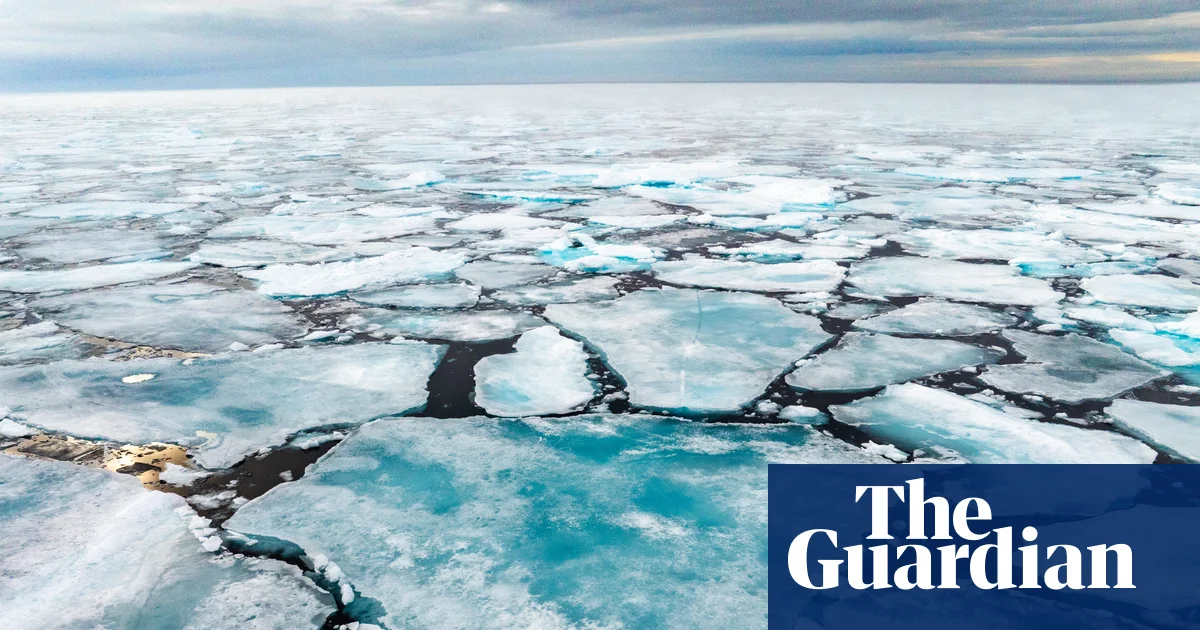
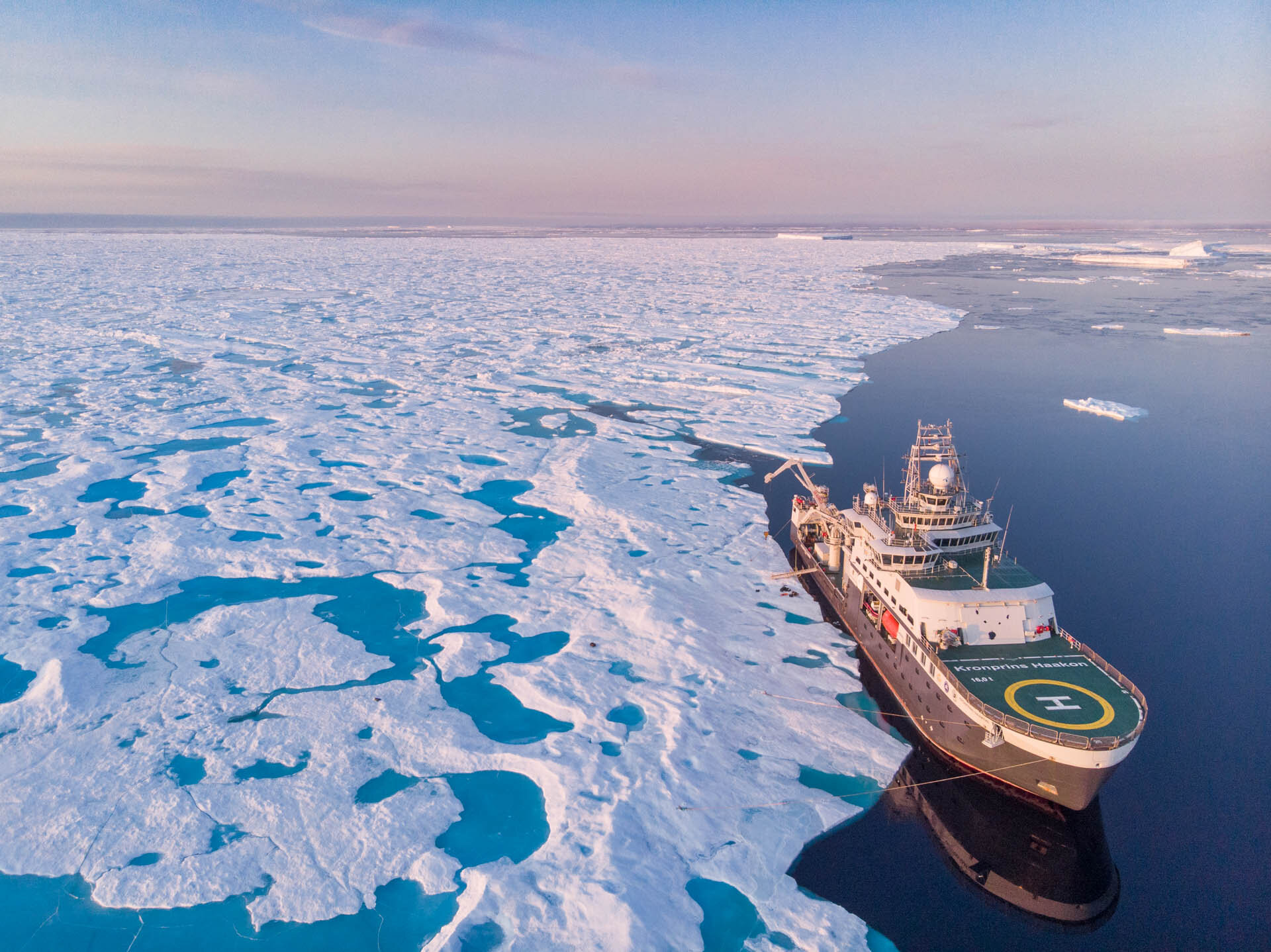
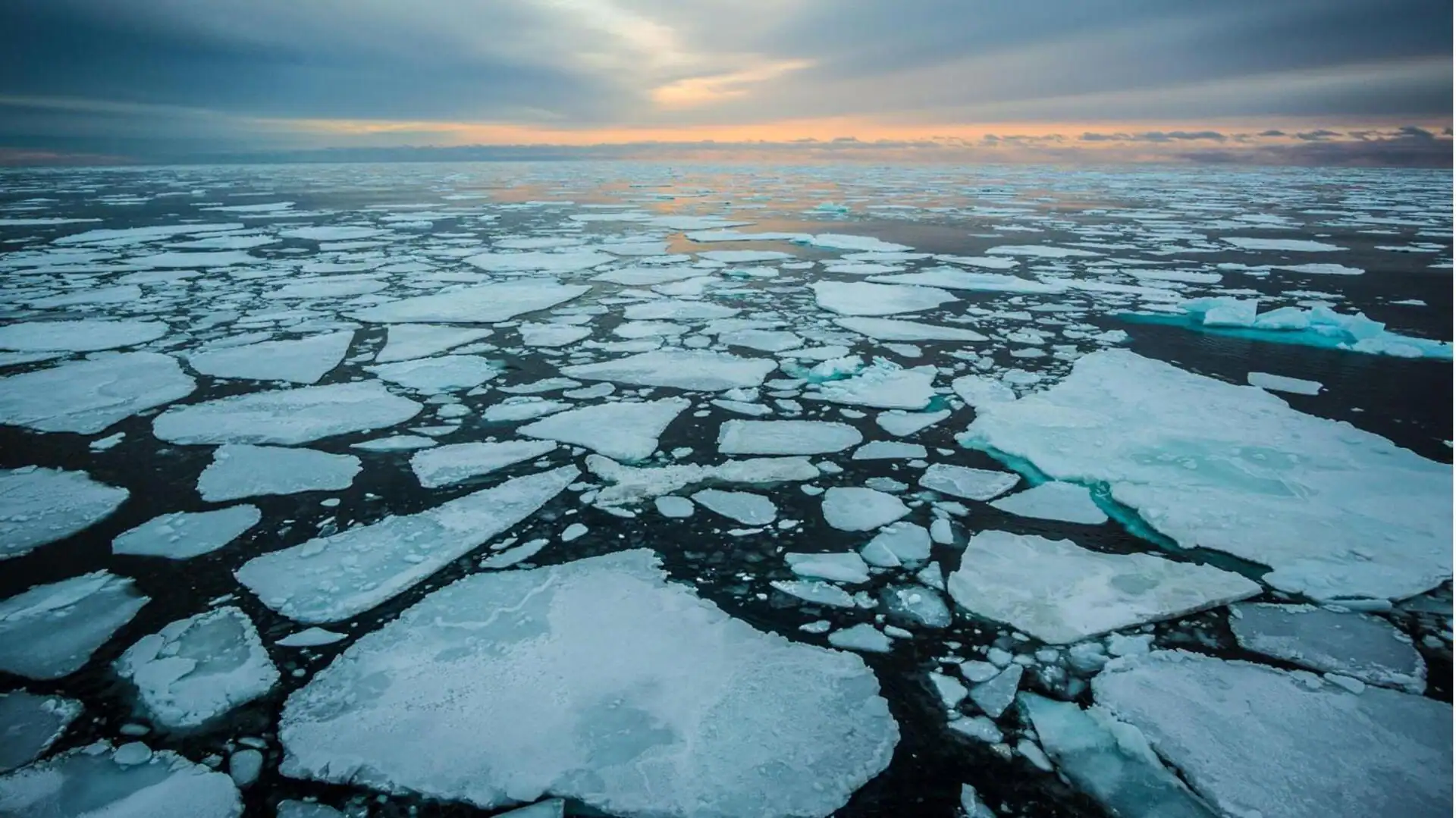
The melting of sea ice in the Arctic has slowed dramatically in the past 20 years, scientists have reported, with no statistically significant decline in its extent since 2005.
The finding is surprising, the researchers say, given that carbon emissions from fossil fuel burning have continued to rise and trap ever more heat over that time.
They said natural variations in ocean currents that limit ice melting had probably balanced out the continuing rise in global temperatures. However, they said this was only a temporary reprieve and melting was highly likely to start again at about double the long-term rate at some point in the next five to 10 years.
The findings do not mean Arctic sea ice is rebounding. Sea ice area in September, when it reaches its annual minimum, has halved since 1979, when satellite measurements began. The climate crisis remains “unequivocally real”, the scientists said, and the need for urgent action to avoid the worst impacts remains unchanged.