Region known as ‘world’s refrigerator’ is heating up as much as four times as quickly as global average, Noaa experts say
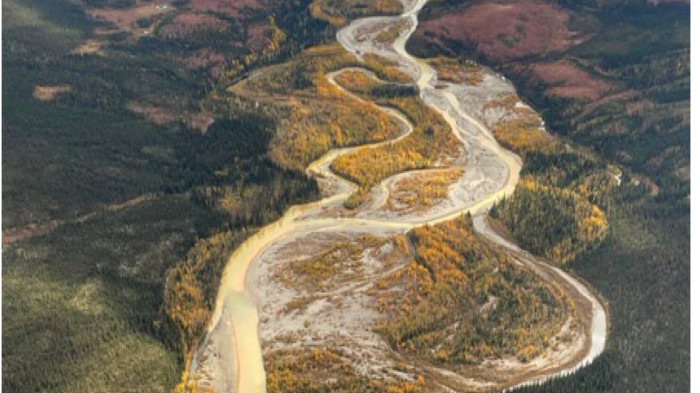
The Arctic endured a year of record heat and shrunken sea ice as the world’s northern latitudes continue a rapid shift to becoming rainier and less ice-bound due to the climate crisis, scientists have reported.
From October 2024 to September 2025, temperatures across the entire Arctic region were the hottest in 125 years of modern record keeping, the US National Oceanic and Atmospheric Administration (Noaa) said, with the last 10 years being the 10 warmest on record in the Arctic.
The Arctic is heating up as much as four times as quickly as the global average, due to the burning of fossil fuels, and this extra heat is warping the world’s refrigerator – a region that acts as a key climate regulator for the rest of the planet.
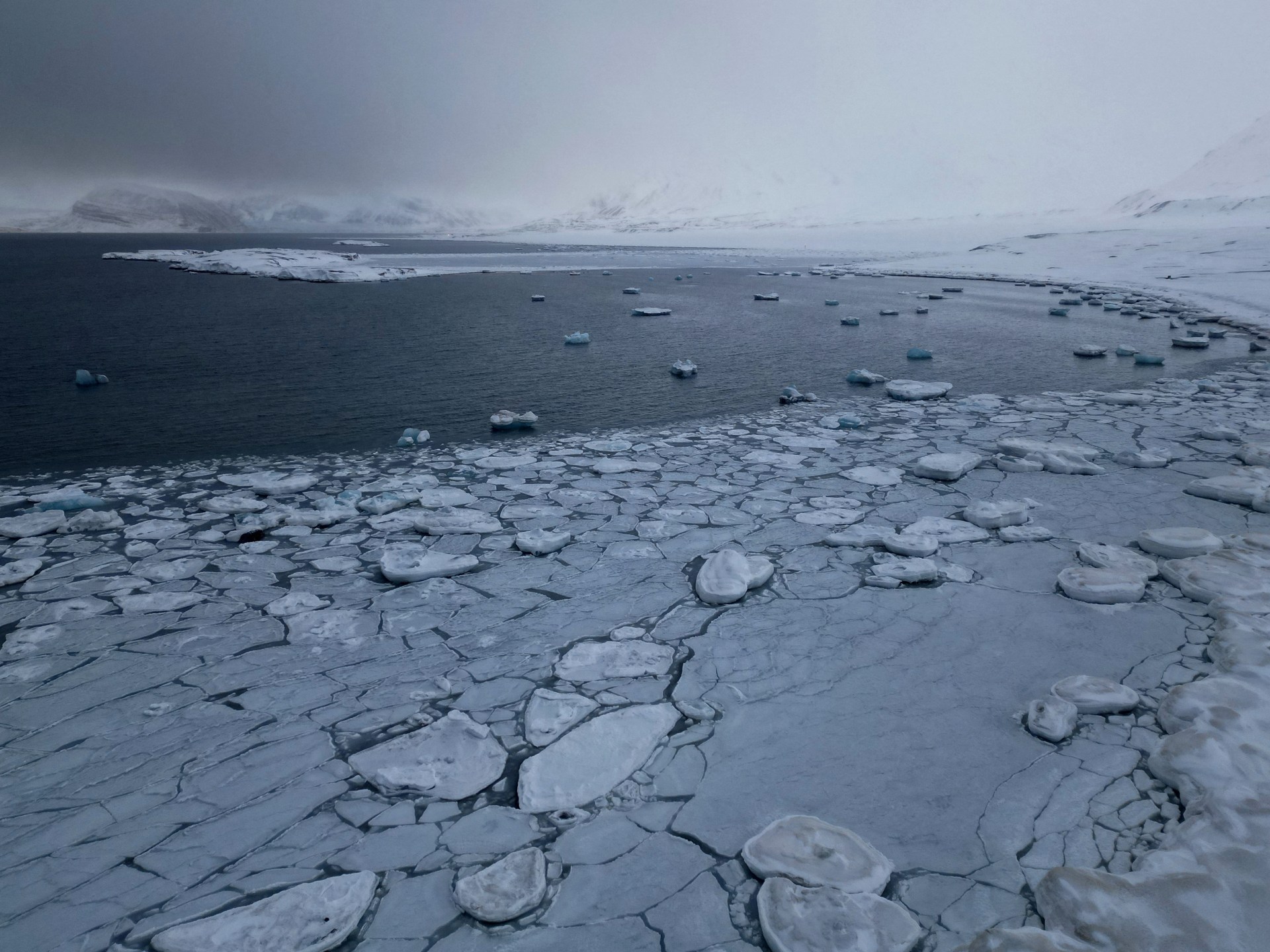
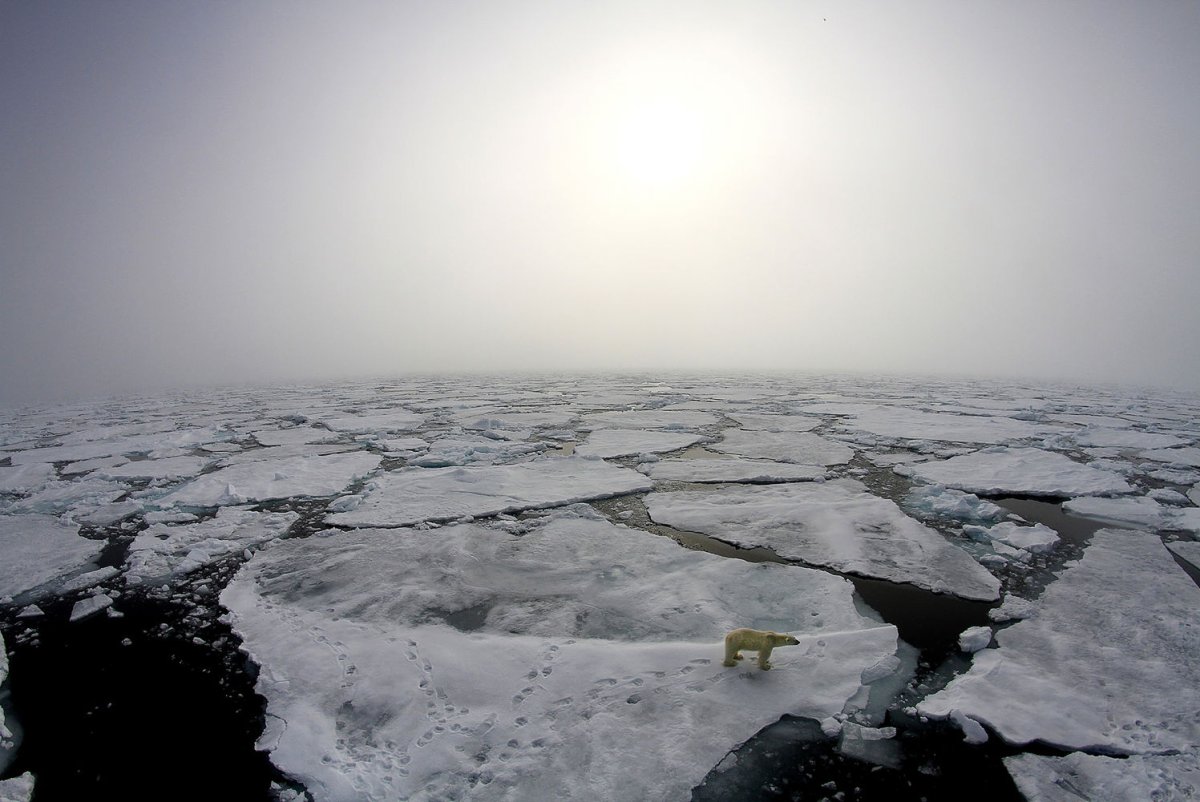
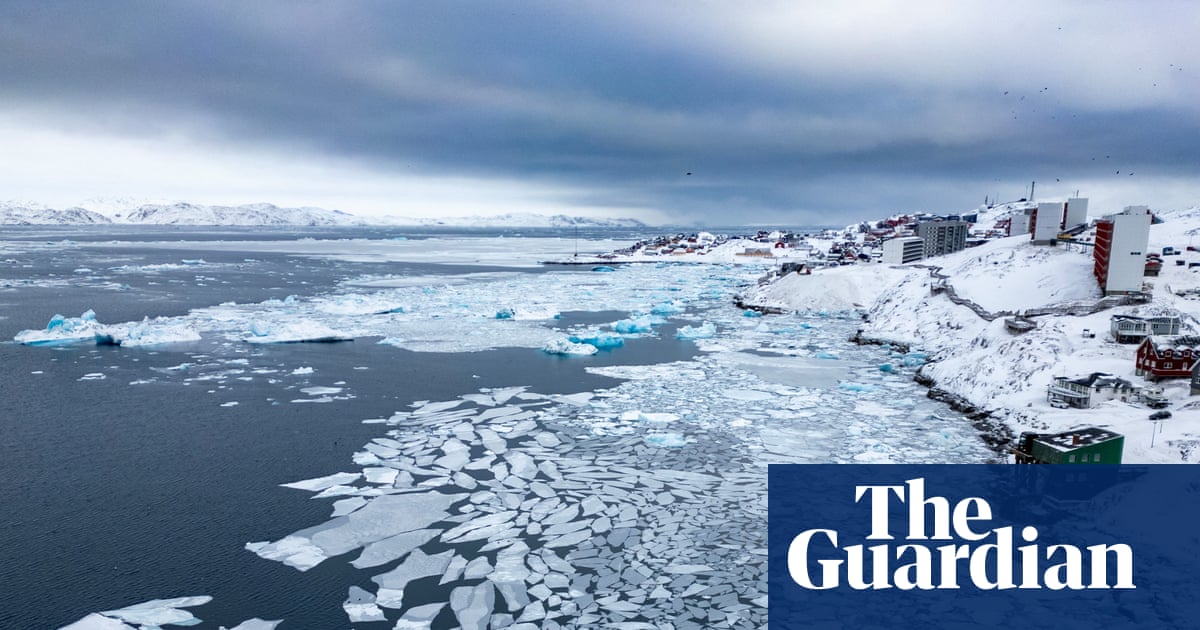
The maximum extent of sea ice in 2025 was the lowest in the 47-year satellite record, Noaa reported on in its annual Arctic report card. This is the latest landmark in a longer trend, with the region’s oldest, thickest ice declining by more than 95% since the 1980s as the Arctic becomes hotter and rainier.