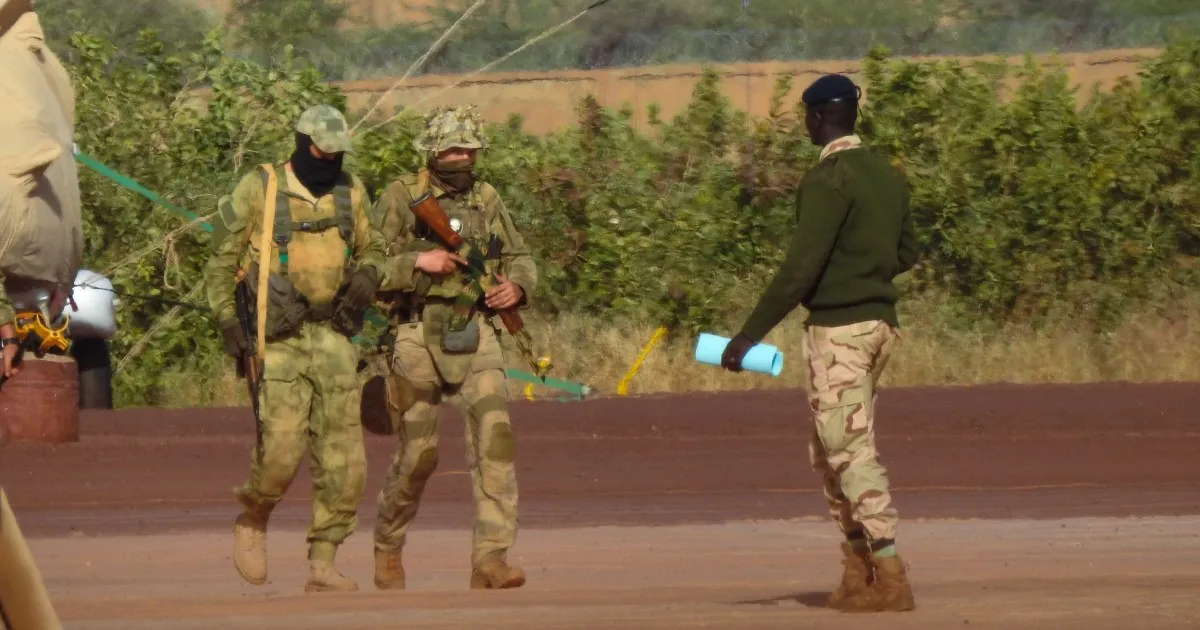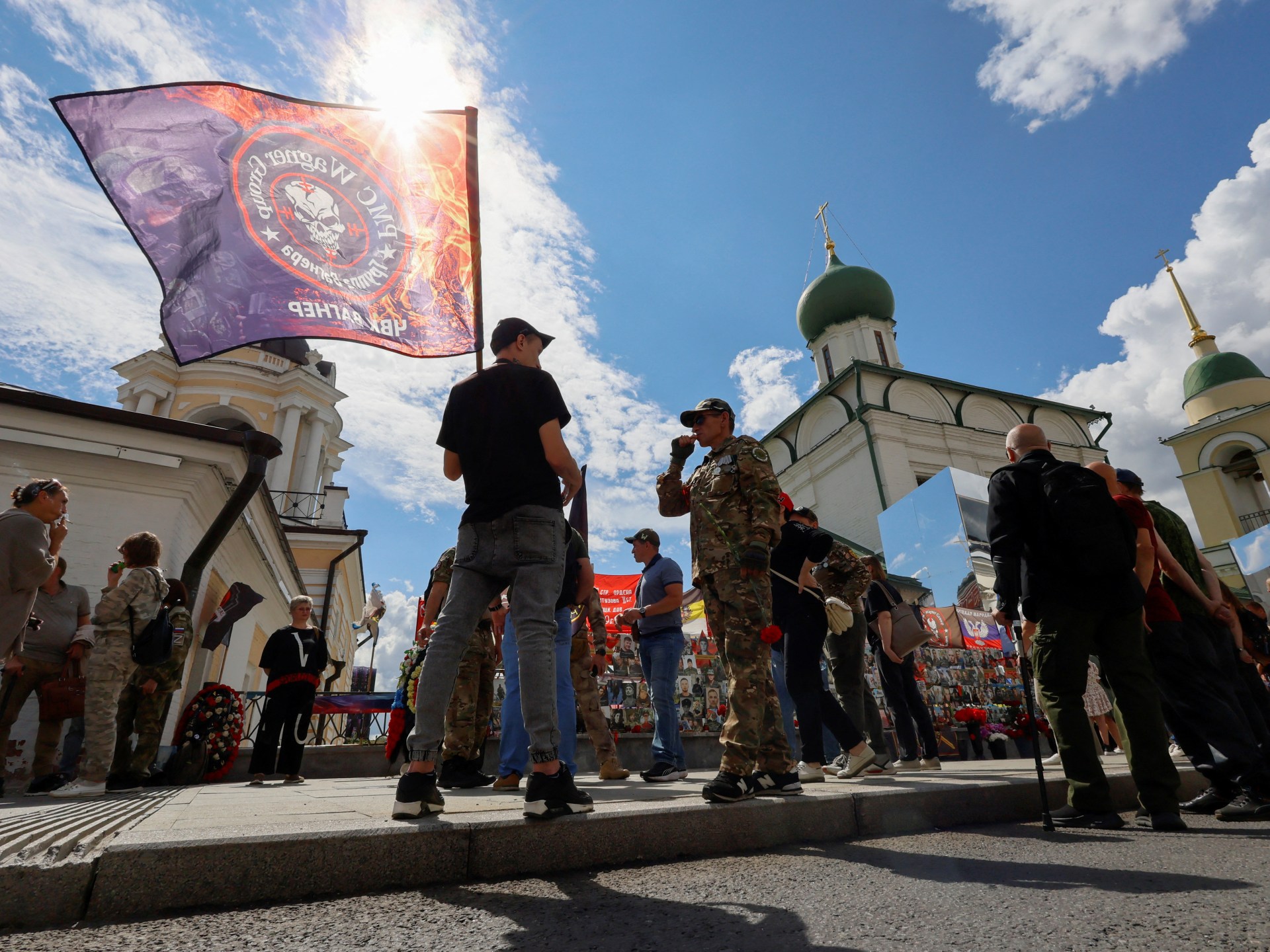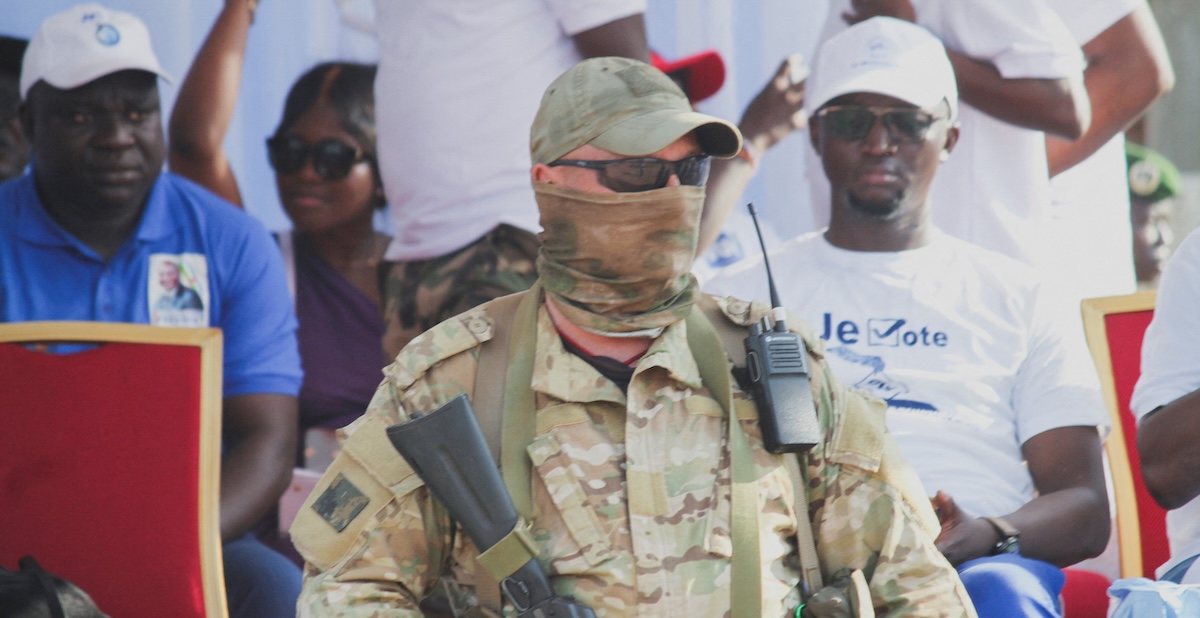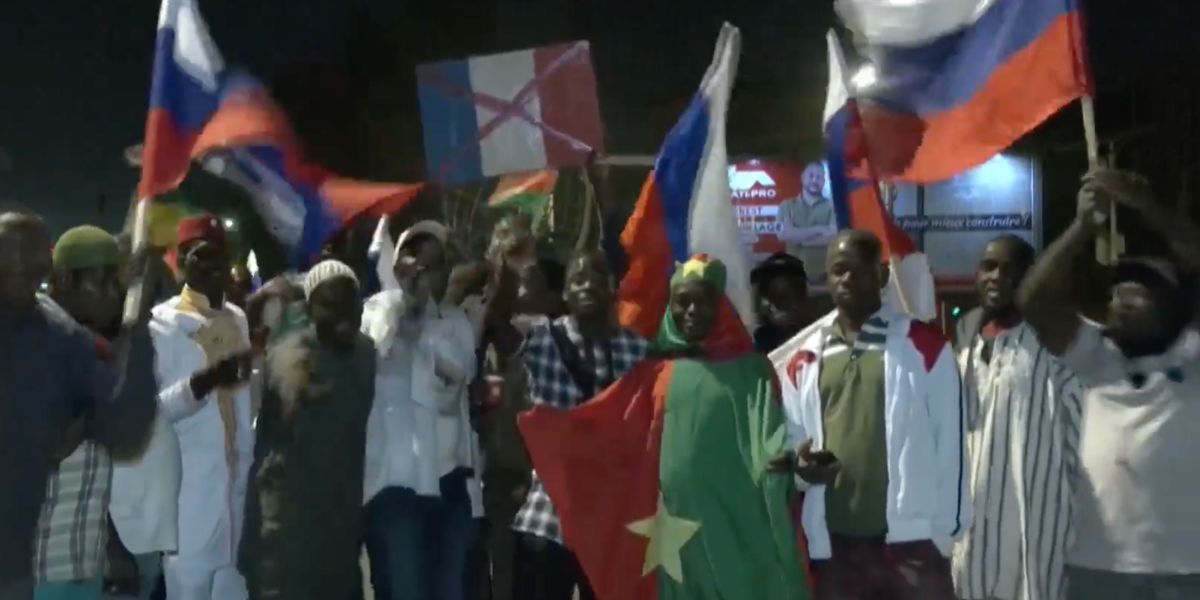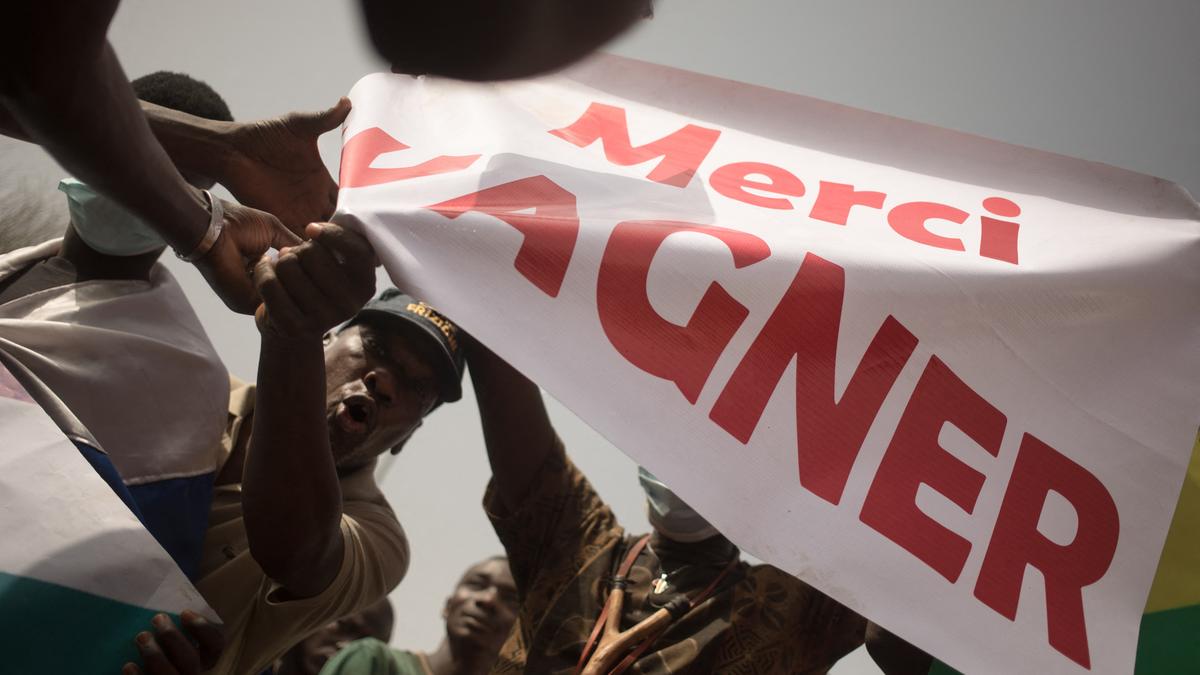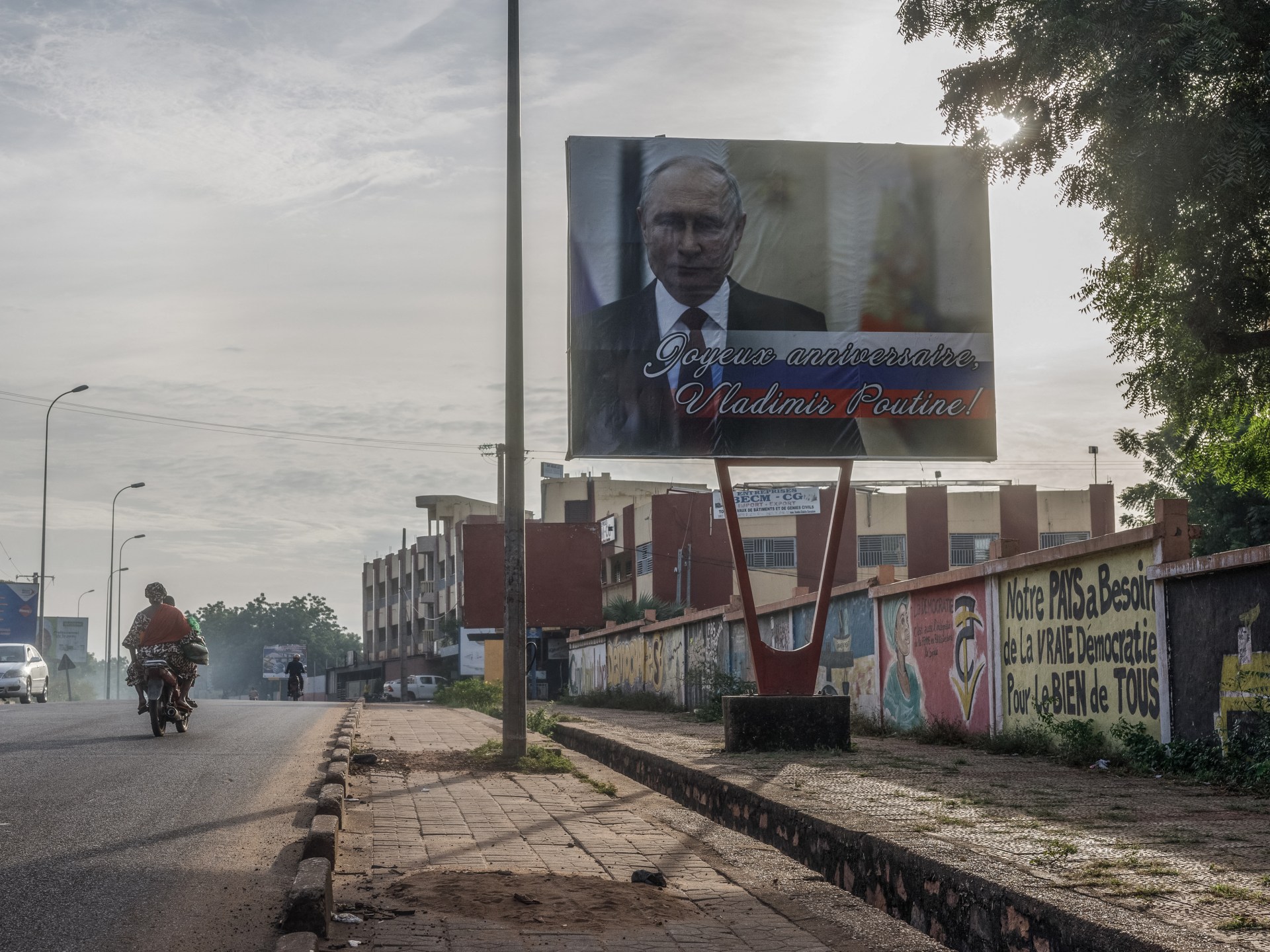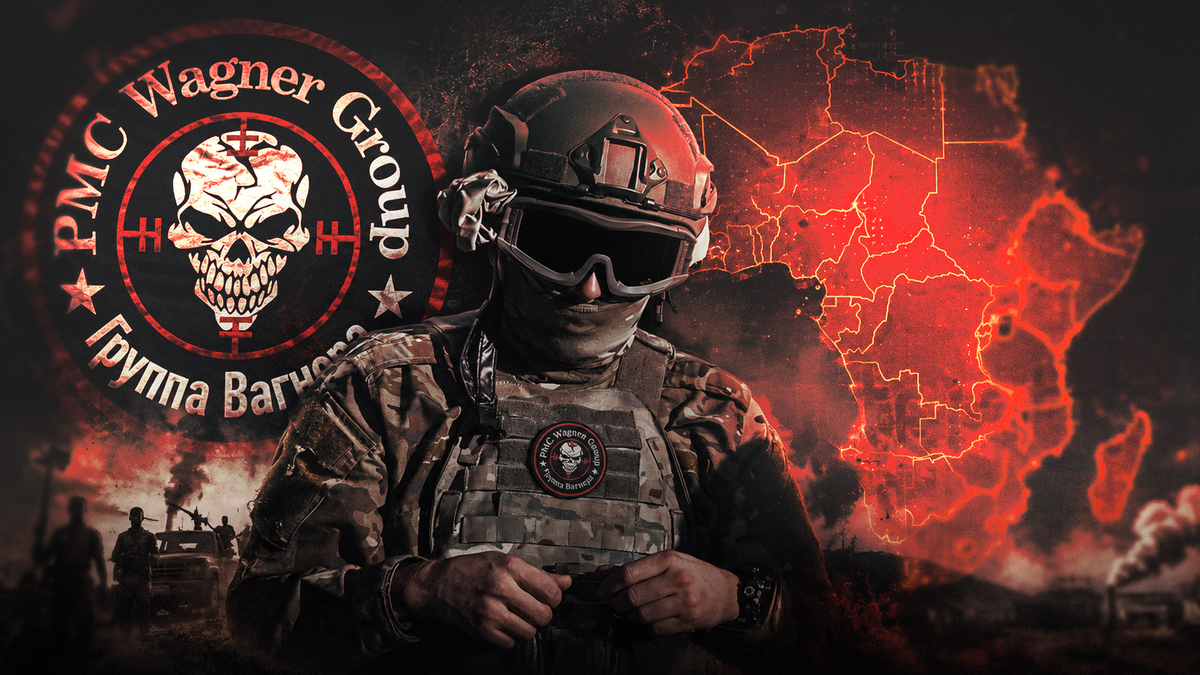
Three years after the failed mutiny that led to the collapse of the Wagner Group, Moscow has largely maintained its foothold across the continent by replacing the mercenary network with the Russian Defense Ministry-backed Africa Corps and expanding its influence operations, according to a senior Ukrainian intelligence official. In an exclusive interview with Kyiv Post, Andrii Cherniak, a representative of Ukraine’s Main Intelligence Directorate (HUR), said Moscow continues to view Africa as a source of political leverage, strategic resources, sanctions-evasion opportunities and recruits for its war effort.JOIN US ON TELEGRAMFollow our coverage of the war on the @Kyivpost_official. Kyiv Post: What changes has Russia’s influence in Africa undergone over the past three years? Andrii Cherniak: The African area of foreign policy is of significant interest to Russia. The criminal activities in Africa of the so-called Wagner PMC before its collapse following catastrophic losses in the war against Ukraine and the failed mutiny in Russia are a well-known fact. However, this does not mean that the Kremlin’s role was somehow minimal, Wagner operatives operated in Africa with the blessing of the Russian state and served Moscow’s criminal interests there. The Wagner Group may have enjoyed a certain degree of autonomy, largely because of Prigozhin’s personal relationship with the Russian dictator, who was famously known as “Putin’s chef.” However, this so-called private army primarily carried out tasks assigned by Russian state structures, first and foremost by the special services.
Russia Hasn’t Lost Africa After Wagner, Ukrainian Intel Says
Three years after the collapse of the Wagner Group, Russia continues to expand its influence across Africa through military deployments, resource extraction and large-scale disinformation campaigns.
952 words~4 min read