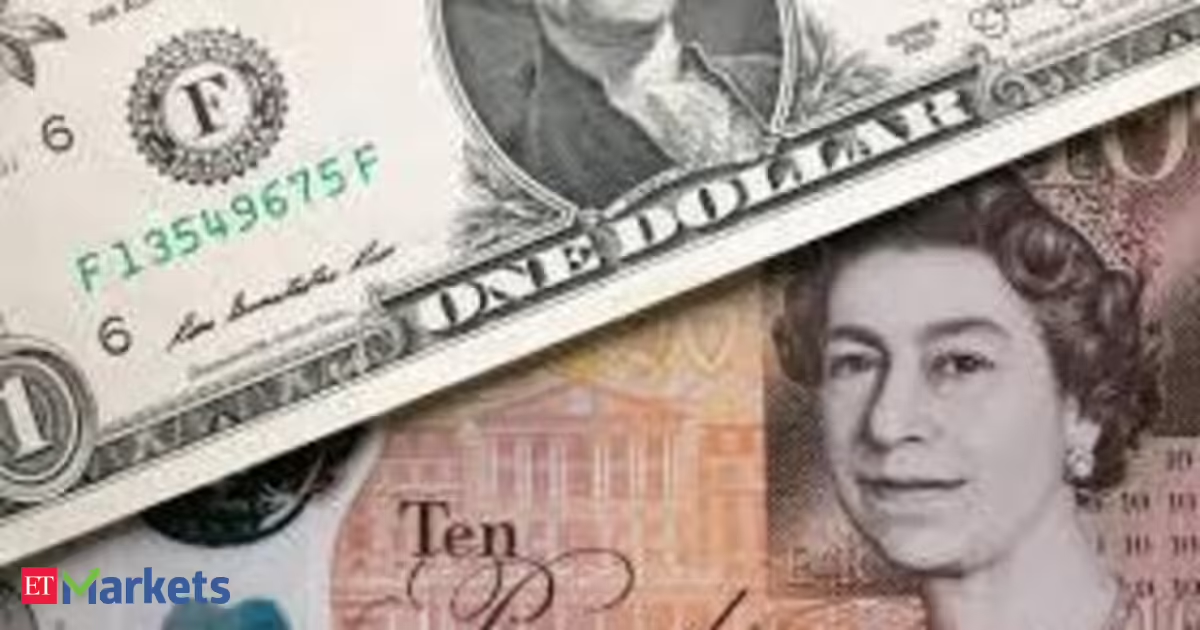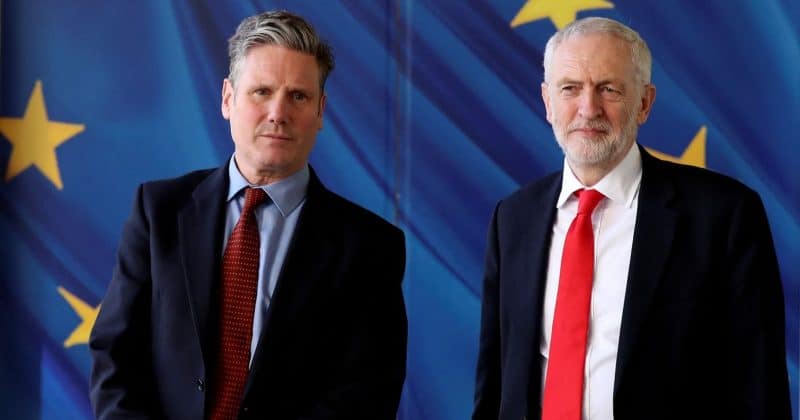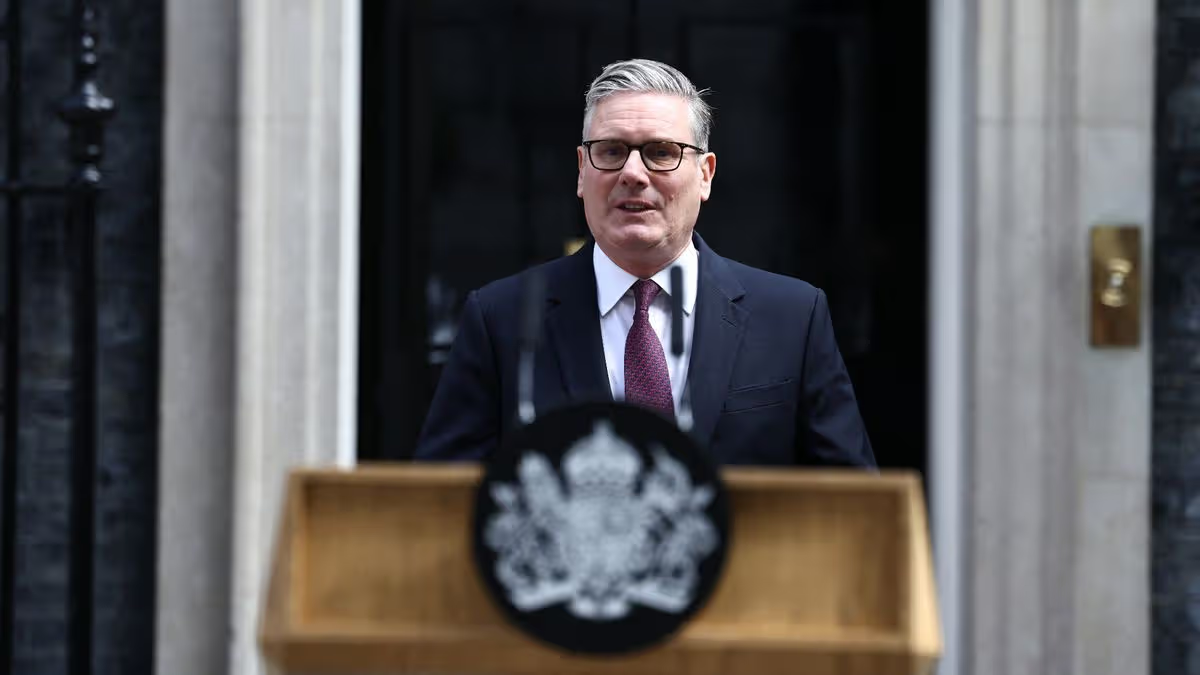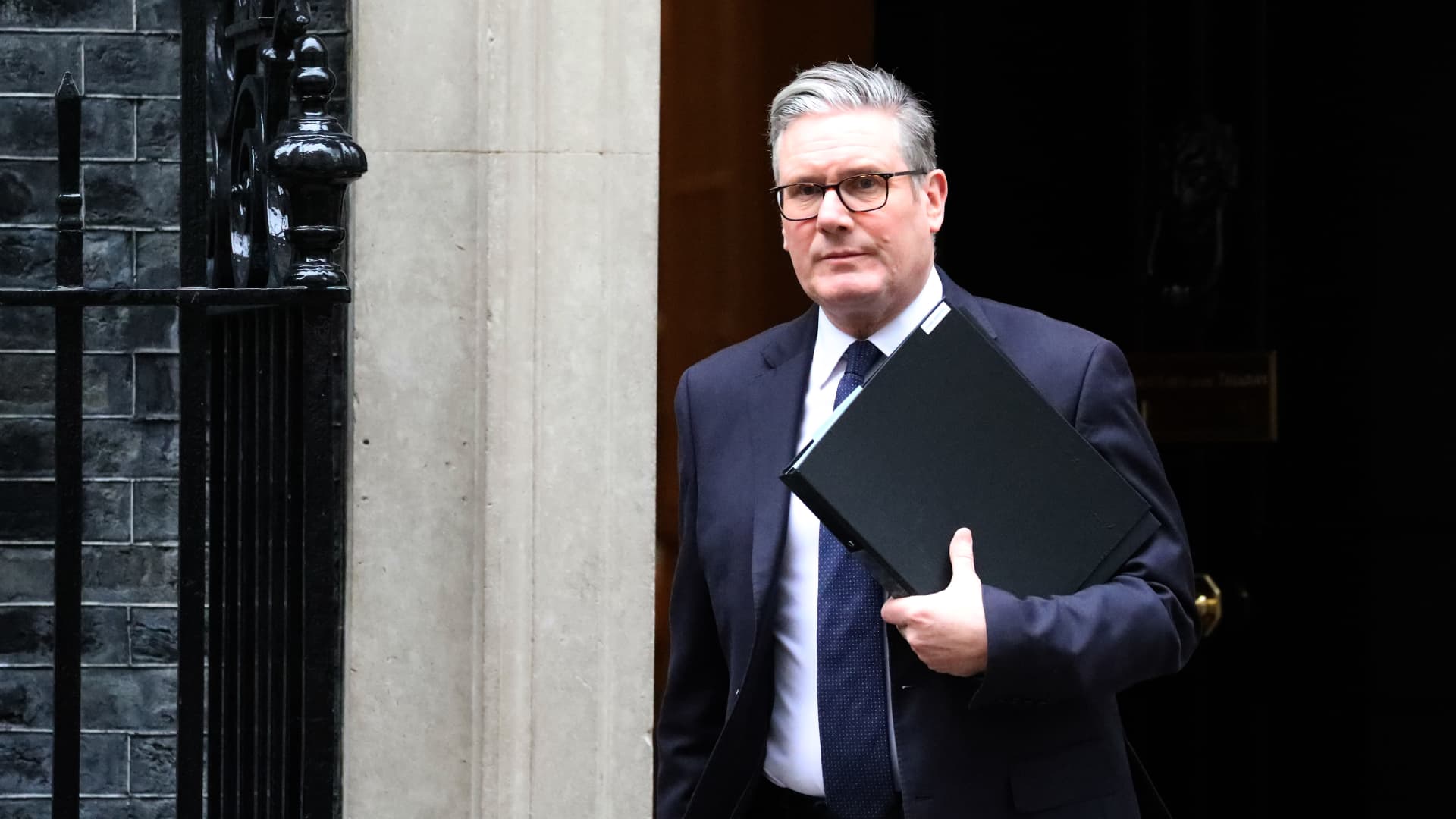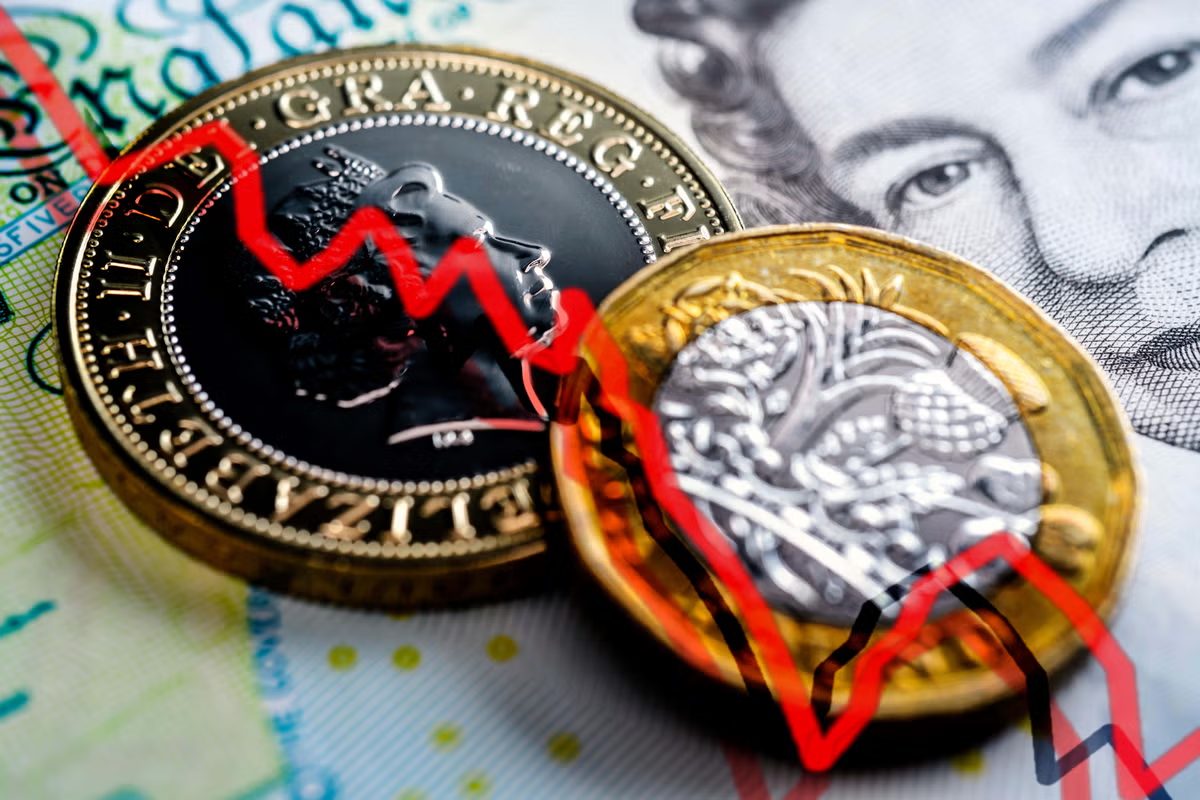
Keir Starmer resigned as UK Prime Minister on June 22, 2026, and the financial world responded with what can only be described as a collective shrug. The 10-year gilt yield closed at 4.85%, up just 1 basis point. Sterling held at roughly $1.319. For a sitting PM walking away from Downing Street, that’s about as calm a market reaction as you’ll ever see.
The muted response tells its own story. Markets had already done their panicking earlier in the year, when gilt yields spiked above 5% in May amid escalating political uncertainty and disappointing local election results for Labour. By the time Starmer actually made the announcement, investors had already priced in the transition.
Why gilts are the real headline
UK government bonds, known as gilts, are the financial system’s smoke detector for political risk in Britain. When Liz Truss’s mini-budget rattled markets in 2022, gilt yields surged violently. The fact that Starmer’s resignation barely registered on the same instrument says something important: this was an orderly departure, not a crisis.
Enter Andy Burnham