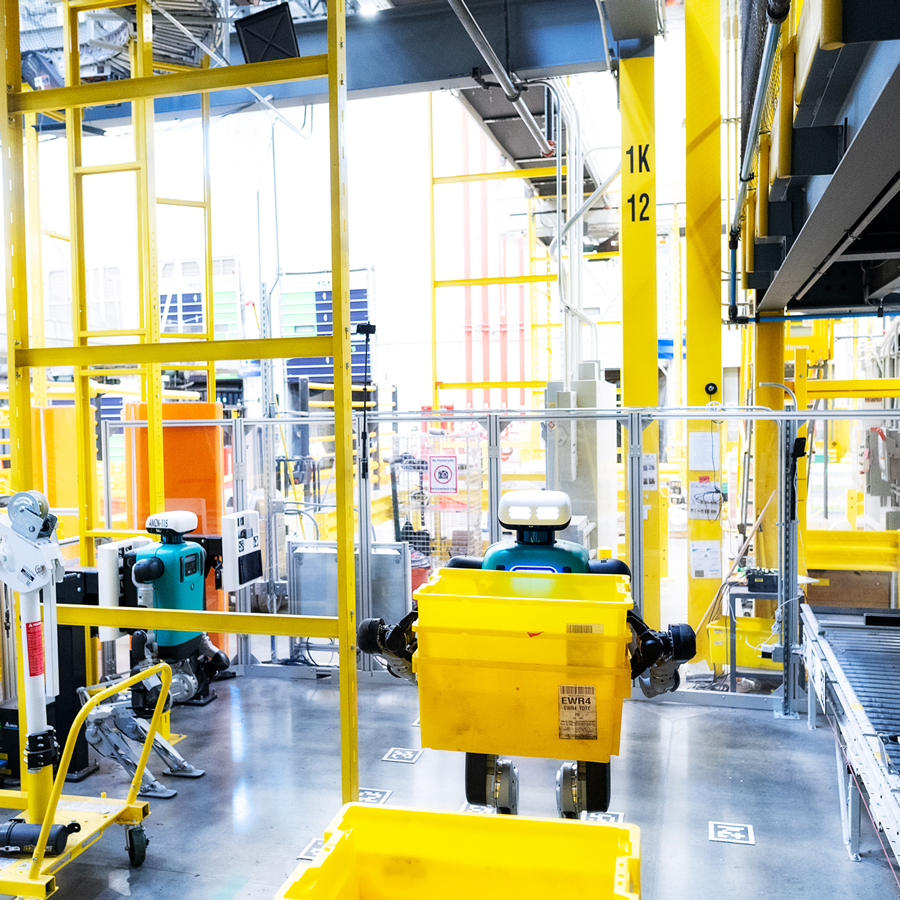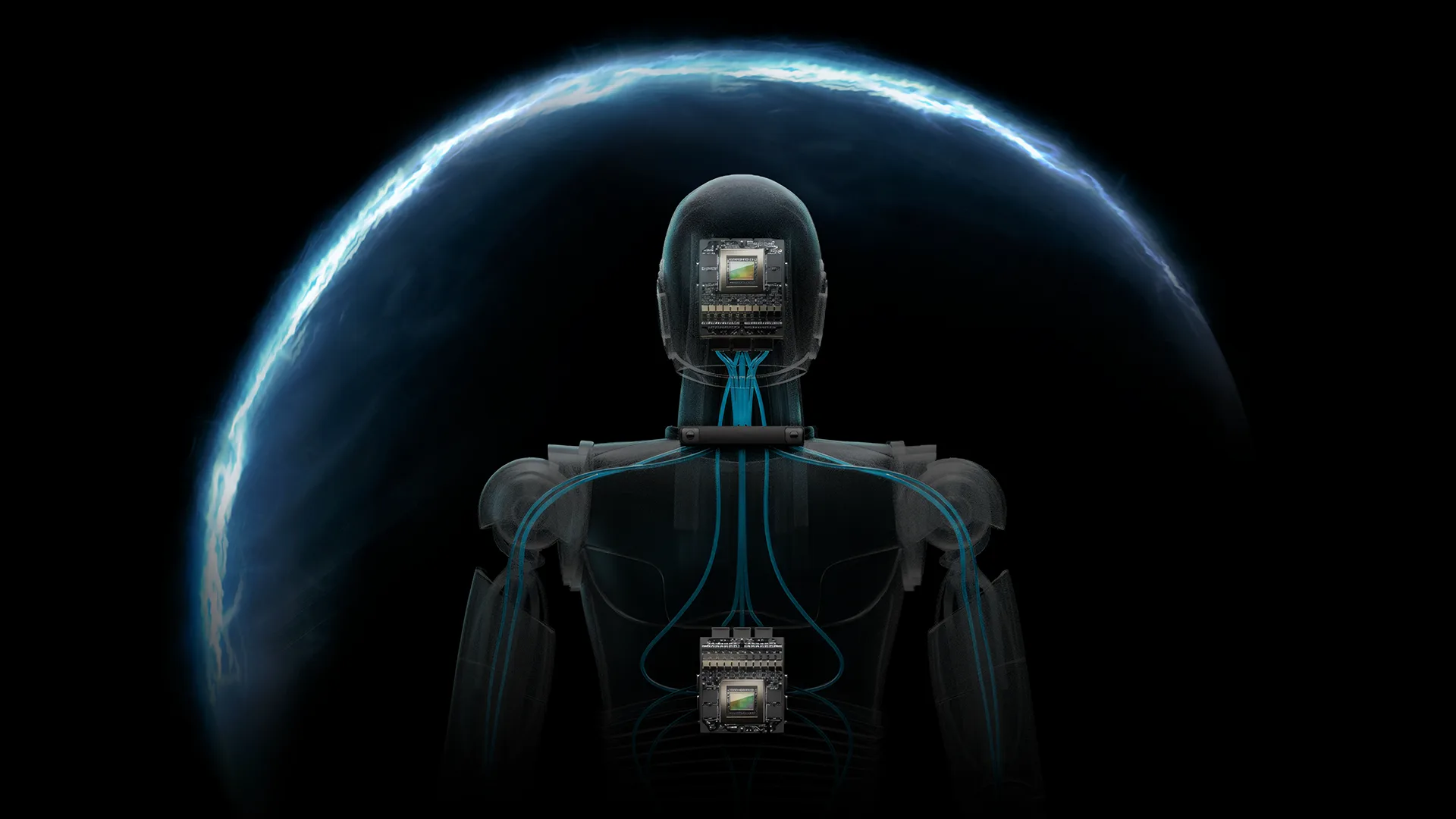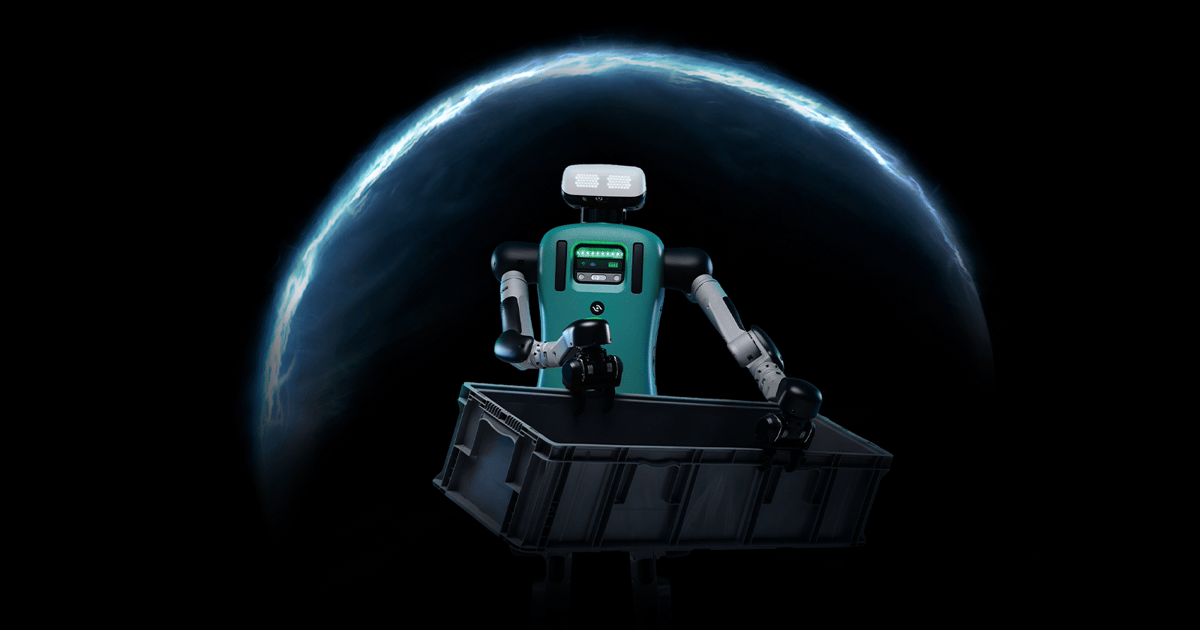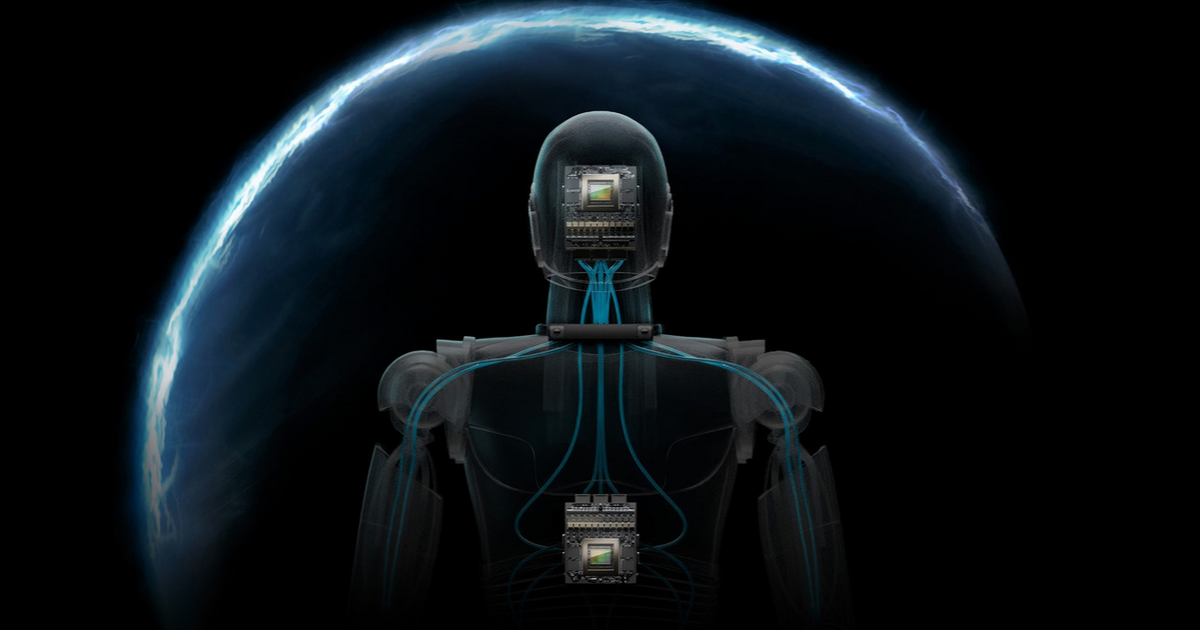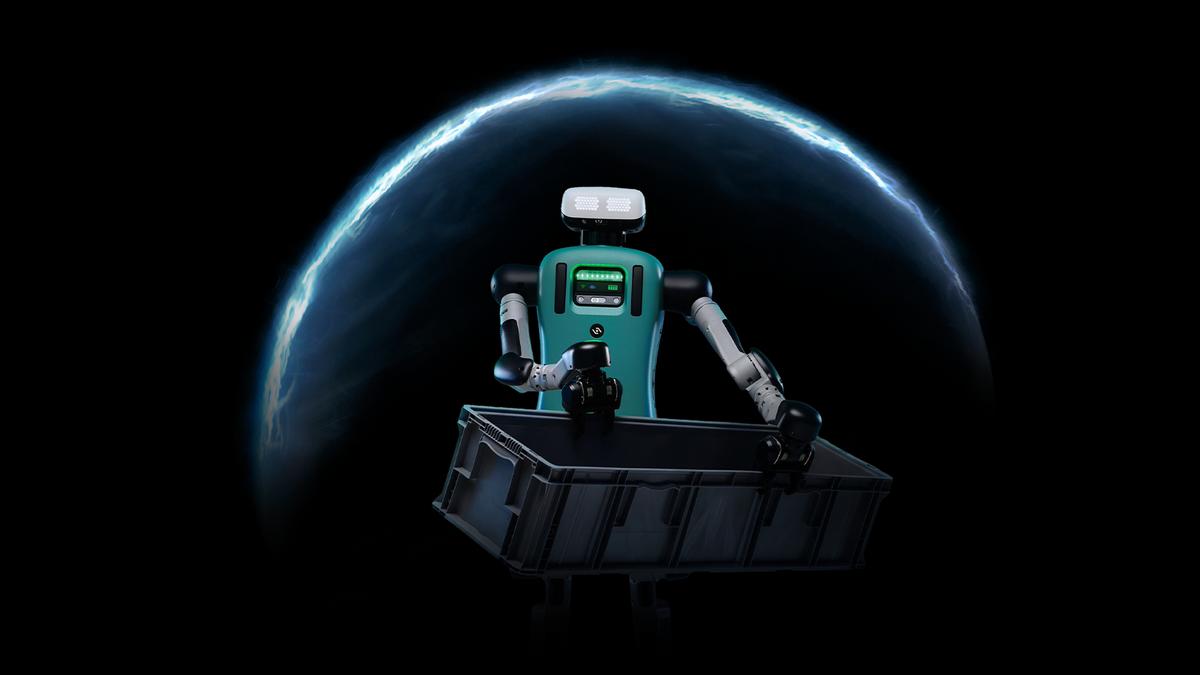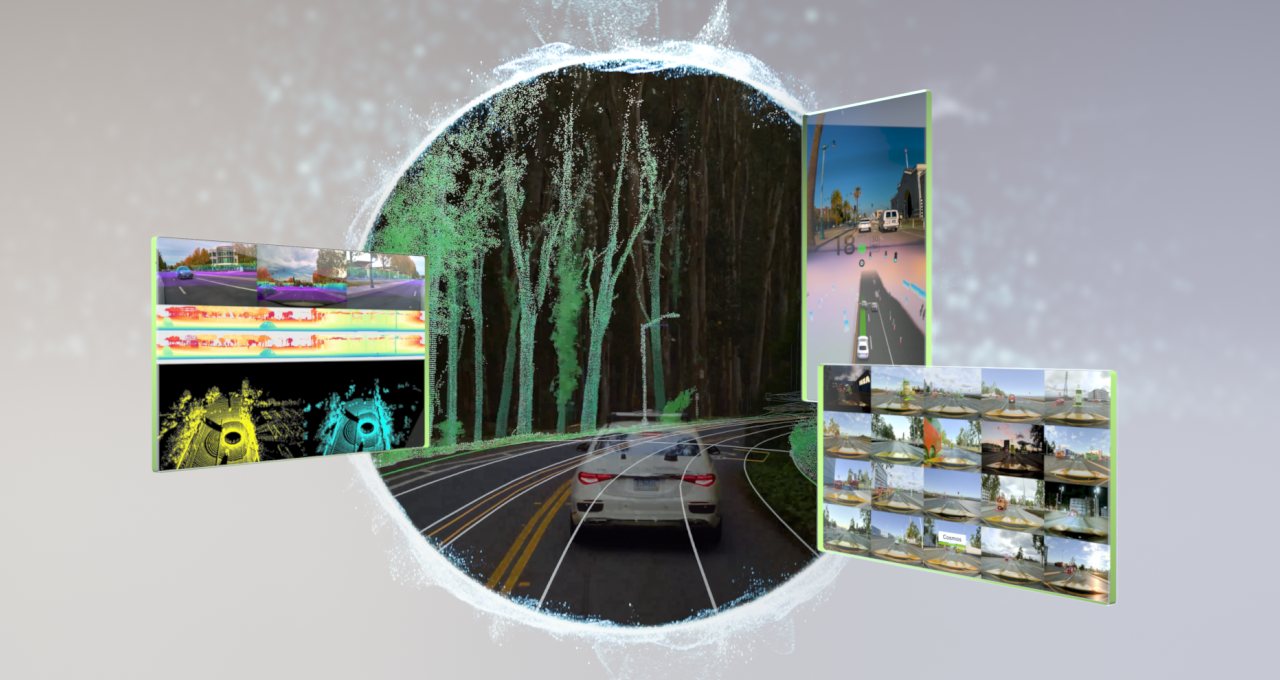
NVIDIA Halos OS brings embedded hardware safety directly to physical AI workloads across industrial deployments.Traditional hazard protocols designed around fixed cages fail when autonomous machines operate alongside human personnel. Agility Robotics currently deploys the Halos OS framework within its Digit humanoid series. Agility integrates the NVIDIA IGX Thor compute module for its safe human detection system. Engineers validate these deployments through the Halos AI Systems Inspection Lab to achieve industrial compliance.The Halos package directly ports autonomous vehicle validation structures into industrial applications. NVIDIA aggregated 18,000 engineering years and assessed 21 billion safety transistors to construct the foundational software.The architecture bypasses redundant engineering cycles by inheriting seven million lines of validated code originally written for passenger vehicles. The development processes and functional safety standards apply equally across both vehicular and industrial domains. TÜV SÜD and TÜV Rheinland executed independent audits to confirm hardware compliance across both sectors.NVIDIA guides functional safety definitions via its convenorship of the IEC 61508 standards committee. The firm simultaneously contributes directly to the ISO 25785-1 framework to establish global baseline requirements.IGX Thor hardware for physical AIThe IGX Thor compute module houses up to 2,070 FP4 TFLOPs of capacity. The hardware features 14 Neoverse ARM CPU cores and 128 GB of memory operating at 273 GB/s bandwidth.The module dedicates a Functional Safety Island to isolate hazard protocols from the primary processing cores. The isolated module maintains independent power delivery, clock speeds, and input/output routing channels.Over 22,000 distinct safety mechanisms scan the system-on-a-chip to detect hardware faults. Multiple engines execute operations simultaneously to enable architectural redundancy. Internal testing mechanisms scan logic circuits to provide latent fault coverage across the hardware.The Safety Extension Package controls the embedded hardware safety features. The package collects hardware errors and dispatches the data directly to the Safety MCU. The system operates via Halos Core Linux, managing data through an Edge Safety Link protocol. Enterprises demanding extreme partition security deploy a secondary QNX virtual machine via the NV Hypervisor. The QNX installation isolates safety applications from standard AI workloads.The Holoscan Sensor Bridge manages external inputs across encrypted MACsec connections. Facilities deploy this bridge to authenticate sensor streams directly from the network edge. ConnectX RDMA hardware guarantees low-latency video transmission to the primary GPUs. The domain-agnostic protocol accepts data from any connected sensor or actuator hardware.External perception network integrationWarehouse operators attempting automated trailer loading frequently encounter vehicle tracking failures. Forklifts relying entirely on onboard sensors misinterpret cargo boundaries as physical obstacles. Autonomous machinery halts operations entirely upon detecting these false positives. Facilities bypass these restrictions by routing external ceiling cameras through a sensor input processing pipeline. The NVIDIA Metropolis framework ingests these video feeds to plot object trajectories and velocity vectors. The pipeline maps coordinate data to discrete events, tracking machines crossing configured boundaries or registering proximity triggers between moving assets.The Safety Event Integrator fuses data from multiple camera angles to calculate confidence thresholds. The integrator discards delayed video feeds to ensure the network bases actions exclusively on current telemetry. Engineers write custom logic into the integrator to specify exact processing parameters. The Safety Decision Maker node coordinates vehicle behaviour based on these filtered feeds. The node operates exclusively on the Functional Safety Island.The node deactivates the forklift’s internal constraints when external cameras confirm zero human presence within the designated loading zone. The forklift accelerates to maximum operational capacity inside the trailer enclosure. A worker stepping over the defined tripwire triggers an immediate proximity alert. The event data propagates through the network to the decision node. The system instantly reinstates the forklift’s onboard safety parameters upon detecting the worker.A Safety AI Monitor audits the visual input continuously. The monitor scans the pipeline for connectivity drops and image anomalies. Steam, sudden lighting failures, or obscured lenses generate out-of-distribution alerts. The decision node forces the autonomous vehicle into a default hardware safety state upon receiving these alerts. The machine remains locked until optimal environmental conditions return. The network architecture guarantees safe physical operation even when facility conditions deviate from the original training datasets.Industrial deployment and certification strategiesThe NVIDIA AI Systems Inspection Lab holds ANAB accreditation to audit machine safety integrations. The program evaluates both autonomous vehicle and industrial hardware setups.Hardware partners submit their proprietary logic to NVIDIA engineers for evaluation. The inspection body evaluates these external applications against pre-assessed Halos software modules. Assessors issue detailed inspection reports confirming adherence to ISO 13849 specifications.Agility Robotics currently submits its ‘Digit’ software stack to the lab to verify cybersecurity protections. The inspection lab network contains 43 registered corporate members, with Ouster, Peer Robotics, and Boston Dynamics maintaining active participation.Operations directors initiating physical AI deployments bypass manual configuration sequences by accessing the NVIDIA code repositories directly. Development teams execute specific agent skills to generate outside-in safety frameworks automatically. These automated commands download required software containers and configure the Metropolis visual pipeline simultaneously.Facilities can accelerate their autonomous hardware deployment by focusing engineering resources strictly on proprietary operational logic rather than baseline platform compliance.See also: Matter 1.6 standardises ‘Joint Fabric’ network administrationWant to learn more about the IoT from industry leaders? Check out IoT Tech Expo taking place in Amsterdam, California, and London. The comprehensive event is part of TechEx and is co-located with other leading technology events including AI & Big Data Expo and the Cyber Security Expo. Click here for more information.IoT News is powered by TechForge Media. Explore other upcoming enterprise technology events and webinars here.
NVIDIA Halos OS upgrades the safety of physical AI workloads
NVIDIA Halos OS brings embedded hardware safety directly to physical AI workloads across industrial deployments.
895 words~4 min read