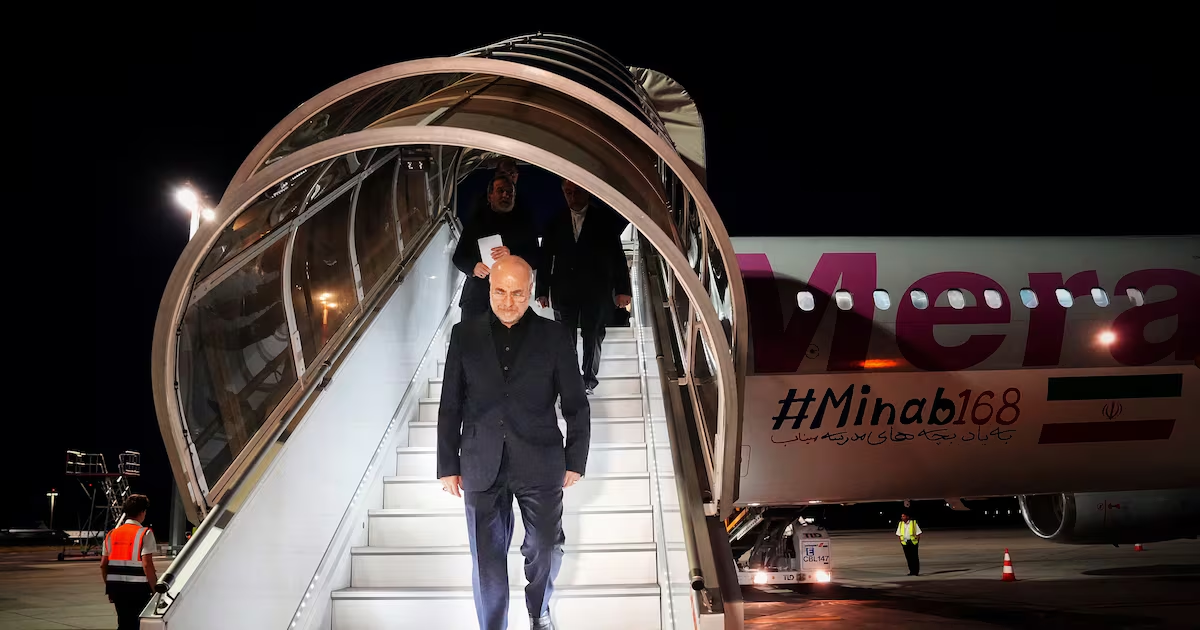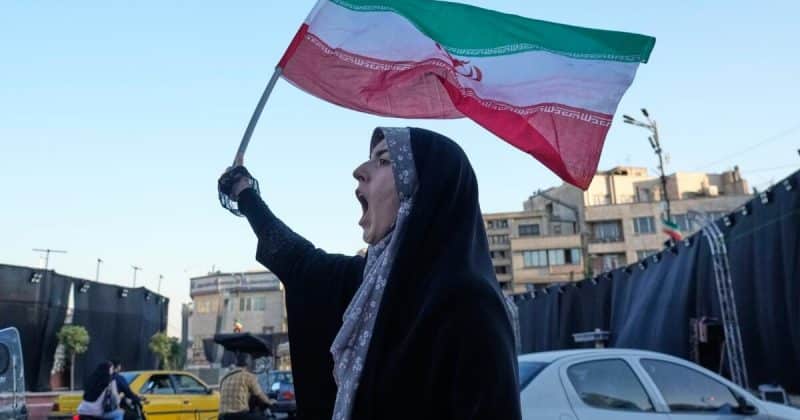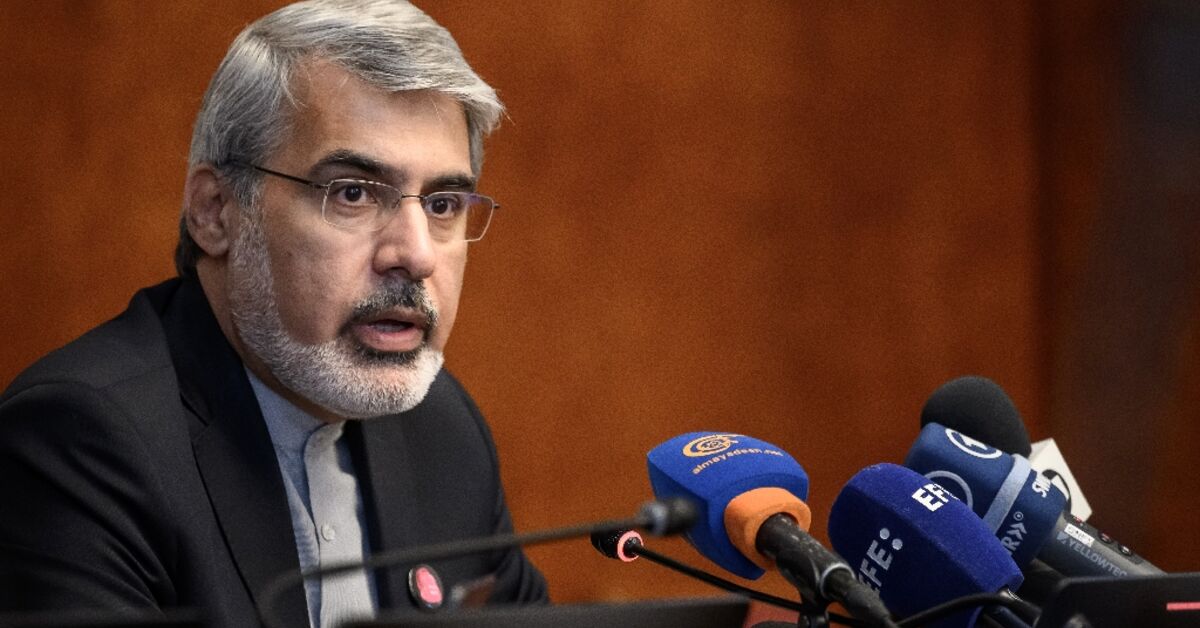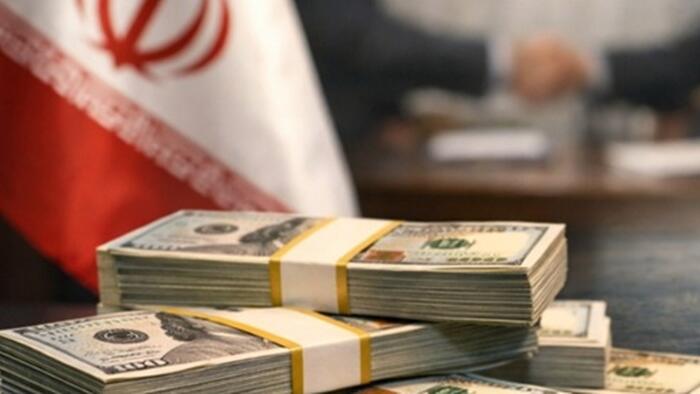
Among the biggest latest developments in the immediate wake of the Switzerland meeting is that Iranian Parliament Speaker Mohammad Bagher Ghalibaf has announced an agreement has been reached for the United States to release $12 billion in frozen Iranian assets.It also comes after the US Treasury Department announced temporary sanctions relief, namely freeing up Iranian oil and petrochemical sales until August 1st. Concerning the frozen asset partial release, Tehran is now emphasizing that it alone will decide how the funds will be used.But this may be another area where the headlines and declarations are too far out front, given Washington has sought to impose some caveats which likely remain unacceptable to the Iranians side. For example Vice President JD Vance made clear his stance Monday that Iranian assets had not yet been unfrozen as part of the deal, describing that if there were, they must be limited in use and implementation - to purchase US agricultural goods. He has emphasized - perhaps wishing to address American domestic criticisms - that the funds would not be used to support terrorism.Ali Bahreini, the Iranian ambassador to the United Nations, has already firmly rejected the soybean plan, saying at a UN press briefing, "Iran is the only country who will decide what to do with its assets, which are going to be defrozen."In total a whopping $50 billion could eventually be released under the MoU framework - something which will drive Republican hawsk mad. Al Jazeera reports Tuesday, citing the Iranian side: A spokesperson said the agreement would allow Iran access to previously frozen assets, although the US says restrictions would remain in place under the arrangement.According to sources familiar with the negotiations, two separate tranches of $6bn were originally agreed in Doha, with the final signing ceremony intended to take place in Switzerland. The Iranian spokesperson now says that process has been completed.Under the reported framework, an initial $12bn in Iranian funds would be released. During the 60-day negotiation period, a further $12bn could be unlocked. If the parties ultimately reach a final agreement, the value of sanctions relief and released funds could reportedly rise to as much as $50bn.Another point of disagreement remains the entry of IAEA nuclear inspectors into the Islamic Republic. Vance had hailed Tehran already agreed to this, while Iran's leaders are in effect saying not so fast. It's but one of several major contradictions in public rhetoric coming from either side in the wake of the top-level round one meeting in Switzerland.Something interesting - which Washington may or may not be on board with - is that Tehran is now signaling openness to Russia hosting its enriched nuclear material.Iran says the Strait of Hormuz is “fully” open to commercial shipping and that large volumes of oil have been transported through the waterway in recent days, according to the semi-official Iranian Students’ News Agency.
Iran Says US To Unfreeze $12BN, Insists It Alone Will Decide How Funds Used, Contradicting Vance
Another point of emerging contention remains entry of IAEA nuclear inspectors...
956 words~4 min read