This content was published on
June 23, 2026 - 10:30
4 minutes
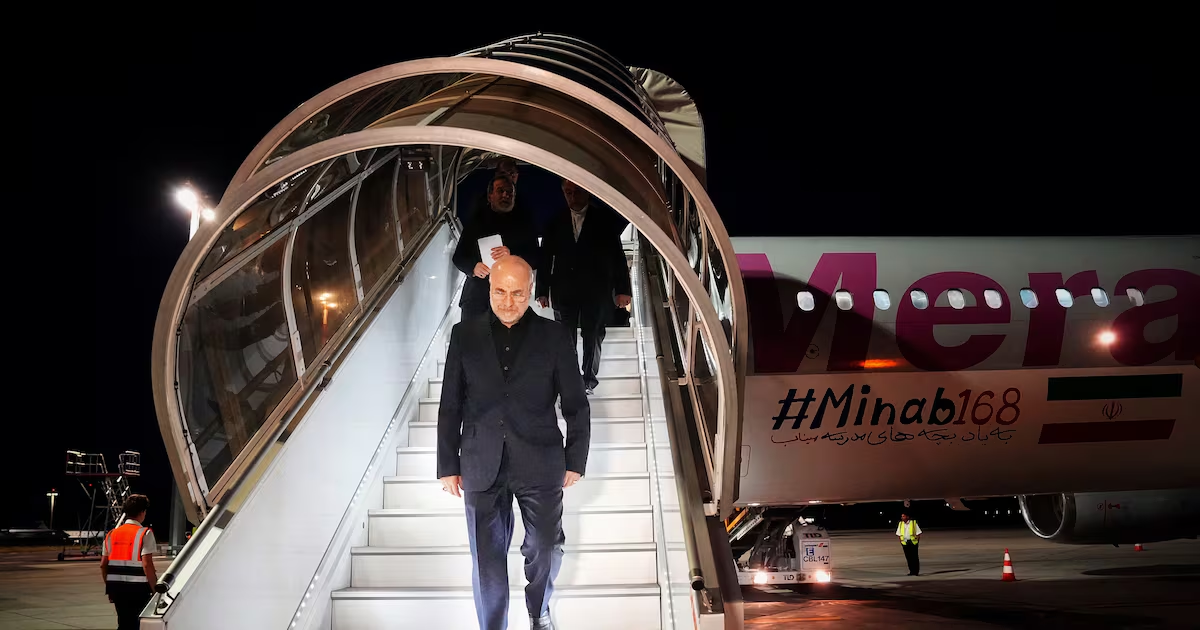
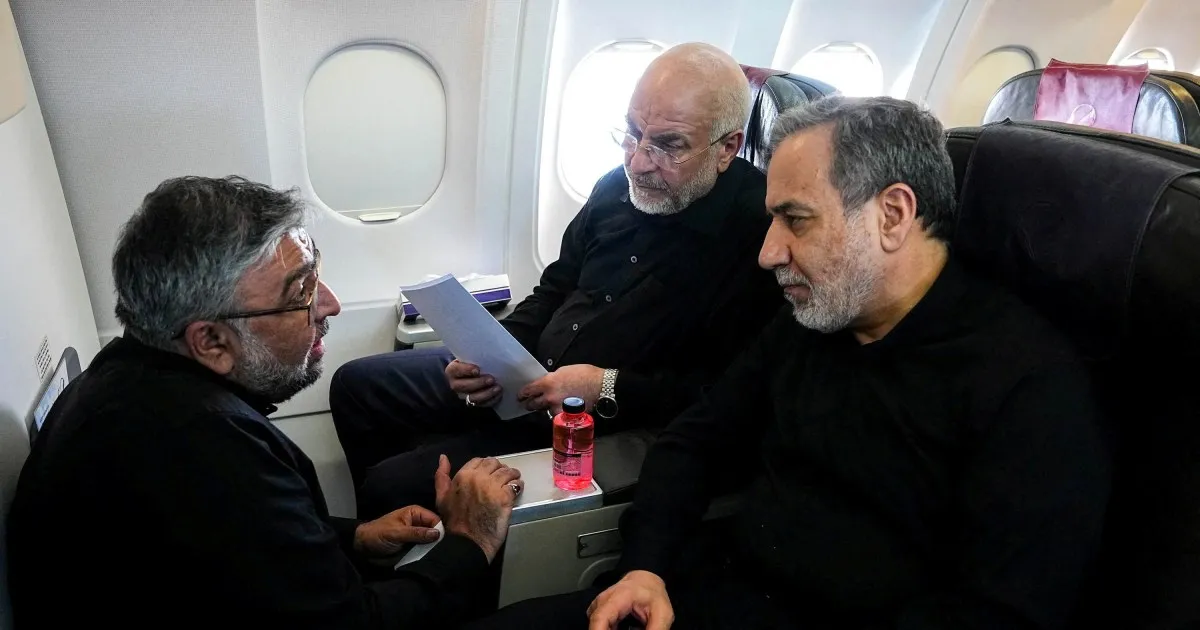
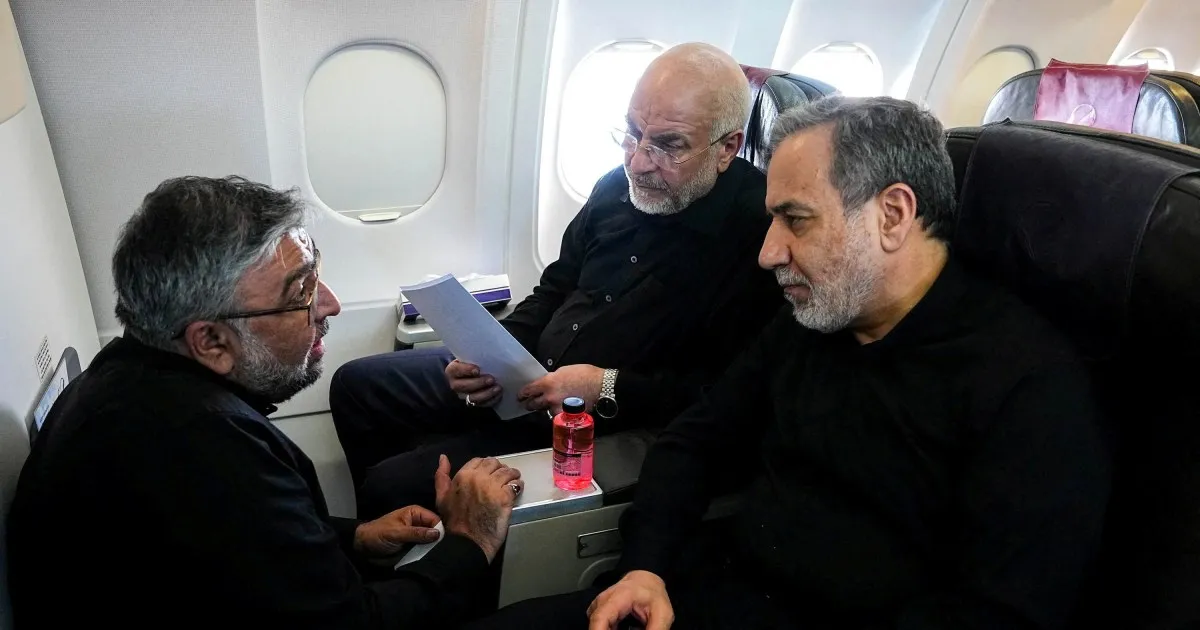
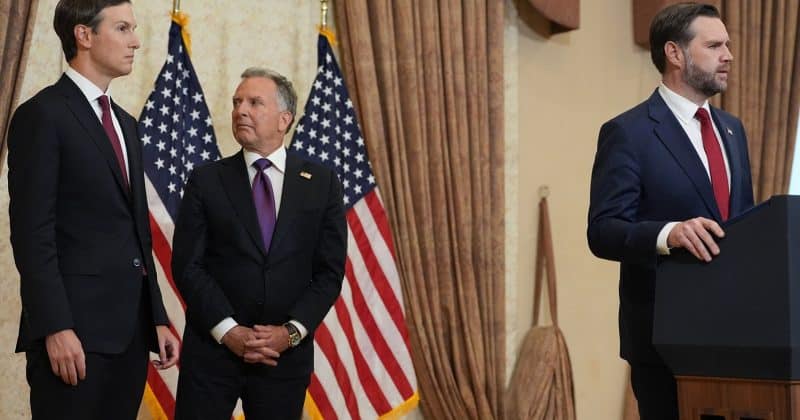
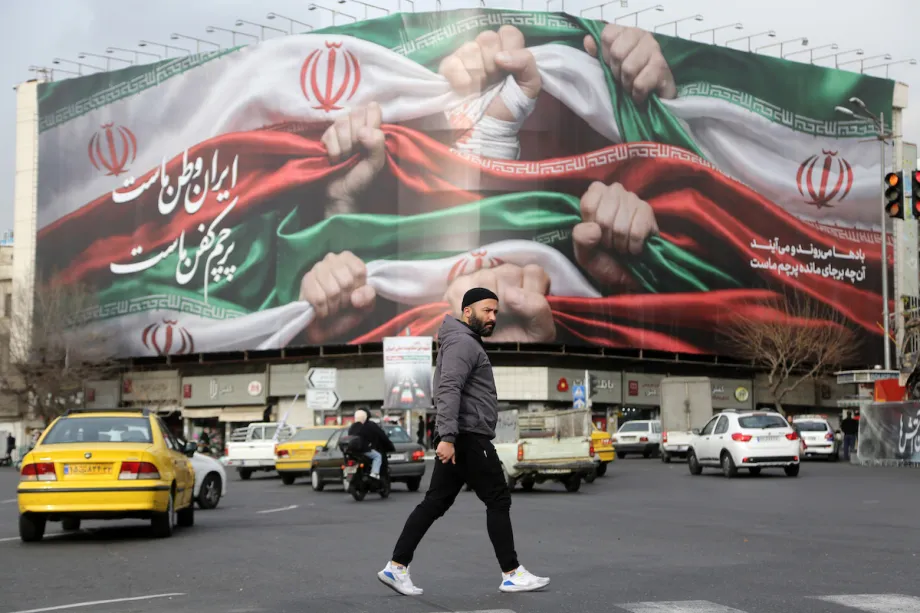
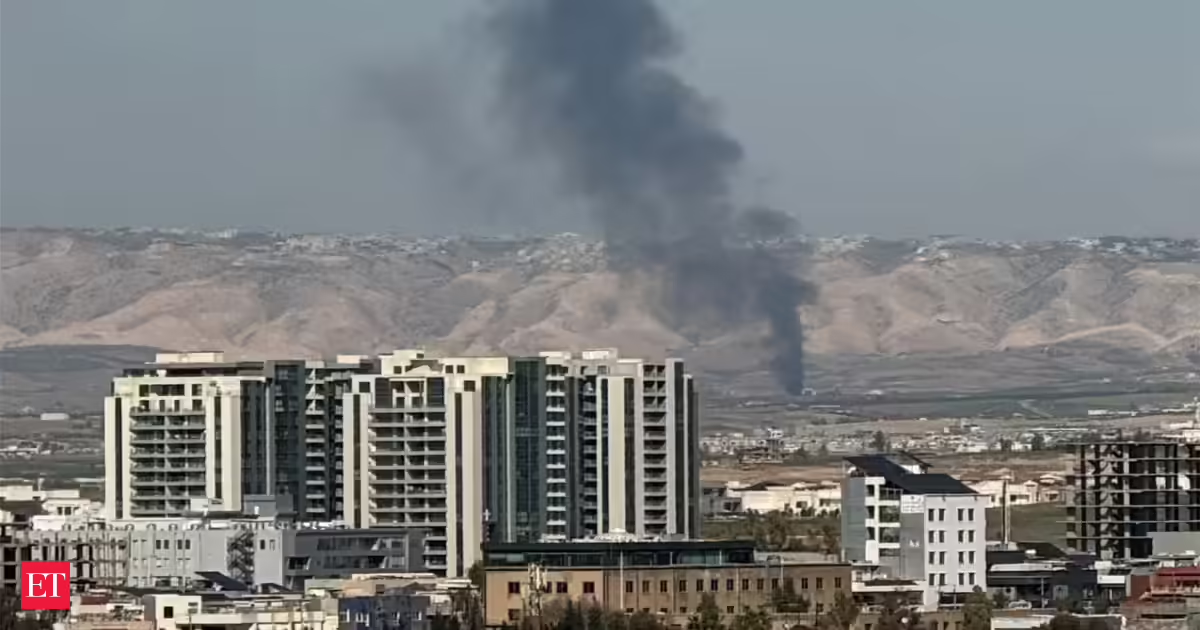
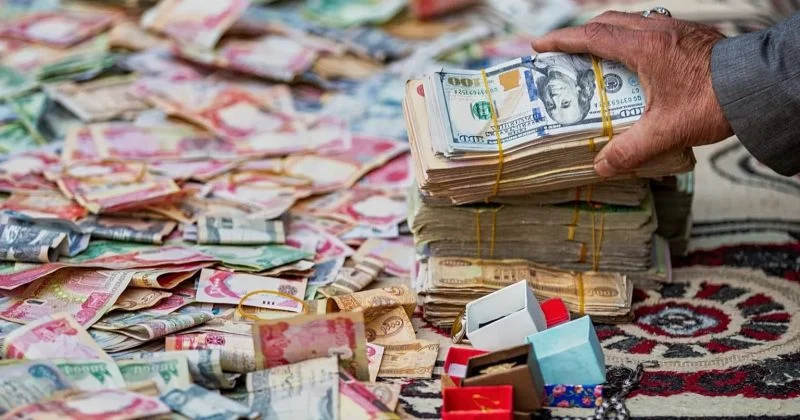
(Bloomberg) — Iran said $12 billion of its frozen funds were set to be released as part of ongoing talks with the US, with the two sides broadly signaling progress in negotiations to formally end their war.Plenty of tensions remain, including over Israel’s war against Iran-backed Hezbollah in Lebanon, and the US is yet to confirm how much Tehran will get in unfrozen funds.Iran will get two installments of $6 billion each, the country’s semi-official Mehr news agency reported, citing Deputy Foreign Minister Kazem Gharibabadi.The unfreezing of funds — as well as the US waiving sanctions on Iranian oil exports and pledging to help set up a $300 billion rehabilitation fund for Iran — has provoked criticism of President Donald Trump. Iran hawks fear the Islamic Republic will use the money to rebuild its armed forces and continue to support militant groups such as Hezbollah.JD Vance, Trump’s vice president and the lead negotiator for the US, on Monday said Iran would buy American soy, wheat and corn with the funds it receives.Meanwhile, Secretary of State Marco Rubio is expected to land in the United Arab Emirates on Tuesday, as the US seeks to reassure regional allies the interim agreement it signed last week with Iran is good for their security and economies.Rubio will also travel to Kuwait and Bahrain this week.The Strait of Hormuz will be among the topics of discussion for Rubio. Traffic through the vital waterway is increasing, pointing to growing confidence among shipowners and traders about sending vessels through as tensions ease.In talks in Switzerland since Sunday, the US and Iran have agreed to set up technical working groups to deal with issues such as unwinding sanctions on the Islamic Republic and curbing its enrichment of uranium. Vance and Iran’s lead negotiator, Parliament Speaker Mohammad Bagher Ghalibaf, left Switzerland on Monday, though lower-level delegates are continuing discussions this week.The sides continue to give differing details of what exactly has been agreed and what is being negotiated. The White House needs to appease Iran hawks, while Iran is presenting the deal to its people as a capitulation by Washington. The Islamic Republic’s military and infrastructure were battered by US and Israeli bombing from late February, but its closure of the Strait of Hormuz caused energy prices to soar and hurt Trump’s standing among Americans and allied countries.Oil prices nudged lower on Tuesday, with Brent down 0.6% to below $78 a barrel. It’s down from a high of around $125 in late April but still above pre-war levels, reflecting that it will take months for oil and liquefied natural gas flows through Hormuz to return to normal.Ghalibaf said on his return from the talks that the Strait of Hormuz would never return to its pre-war state and Iran would administer the waterway in accordance with international law, the state-run Islamic Republic News Agency reported.Vance said negotiators had “set up the mechanism” to ensure the strait remains open. When speaking earlier to reporters, he did not answer directly when asked if the US wanted Israel to withdraw troops from southern Lebanon.Israel’s ambassador to the United Nations, Danny Danon, told Bloomberg TV that “unfortunately, it’s not the case” when asked if the Lebanese military can confront the Hezbollah militia on its own. “We are capable of fighting Hezbollah, but we are not eager to stay in Lebanon,” Danon added.©2026 Bloomberg L.P.