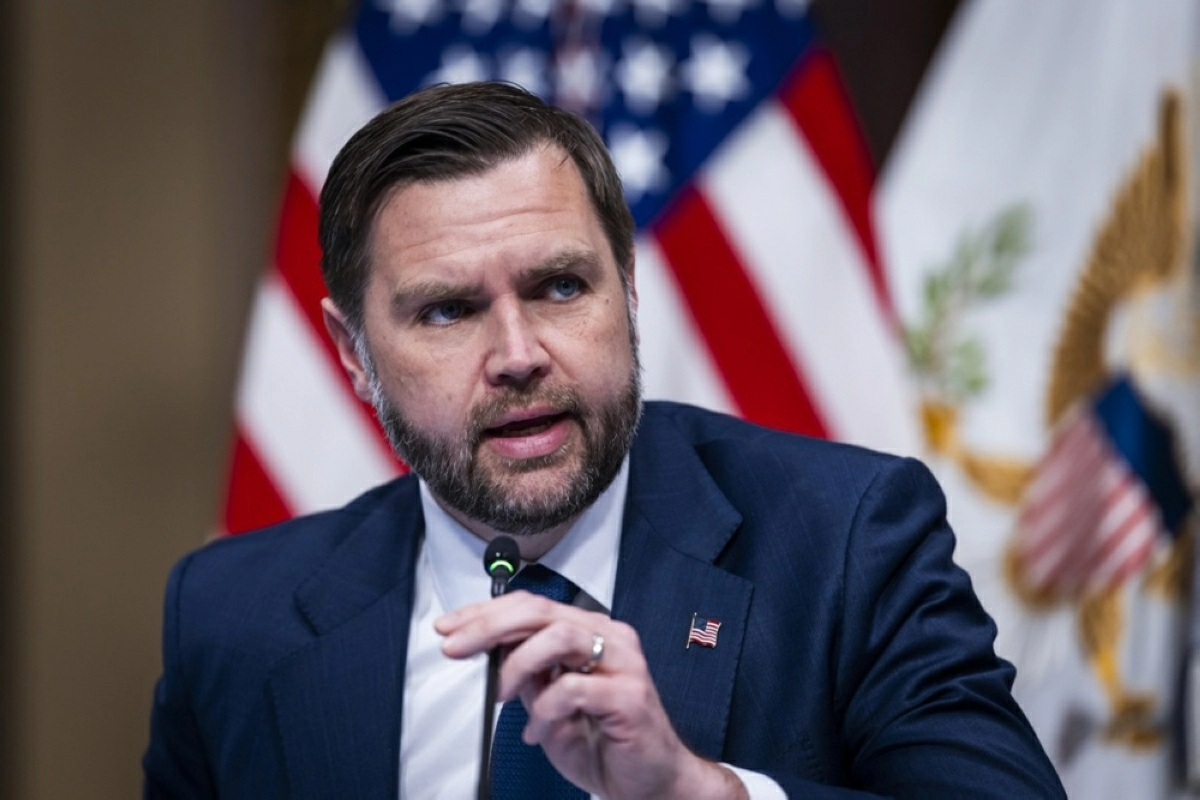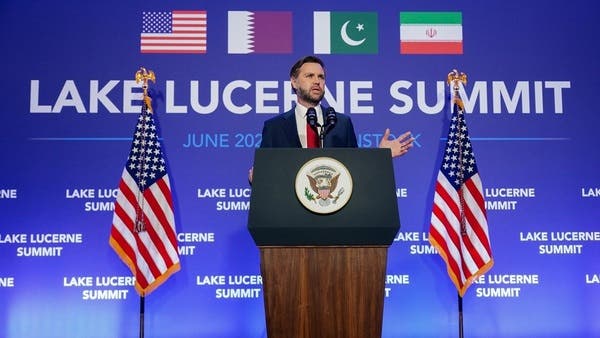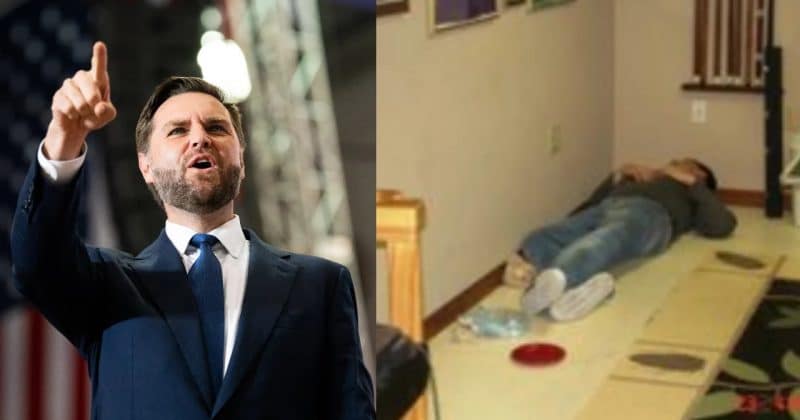
US Vice President JD Vance called it a “major milestone.” Iran called it fiction. The disconnect between Washington and Tehran over whether international nuclear inspectors have been granted access to Iran’s bombed nuclear facilities carries real implications for a potential $25 billion asset release, sanctions enforcement, and the crypto channels Iran has reportedly used to move money around the global financial system.
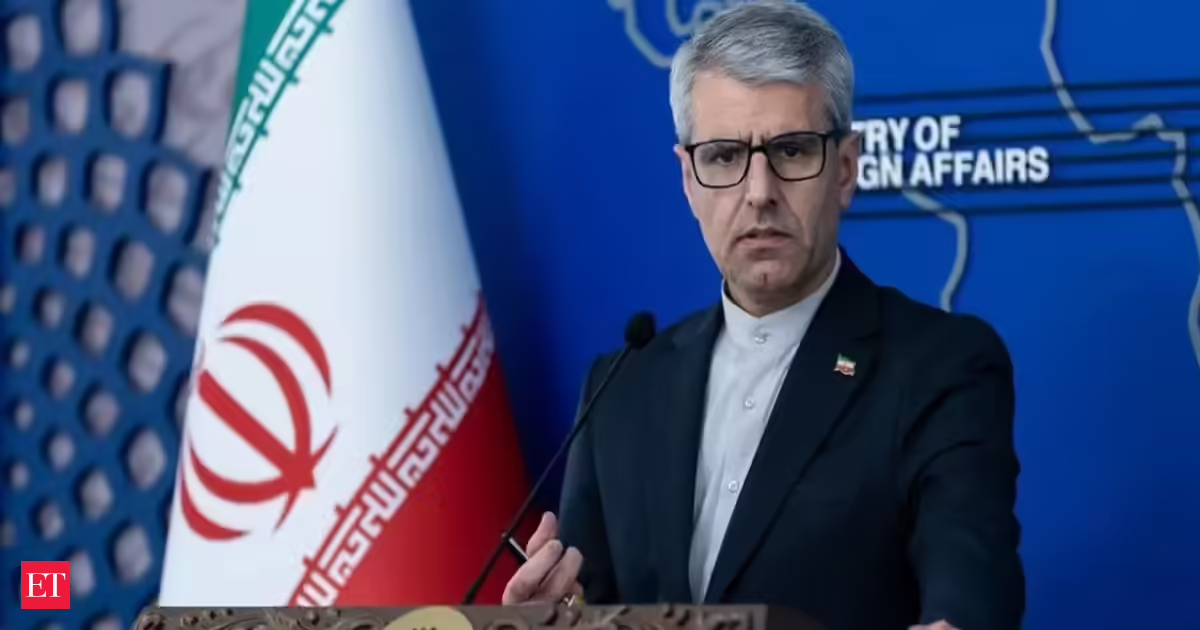
On June 22, Vance announced that during initial talks in Switzerland, Iran had agreed to allow International Atomic Energy Agency inspectors back into the country. Iran’s Foreign Ministry responded by flatly denying any new commitments regarding IAEA visits to the bombed sites, stating that access remains contingent upon ongoing negotiations and existing agreements.
What got bombed, and why it matters
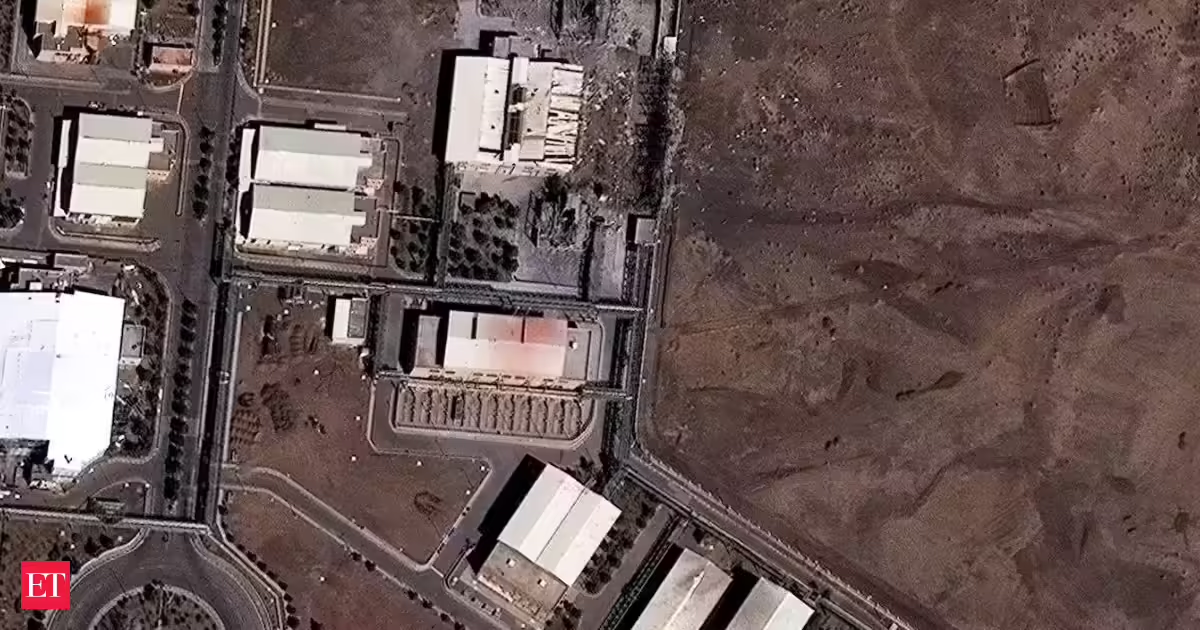
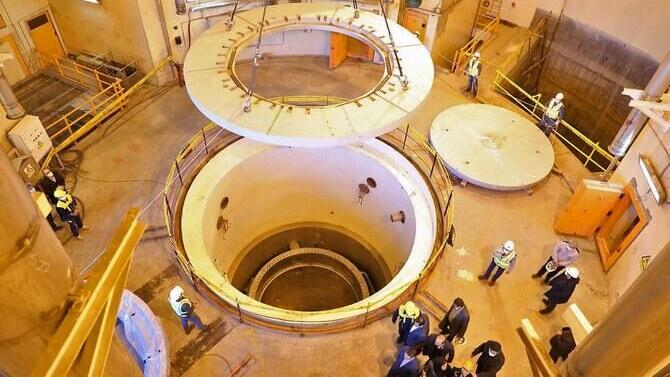
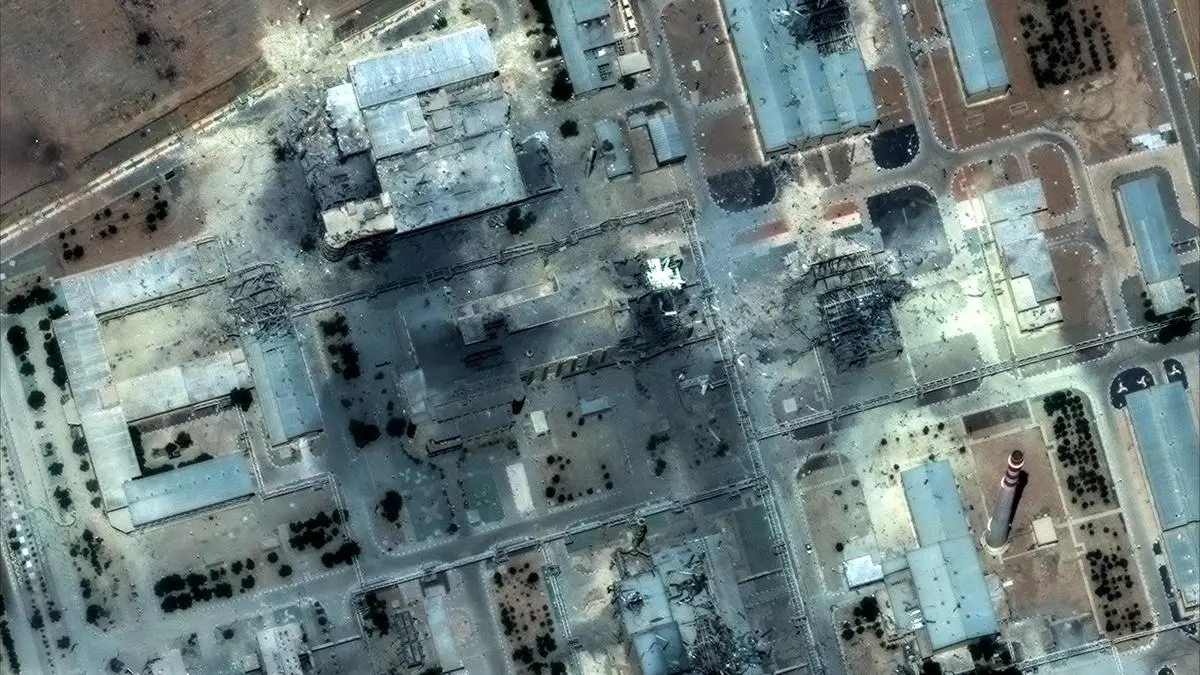
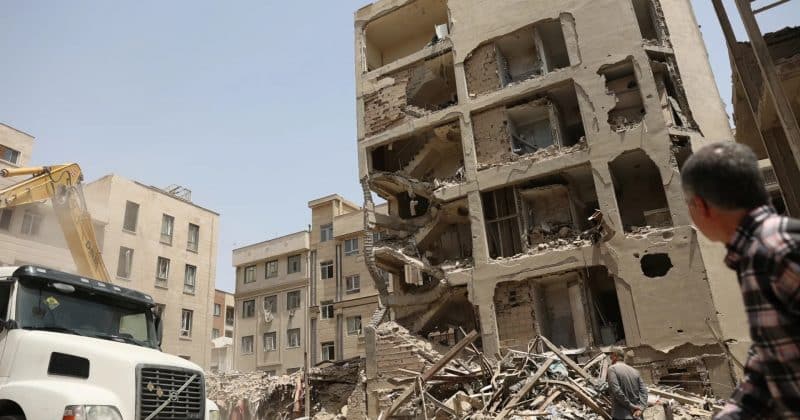
In June 2025, Israel and the US carried out military strikes targeting key Iranian nuclear facilities, including Natanz, Fordow, and Isfahan. Natanz was Iran’s primary uranium enrichment site. Fordow was buried inside a mountain, built specifically to withstand aerial attacks. Isfahan housed research reactors and fuel fabrication plants.
Following the strikes, Iran suspended full IAEA cooperation. A parliamentary law mandated the pullback, limiting inspections to unaffected facilities only.