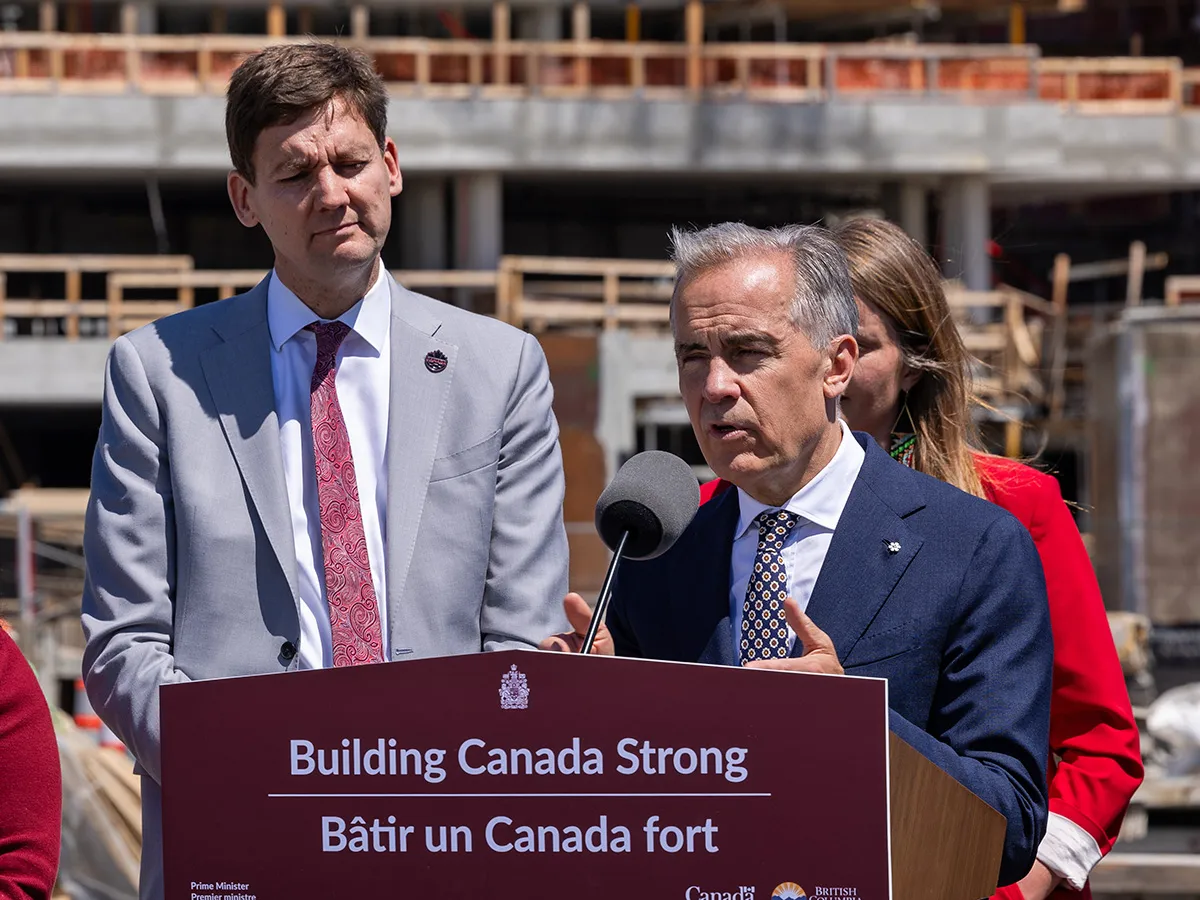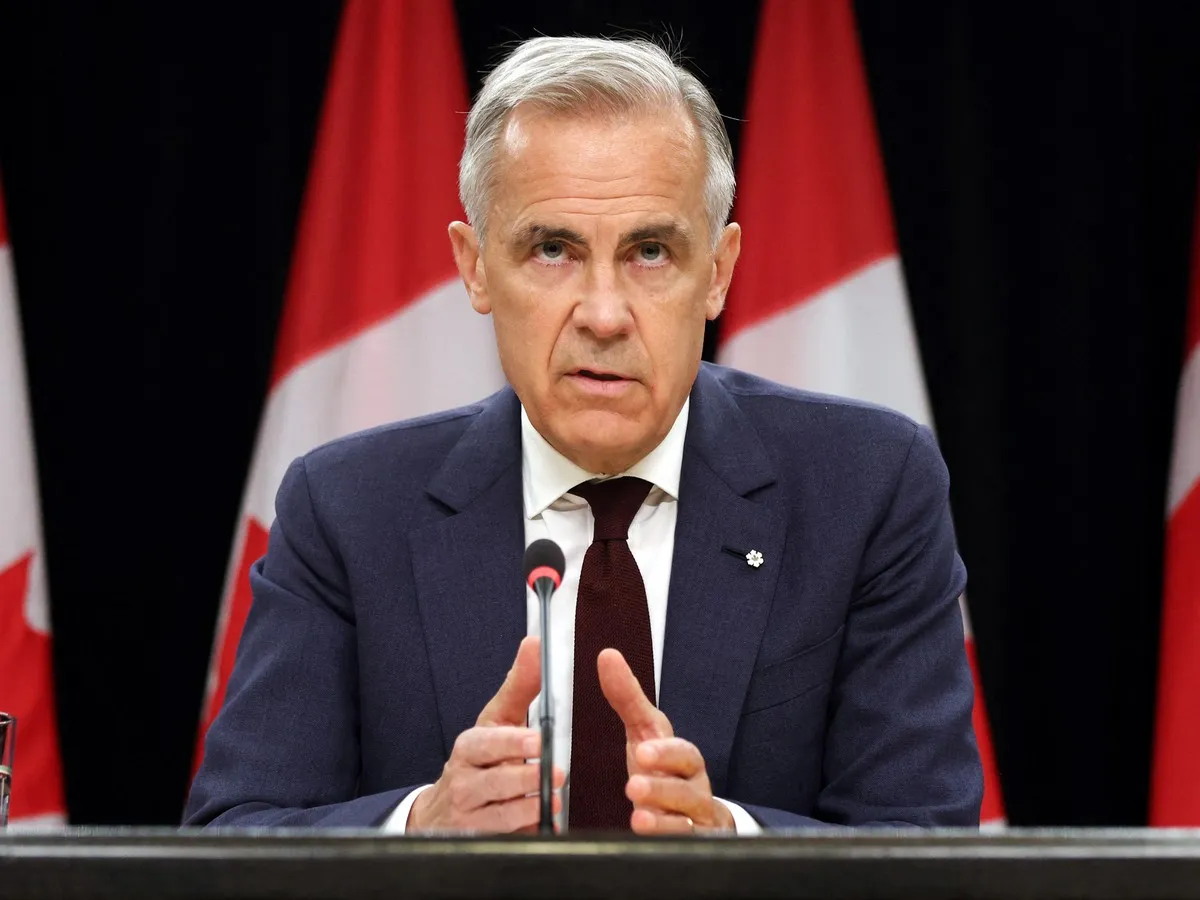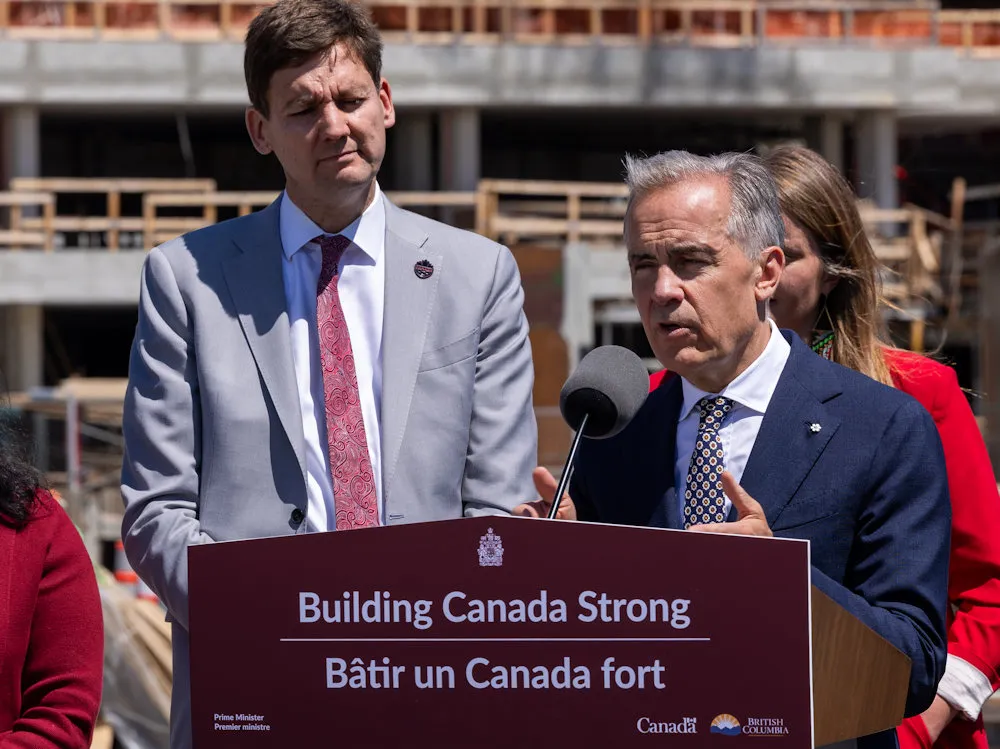
Skip to Content Subscribe Our Offers My Account Manage My Subscriptions FAQ Newsletters Canada Canadian True Crime Canadian Politics Health World Israel & Middle East Financial Post NP Comment Longreads Puzzmo Diversions Comics NP News Quiz New York Times Crossword Horoscopes Life Eating & Drinking Style Sponsored Play for Ontario Travel Travel Canada Travel USA Travel International Cruises Travel Essentials Culture Books Celebrity Movies Music Theatre Television Business Essentials Advice Lives Told Tails Told Shopping Buy Canadian Home Living Outdoor Living Kitchen & Dining Tech Style & Beauty Personal Care Entertainment & Hobbies Gift Guide Travel Guide Amazon Prime Day Deals Savings National Post Store More Sports Hockey Baseball Basketball Football Soccer Golf Tennis Driving Vehicle Research Reviews News Gear Guide Obituaries Place an Obituary Place an In Memoriam Classifieds Place an Ad Celebrations Working Business Ads Archives Healthing Epaper Manage Print Subscription Profile Settings My Subscriptions Saved Articles My Offers Newsletters Customer Service FAQ Newsletters Canada World Financial Post NP Comment Longreads Puzzmo Diversions Life Shopping Epaper Manage Print Subscription HomeNP CommentFIRST READING: Canada intervenes (again) to stop housing prices going downCarney's condo 'bailout' just the latest government intervention to stop home prices from dropping You can save this article by registering for free here. Or sign-in if you have an account.Premier David Eby (the tall one) and Prime Minister Mark Carney make an announcement about housing on June 18, 2026 in the River District of south Vancouver. Photo by Government of B.C.First Reading is a Canadian politics newsletter curated by the National Post’s own Tristin Hopper. To get an early version sent directly to your inbox, sign up here.Enjoy the latest local, national and international news.Exclusive articles by Conrad Black, Barbara Kay and others. Plus, special edition NP Platformed and First Reading newsletters and virtual events.Unlimited online access to National Post.National Post ePaper, an electronic replica of the print edition to view on any device, share and comment on.Daily puzzles including the New York Times Crossword.Support local journalism.Enjoy the latest local, national and international news.Exclusive articles by Conrad Black, Barbara Kay and others. Plus, special edition NP Platformed and First Reading newsletters and virtual events.Unlimited online access to National Post.National Post ePaper, an electronic replica of the print edition to view on any device, share and comment on.Daily puzzles including the New York Times Crossword.Support local journalism.Create an account or sign in to continue with your reading experience.Access articles from across Canada with one account.Share your thoughts and join the conversation in the comments.Enjoy additional articles per month.Get email updates from your favourite authors.Create an account or sign in to continue with your reading experience.Access articles from across Canada with one accountShare your thoughts and join the conversation in the commentsEnjoy additional articles per monthGet email updates from your favourite authorsSign In or Create an AccountorAt the precise moment that a segment of Canadian real estate was poised to become more affordable, a Canadian government has once again intervened on the side of keeping prices high.On Friday, Prime Minister Mark Carney announced that federal monies would be used to buy up a glut of unsold Vancouver condos into order to convert them into government operated rental housing.At a Vancouver press conference held alongside B.C. Premier David Eby, Carney announced the launch of the Canada-British Columbia Partnership on Condo Conversion.This newsletter from NP Comment tackles the topics you care about. (Subscriber-exclusive edition on Fridays)By signing up you consent to receive the above newsletter from Postmedia Network Inc.We encountered an issue signing you up. Please try againThe mission of the partnership is simple: Buy up to 2,200 vacant Metro Vancouver condos that are not selling at current prices, and convert them into “affordable homes.”A press release dubbed the partnership “one of the fastest and most efficient ways to increase housing supply.” But on Friday, Carney confirmed that it would have the effect of preventing developers from having to lower their sale prices in the face of a sluggish market.“With higher interest rates (and) weaker investment demand, developers are stuck,” he said. “They don’t want to sell at a loss, they can’t afford to hold those empty units indefinitely.”A price tag was not placed on the “partnership,” but with Vancouver’s benchmark condo price currently standing at about $700,000, it could work out to as much as $1.5 billion.Almost immediately, the move was criticized as a “bailout” of Vancouver condo developers.Andy Yan, director of Simon Fraser University’s City Program, told CBC that it was a “bailout” of “bad business decisions.”In a widely circulated social media post, Vancouver-based investment adviser Andrew Johns noted that Carney’s intervention prevented condo developers from either dropping their prices or converting the unsold units into rentals — both of which would have had a beneficial impact on real estate affordability.“And so what if they sell at a loss? That’s the game,” wrote Johns. “Why should Canadian taxpayers bail out homebuilders?”Conservative Leader Pierre Poilievre hosted his own Vancouver press conference just two days later, advertising it under the title “Stop Liberal Housing Developer Bailouts.”“Normally, the innovative financial tool to turn an overpriced empty condo into an affordable home is for the price to drop … so why not let that happen?” he said.The phenomenon has happened before.Just as a series of factors aligned to crash real estate prices and potentially bring ownership within reach of priced-out Canadians, either Ottawa or a provincial government swoops in to stop it from happening.Just last March, the Ontario government of Premier Doug Ford announced a near-identical plan to buy 2,200 unsold vacant condos in the Toronto area, also for the purpose of converting them into government-run rental units.Costing an estimated $1.3 billion, Ford’s program also served to prevent developers from facing the financial consequences of a condo bust that was ultimately poised to translate into lower prices for buyers.Two years ago, the word “bailout” was similarly applied to a series of federal measures intended to put more money into the real estate market at the precise moment prices were poised for a decline.The Liberals under then finance minister Chrystia Freeland announced a new 30-year amortization term for first-time home buyers, as well as an increase to tax-free RRSP withdrawals for housing down payments.The effect of both policies was to increase the amount of capital available for real estate, and thus bid up flagging prices.As an analysis by the website Better Dwelling put it at the time, “the measures are being sold as an affordability scheme, but appear to be a developer bailout.” A Montreal police officer was shot and killed by an active shooter on Monday. This marks the third killing of a Canadian police officer in the line of duty in just the last two weeks. It’s at a scale well beyond anything in the country’s history. For context, between 1961 and 2009, a grand total of 133 Canadian police officers were murdered in the line of duty, an average of fewer than three per year.It would be charitable to say that the Carney government has a bit of a mixed record when it comes to appointments.When Prime Minister Mark Carney appointed a committee to address skyrocketing Jew hatred, it included a former Liberal MP alleged to have once lobbied for the terror group Hezbollah. Prime Carney’s choice for Governor General, meanwhile, carried a train car of baggage ranging from her advocacy for mass migration, to her criticism of the Canadian Armed Forces as a repository of “white boys who like guns”But when Prime Minister Mark Carney announced on Monday that Canada’s next Supreme Court judge would be Manitoba Court of King’s Bench Chief Justice Glenn Joyal, the reaction was overwhelmingly positive from places that are usually quite critical of the Supreme Court and judicial activism in general.Josh Dehaas, with the Canadian Constitution Foundation, said Joyal has “an excellent reputation in the legal community” and was the “obvious choice.”Legal scholar Yuan Yi Zhu recently penned an editorial for the National Post entitled “Canada’s tasteless, attention-seeking, unproductive chief justice.” But Zhu was much warmer to Joyal, calling him an “excellent jurist” with a “nuanced understanding of the judicial role.” Grocery inflation is really bad right now, with the latest Bank of Canada estimates putting it at 4.3 per cent per year. Despite all this, the federal government slapped a 10 per cent tariff on foreign-made canned goods and frozen food on Friday, a measure guaranteed to exacerbate Canadian food prices. As to why, it’s effectively a bailout for Canadian producers, by making their foreign competitors more expensive. Or as the Department of Finance officially put it, it will “address the critical circumstances and immediate challenges facing the Canadian canned vegetable industry.”First Reading is a Canadian politics newsletter curated by the National Post’s own Tristin Hopper. To get an early version sent directly to your inbox, sign up here. Join the Conversation This website uses cookies to personalize your content (including ads), and allows us to analyze our traffic. Read more about cookies here. By continuing to use our site, you agree to our Terms of Use and Privacy Policy.
FIRST READING: Canada intervenes (again) to stop housing prices going down
Carney's condo 'bailout' just the latest government intervention to stop home prices from dropping.
1,506 words~7 min read