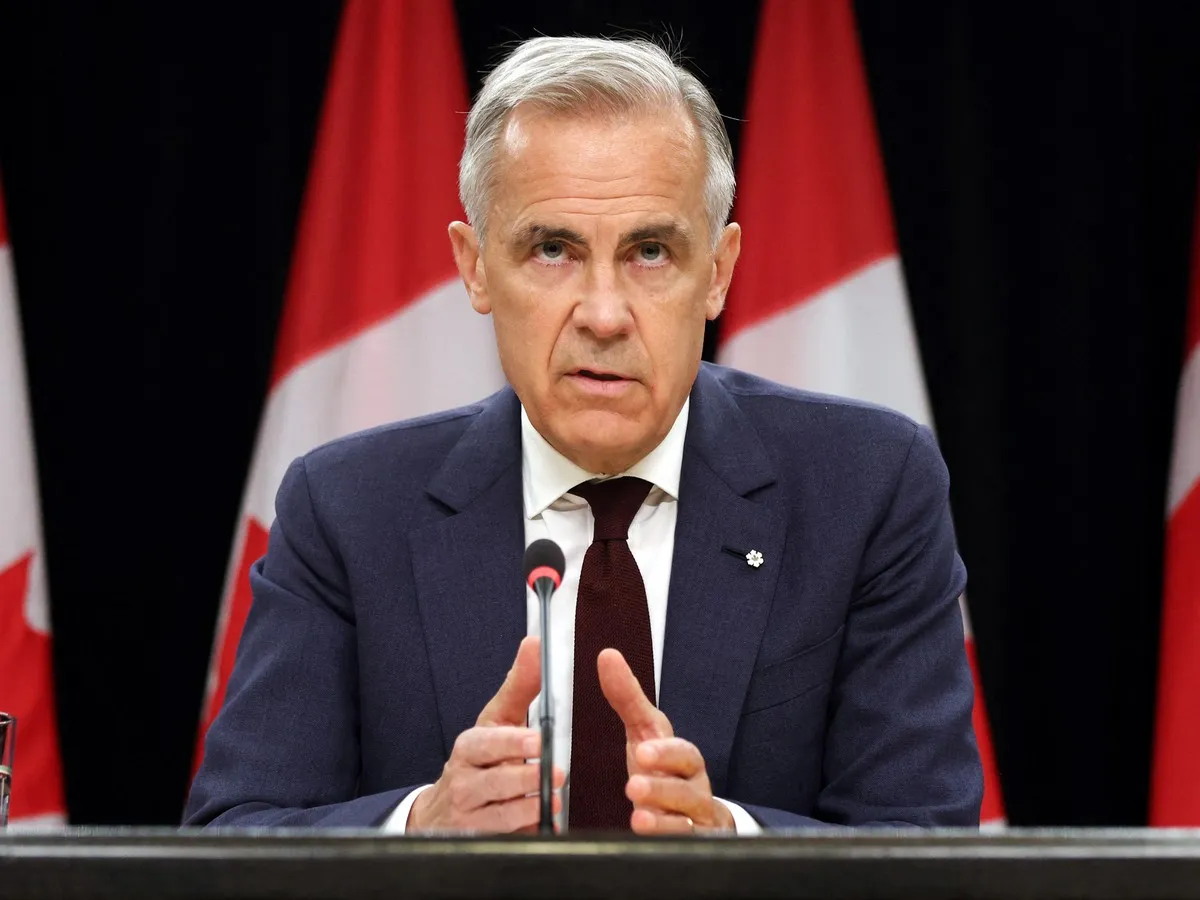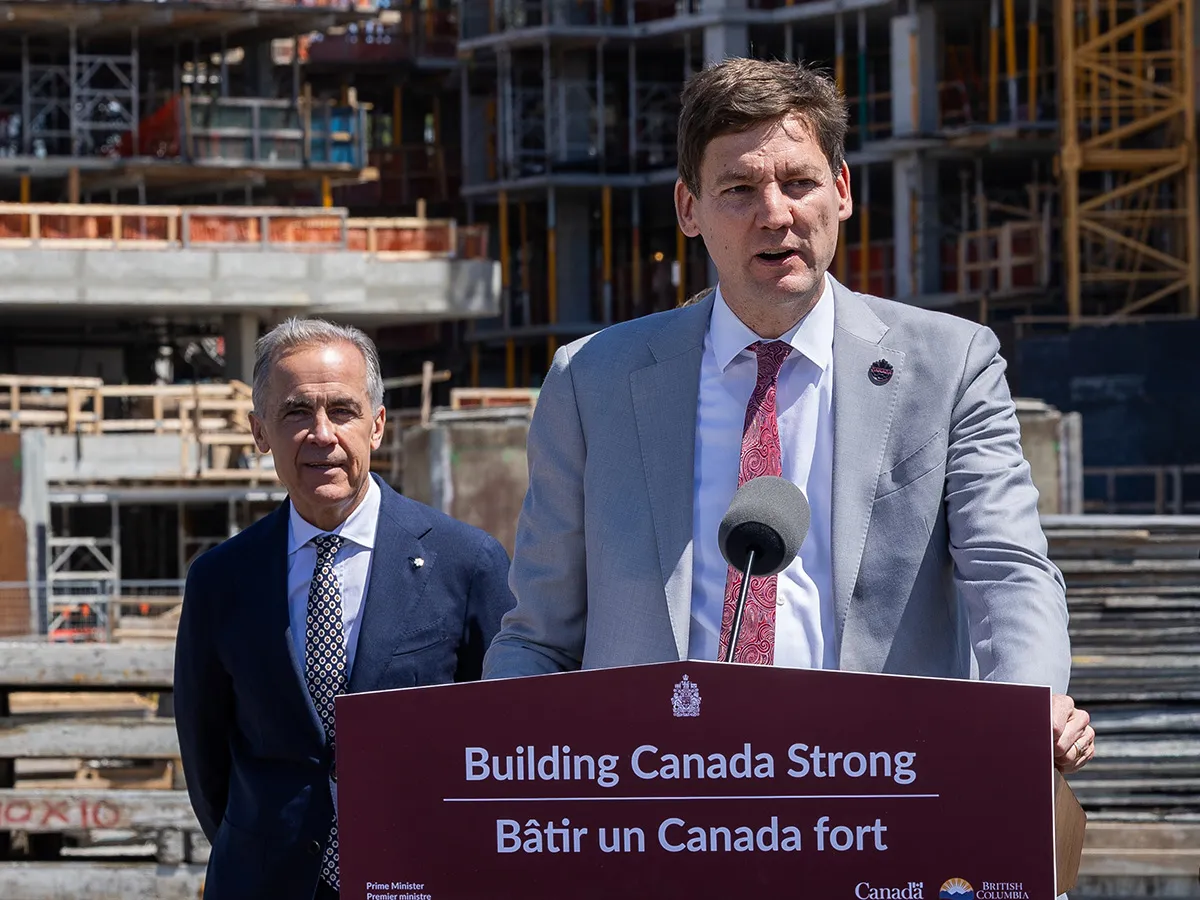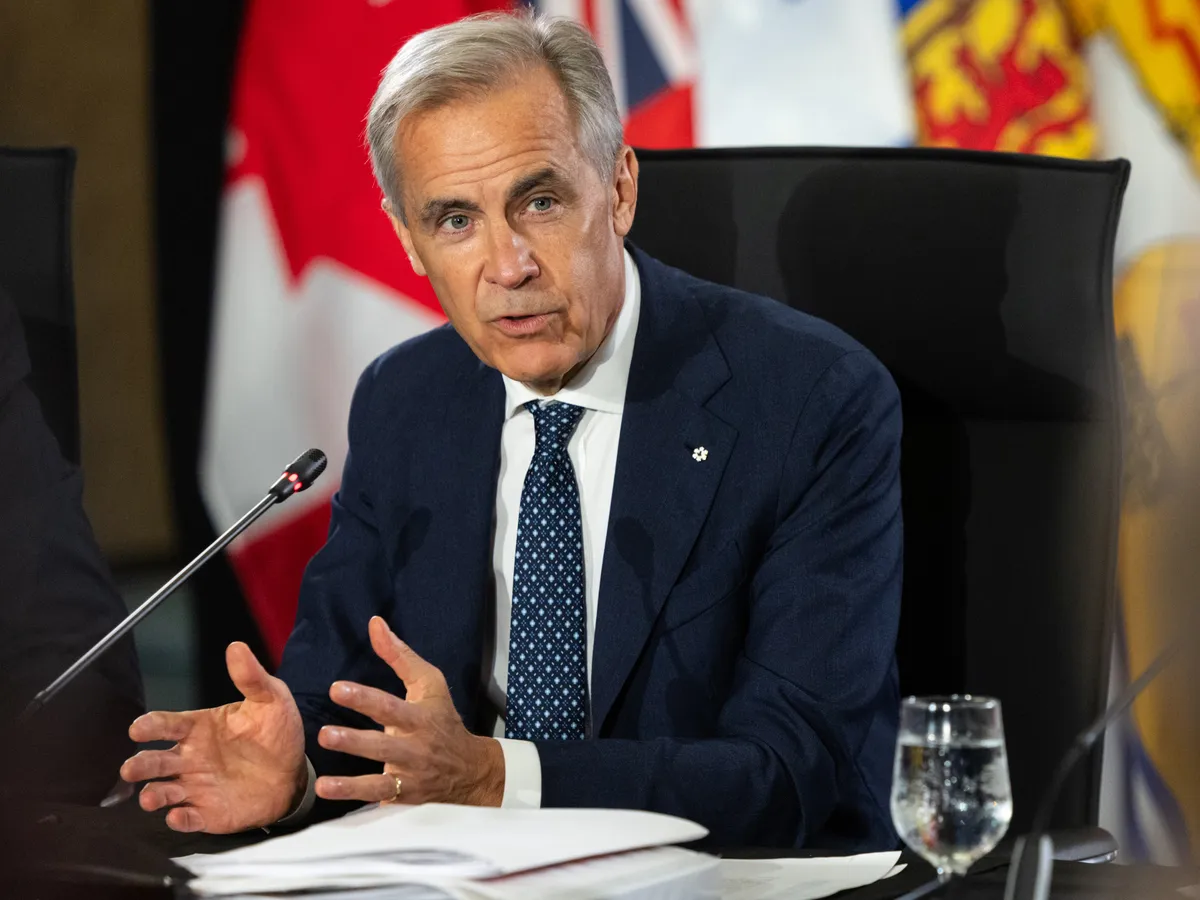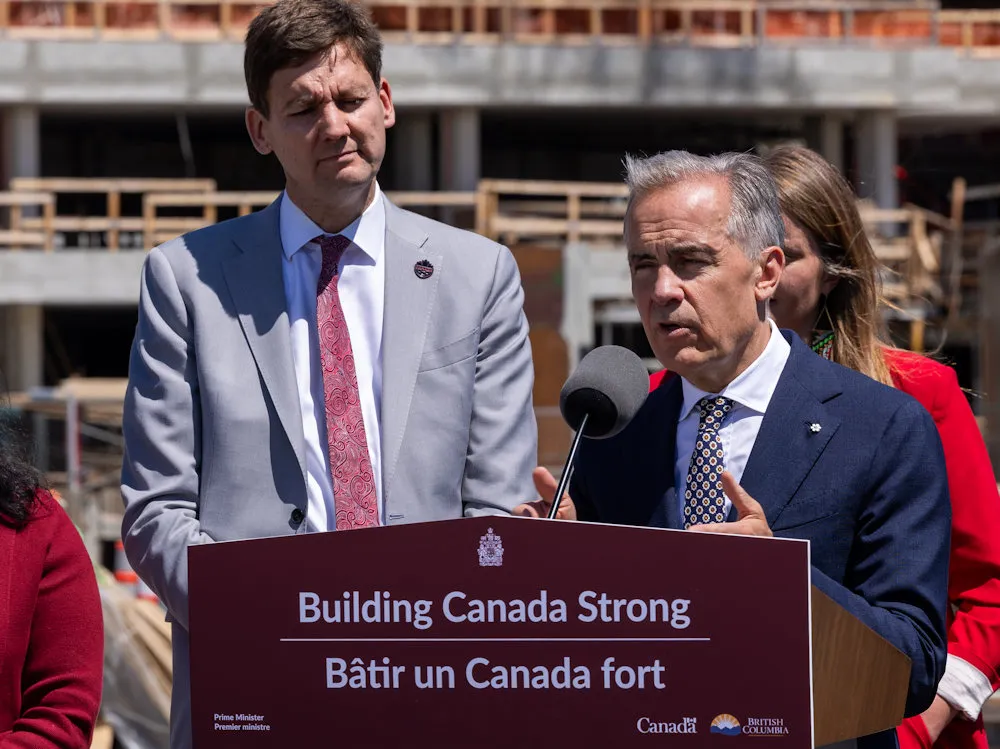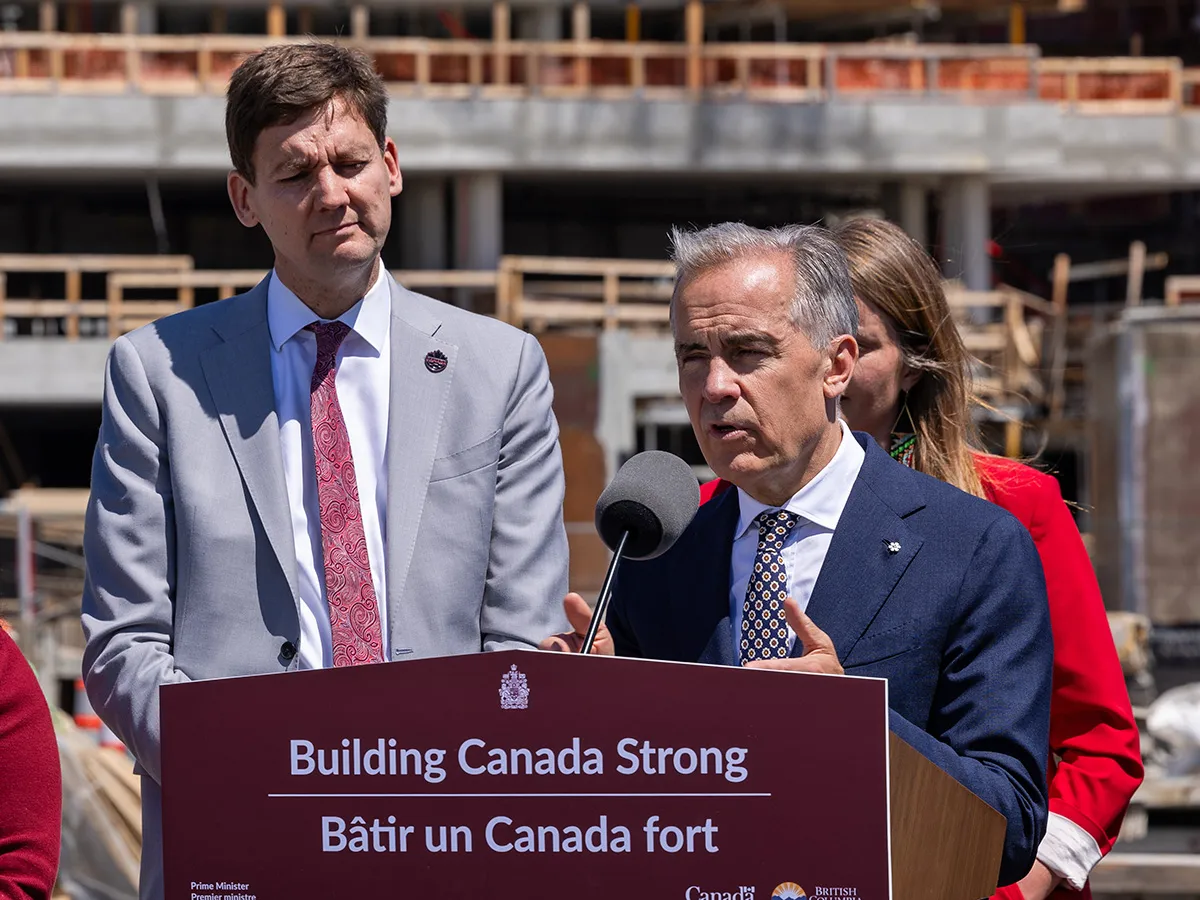
Skip to Content Subscribe Our Offers My Account Manage My Subscriptions FAQ Newsletters Canada Canadian True Crime Canadian Politics Health World Israel & Middle East Financial Post NP Comment Longreads Puzzmo Diversions Comics NP News Quiz New York Times Crossword Horoscopes Life Eating & Drinking Style Sponsored Play for Ontario Travel Travel Canada Travel USA Travel International Cruises Travel Essentials Culture Books Celebrity Movies Music Theatre Television Business Essentials Advice Lives Told Tails Told Shopping Buy Canadian Home Living Outdoor Living Kitchen & Dining Tech Style & Beauty Personal Care Entertainment & Hobbies Gift Guide Travel Guide Amazon Prime Day Deals Savings National Post Store More Sports Hockey Baseball Basketball Football Soccer Golf Tennis Driving Vehicle Research Reviews News Gear Guide Obituaries Place an Obituary Place an In Memoriam Classifieds Place an Ad Celebrations Working Business Ads Archives Healthing Epaper Manage Print Subscription Profile Settings My Subscriptions Saved Articles My Offers Newsletters Customer Service FAQ Newsletters Canada World Financial Post NP Comment Longreads Puzzmo Diversions Life Shopping Epaper Manage Print Subscription HomeNP CommentJohn Ivison: Carney’s condo developer bailout is a hazardous lookEven paying half off, the cost will eat half of the new $3-billion cash infusion. At that price, wouldn’t they sell on the market?Last updated Jun 24, 2026 You can save this article by registering for free here. Or sign-in if you have an account.In economics, the concept of “moral hazard” describes a situation where an individual or institution is more likely to take reckless risks because they do not bear the negative consequences of those risks.Enjoy the latest local, national and international news.Exclusive articles by Conrad Black, Barbara Kay and others. Plus, special edition NP Platformed and First Reading newsletters and virtual events.Unlimited online access to National Post.National Post ePaper, an electronic replica of the print edition to view on any device, share and comment on.Daily puzzles including the New York Times Crossword.Support local journalism.Enjoy the latest local, national and international news.Exclusive articles by Conrad Black, Barbara Kay and others. Plus, special edition NP Platformed and First Reading newsletters and virtual events.Unlimited online access to National Post.National Post ePaper, an electronic replica of the print edition to view on any device, share and comment on.Daily puzzles including the New York Times Crossword.Support local journalism.Create an account or sign in to continue with your reading experience.Access articles from across Canada with one account.Share your thoughts and join the conversation in the comments.Enjoy additional articles per month.Get email updates from your favourite authors.Create an account or sign in to continue with your reading experience.Access articles from across Canada with one accountShare your thoughts and join the conversation in the commentsEnjoy additional articles per monthGet email updates from your favourite authorsSign In or Create an AccountorIt is an idea with which Prime Minister Mark Carney is very familiar, having been a vocal critic of the claim that banks were “too big to fail” during the financial collapse of 2008; benefitting from privatized gains and socialized losses.Yet this is exactly the approach he unveiled in Vancouver last week, saying the federal government will buy and convert up to 2,500 condos that developers can’t sell, and then either rent or resell them.This newsletter from NP Comment tackles the topics you care about. (Subscriber-exclusive edition on Fridays)By signing up you consent to receive the above newsletter from Postmedia Network Inc.We encountered an issue signing you up. Please try againThat move was part of a broader announcement on housing that will see Ottawa and the province of B.C. invest $3.2 billion over 10 years in what Carney called “community infrastructure”.The prime minister and B.C. Premier David Eby revealed a “landmark” agreement to build more homes, bring down buying costs and modernize infrastructure.Much of the announcement was in line with the federal government’s strategy of bringing down development charges by using the Build Communities Strong fund to pay for local infrastructure. A major contributor to Canada’s housing crisis was the decision by municipalities to make “growth pay for growth” by holding property taxes steady and raising funds for new pipes, transit and community centres from home buyers. As a result, development charges increased by up to 274 per cent in the Greater Toronto Area over a 10-year period, adding fees of nearly $200,000 to the cost of an average new home. The federal and provincial governments have introduced new funding pools through Build Communities Strong to combat those sharp increases.So far, so good. But incentivizing developers to build more by creating certainty on the development-charge front is quite different from bailing them out when they can’t sell their homes.In Vancouver last week, Carney said the two governments want to make better use of units that have already been built, “leveraging innovative financing tools” from the Build Canada Homes agency to convert the vacant condos into affordable homes.He said higher interest rates and weak investor demand has left developers stuck. “They do not want to sell at a loss, but they also can’t afford to hold the empty units indefinitely,” he said.B.C. is facing a 30-year high in unsold condos, which creates a disincentive to new construction, unsettles lenders and creates a frozen housing market, he said.Details on how much the governments will pay to “unfreeze” the Vancouver condo market will be available in the fall.What does not seem likely is that government action will stimulate more supply, unless developers suspect they can rely on Ottawa and Victoria to be the buyer of last resort in perpetuity.What is very likely is that this will create a firestorm in Parliament when the numbers become clear in the fall.Opposition Leader Pierre Poilievre has already leapt on the topic as an example of Carney bailing out “elites and insiders … a transfer of wealth from Mark Carney from the have-nots to the have-yachts.”Leaving aside the questionable wordplay, the Conservative leader is right to highlight the even more questionable principles at play here.As Poilievre said, the developers took risks and took the rewards during Vancouver’s housing bubble. Now that the bubble has burst and the condos are standing empty, it is clear that some risks did not pay off. “The condos have gone from expensive to less expensive. Who’s going to pay the difference? Mark Carney wants you, the taxpayer, who is struggling with mortgage payments, grocery bills and high gas prices to pay those losses, instead of developers who took the risk in the first place,” he said.Much will depend on the details of the deal. But the optics are already terrible. Local realtors said the condos are priced at $1.1 to $1.2 million each. Even at 50 cents on the dollar, for 2,500 units that is about half of the new $3-billion cash infusion eaten up. At that price, wouldn’t they sell on the open market?The funding mechanism the federal government lands on had better be extremely innovative. Otherwise, what Poilievre called “the Carney condo bailout” is going to be a motif for a government that is out of step with its citizens, not to mention the behavioural principles of sound economics.National Post Join the Conversation This website uses cookies to personalize your content (including ads), and allows us to analyze our traffic. Read more about cookies here. By continuing to use our site, you agree to our Terms of Use and Privacy Policy.
John Ivison: Carney’s condo developer bailout is a hazardous look
Even paying half off, the cost will eat half of the new $3-billion cash infusion. At that price, wouldn’t they sell on the market?
1,215 words~6 min read