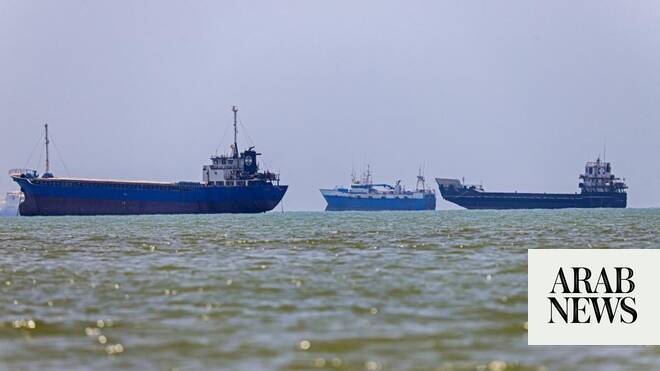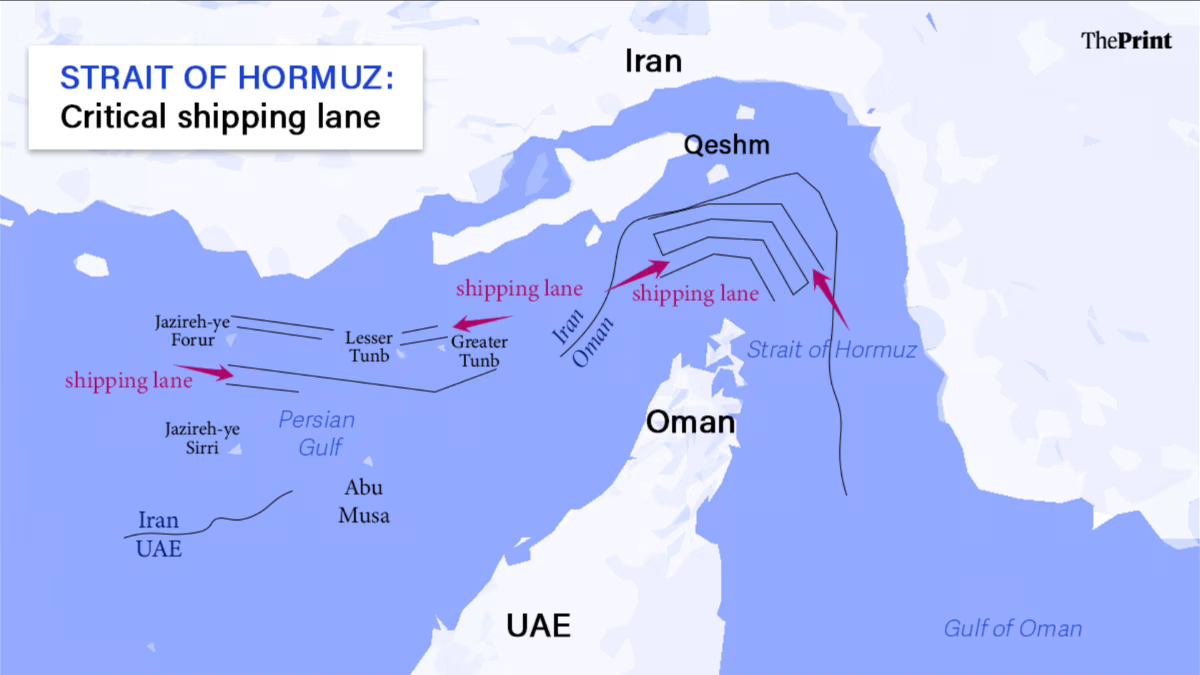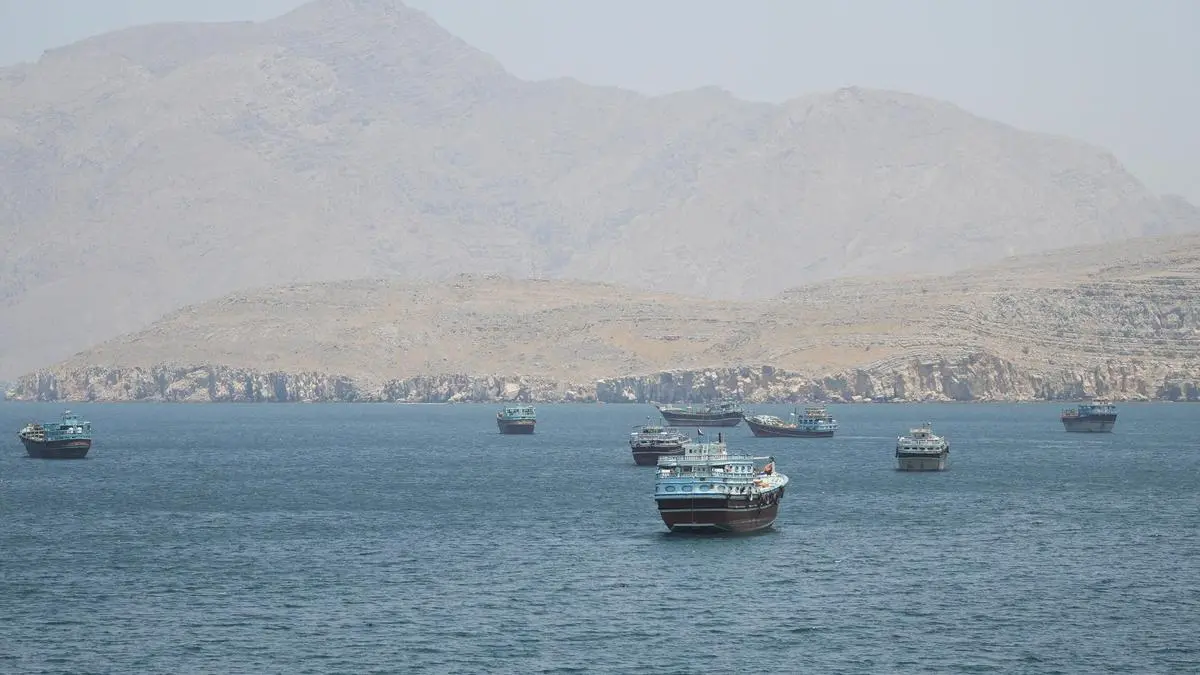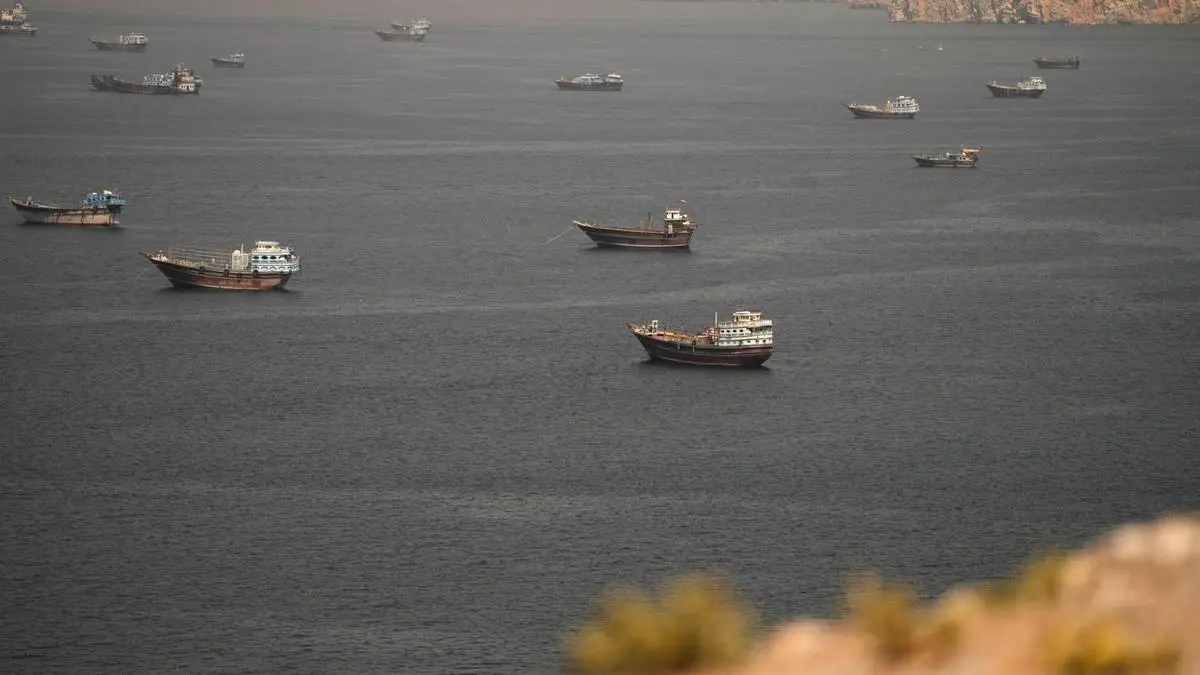
Vessels at the Strait of Hormuz, as seen from Musandam, Oman, June 18, 2026
| Photo Credit:
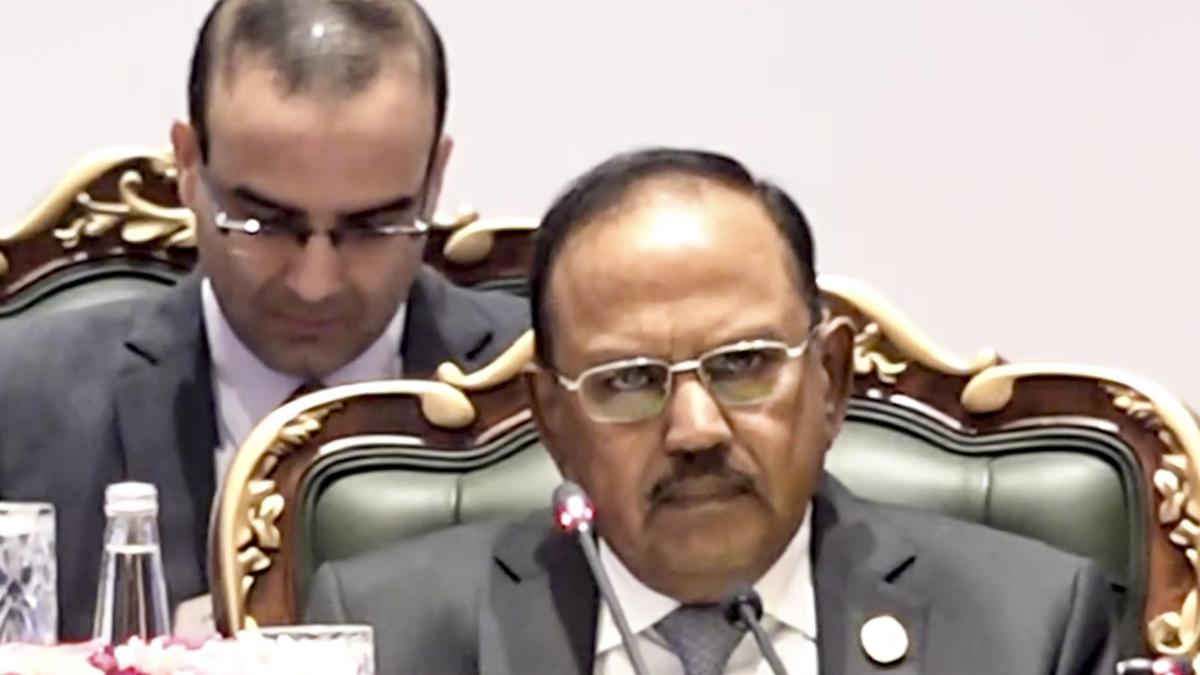
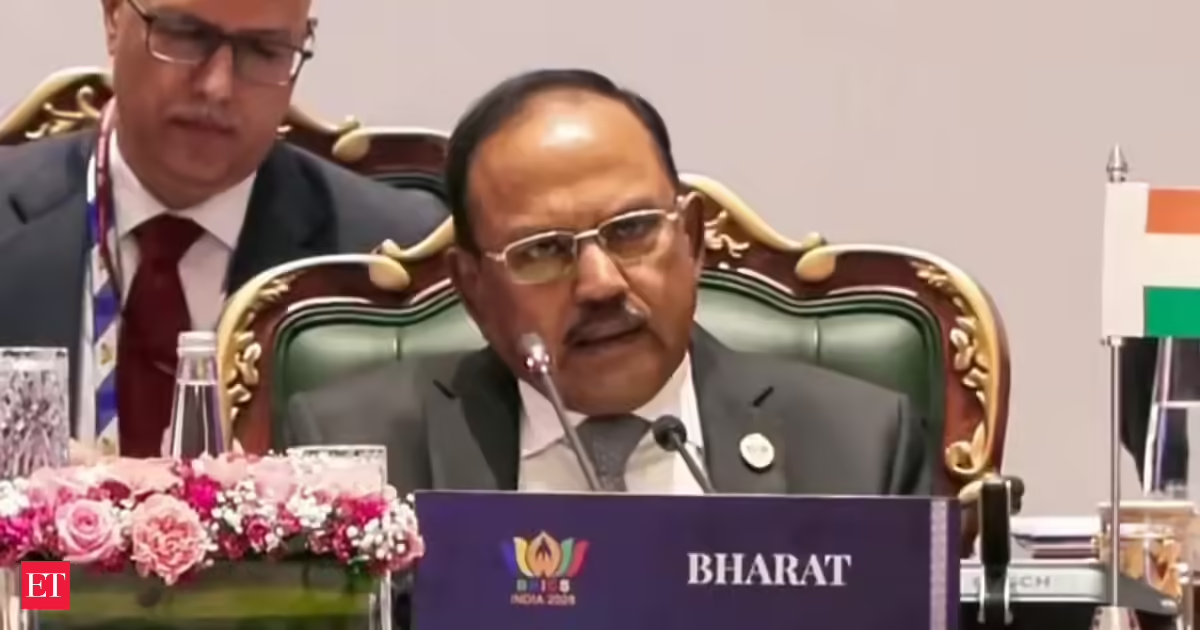
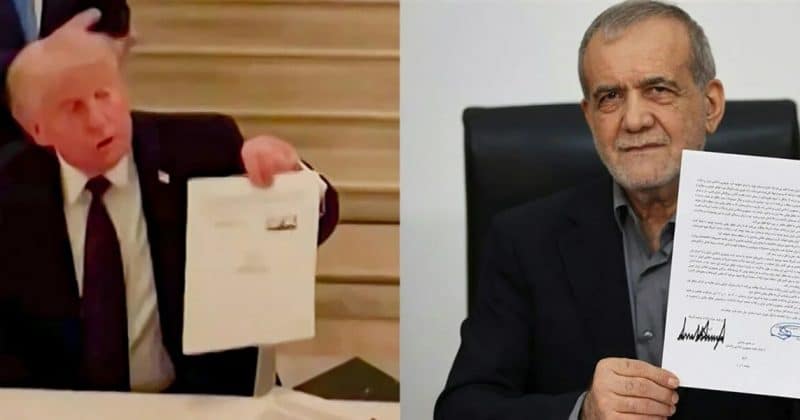
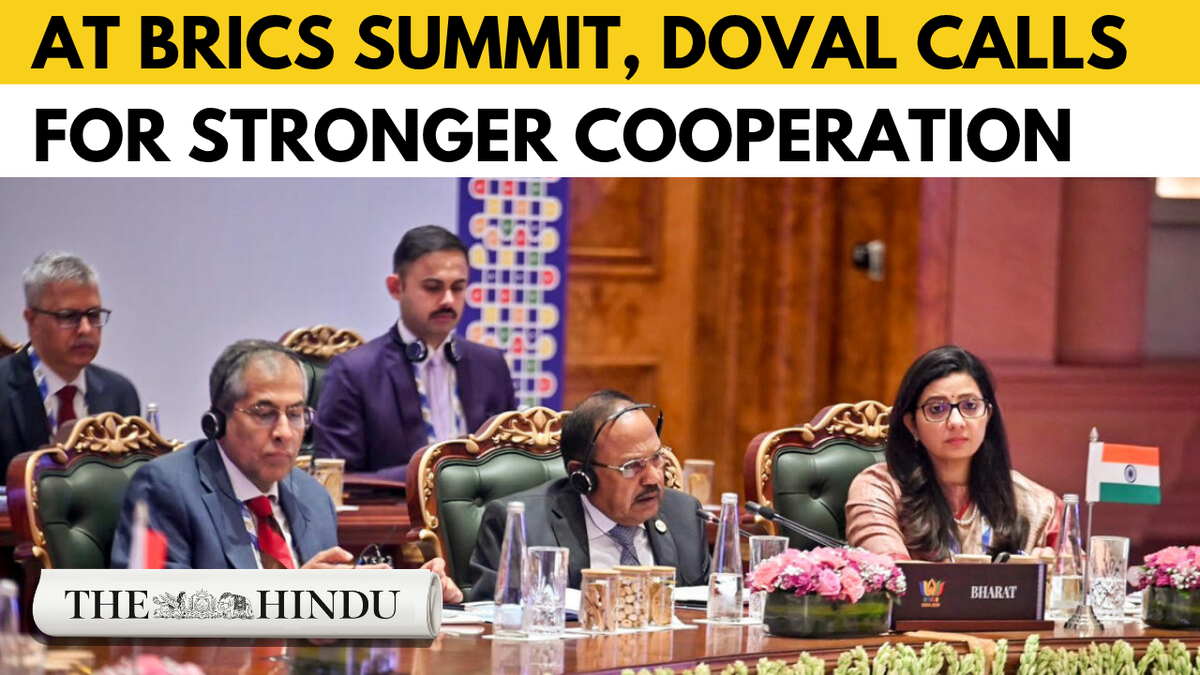
The opening of the Strait of Hormuz is a very welcome move for global energy security, National Security Advisor Ajit Doval said on Tuesday, welcoming his counterparts from BRICS nations at a key conclave here.In his televised opening remarks at the BRICS NSAs meeting, Doval, touching upon impact of "geopolitical uncertainties and economic strains", underlined the need for the grouping to play a significant role in addressing the challenges.Chinese Foreign Minister Wang Yi, Russian NSA Sergei Shoigu, Iranian security official Ghadir Nezamipour and other top BRICS security officials are attending the meeting chaired by Doval."India welcomes the MoU reached between the US and Iran. We have got cautious optimism, and we hope that it will work. It will help energy security," Doval said."The opening of the Strait of Hormuz is a very welcome development. It will remove supply chain bottlenecks and (address) shortages in sectors like fertilisers and chemicals," he said.In the remarks, Doval emphasised the importance of BRICS in navigating various global challenges."We are meeting at a very tumultuous time. The world is facing geopolitical uncertainties, economic strains, and disruptive technology," Doval said."Not only that the threats are compounding, but the instruments and institutional mechanisms are increasingly finding themselves to be inadequate to resolve or mitigate these conflicts," he said."Multilateralism is on the decline," he said, adding BRICS has a major role to play in addressing various challenges.New Delhi hosted the conclave in its capacity as the current chair of the influential grouping.BRICS, originally comprising Brazil, Russia, India, China, and South Africa, expanded in 2024 to include Egypt, Ethiopia, Iran, and the United Arab Emirates, with Indonesia joining in 2025.The BRICS has emerged as an influential grouping as it brings together 11 major emerging economies of the world, representing around 49.5 per cent of the global population, around 40 per cent of the global GDP and around 26 per cent of the global trade."We have got a very special role to play in this world, which appears to be in turmoil, a world which appears to be changing, a world in which the instruments of conflict resolutions are probably getting blunted," Doval said."What role we as a grouping can play is a matter that is important for us to ponder." Doval also made a mention of how BRICS took shape."BRICS was conceived as an informal grouping of emerging economies to a more multipolar world order. It was to advance economic cooperation and strengthen the voice of the Global South," he said.Doval said BRICS also envisioned reforms in global governance and institutional improvements."BRICS is a very special coalition of countries that believe in peace, progress, development, and cooperation," he added.The National Security Advisor said the conclave will also discuss the outcomes of the two BRICS joint working groups on counter-terrorism."We need to be cognisant of the new security threats and challenges. Non-traditional threats have transcended national borders and have developed defeat systems against conventional responses," he said.Doval also flagged concerns over non/traditional security threats facing the world, including those emerging from disruptive technologies."They all constitute an important threat for us. Today, we will be navigating some of these non-traditional security challenges in our collective deliberations," he said.Published on June 23, 2026