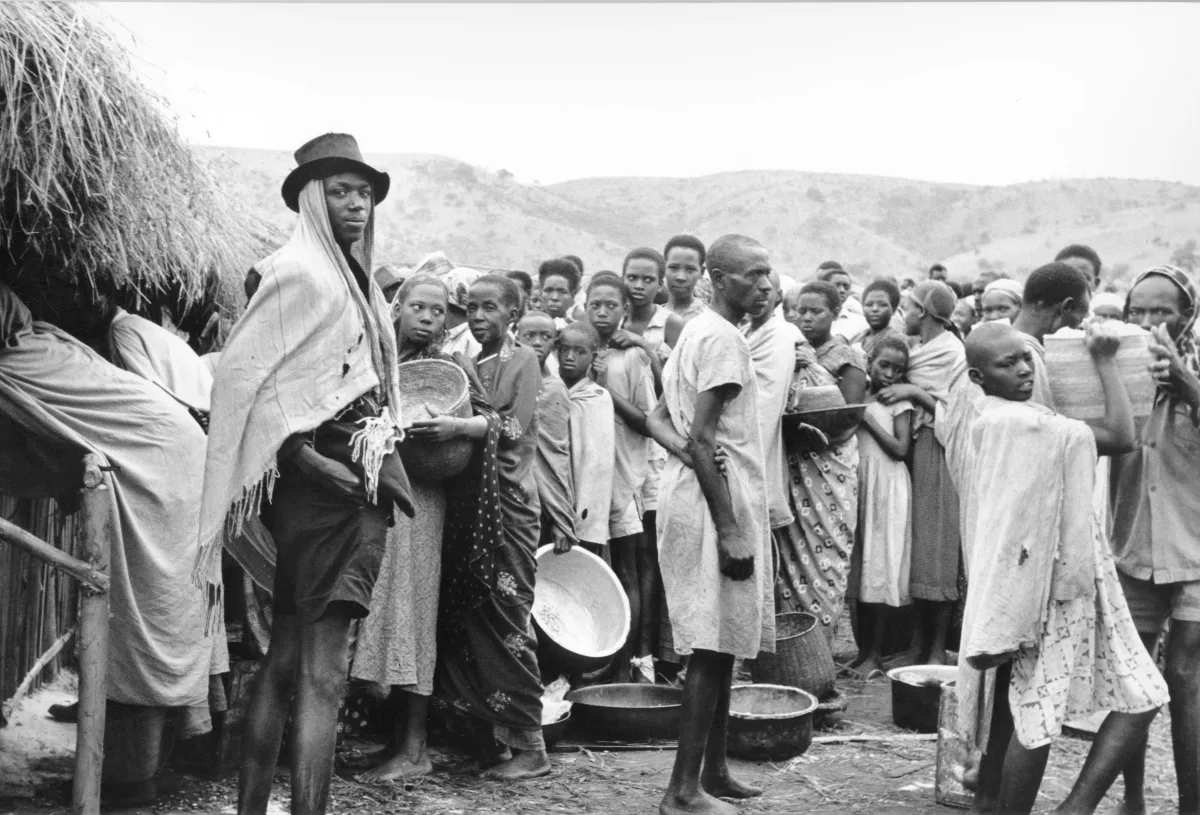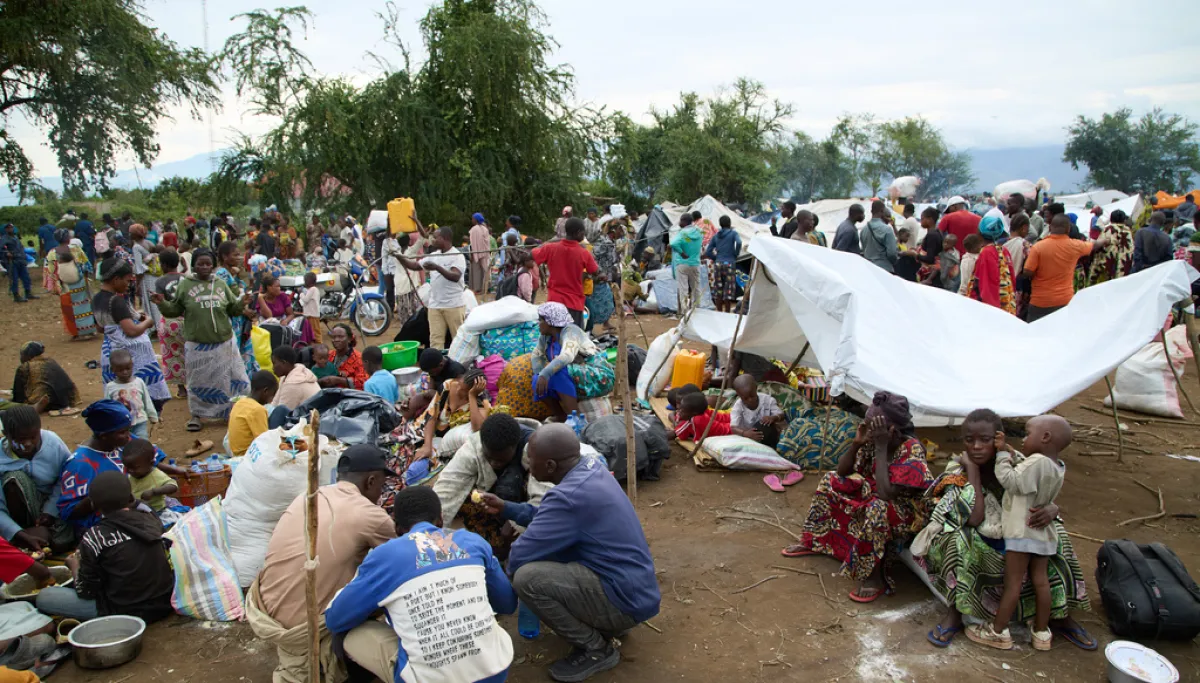
Next month will mark the 75th anniversary of the 1951 Refugee Convention. The treaty holds that refugees should not be returned to a country where they face threats to their life or freedom. Most countries have signed either the original convention or an additional 1967 protocol that updated the Convention language to remove time limitations included in the original agreement and to consider decolonization. The UN High Commissioner for Refugees (UNHCR) implements the Convention among its signatories, ensuring that host countries respect refugee rights.As the anniversary nears, there are two problems that need resolution if the Convention is to survive.The first involves the definition of refugee. Within Western Europe and among leftist circles in the United States, there has been a creeping notion of refugee to include economic migrants. Humanitarian activists argue that refugees, even those who have removed themselves from immediate danger by crossing into a neighbor’s territory, for example, deserve social services and stipends. It is no secret that many refugees flee to the European Union, for example, which has 6% of the world’s population, 15% of the global economy, and over half of the world’s social service spending. The same hold true for many of those crossing into the U.S. from Mexico, many of whom traversed multiple borders along their journey. Leftists may think they are fulfilling humanitarian law, but they are not: Instead, they are creating a moral hazard that endangers refugees, fuels coyotes and organized crime, and creates broader cynicism that spurs populist backlash and endangers the broader convention.
To resolve the refugee crises, less charity and more work permits
The international community should disabuse itself of the notion that humanitarian and economic refugees are the same.
721 words~3 min read