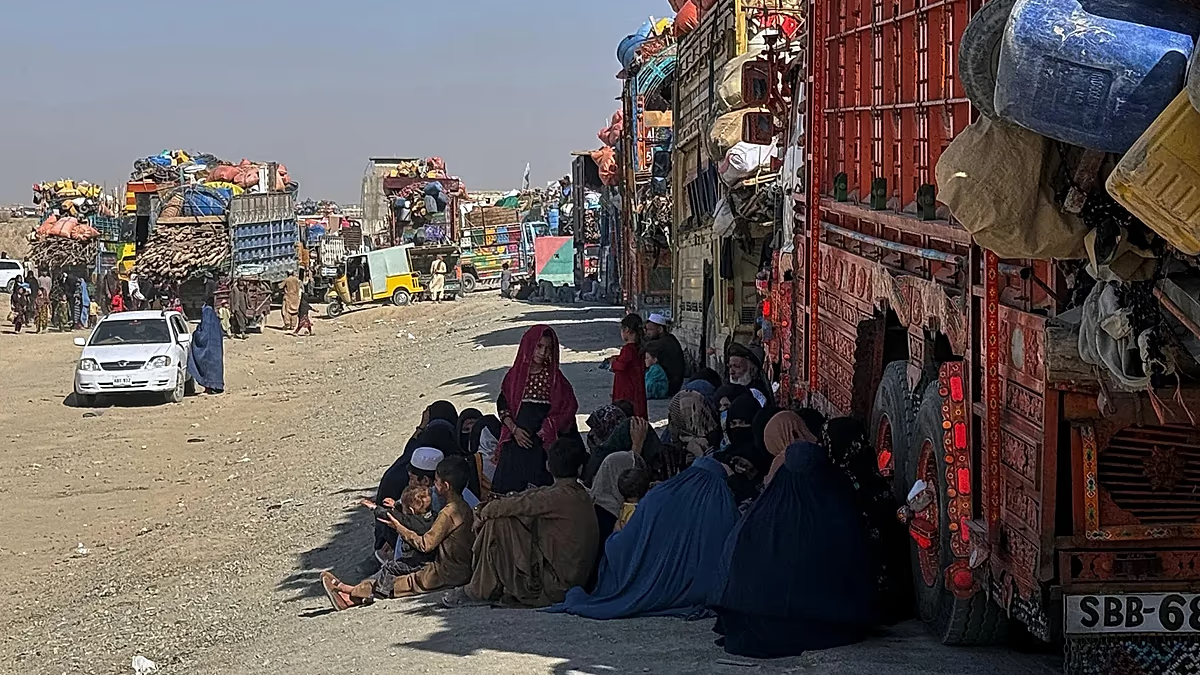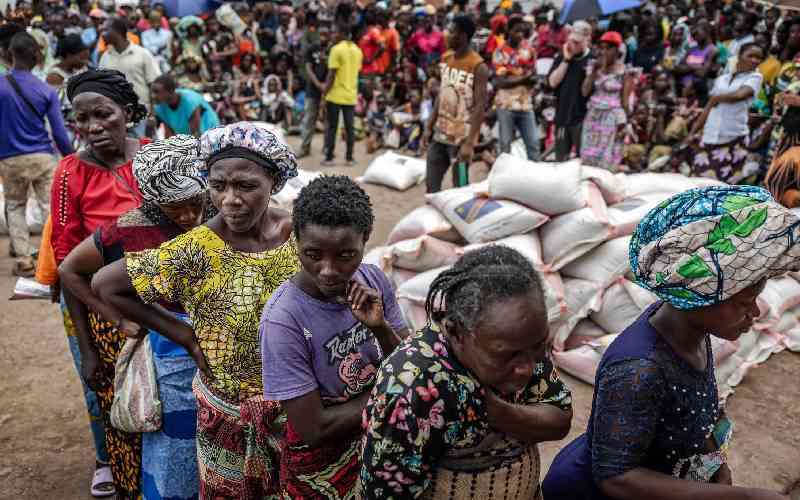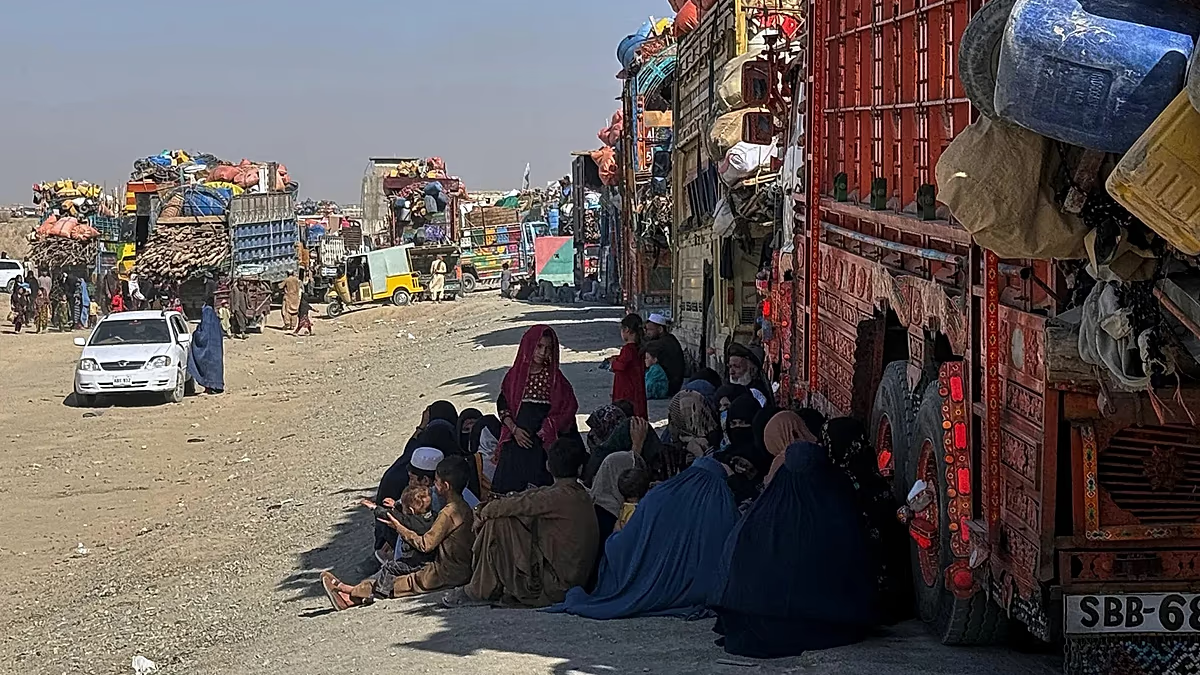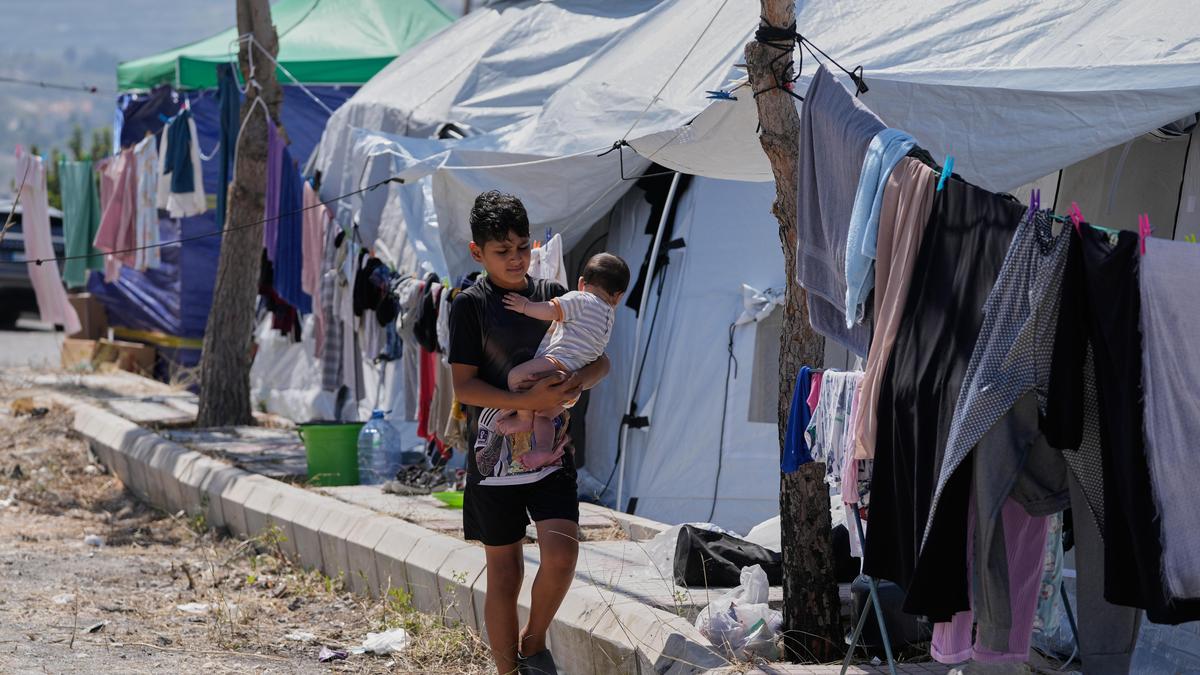
Emerging from the shadows of the second World War, the United Nations sought to build a universally applicable structure to support the millions of displaced people. Following up on the establishment of the Office of the United Nations High Commissioner for Refugees (UNHCR) in 1949, member-countries also went on to adopt the Convention Relating to the Status of Refugees in 1951, which set the ball rolling for how the world has shaped its response to a seemingly constant humanitarian crisis.
A French Red Cross volunteer welcomes refugees coming from Saint-Nazaire in January 1945 in Nantes, during the Second World War.
| Photo Credit:
In 1951, when the Refugee Convention was adopted, the focus of the signatory governments was on rebuilding a fragile European continent. It thus went on limit the definition of a refugee to those displaced by the “events occurring in Europe before 1951”. At the time, the United Nations was looking to bring under its mandate somewhere between 1.5 million to 2 million people. By 1967, this number had ballooned enough, so as to trigger the 1967 Protocol that removed the limits set in the geographical and temporal context of World War II.
A picture dated 1946 shows Jewish families fleeing from Poland and crossing Czechoslovakia to the UNRA camps in the U.S. zones of Austria and Germany. All their belongings with them, the Jewish refugees arrived in Bratislava and are waiting for transport to carry them on to Vienna.