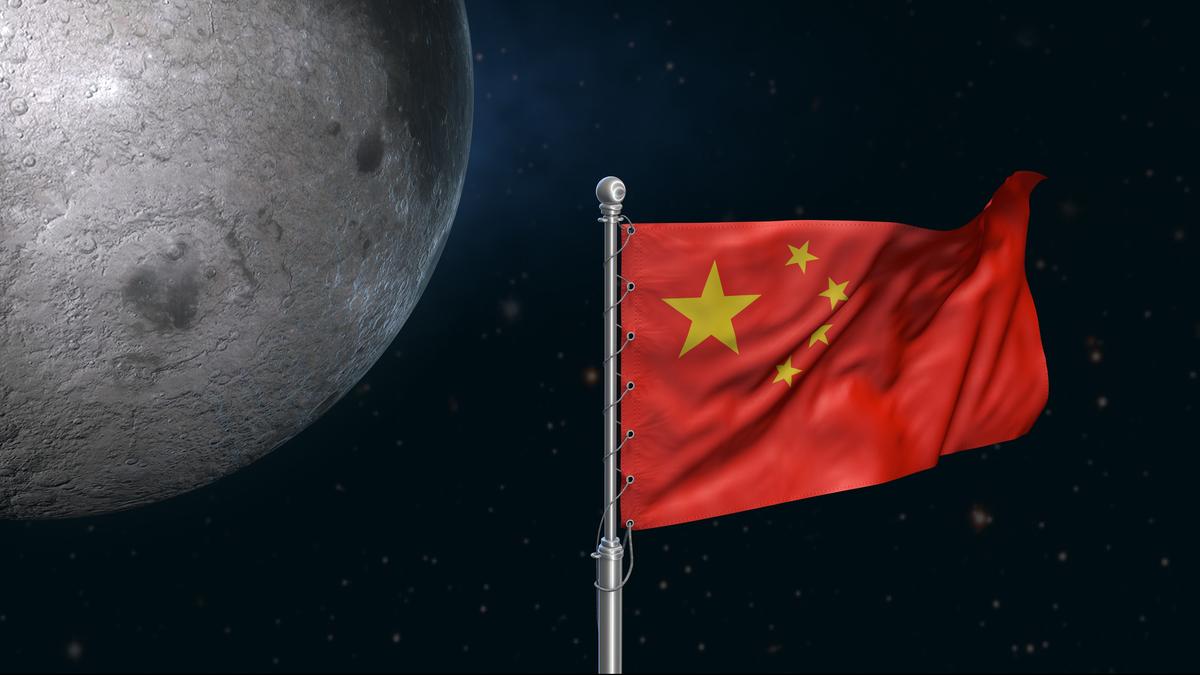
WASHINGTON — As the Pentagon races to build more resilient satellite constellations and other space capabilities to defend against threats from China and Russia, key questions remain unanswered about where competition in space ends and conflict begins, according to a new report from the Mitchell Institute for Aerospace Studies.
The report, based on a January workshop involving more than 50 experts from the military, government, industry, allied nations and academia, concludes that space is no longer a peaceful domain and that adversaries are using increasingly aggressive actions below the threshold of armed conflict to shape the strategic environment while avoiding a decisive U.S. response.
“Conflict in space is more complex than many participants anticipated, hindering efforts to interpret actions, assess escalation, and select appropriate responses,” the report states. “Participants consistently found that the challenge is a combination of a lack of policy clarity and the fundamental nature of the domain itself.”
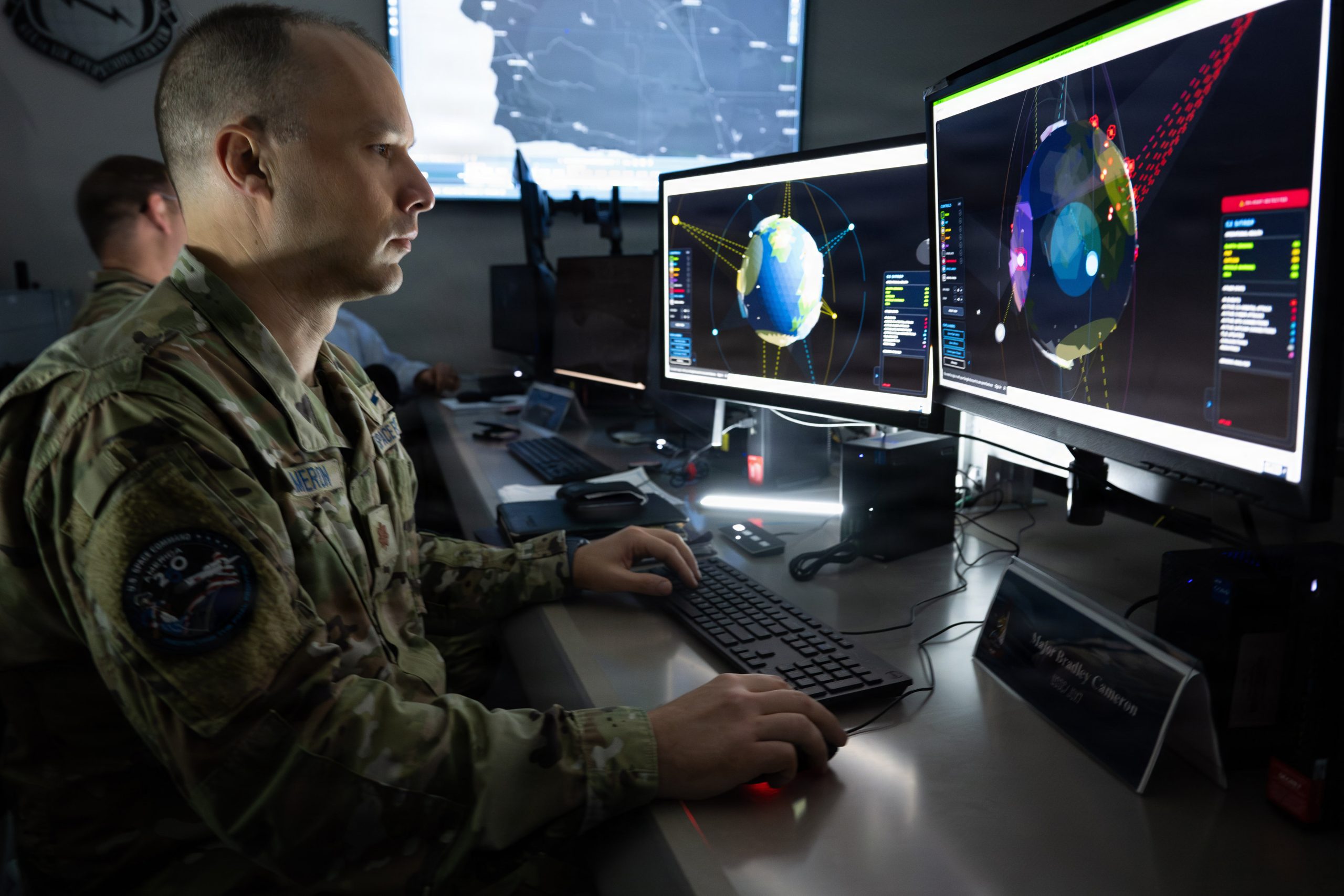
The findings come as the U.S. Space Force seeks to transform itself from a service largely focused on operating satellite systems into one preparing for potential conflict in orbit. Pentagon officials have warned that China and Russia are fielding capabilities designed to disrupt, disable or destroy U.S. space assets that underpin military operations around the world.