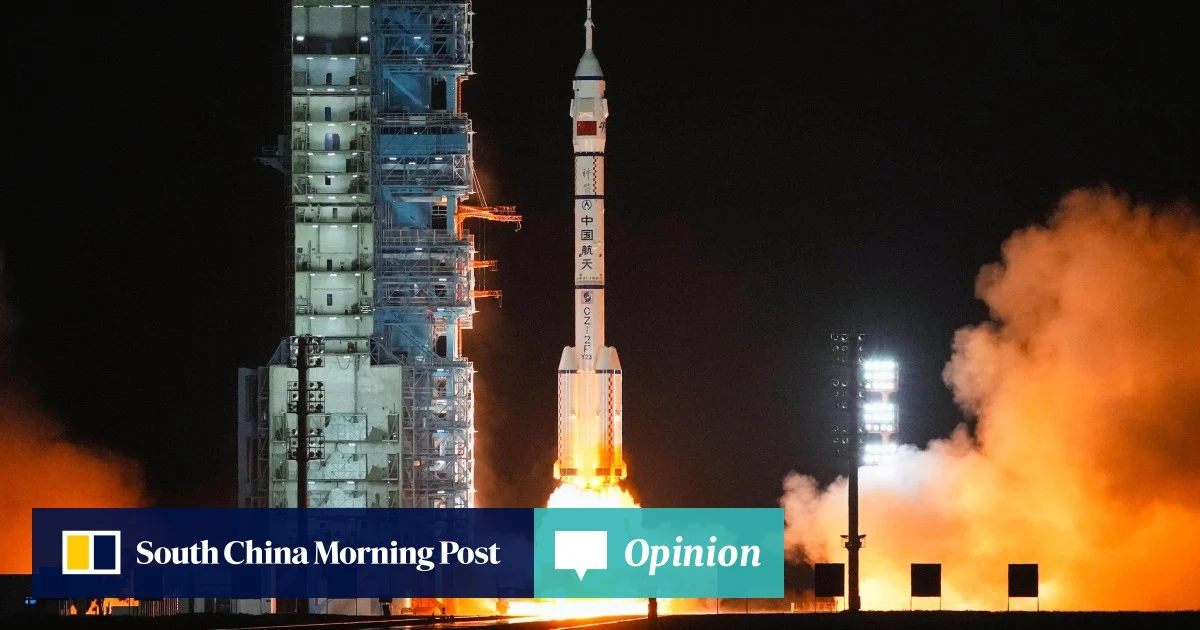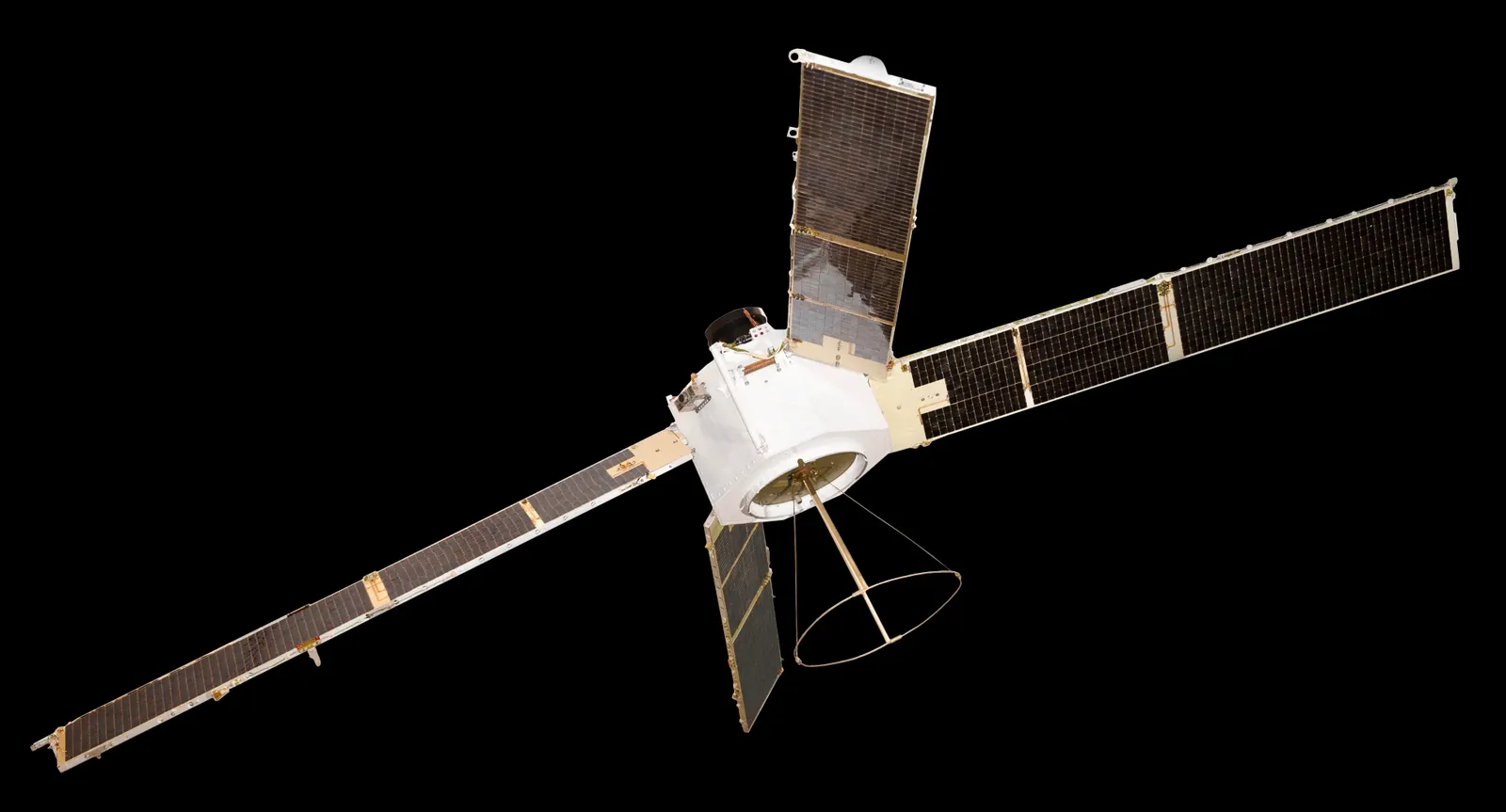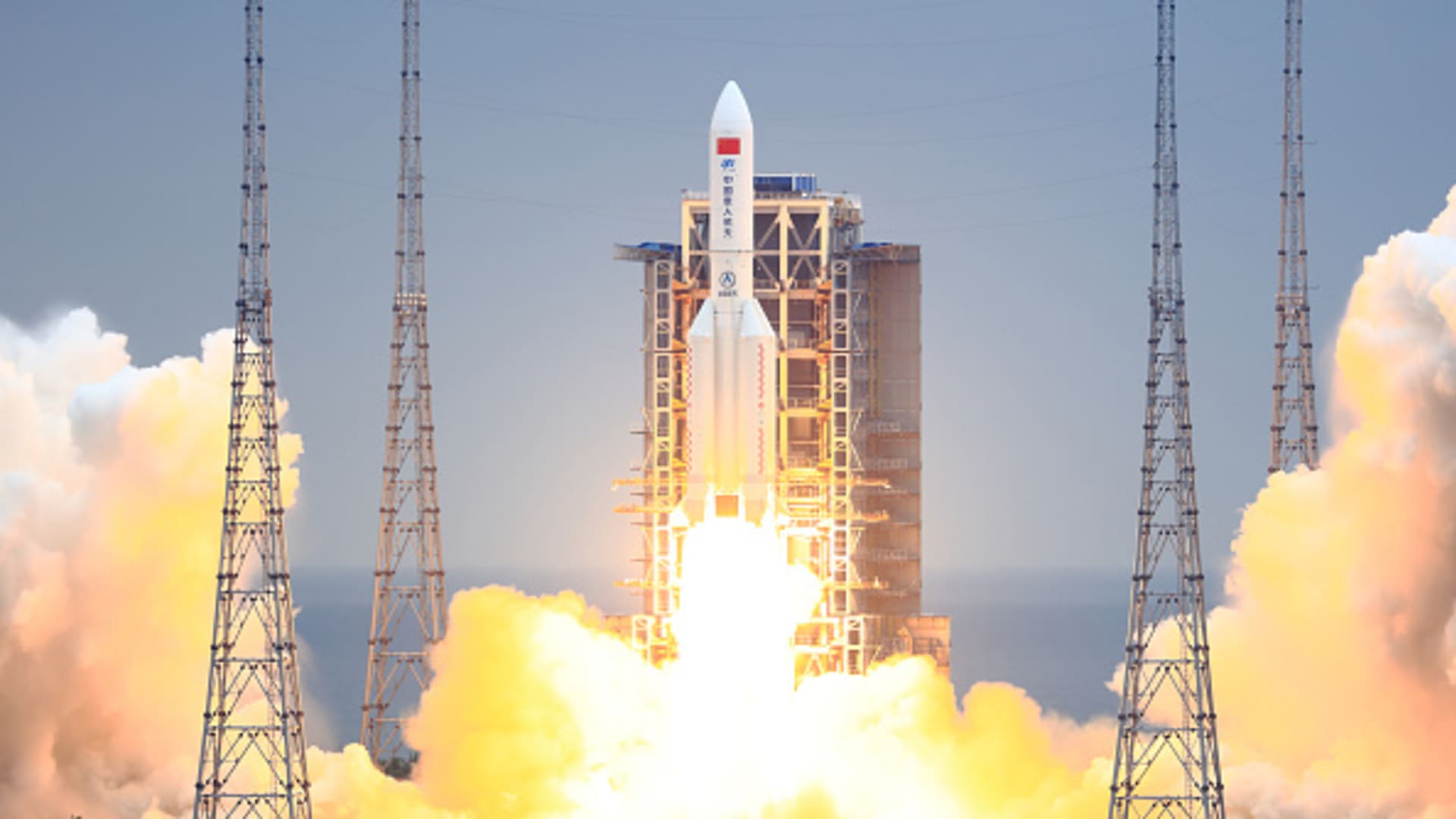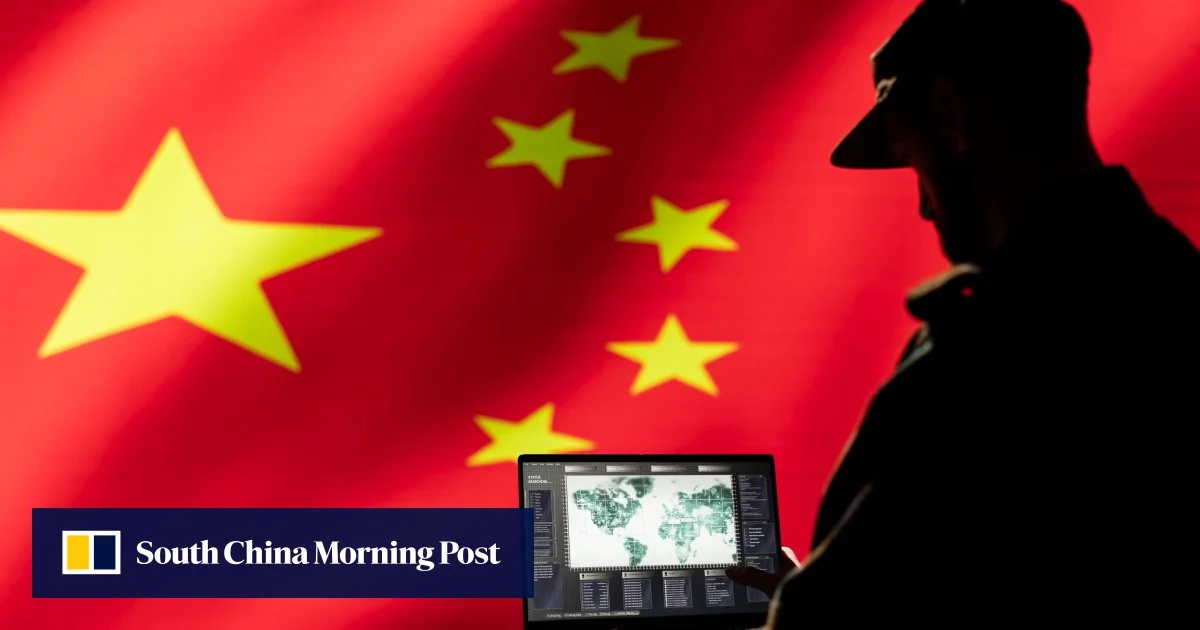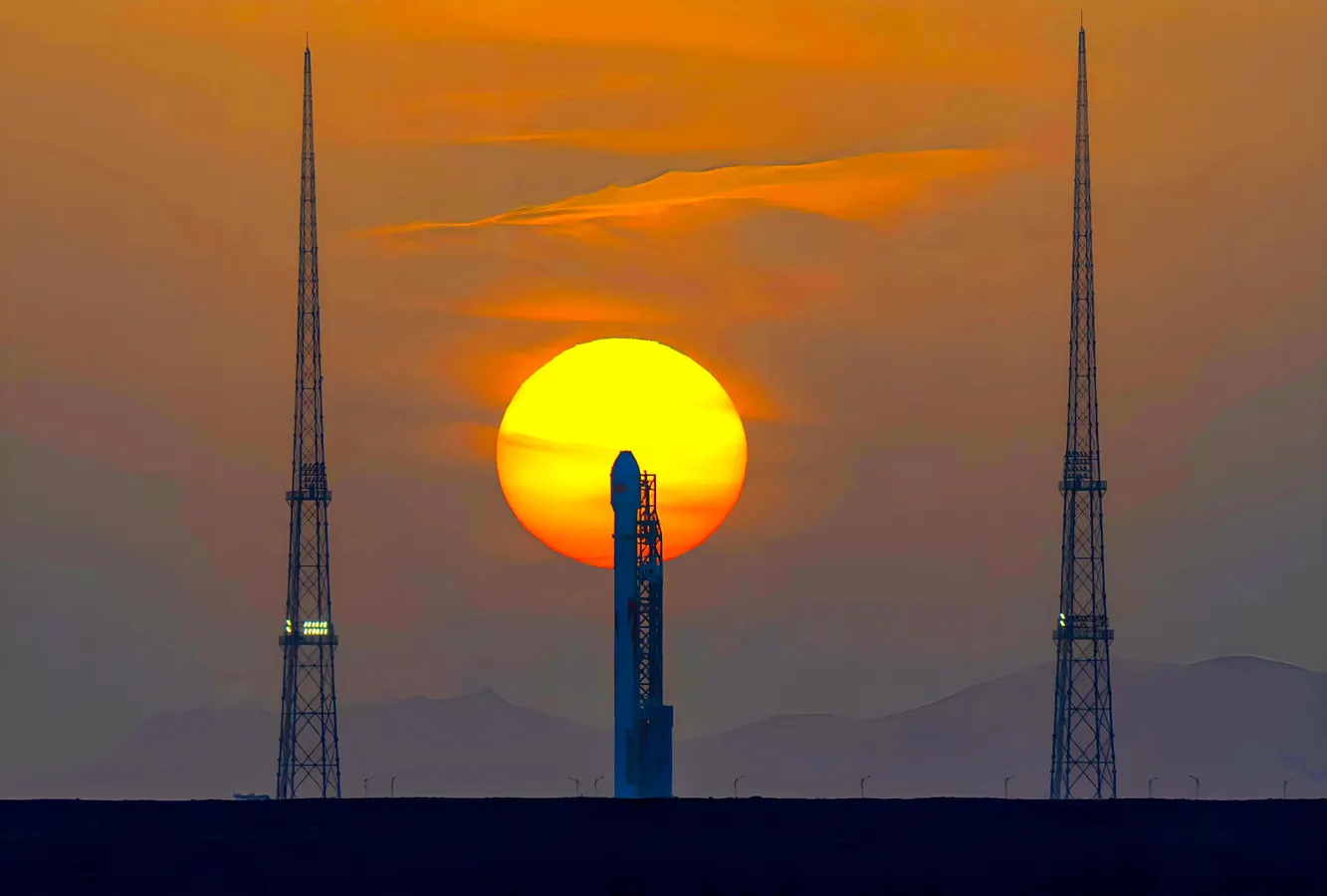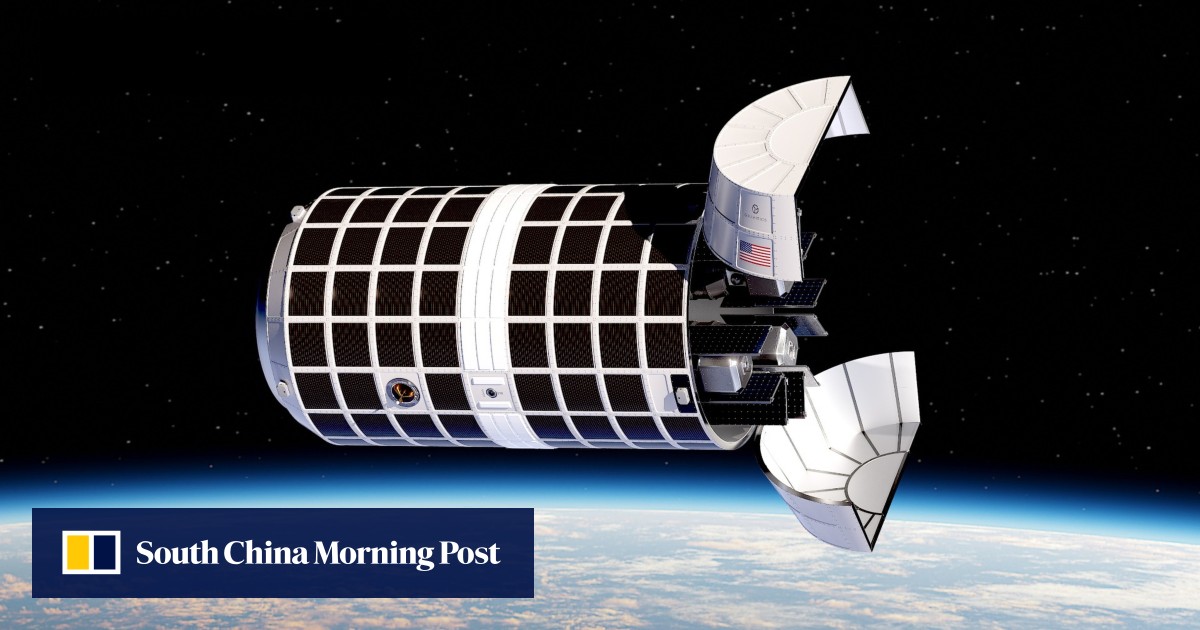
China’s expanding counter-space capabilities are a cause for concern. While no conflict has ever been fought in space, the incentive to influence activities on earth by controlling outer space remains a potential trigger for future confrontation. Beijing’s development of anti-satellite missiles and co-orbital systems blurs the line between routine space operations and counter-space activities.The key question is how Beijing views its space ambitions and control of outer space, and what India can do to safeguard its vital interests in this domain.Beijing’s space ambitionsWhile the Chinese space programme emphasises the peaceful use of space, evidence suggests that China is preparing for an orbital war.In January 2007, it targeted its own satellite from earth. In October 2015, China tested an exo-atmospheric vehicle designed to strike a hostile satellite. In 2022, China used a robotic spacecraft to push a defunct satellite into the graveyard orbit. In 2024, it demonstrated an orbital dog-fight. There is a clear research and developmental push for fielding offensive capabilities in space.China’s space ambitions operate at two levels. First, it seeks to remain competitive in the emerging space race, both technologically and numerically. China has around 1,900 satellites in orbit, compared to more than 8,000 American satellites, including the SpaceX satellites.Second, it recognises the military and economic implications of the weaponisation of space. A single strike could disrupt communications, power grids, navigation systems, financial markets, and military command-and-control (C2) and intelligence, surveillance and reconnaissance (ISR) networks.Accordingly, China aims to land on the moon by 2036, launch a nuclear-powered shuttle by 2040, and establish a solar power system by 2050. Chinese start-ups such as LandSpace, iSpace and OneSpace are challenging rivals such as SpaceX and Blue Origin. China is also exploring lunar and asteroid mining for energy and critical minerals. The growing demand for energy-efficient data centres is likely to further intensify the space race.China is seeking to assert control over outer space in two distinct ways. First, by leveraging space-based assets to safeguard its military and economic systems. Second, by competing with its rivals — both numerically and technologically — to maintain space superiority. Its most immediate competition is with Starlink in low-earth orbit (LEO). China plans to deploy more than 36,000 LEO satellites by 2030. This rivalry could intensify if China were to become the first to establish a presence on the far side of the moon or demonstrate a particular interest in exploiting asteroid resources. Such developments could create an escalatory dynamic in an environment that lacks a comprehensive regulatory framework.Consequently, China’s capabilities are evolving in three key areas. First, kinetic attack systems such as the DN-3 and SC-19 missiles, which can physically destroy satellites. Second, laser-based systems that can dazzle or blind satellites, disrupting navigation and communications. Third, co-orbital satellites, such as the SJ and TJS series, designed to interfere with or dislodge other satellites from orbit. Together, these capabilities could enable the People’s Liberation Army (PLA) to cripple Intelligence, Surveillance, and Reconnaissance (ISR), GPS and communication networks, shaping the battlespace during the first 24 to 48 hours of a conflict.Implications for IndiaIf a contingency arises in Taiwan, the PLA is likely to first blind ISR and communication networks before resorting to hard-kill attacks. This would give Beijing time to shape the narrative, whereas a hard kill could trigger immediate escalation.The U.S. would then have to assess China’s military objectives, and, if an invasion proceeds, neutralise its counter-space capabilities. While both sides may lose assets, the U.S. would likely retain an advantage due to its greater redundancy and resilience. The Taiwan scenario applies to India albeit on a lesser scale. India has around 60 operational satellites as against 400-plus Chinese military satellites alone, which implies lesser redundancy. Losing five to six satellites will hurt India more.Hypothetically, China could strike at the CARTOSAT/RISAT series, which could lead to loss of tactical-level imagery for hours, if not days. Instead, if it only choose to lase as these satellites as they pass over the Line of Actual Control, it could lead to temporary blind spots. They could even deploy jammers to disable India’s NavIC system.The key strategic takeaway is that while China can conduct peacetime harassment using lasers and jammers, or temporarily blind a few satellites during a border crisis, it cannot inflict crippling damage without destroying a large number of Indian satellites and risking severe Kessler Syndrome consequences. While Mission Shakti has strengthened India’s deterrence posture, its utility remains restricted. Moreover, a single successful test does not guarantee operational reliability, and India still lacks co-orbital capabilities to counter satellites such as the SJ and TJS series.Safeguarding India’s interestsA few measures are pertinent. First, India must expand its space industry beyond the Indian Space Research Organisation to increase satellite production and launch capacity. Greater capacity translates into greater redundancy. Second, it should disaggregate large satellite programmes, such as GSAT, into smaller constellations, which are more resilient and survivable. Third, India must strengthen the protection of its ground space assets to mitigate the impact of hard-kill attacks. Fourth, it should enhance data-sharing arrangements with strategic partners so that, in the event of satellite losses, critical services can be restored through commercial or partner networks within hours.Besides, India should also clearly define its red lines and the scope of a proportionate response to ensure that China fully understands the potential escalation ladder.Harinder Singh is a former corps commander
Orbital rivalry — the challenge of China’s space power
China’s expanding counter-space capabilities are a cause for concern
887 words~4 min read