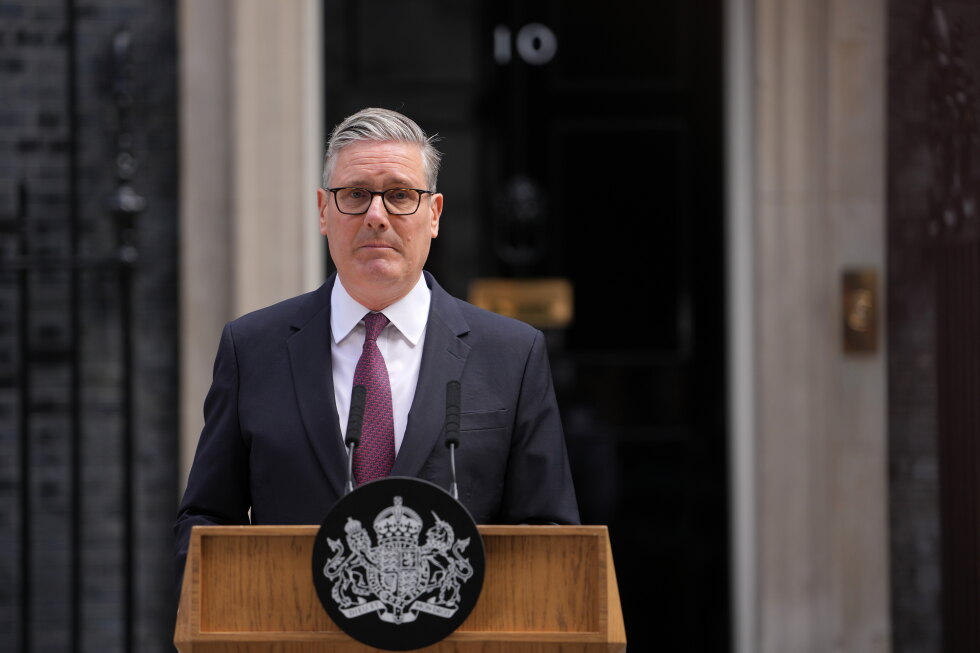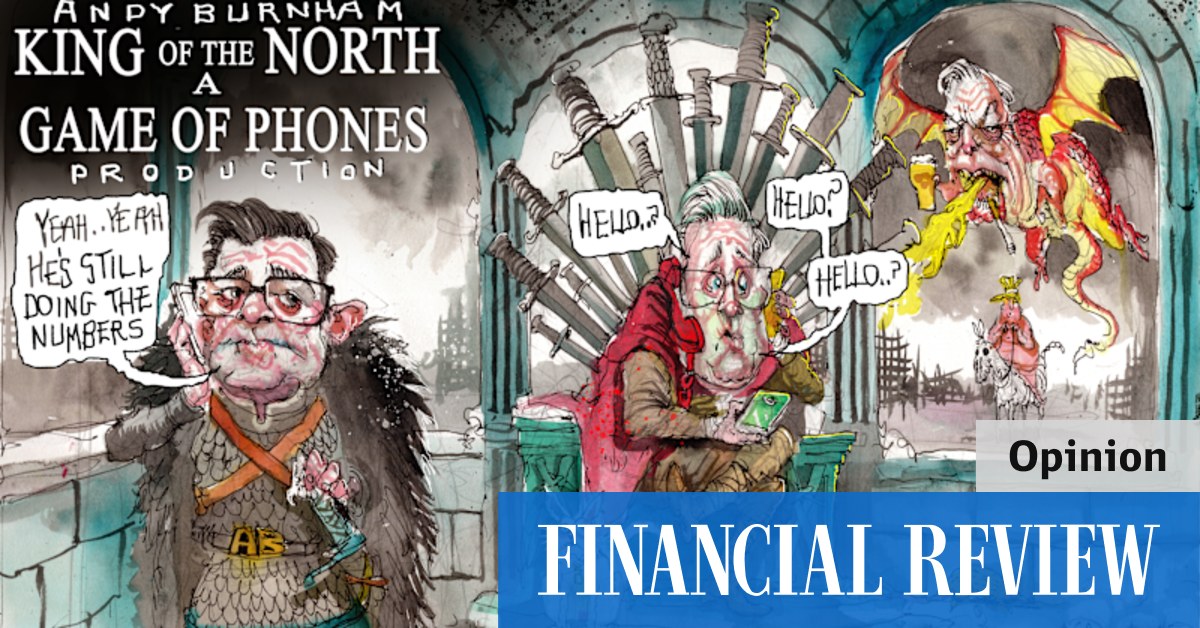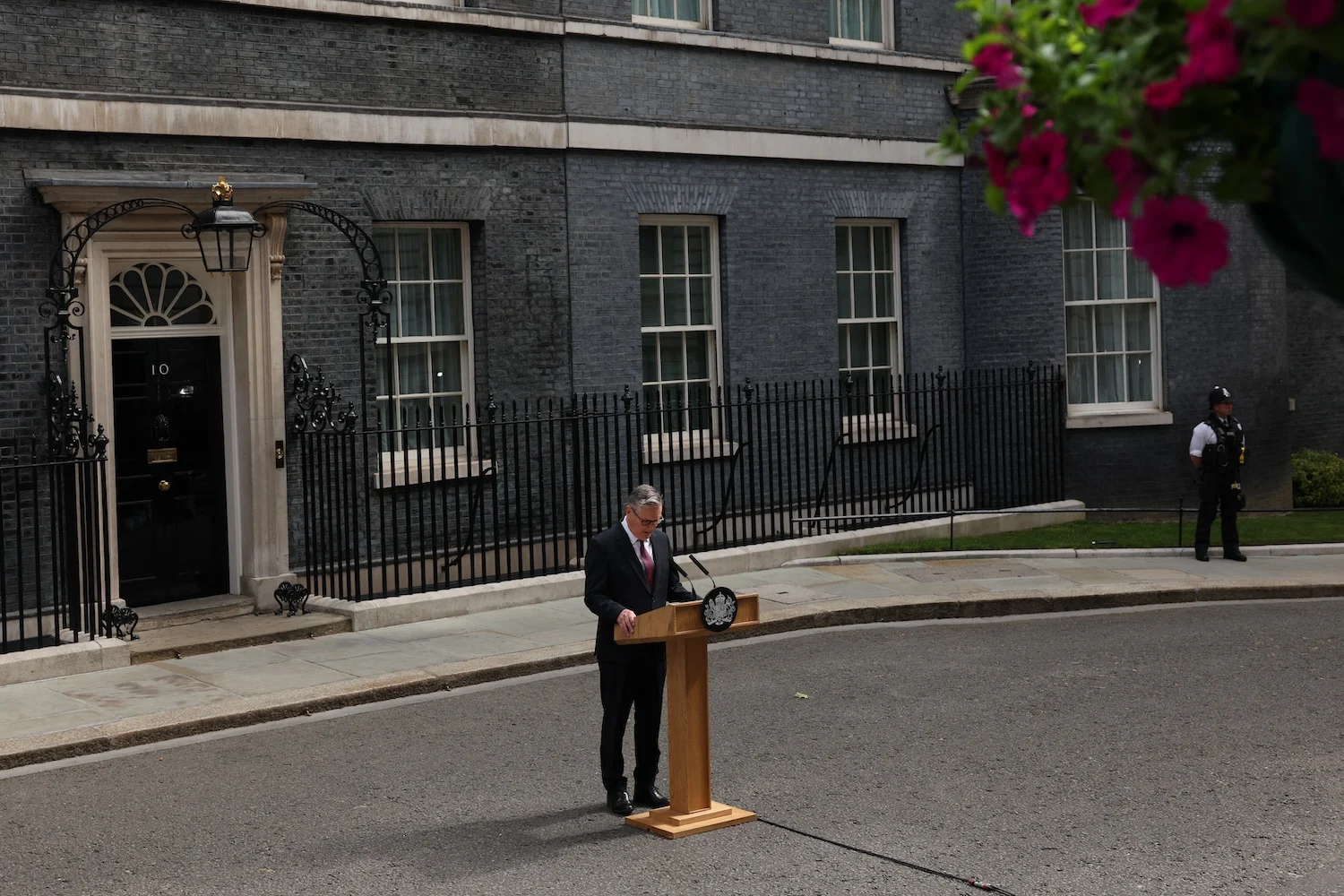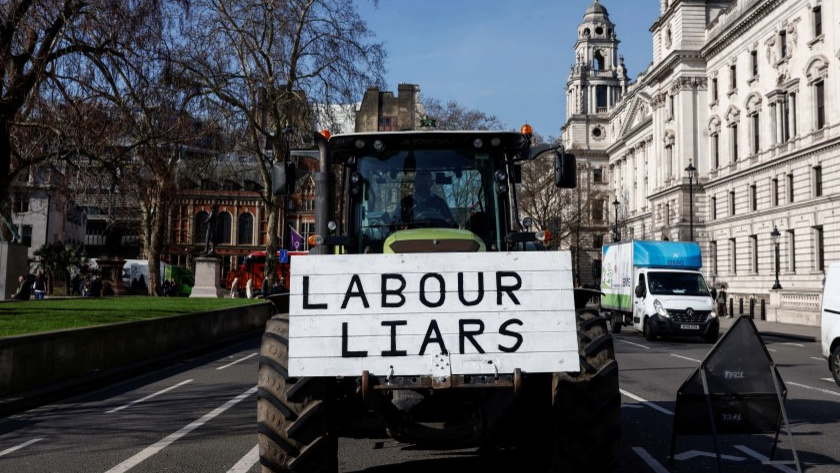
There will be few tears shed at the news of British Prime Minister Keir Starmer’s resignation, except perhaps his own. By the end of his tenure, Starmer could command neither authority nor affection, whether within the Labour Party or across the country at large.
Last month’s local, Senedd and Holyrood election results confronted Labour MPs with the reality that many of them were facing wipeout; as soon as a credible alternative candidate emerged, they were always going to move against Starmer, who had long since become an electoral liability.
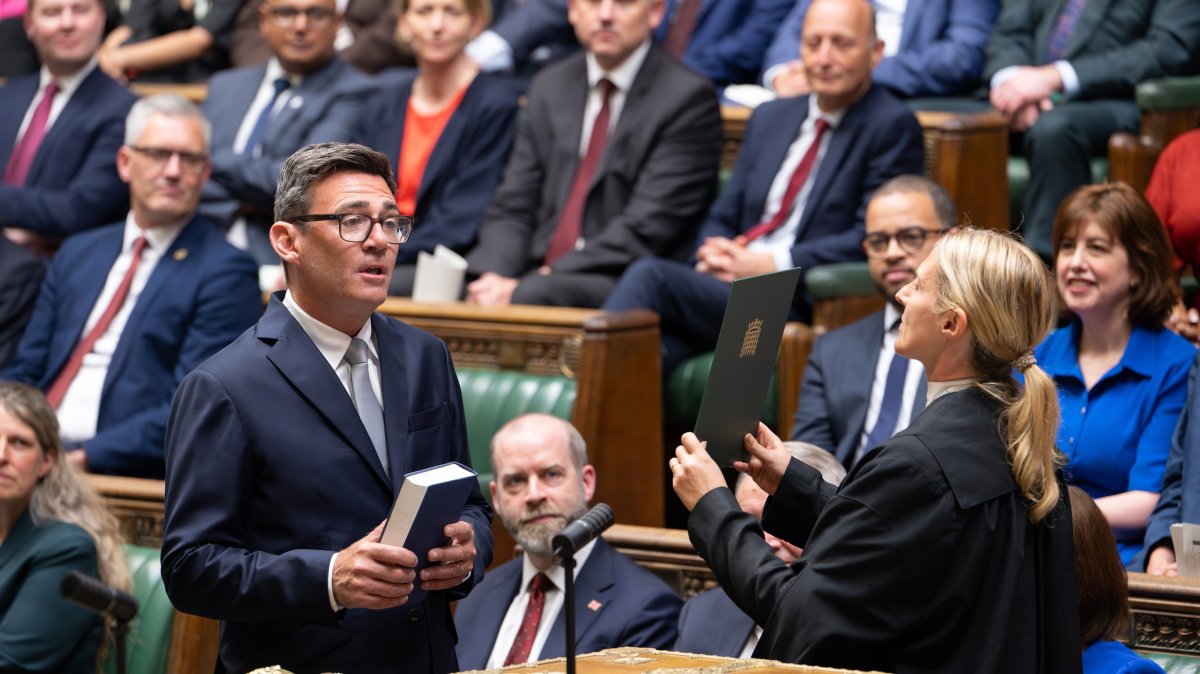
Starmer’s fate was sealed by the return of Andy Burnham to parliament in the Makerfield by-election last week. Burnham won the by-election with nearly 55 percent of the vote, defeating Reform UK candidate Robert Kenyon by a margin of more than 20 percentage points.
The Green Party, meanwhile, saw their support severely squeezed to just 308 votes, or less than one percent, although they will be hoping for a much better showing in the Greater Manchester mayoral election triggered by Burnham’s departure for Westminster.
Labour’s difficulties, however, did not start with Starmer and do not end with his departure. Despite Burnham’s comfortable win in Makerfield - a seat where Reform UK won every council ward that was contested in May - the party’s support remains fragile.