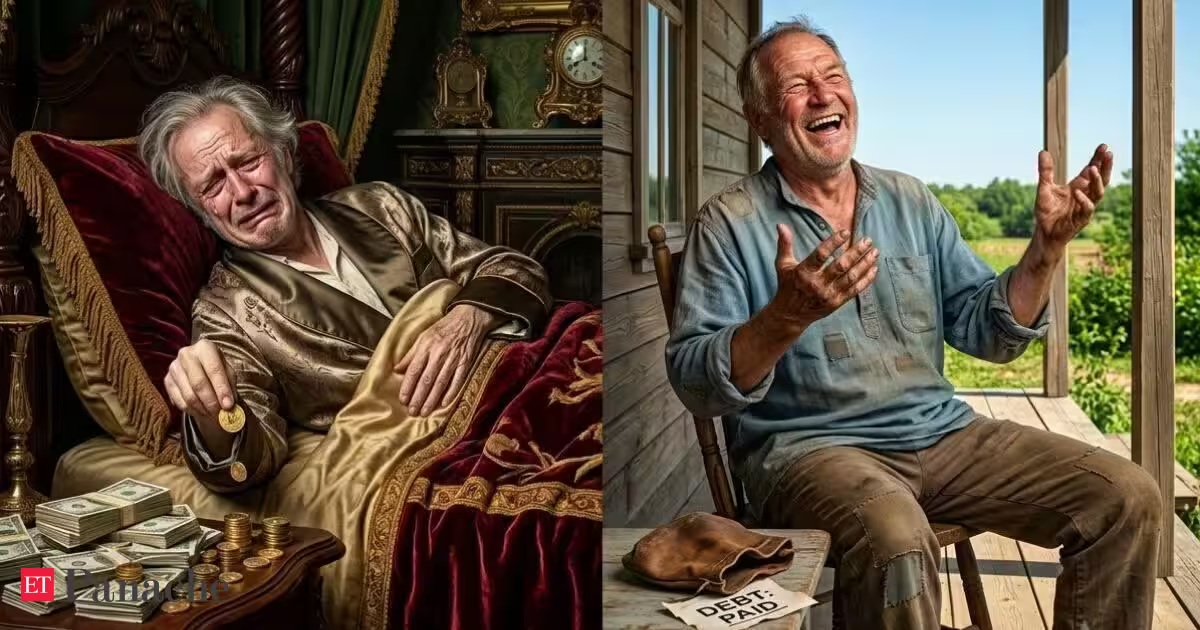
Have you ever bought something you didn't really need, only to lose interest in it a few days later? Or found yourself constantly chasing more, more money, more possessions, and more attention, yet still feeling unsatisfied?As our world often encourages people to want more, an old Amish saying offers a different way of looking at success and happiness. It suggests that true wealth may not come from what we gain but from what we can comfortably live without.Amish proverb of the day: ‘A man is rich in proportion to the things that he can afford to leave alone’Also Read: Amish proverb of the day: ‘It’s not what you make but what you save that gets you out of debt’ - How you can build financial freedom even with a low incomeWhat this proverb meansThe Amish proverb, “A man is rich in proportion to the things that he can afford to leave alone,” suggests that a person's wealth is not measured only by money or possessions. Instead, it is measured by how little they depend on unnecessary things.On a deeper level, the saying teaches contentment and self-control. It reminds us that people who are not constantly driven by material desires often enjoy greater peace of mind. Being able to walk away from excess, temptation, or needless wants can be a form of richness in itself.Significance of the proverb in real lifeThis idea applies to many areas of modern life. At work, people may feel pressure to constantly seek more status, higher salaries, or bigger achievements. While ambition is important, the proverb suggests that happiness also comes from knowing when enough is enough.In personal life, the message encourages people to focus on meaningful relationships, health, and inner peace rather than endless consumption. Those who can resist unnecessary wants often experience less stress and greater satisfaction. The takeaway is simple: true wealth is not always about what you own, but about what you do not need to own.Lesson on relationshipsRelationships thrive when people value connection over possessions or status. The proverb reminds us that love, trust, and understanding are often more valuable than material things. People who focus less on impressing others and more on nurturing genuine bonds are likely to build stronger and healthier relationships.Lesson on friendshipGood friendships are built on loyalty, kindness, and shared experiences, not on expensive gifts or displays of wealth. The saying encourages people to appreciate friends for who they are rather than what they have. Often, the simplest friendships become the most meaningful.Lesson on successMany people define success by how much they earn or accumulate. This proverb offers a different perspective. It suggests that success also includes the ability to remain content, make wise choices, and avoid becoming controlled by endless desires. A person who can enjoy life without constantly wanting more may be richer than they realize.Lesson on money and spendingThe proverb encourages thoughtful spending and financial discipline. Not every purchase or opportunity needs to be pursued. Learning to distinguish between needs and wants can help people save money, reduce stress, and make better long-term decisions.Lesson on personal growthPersonal growth often begins with understanding what truly matters. The proverb encourages self-awareness and the ability to let go of distractions that do not add real value to life. By focusing on purpose rather than excess, people can develop a stronger sense of fulfillment and inner peace.
Amish proverb of the day: ‘A man is rich in proportion to the things that he can afford to leave alone’ - a lesson on contentment and self-control
An old Amish proverb reveals a profound truth: true wealth lies not in what we acquire, but in what we can comfortably do without. This wisdom encourages contentment and self-control, suggesting that peace of mind stems from resisting endless material desires.
559 words~3 min read