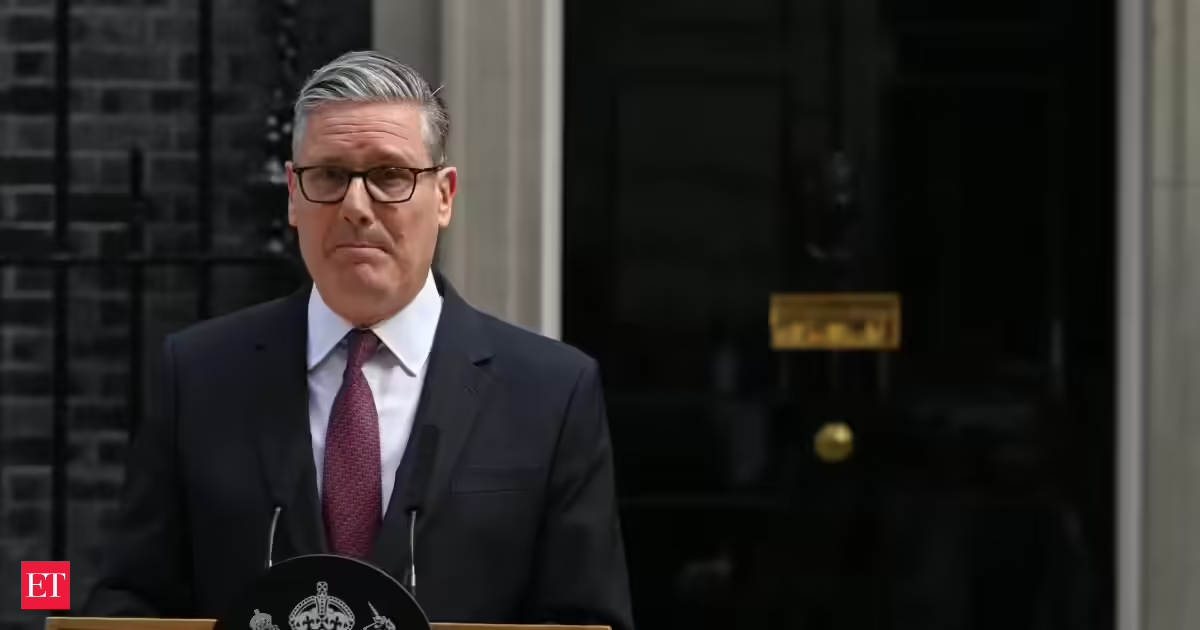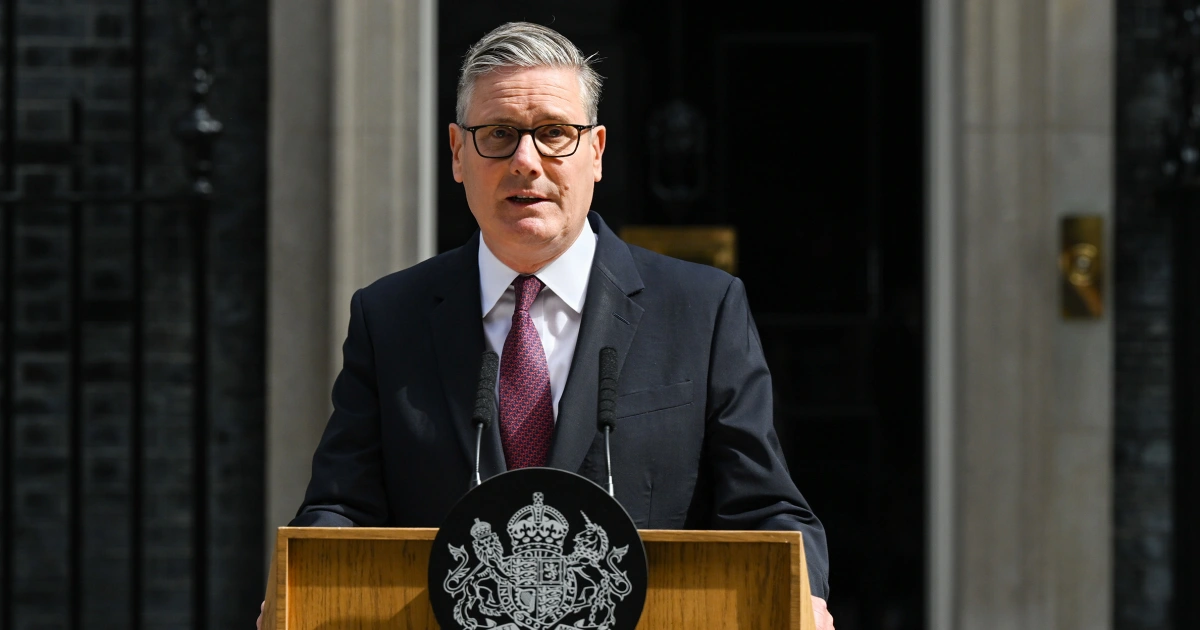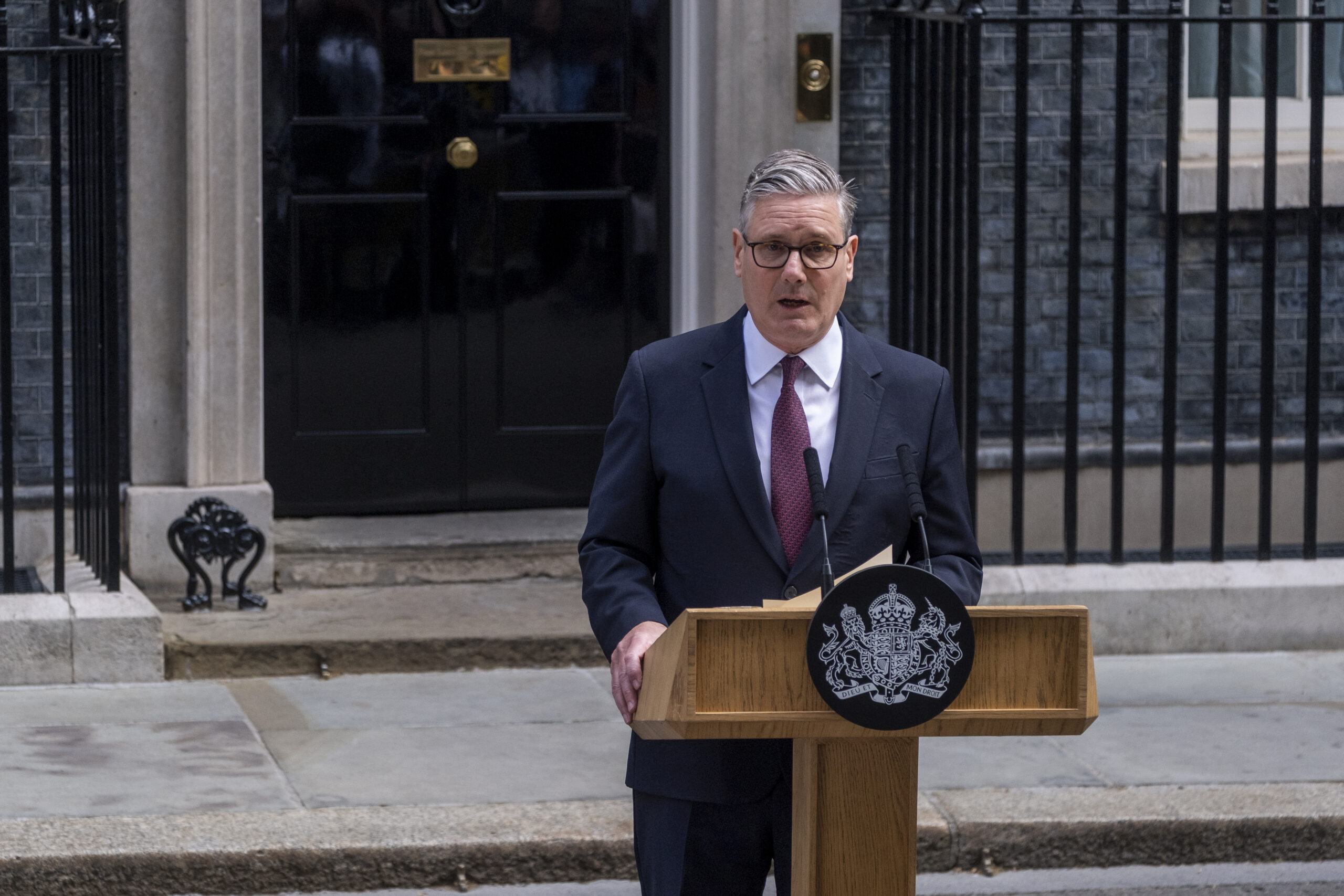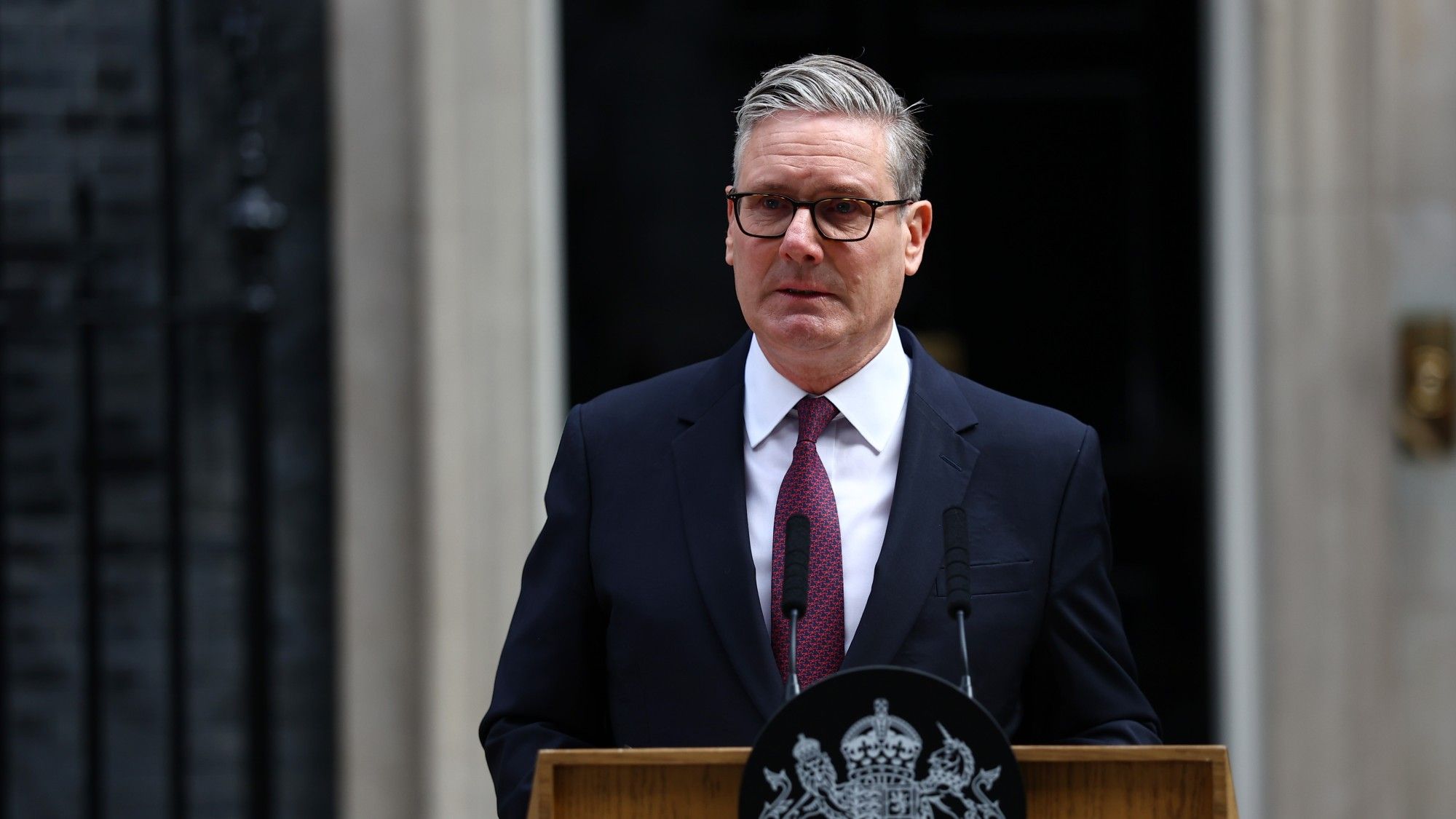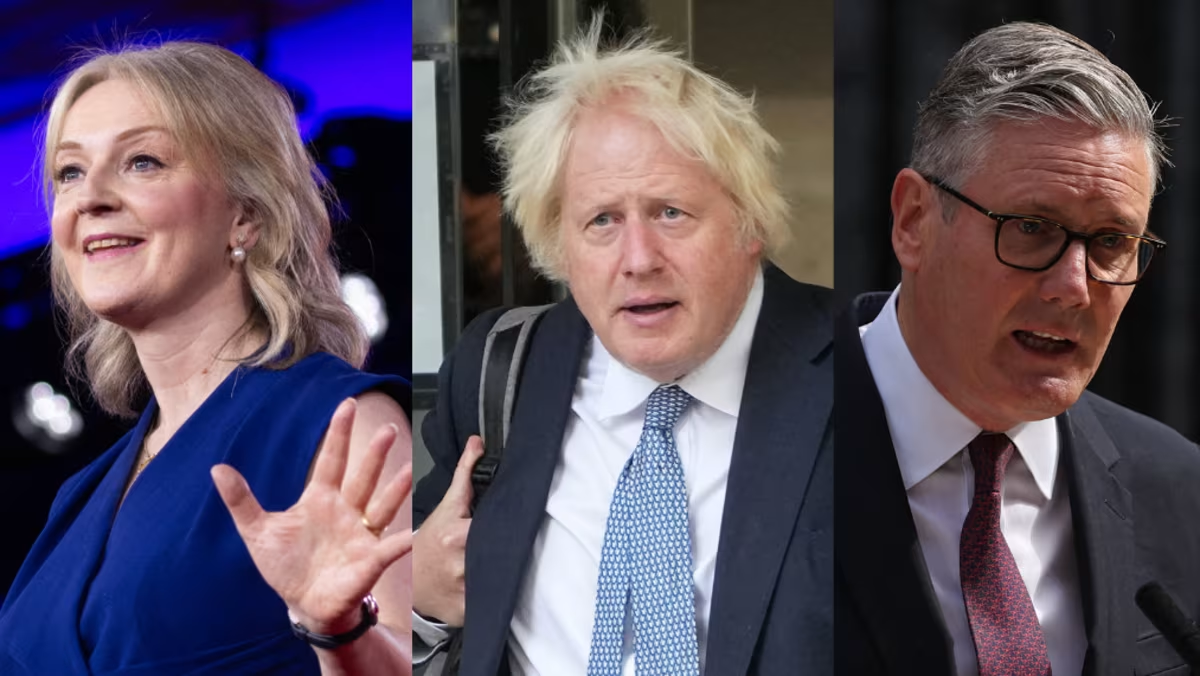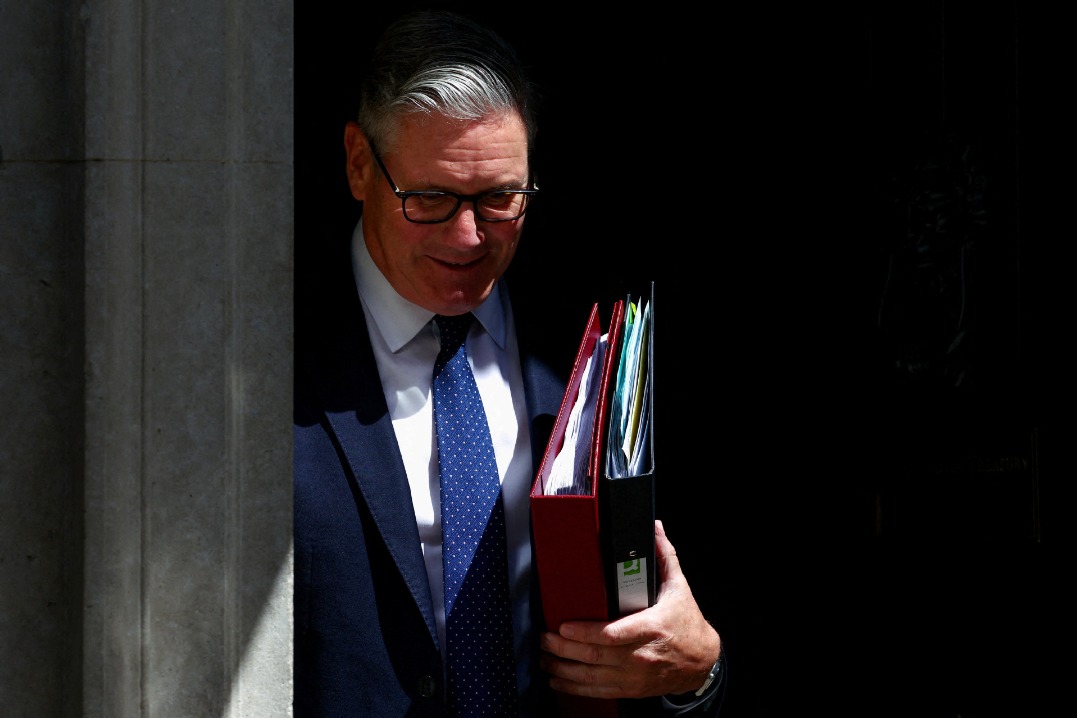
The resignation of British Prime Minister Keir Starmer is reminding the world that the United Kingdom, once defined by its eras of governmental stability and enduring leadership, continues to eat up and spit out premiers.Tony Blair stepped down as prime minister in 2007 after more than a decade of leading Britain. John Major, who preceded him, had been in office for seven years. And before either of those Labour leaders, Margaret Thatcher had been premier for just under 12 years. But since the resignation of David Cameron in 2016, the U.K. has struggled to keep a leader in power for much longer than three years at a time. Most infamously, Liz Truss couldn’t even break 50 days, being outlasted by a lettuce.This revolving door of leadership is directly linked to immigration — an issue that recently drove Brits to flaming riots in Belfast, Northern Ireland, over the government’s perceived refusal to deal with the problem.
Britain’s Prime Minister Keir Starmer speaks during the Organised Immigration Crime Summit at Lancaster House in central London, Monday, March 31, 2025. (Stefan Rousseau/PA via AP, Pool)
According to a report from Gallup published earlier this year, the U.K. is the only country in the world where immigration is considered the top national problem among the voting population. The February report found that more than 1 in 5 Britons said immigration was their No. 1 concern.Immigration reform was one of the central selling points of Brexit, Britain’s seismic nationwide referendum that led to the country leaving the European Union in 2020. Voters believed that by cutting ties with the regulatory bodies of the EU, the country would experience a dramatic reduction to mass migration, which has been cutting against social cohesion and straining public programs.Yet, as the European Parliament pointed out in its 2025 white paper on the issue: “Although the U.K.’s withdrawal from the EU has enabled the country to develop new migration policies, deliberate choices by its own government have led to a significant increase in net migration.”Dr. Radomir Tylecote, a founding director of the British American think tank 878, told the Washington Examiner that British leaders from both the Conservative Party and Labour Party have been “dragging their heels” because they haven’t “worked out how to take advantage of Brexit.”“Because of this establishment failure to deal with really what people’s priorities seem to be, you have challenger parties coming up in the shape of Reform U.K. and now also Restore Britain, but are causing added pressures and added crises for the traditional and major parties,” Tylecote explained.Reform U.K., led by chief Brexit agitator Nigel Farage, has skyrocketed to the top of British voter polls with a platform that promises to begin mass deportations of illegal immigrants and harsh restrictions on the number of migrants coming in. Reform currently enjoys a whopping 25% in public voting intention polls, compared to the Conservatives and Labour tied for second at 18%, according to Politico.British Reform party leader Nigel Farage poses in front of a mock departures board during a press conference in a hangar at Oxford Airport in Kidlington, England, Tuesday, Aug. 26, 2025.(AP Photo/Joanna Chan)