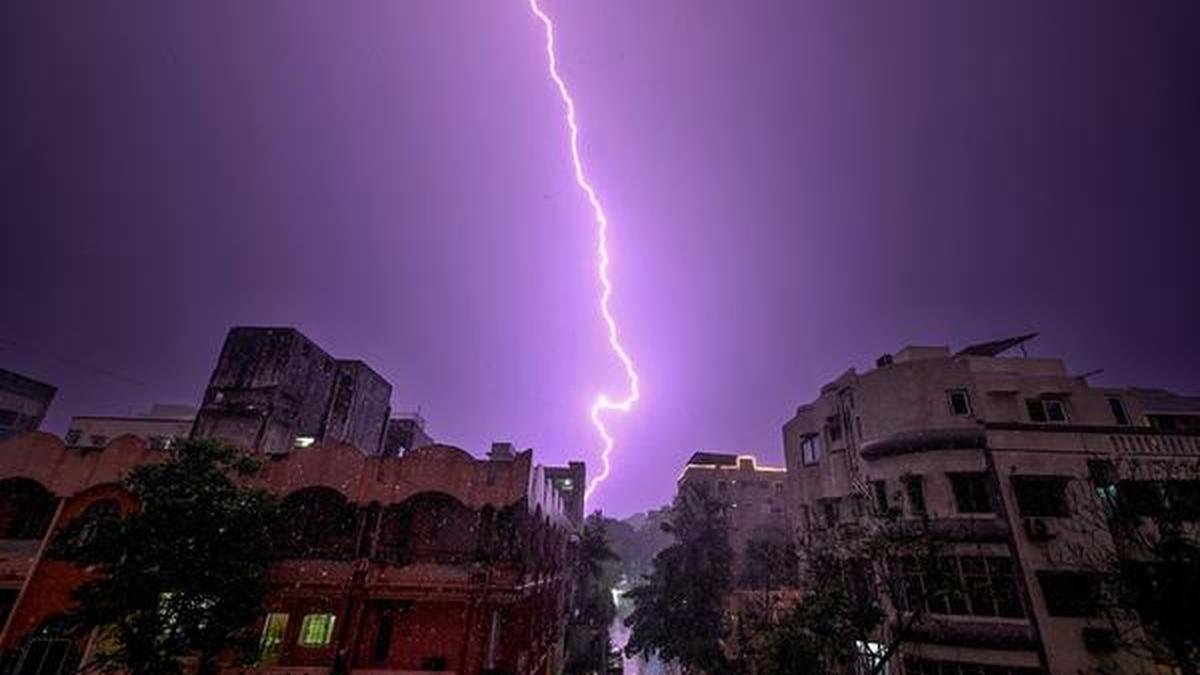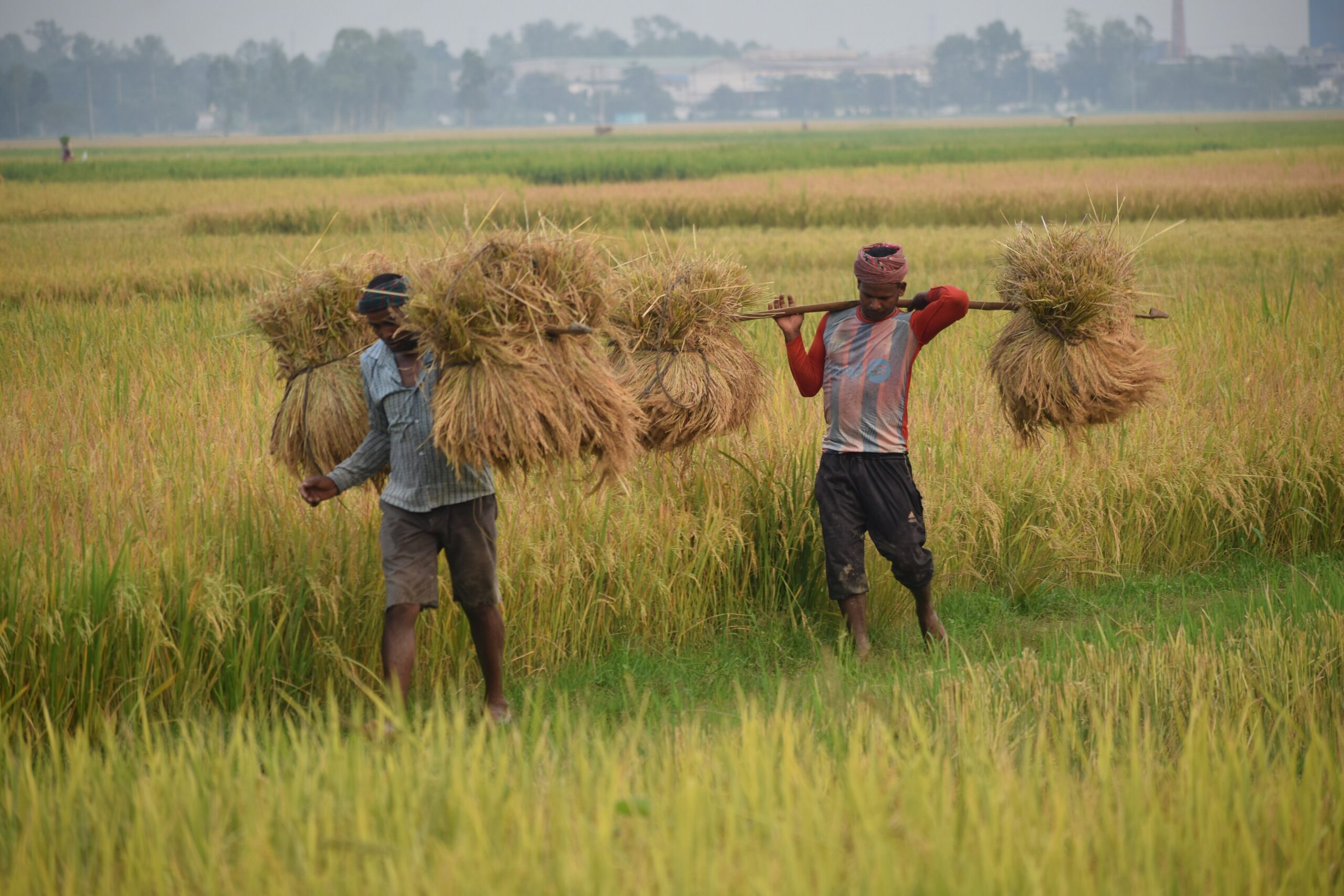
Lightning strikes continue to claim lives, mostly farmers’, in Bangladesh, especially across its northeastern region.Despite several measures by the Bangladeshi government, including palm tree plantation and installation of lightning arresters, all efforts so far have largely failed to protect lives.Experts suggest building public awareness about thunderstorms and thunder clouds to reduce deaths from lightning strikes.
The distance between farmer Sudhin Chandra Das’s home and his 150-decimal (0.6-hectare, or 1.5-acre) paddy field in Bangladesh’s northeastern region of Sylhet is more than half a kilometer (0.3 miles). During the boro rice harvesting season, usually mid-April, when thunderstorms are common, he cannot afford to stay at home, he said: He has to go to the vast open field to harvest the ripe crop, even though there is no shelter when lightnings strike.
“It’s scary. I don’t know how to protect myself, and I fear I could be killed by a strike at any moment,” Sudhin told Mongabay.
Sudhin lives in the Shalla subdistrict, Sunamganj district, in the Sylhet region, one of South Asia’s most lightning-prone zones. According to lightning data for the decade of 2016-25, Bangladesh’s northeastern zone witnesses 64 to 96 fatal lightning events per square kilometer (about 0.4 square miles) annually.