Many leaders believe their teams lack ownership. But often, ownership isn’t missing, it’s been designed out of the system.When projects stall, decisions are delayed, or teams become overly dependent on leadership, the conclusion is often immediate: people need to take more ownership. They need to be more proactive, more accountable and more engaged.
At first glance, that explanation seems reasonable. But it may not be the real issue.
Because ownership is rarely a personality trait that some people have and others do not. More often, ownership is a response to the environment people work in every day. And the environment matters more than most leaders realise.
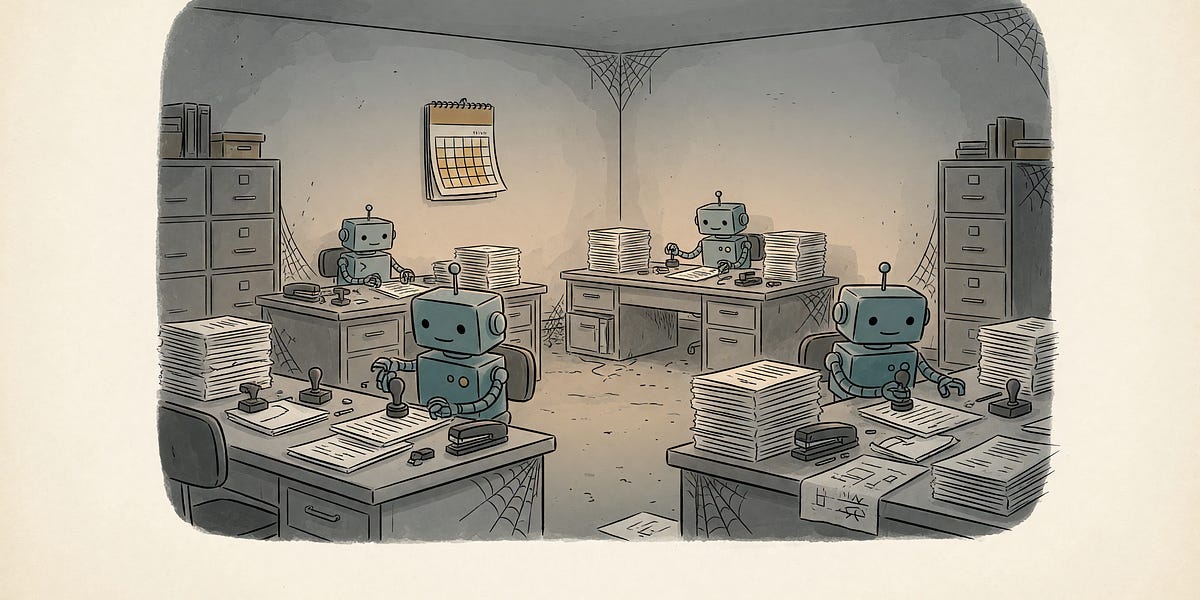
When decisions are tightly controlled, approvals require multiple layers, leaders step in too quickly and mistakes are not tolerated, people adjust. They wait, check, seek permission and avoid risk. Not because they lack initiative, but because the environment doesn’t support it.
Over time, even highly capable people learn that acting independently creates more risk than reward. The safest option becomes waiting for direction, escalating decisions, or simply complying. What leaders often interpret as a lack of ownership may actually be a rational response to the system they have created.