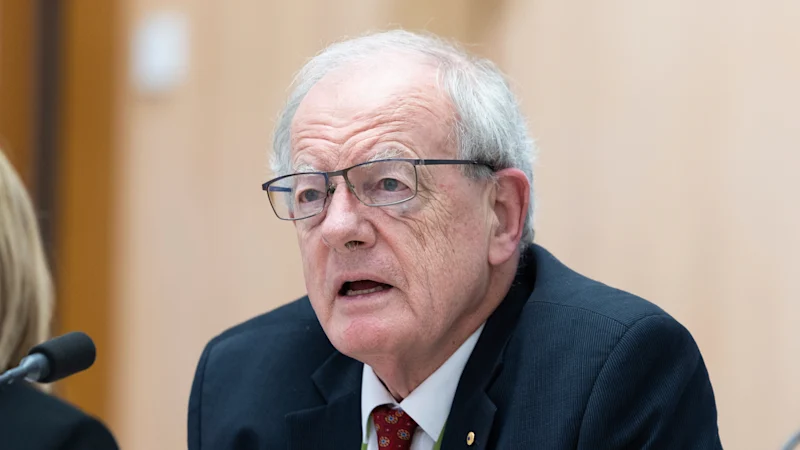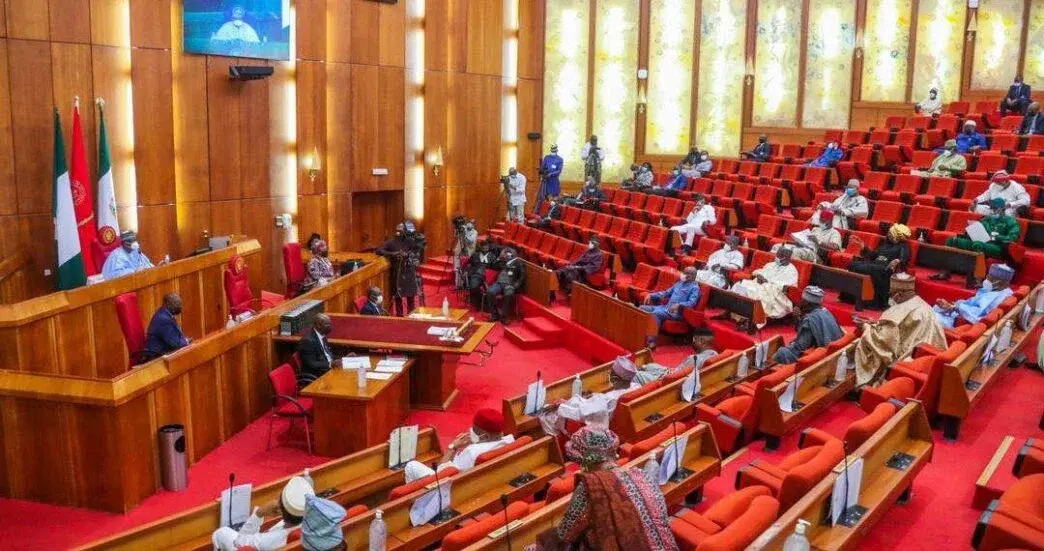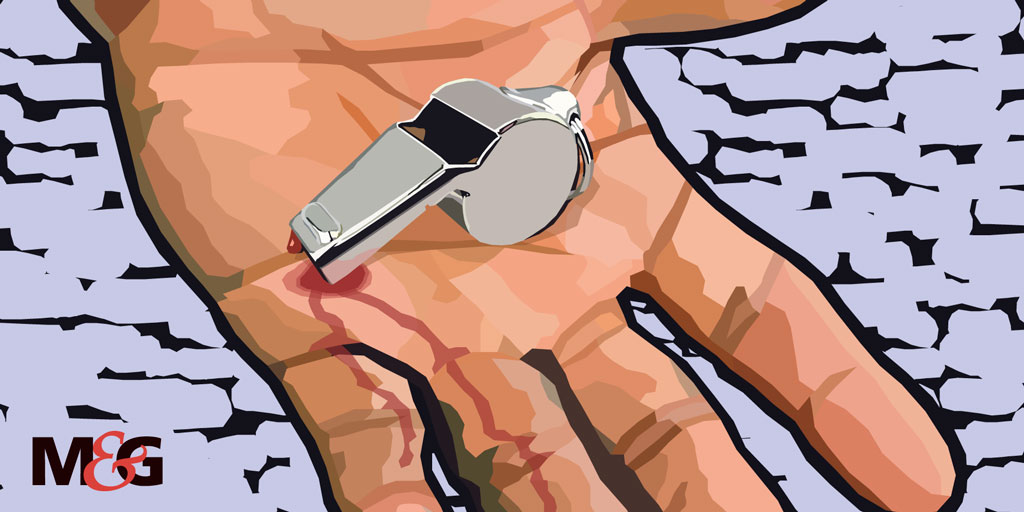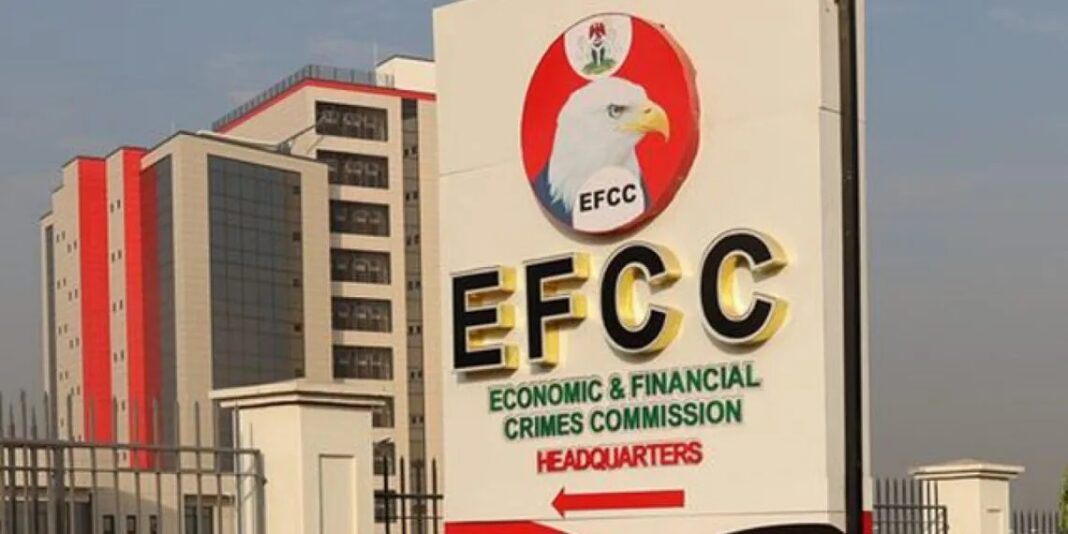
Delivering a paper on the “Impact of the whistleblowing policy on public sector accountability and transparency” on Thursday July 11, 2024 at the Inter-agency Task Team (IATT) conference in Abuja, the Executive Chairman of the Economic and Financial Crimes Commission (EFCC), Mr. Olanipekun Olukoyede, reopened the debate about the imperative of effective engagement of whistle-blowers in the battle against corruption. Restarting the conversation, perhaps unwittingly, he identified some of the perceived weaknesses of the whistle-blower policy, which should be addressed, including the need for adequate safeguards for whistle-blowers to shield them from persecution or punishment.
It was in a bid to expose and confront corruption that the Buhari administration adopted whistleblowing as a government policy in 2016. The policy has since become lukewarm as many would-be whistle-blowers withhold information for fear of their safety. Corruption must be tackled frontally for it has eaten deep into our nation’s fabric like a cankerworm.
In fact, Olukoyede labels corruption as the next deadliest affliction of humanity after terrorism.
Indeed, a measure of the magnitude of public sector corruption in Nigeria and its colossal disruptive effects on the economy emerged in a report released by the National Bureau of Statistics, which indicated that Nigerian public officials received N721 billion as bribes in 2023, amounting to about 0.35% of the country’s Gross Domestic Product.