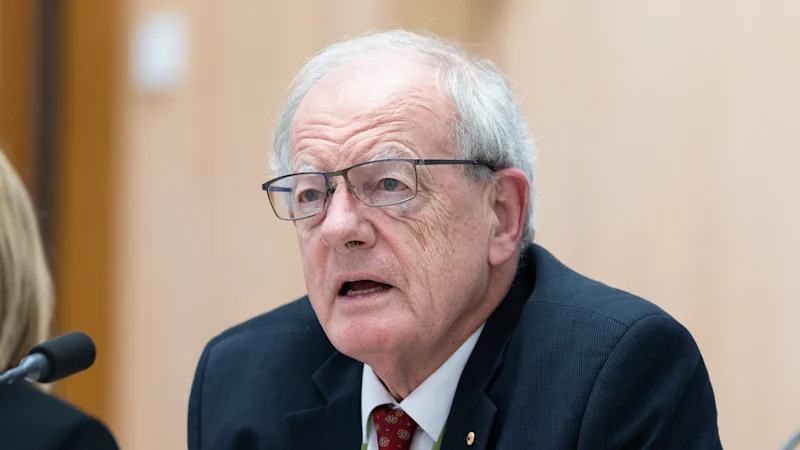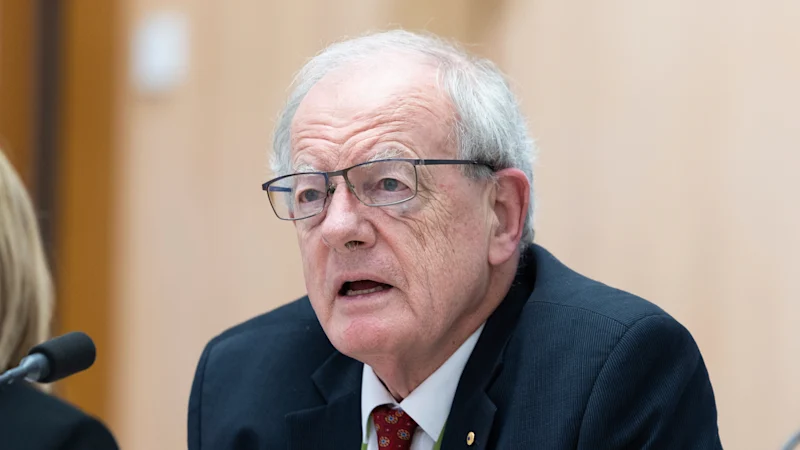
June 26, 2026 — 4:14amFederal whistleblowers who report suspected corruption are being left in a state of uncertainty and psychological distress because of delays and poor communication from the National Anti-Corruption Commission, a parliamentary inquiry has been told.As the Albanese government begins the search for a new anti-corruption boss after the shock resignation of foundation commissioner Paul Brereton last month, a major human rights body will on Friday warn that people who expose alleged government wrongdoing often face prolonged waits to learn whether their complaints will be investigated and whether they qualify for legal protections.NACC chief Paul Brereton will step down in July.Alex EllinghausenThe departure of Brereton and his deputy, Nicole Rose, has sparked calls for an overhaul of the body, established in 2023, which critics have accused of falling well short of the gold standard for integrity bodies. Brereton said public questions about his leadership forced his departure.The body has completed assessments of more than 92 per cent of the 7624 referrals received over the past three years. Its 34 current investigations cover former or current parliamentarians and staff, senior executives in the public service, contractors and consultants.But the Human Rights Legal Centre warned that whistleblowers were at risk of suffering “procedural burnout” as they navigated multiple regulators while waiting for responses from the anti-corruption watchdog.“Providing timely referrals is essential for both the quality of the investigation and for reducing stress and uncertainty for reporters,” the submission, authored by associate legal director Kieran Pender, said.He argued early communication was critical because it allowed whistleblowers to understand what legal protections were available, including immunity provisions, confidentiality safeguards and protections against reprisals.The NACC aims to respond to matters outside its jurisdiction within 30 days and matters within its jurisdiction within 90 days, but the Human Rights Law Centre said many whistleblowers continued to experience significant delays.The intervention comes as the parliamentary committee examines the NACC’s performance nearly three years after it was established as the Albanese government’s signature integrity reform.While praising the commission’s Witness Liaison Team and efforts to improve support services, the centre said more resources were needed to ensure referrals were assessed promptly and complainants kept informed.The centre also called for stronger whistleblower protections and expanded access to funded legal assistance, arguing people acting in the public interest should not be left to navigate Australia’s corruption reporting system alone.Attorney-General Michelle Rowland announced this week that the process to appoint two new commissioners had begun, with the replacements tasked with restoring public confidence in the body.The commission has also faced backlash over its reticence to hold public hearings into its investigations, as its founding charter deemed hearings would only be open in exceptional circumstances and when in the public interest.NSW Independent Commission Against Corruption chief John Hatzistergos, who will also front Friday’s hearing, repeated his belief that public hearings could help build confidence in the anti-corruption system.He said in a submission that when determining whether to conduct a public inquiry, the ICAC was required to consider the benefit of exposing to the public, and making it aware, of corrupt conduct.It must also consider the seriousness of the allegation or complaint being investigated, any risk of undue prejudice to a person’s reputation – including prejudice that might arise from not holding an inquiry – and whether the public interest in exposing the matter was outweighed by the public interest in preserving the privacy of the persons concerned.At least two of the three ICAC Commissioners must authorise a decision to hold a public inquiry, he said.“Some public inquiries generate substantial media coverage and public attention. The ICAC sees this as a part of its statutory obligation to expose corrupt conduct and create general deterrence,” he said.Cut through the noise of federal politics with news, views and expert analysis. Subscribers can sign up to our weekly Inside Politics newsletter.From our partners
Corruption watchdog’s delays and poor communication leave whistleblowers in limbo
Whistleblowers were at risk of “procedural burnout” while waiting for the National Anti-Corruption Commission, a parliamentary inquiry has been told.
638 words~3 min read