The digital economy we all take for granted runs on infrastructure most people never see.
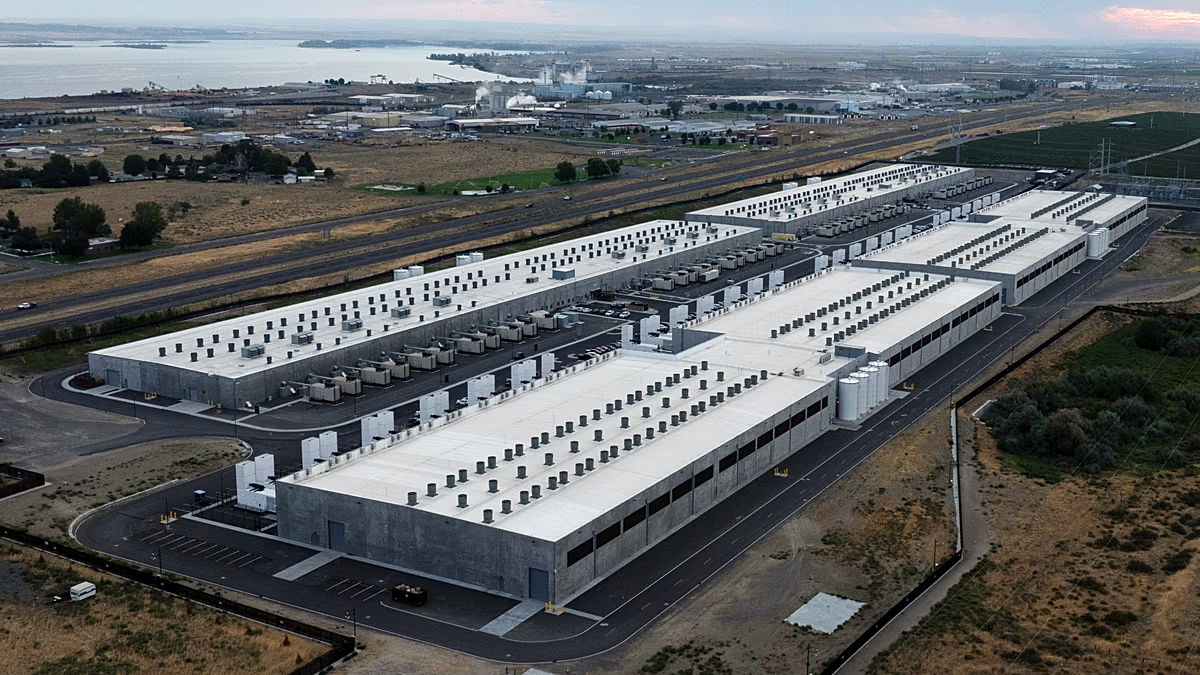
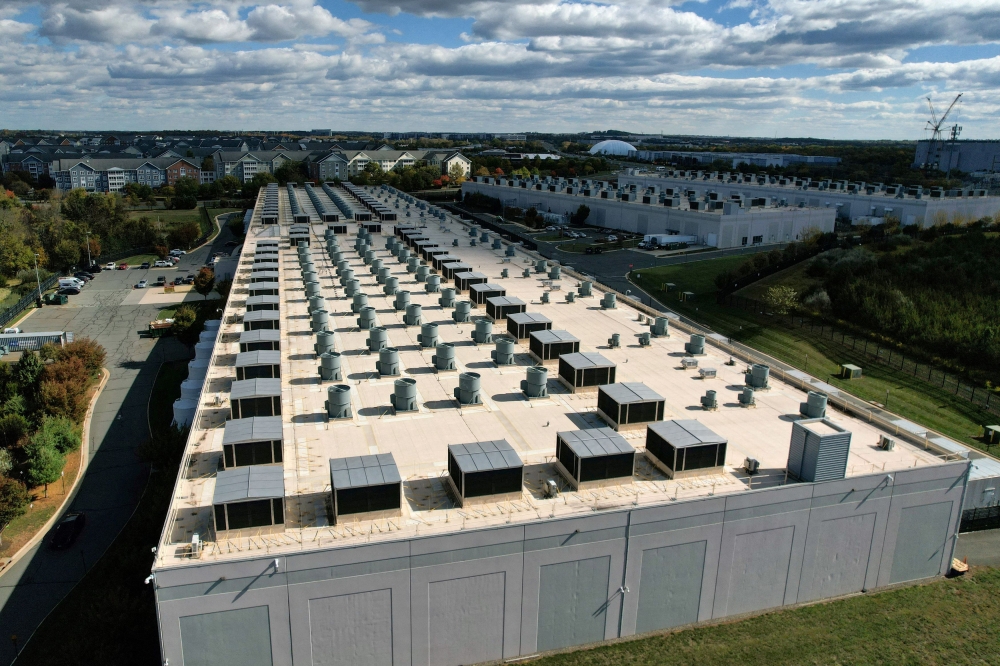
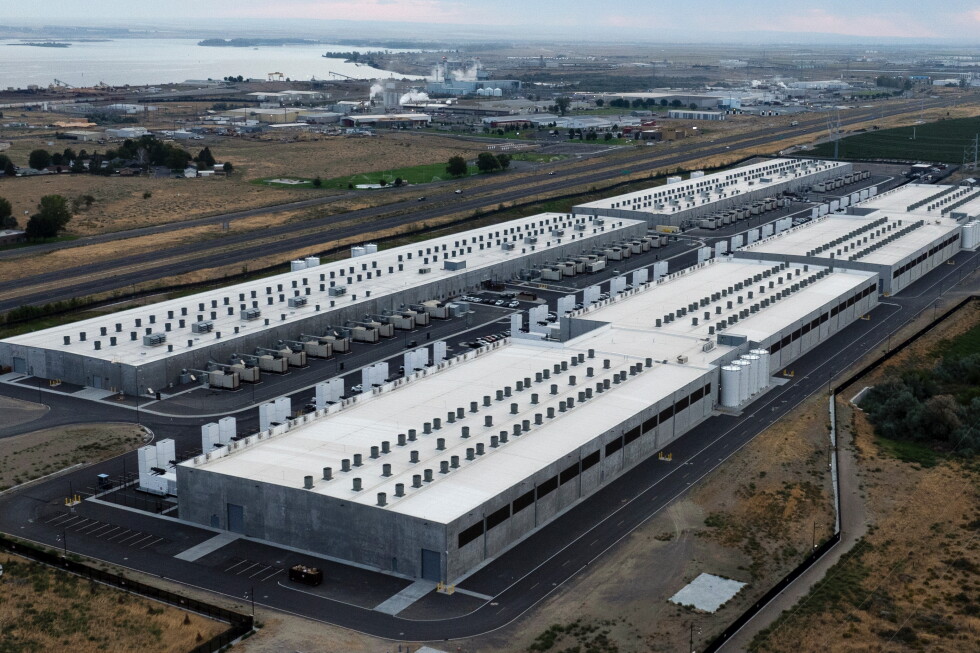
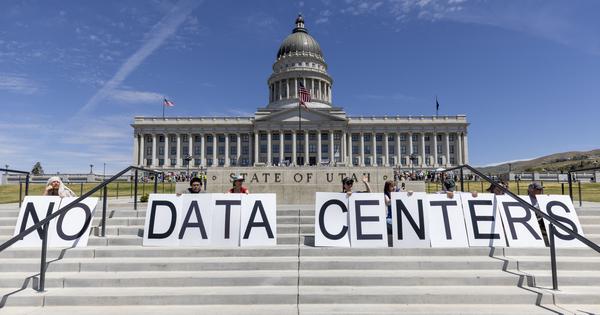
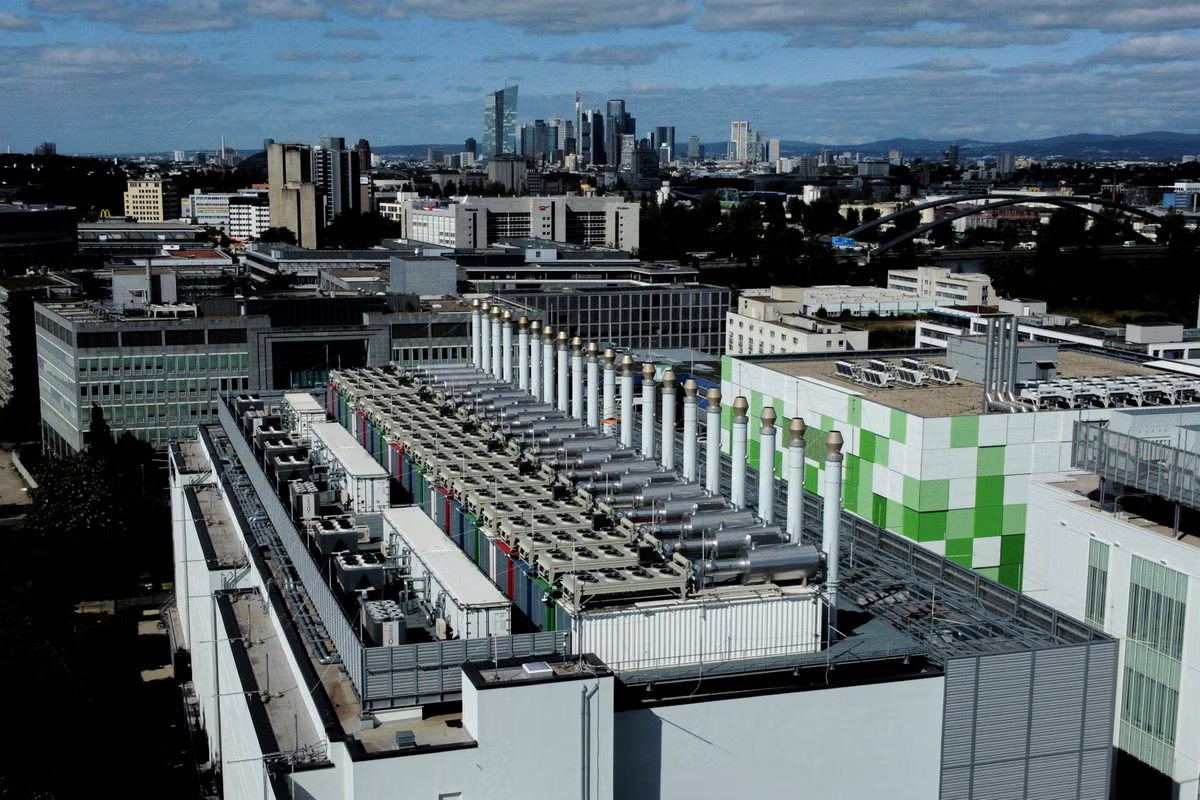
Every message sent, every doctor’s appointment booked, every journey mapped and payment made depends on vast networks of data centers working around the clock. Across the C40 network of nearly 100 global cities alone, there are already more than 1,700 data centers, with many more planned. The rapid development of artificial intelligence (AI) is changing data centers as we’ve historically known them — driving the construction of massive ‘hyperscalers’ that require enormous amounts of electricity and pose new challenges for communities around the world. It’s the biggest thing to hit the energy grid since air conditioning. Left unchecked, this expansion could significantly increase emissions, strain resources, push up residential energy prices and erode public trust.
A data center / © Unsplash
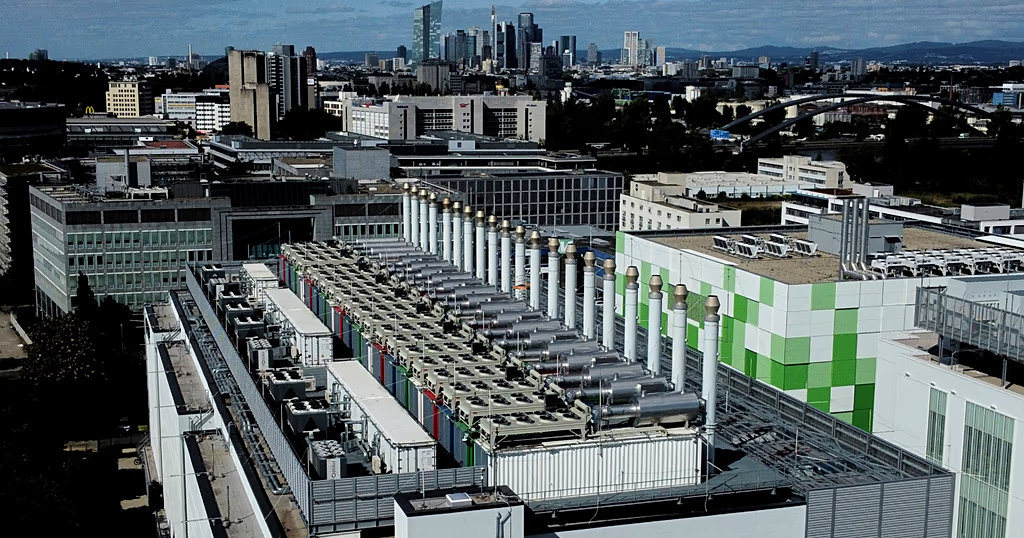
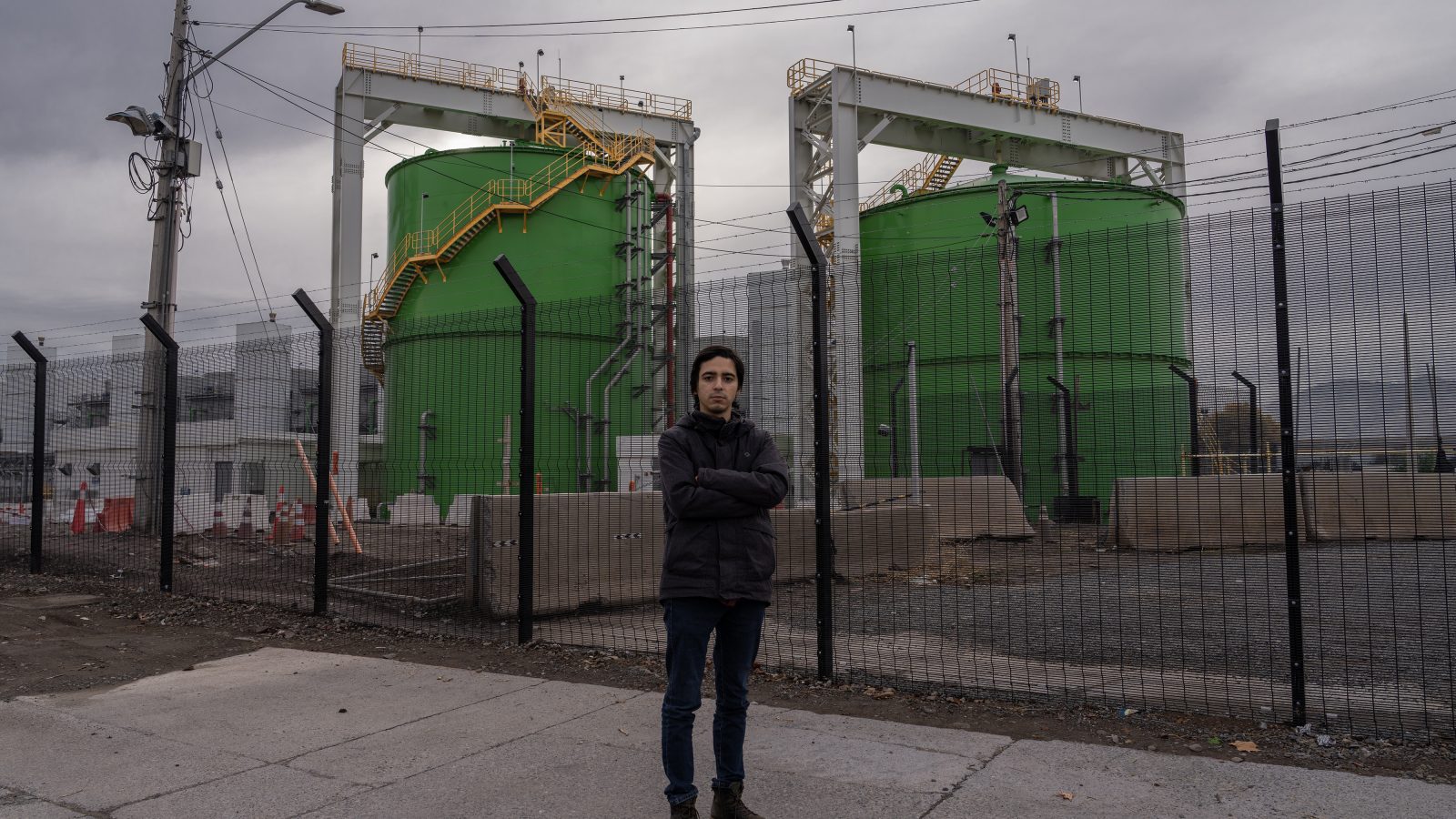
We know that a single facility can consume as much electricity as tens of thousands of homes. Cooling systems can place a serious strain on water supplies. And in cities and towns already grappling with housing shortages and cost-of-living pressures, these developments compete with communities for space and resources. Meanwhile, promises of long-term local job opportunities rarely materialize, with data centers too often appearing in neighborhoods with little clear return for communities.