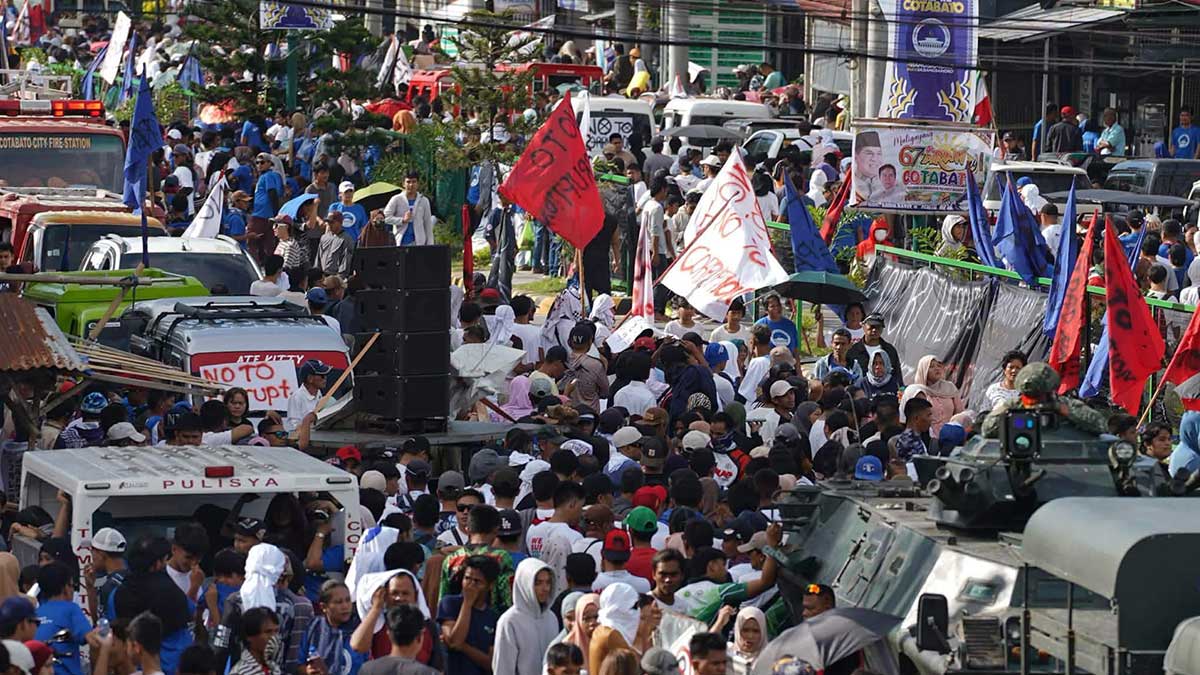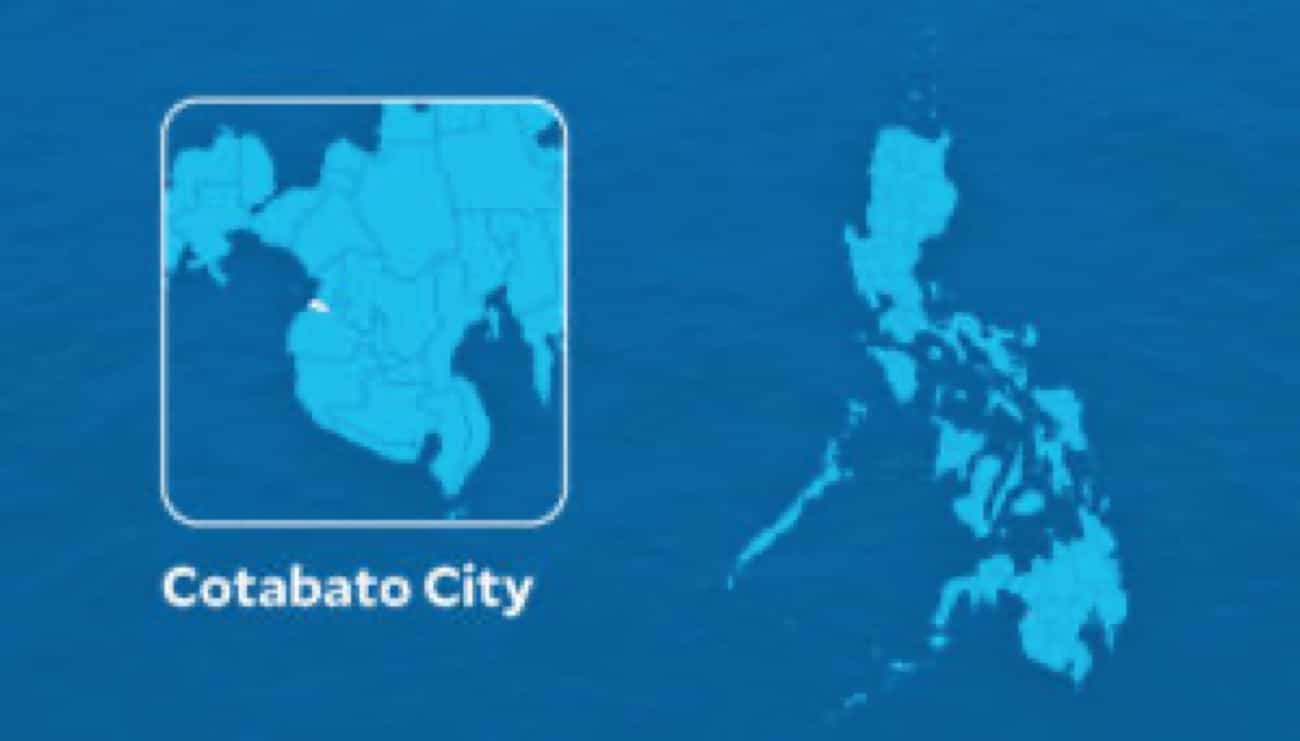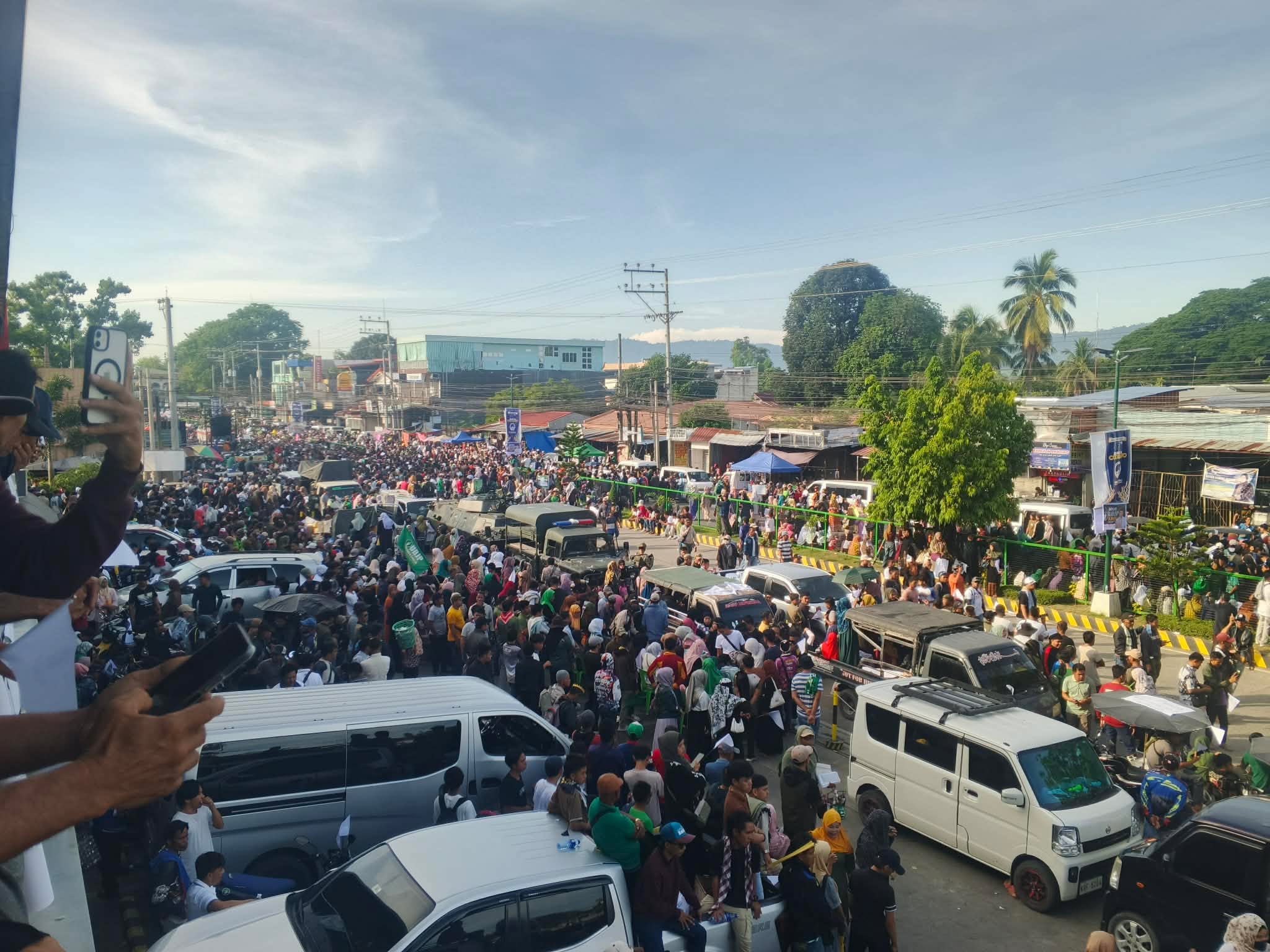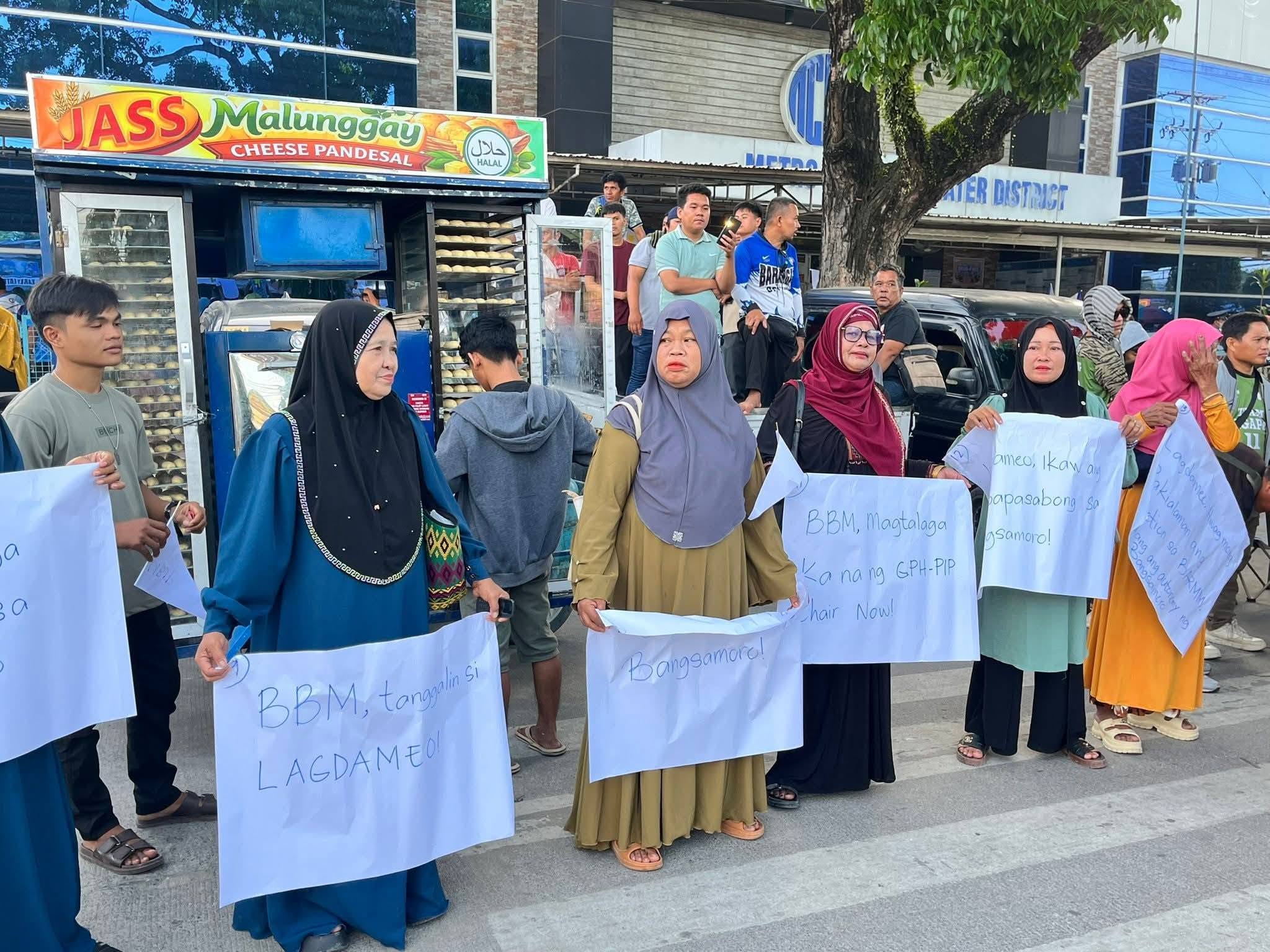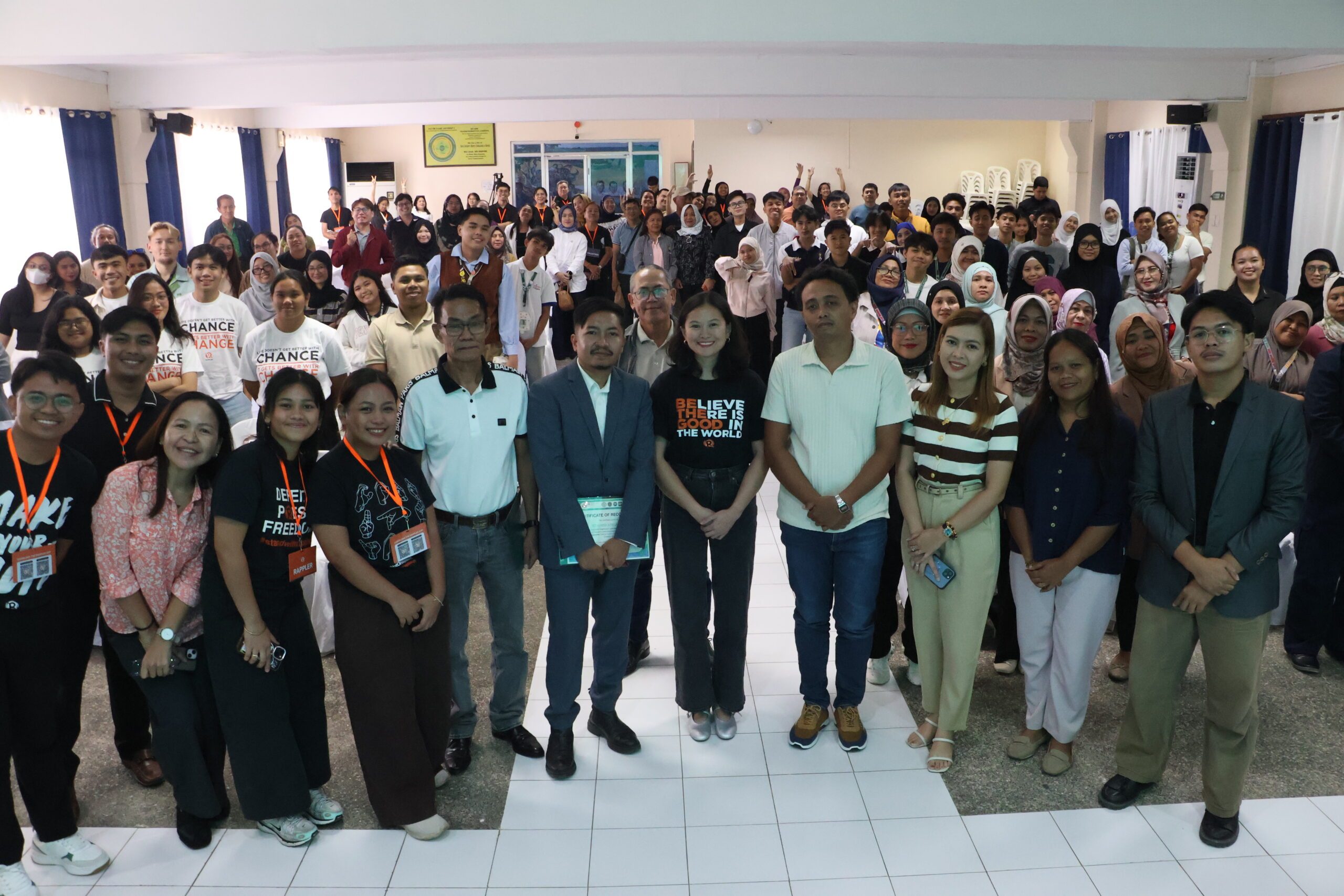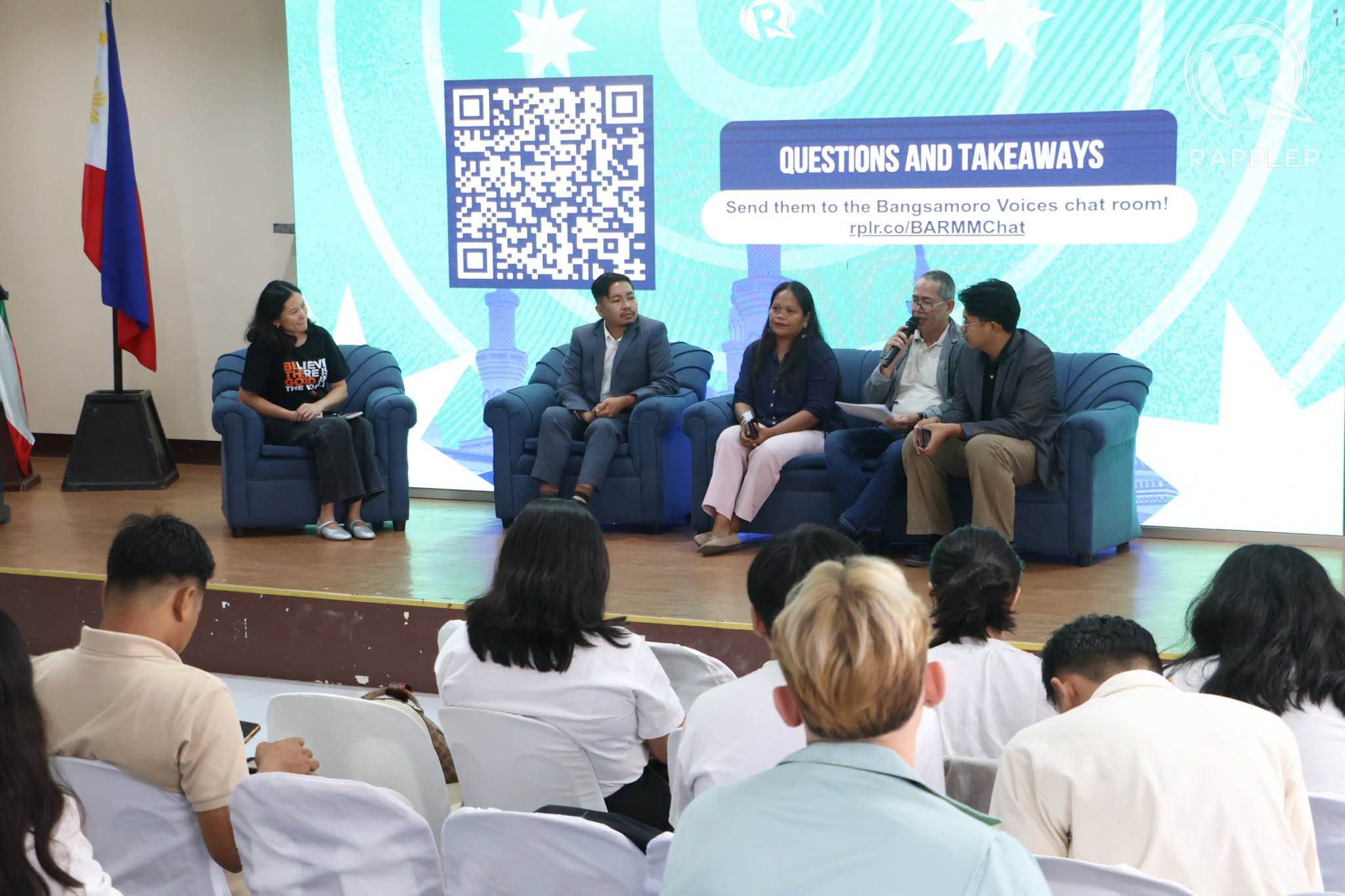
COTABATO CITY, Philippines – The main challenge for the Bangsamoro region’s first parliamentary elections in September is ensuring true and genuine representation of long-suppressed minorities, leaders and experts representing women and non-Moro indigenous peoples said on June 9 during Rappler’s voter empowerment forum in Cotabato City.
“Just because we are the minority does not mean that we are the sacrificial lambs in this peace process,” said Edward Abelardo, chair of the Non-Moro Indigenous People’s Youth Network, during the forum held at Notre Dame University (NDU).
Take, for example, the challenge to true representation of women among nominees of political parties to the Bangsamoro Parliament. Jennevie Cornelio, a member of the Inged Fintalian or Indigenous Women’s Council of the Teduray and Lambangian tribes, pointed to provisions in the Bangsamoro Electoral Code and its amendment, Bangsamoro Autonomy Act No. 88, that she said are concerning.
The law requires regional political parties to ensure that at least 30% of their nominees are women and that one in every three nominees is a woman, but it adds that this should be done “as far as practicable.”
Based on Rappler’s review of party nominee lists, few women appear in the top 10 positions of major parties. In the United Bangsamoro Justice Party (UBJP) and the Bangsamoro Federal Party (BFP), for example, female nominees are ranked 11th or lower.