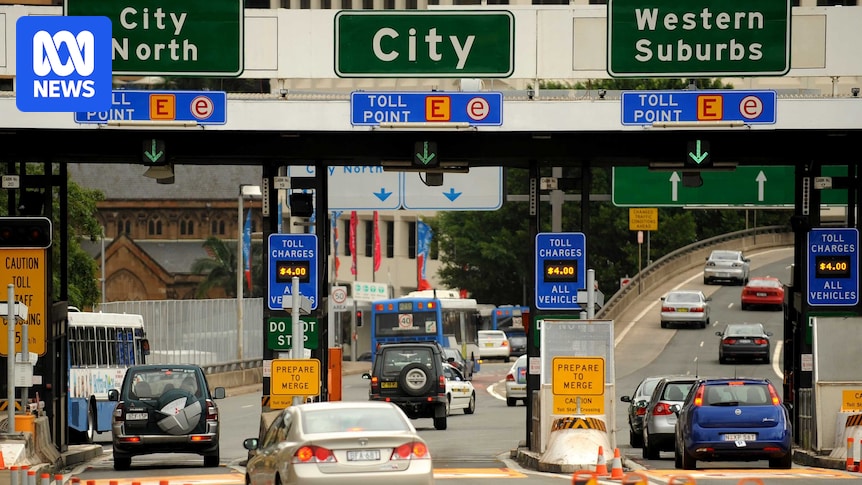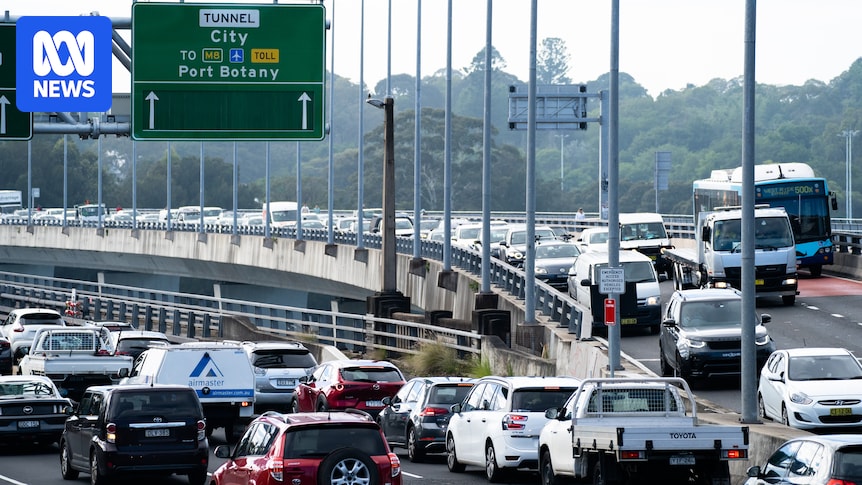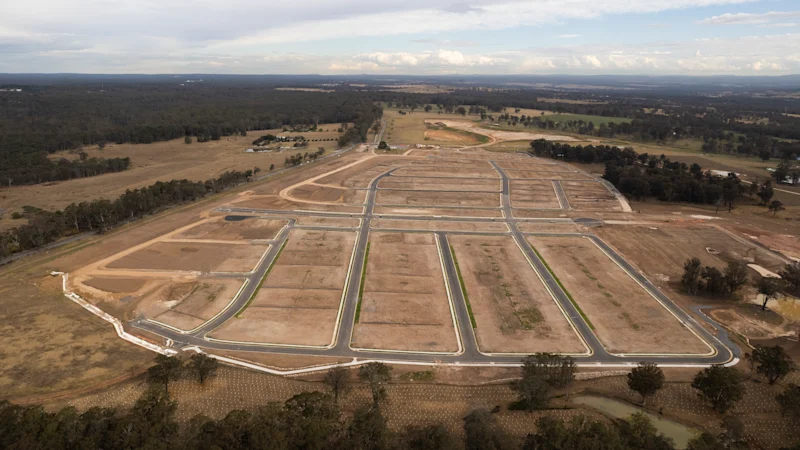
June 23, 2026 — 12:29pmClick here for live coverage of the 2026 state budget.The NSW government is no longer waiting for its federal counterparts to rescue the rising numbers of stranded elderly patients waiting in hospital beds for aged care places, announcing $35.7 million for a bedblock-buster pilot.Overall, there was an additional $10.3 billion for the state’s health system over four years to cover an additional 9000 healthcare practitioners (not including the 1800 staff at the recently government-acquired Northern Beaches Hospital), as well as an extra 33,000 emergency department presentations and 2900 more planned surgeries per year.Health gets an extra $10.3 billion.Michael HowardAlmost $12 billion in health infrastructure spending will largely go to hospital upgrades and three new hospitals. These include $900 million for the long-awaited and under-construction Rouse Hill Hospital in north-west Sydney and $1.2 billion over the forward estimates for Bankstown Hospital.The new bedblock pilot will provide interim aged care placements or at-home care to about 600 elderly patients waiting for federal-government-assisted aged care packages, some of whom would have spent weeks to months in hospital beds after their doctors cleared them for discharge.Another 100 elderly people will receive early intervention packages involving allied health professionals, with the aim of keeping them out of hospitals.Bedblock has become a significant headache, not only for the almost 1000 stranded aged care patients at risk of hospital-acquired infections, which increases the longer they are admitted, but for increasingly busy emergency departments who can’t admit new patients to full wards.“This is not good for patients and it is not good for the system,” NSW Health Minister Ryan Park said, cautioning the federal government that they should not view this as a signal to shirk their responsibilities to these patients.The budget also included $38.7 million to fund the rollout of AI scribe technology for 6000 clinicians to cut down on their administrative tasks, ultimately so they can spend more time with patients.Kate AubussonEconomyThe NSW government will be in the red for an eighth consecutive year after the Minns government forecast a $2.3 billion deficit in 2026-27.Next year’s deficit is double what was forecast in December, due in part to the government’s $561 million transport affordability package that will temporarily reduce the weekly road toll cap and freeze public transport fares.However, Treasurer Daniel Mookhey is forecasting a return to surplus the following financial year; if that is achieved it will be the state’s first balanced budget since 2018-19.The string of eight deficits since the pandemic is the longest period the state has been in the red in the modern era.Matt WadeCity and urban affairsThe government will lease vacant parcels of state-owned land to industrial businesses under plans to generate long-term funding for some of Sydney’s most prized parklands.Revenue generated from the long-term industrial leases would create a sustainable funding model for the Greater Sydney Parklands, the government said, which would help pay for upgrades and maintenance across the agency’s estate, which includes Centennial Park, Moore Park, Callan Park and Parramatta Park.Labor allocated $67.4 million to deliver the “off-park business hubs” over the next four years. It will also establish a committee to consider other parkland and green spaces that could be absorbed into the estate to help boost the network of public parks across the city.The government is pushing ahead with plans to transform the Glebe Island industrial port on Sydney Harbour with thousands of homes near a future metro station.It has allocated $31 million to set up the Bays West Delivery Authority to guide development of the new suburb of 8500 homes, at least 10 per cent of which will be affordable and essential worker housing.About $30 million will go towards a new train station in Woollahra to enable the construction of an estimated 10,000 new homes on rezoned land around Woollahra and Edgecliff stations. About $35 million will be spent on the Bank Street Park, which is being built next to the old Fish Market site, where thousands of apartments will be built.The funds towards new housing precincts are accompanied by about $52 million to establish the Development Coordination Authority to help speed up housing delivery and co-ordinate development approvals across departments, as the state government attempts to deliver 377,000 new homes by mid-2029.About $8.3 million, announced earlier this month, to support the Jewish community in the aftermath of the Bondi terror attack includes $2 million for a permanent memorial to honour the shooting victims, and $2.6 million for the Sydney Jewish Museum in Darlinghurst.Megan GorreyEducationThe state will get 16 new schools as the government ramps up spending on education infrastructure.Capital spending on schools will grow 5.7 per cent next financial year, tipping over to $3 billion.But Department of Education spending on employee expenses will decline from $15.5 billion to $15.3 billion in the 2026-27 financial year.The reduction of employee expenses comes after the government has given 25,000 teachers previously on contracts a permanent job since 2023. The proportion of students enrolled in NSW public schools has also shrunk.Department of Education expenses are expected to decline from $26 billion to $25.97 billion next financial year (a fall of 0.3 per cent), the budget papers showed.Parents of children aged 3 to 5 in community preschools are set to continue to benefit from a fee relief trial, which will save them $4456. There will be $2563 for those with children of the same age enrolled in eligible daycare programs.The government has given $60 million to the NSW Education Standards Authority, the organisation that runs the HSC, to upgrade its technology systems and lift cybersecurity.New schools are focused around the city’s fringes in growth suburbs including Austral, Oran Park and Orchard Hills, as well as suburbs identified for rezoning, such as Bella Vista.Christopher HarrisTransportMotorists and public transport commuters are the biggest beneficiaries of pre-poll budget sweeteners.Opal fares for public transport will be frozen for the next 12 months in a bid to ease cost-of-living pressures. Fares have typically risen in line with inflation, increasing by 3.2 per cent last July and by 5 per cent a year earlier.In another carrot, vehicle registrations for private cars will be cut by $100 for the next year, while those for motorcycles will drop by $80.The weekly cap on tolls for motorists will be lowered to $50 from $60 for the next 12 months, while administration charges on toll notices will be scrapped from July 1.The total cost to the public purse of the election-year sweeteners for transport is $561 million.The temporary relief comes before toll revenue starts to gush into Treasury coffers in coming years.Toll revenue is forecast to rise to $359 million a year in 2028-29, from $179 million 12 months earlier, due to the introduction of two-way charges on the Harbour Bridge and Harbour Tunnel and the opening of the new Western Harbour Tunnel between Rozelle and North Sydney.And by the following year, toll revenue collected by the government is projected to surge to $539 million, following the opening of the long-delayed M6 motorway in Sydney’s south.Mookhey also declared there would be money to fix the Great Western Highway as “fast as we can”, although the amount will hinge on a tender process to find a contractor to develop a solution for the closed section of the motorway at Victoria Pass in the Blue Mountains.Billions more have been set aside to switch the state’s 8000-strong bus fleet to electric over coming years.The government will spend $3.85 billion over the next six years on 600 new electric buses, as well as building four new depots, including one at Bradfield near Western Sydney Airport, and the conversion of six existing depots.Matt O’SullivanWestern SydneyWestern Sydney residents, the state’s biggest road users, will benefit the most from the reduced toll cap and a $100 discount on car registration.The budget will also mean future investment will be spent on infrastructure across the west’s urban fringe, regions experiencing significant growing pains. Ten new public schools are due to be built across the west, including six in the south-west and four in the north-west. Rydalmere and Rhodes East will also get new schools.The city’s north-west growth area will get its first fire station – $11.2 million for a station and “fire appliance” in Marsden Park – and the government will spend $3.5 million acquiring land for another station in the future in Box Hill.Spending on roads across western Sydney will surge, expenditure driven largely by work being done around the Aerotropolis, the rapidly transforming area around the new Western Sydney International Airport.Anthony SegaertStart the day with a summary of the day’s most important and interesting stories, analysis and insights. Sign up for our Morning Edition newsletter.From our partners
Bedblock-busting pilot program aims to aid hundreds of stranded aged-care patients
There’s $10.3 billion extra for the health system, but from transport to housing and schools and western Sydney, here’s where else the money is being spent.
TL;DRAI
NSW deploys $38.7M AI scribe technology to 6000 clinicians for administrative automation. Public-sector clinical AI adoption signals market shift; healthcare IT leaders should prioritize AI-assisted workflow tools as operational necessity.
1,435 words~7 min read