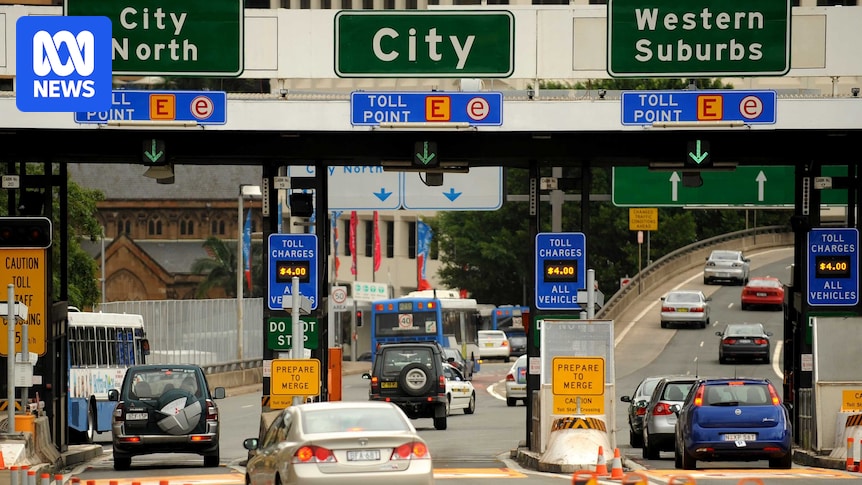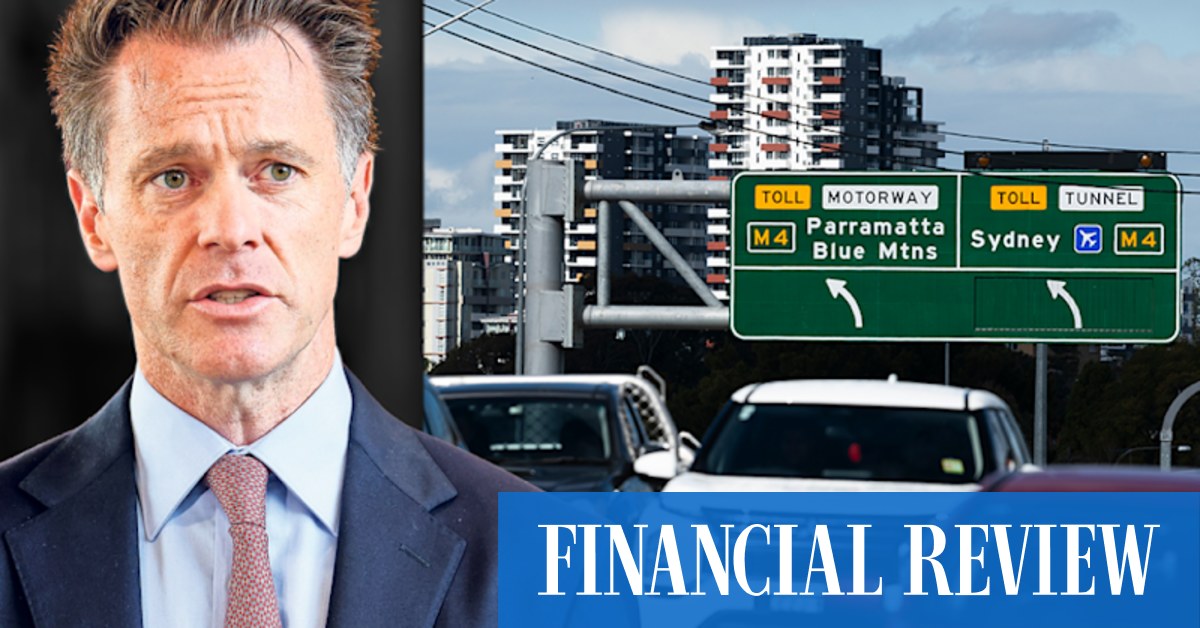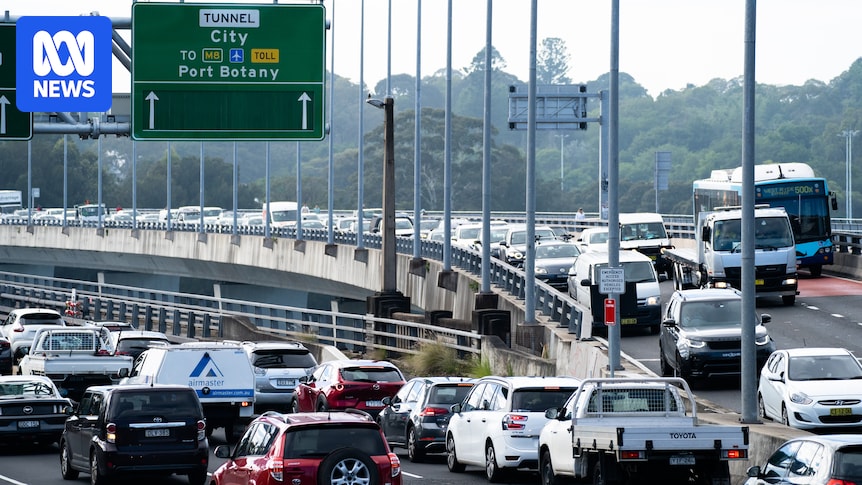
Cost-of-living relief will be delivered to New South Wales households through a cheaper toll cap, frozen public transport costs and cuts to vehicle registration for one year as the treasurer flags a return to budget surplus is still a year away.Treasurer Daniel Mookhey has delivered his fourth state budget, which posts a $2.3 billion deficit, more than double what was predicted at the half yearly update.In a press conference on Tuesday morning, Mr Mookhey said "if lots of things go right", he predicts the budget will return to a surplus of $1.1 billion next financial year.Against a backdrop of higher fuel prices and global uncertainty, Labor will allocate $561.4 million over 12 months to cap road tolls at $50 a week, freeze Opal card fares and take up to $100 off private vehicle registrations.Opal card price fees are among the big items in the treasurer's state budget. (ABC News: Berge Breiland)Administration fees on toll notices will also be removed, meaning drivers will not be slugged to receive toll bills in the mail if their e-tag does not work.Drivers can already claim back any tolls beyond $60 a week, but Mr Mookhey said a 12-month cap of $50, starting from July, will deliver targeted cost-of-living relief."This is how we attack the cost-of-living crisis from every angle," Mr Mookhey will tell NSW parliament today."This is our answer to those saying state governments cannot help during a cost-of-living crisis."Motorists will feel the most relief after toll fee changes, (ABC News: Taryn Southcombe)But the treasurer admitted government revenue collected from tolls will continue to rise in coming years, as new tolled roads such as the new Western Harbour Tunnel come online.The budget also boasts what Mr Mookhey said was the biggest ever spend on domestic violence prevention, through a 50 per cent uplift to six existing crisis response programs, totalling $184.1 million over the four years to 2029-30.The programs include a Men's Behaviour Change program and the Safer Pathway program to coordinate support for victim survivors.The NSW Police Force's budget will also be bolstered in the wake of the Bondi terror attack, including $94.3 million for an Armed Response Command comprising of 250 police officers with long arm capability and a fleet of high performance rapid-response vehicles.Victims of the Bondi terror attack and the Jewish community are also a feature of this budget, with funding committed to Jewish organisations and enhancements to the existing victim support scheme.The Australian-first specialist armed response command will be tasked with protecting public safety. (ABC News: Abubakr Sajid)A total of $6.5 billion has also been allocated over 10 years for new electric buses, with the intention that some elements of the buses are built here.It means government expenses are projected to grow year on year, largely due to rising employee wages, with the state budgeting an extra $2.9 billion for large pay increases for nurses and midwives awarded by the Industrial Relations Commission earlier this year.Employee expenses were 40 per cent of the budget's total spend, but Mr Mookhey has stressed they are growing at a slower rate than under the previous government.The Labor government had flagged this budget was not a traditional pre-election cash splash, citing uncertainty surrounding the war in the Middle East as the main reason for spending caution.It said NSW had the lowest spending growth of any Australian government since 2023.Among the spending priorities announced ahead of budget day, are $10.3 billion over the four years to grow the health workforce and expand hospital capacity, and $631.9 million over five years for Thriving Kids, the program which will transition children with autism or other developmental delays off the NDIS.Mr Mookhey is set to use his budget speech to Parliament on Tuesday to claim his state is the only one where private investment is the leading source of economic growth.The budget said growing private sector investment in AI data centres and renewable energy projects were responsible for growth in the economy, offsetting a decline in household consumption due to the impact of higher interest rates on families with mortgages."Powering up with renewable energy is not merely an environmental cause," Mr Mookhey will tell parliament."It is an economic strategy.""To campaign against renewable energy is to campaign against investment."Mr Mookhey also spruiked the state's investment fund OneFund set up in 2024, which has delivered $5.3 billion in increased revenue back into government coffers.The outlook for homeowners is sedate in the near term, with treasury modelling predicting Sydney house prices will dip in the 2026-27 financial year, but start to rise again in the back half of 2027.But approvals and commencements of new homes are increasing, and mellowing house price growth is expected to help more first home buyers enter the market.The dampened housing market means the government will collect $5.3 billion less in stamp duty and $3 billion less land tax than it had expected.
Cost-of-living sweeteners centrepiece of NSW's pre-election budget
The state government has unveiled the 2026/27 NSW budget, part of which includes a transport affordability package amid high fuel prices.
807 words~4 min read