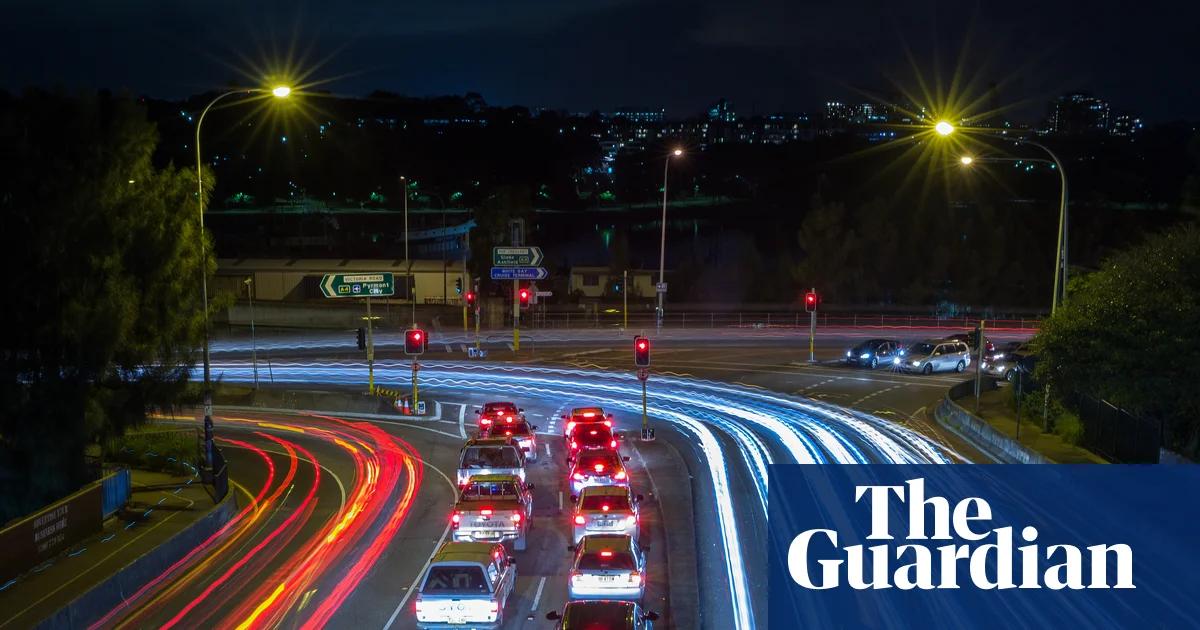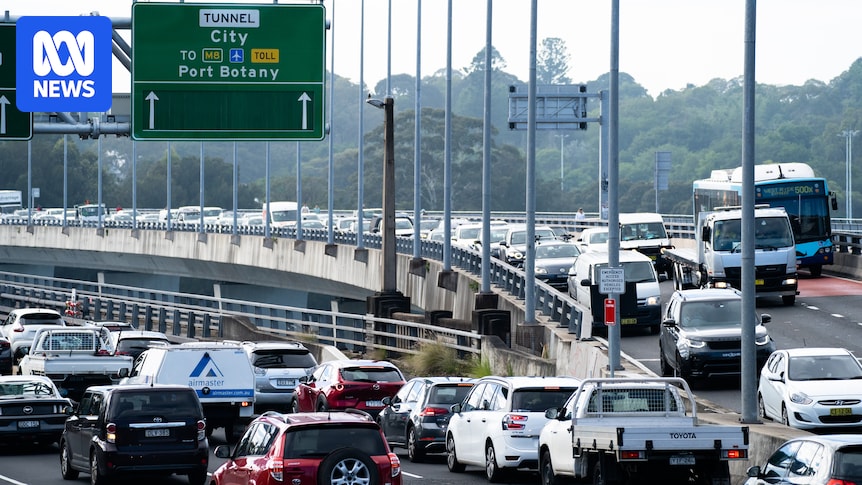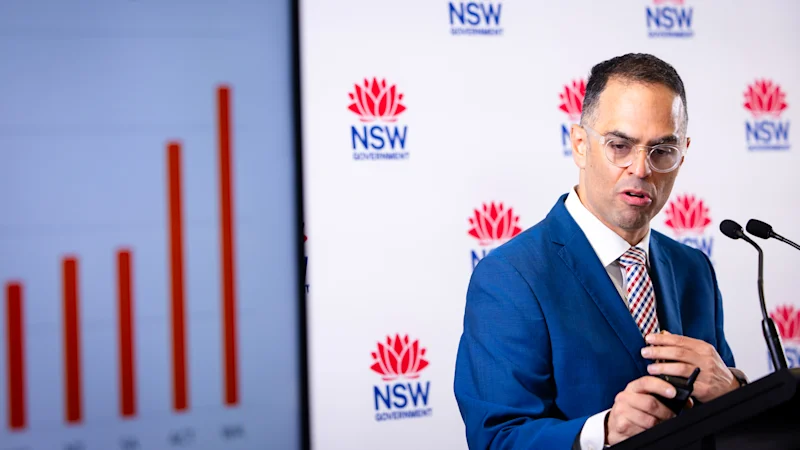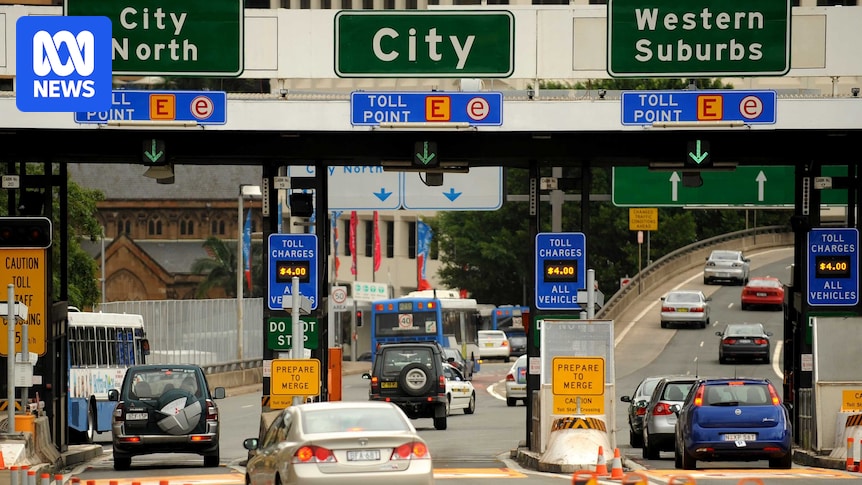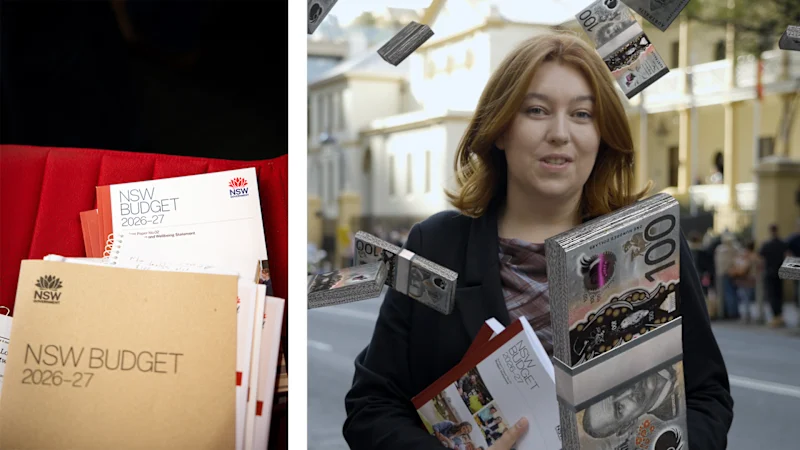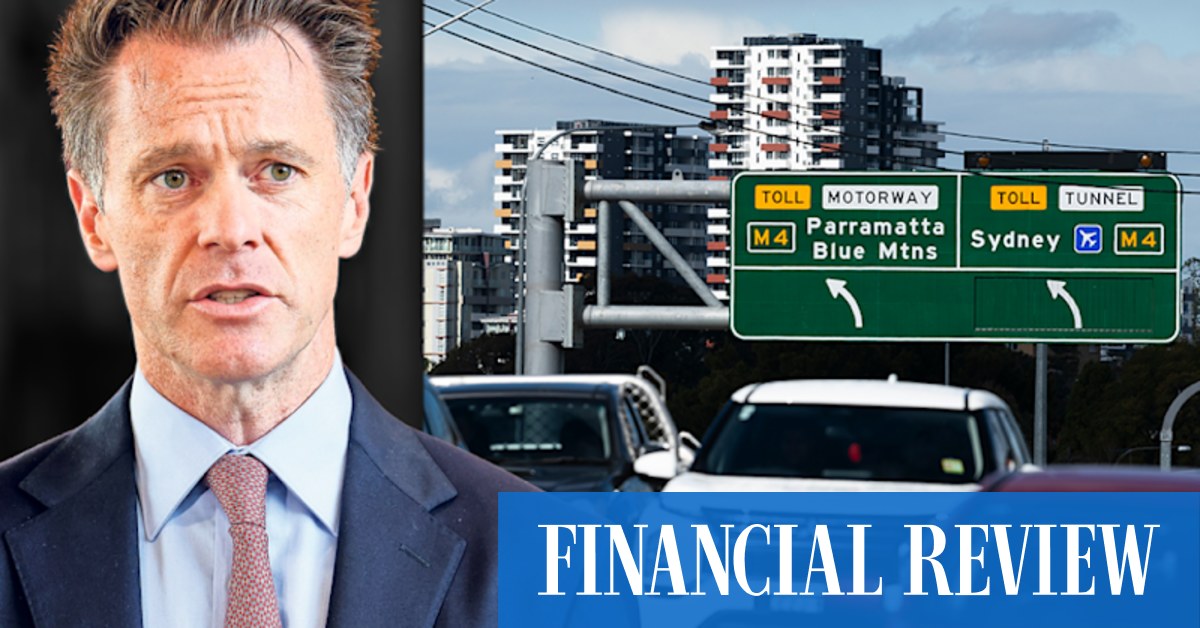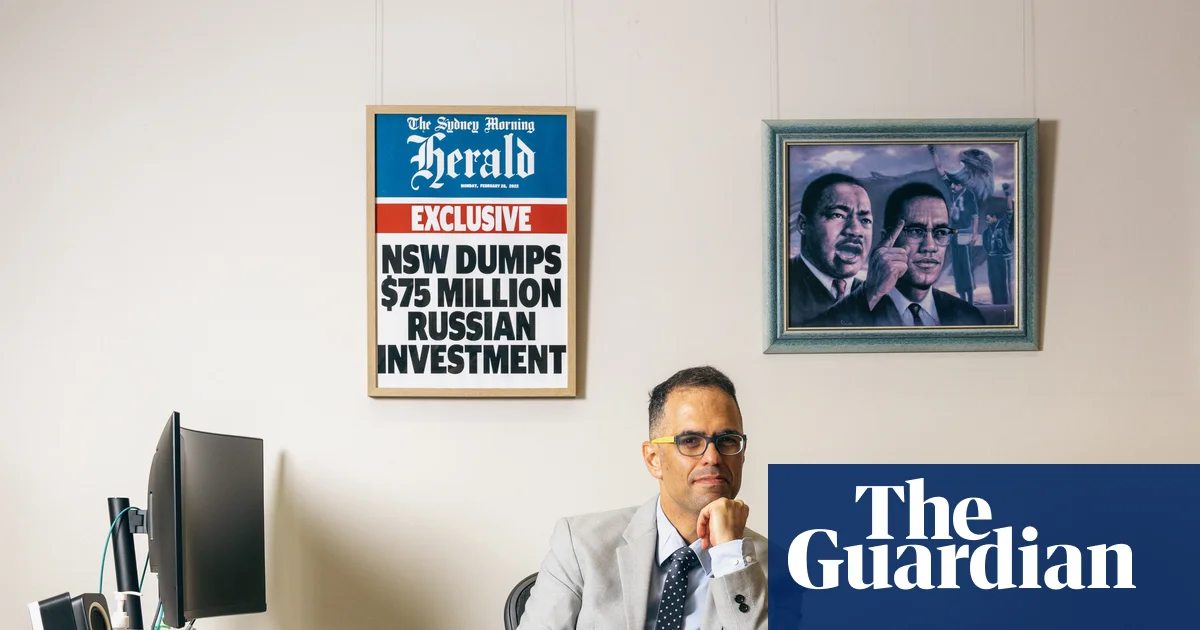
June 23, 2026 — 12:30pmClick here for live coverage of the 2026 state budget.The Minns government will offer a $100 rebate on car registration and caps on Opal fares ahead of the election in March as part of a $561.4 million cost-of-living relief package that forms the centre of a no frills budget which preserves the state’s record of spending restraint while clinging on to projections for a thin surplus in 2028.The government will also spend an additional $184.1 million funding domestic violence prevention, a record 50 per cent funding increase for a sector that has long called for a significant cash injection.NSW Treasurer Daniel Mookhey in his office last week before the budget was delivered.Steven Siewert It has also set aside $6.4 billion over a decade to electrify the state’s 8000-strong bus fleet and encourage manufacturers to build them in NSW.The budget reveals the government recorded a $3 billion deficit in 2025-26, a $102 million improvement on what was forecast at the mid-year budget update in December.But it is anticipating a deficit of $2.3 billion in 2026-27, greater than the $1.1 billion it predicted at the half-yearly update in December.Despite Treasurer Daniel Mookhey warning in the lead-up to the budget that the combined impacts of war in the Middle East, inflation pressure and rising interest rates were placing outsized pressure on his budget, the government is still predicting a $1.1 billion surplus in 2028.That is partly the result of the government limiting its cost-of-living package to one year, as well as “global economic and fiscal headwinds” placing short-term pressure on the economy.After years of complaints from NSW about cuts to its share of GST revenue, it has helped Mookhey preserve his surplus projections, with Treasury predicting it will receive an extra $5.6 billion from the Commonwealth Grants Commission over the next four years.Among the most significant announcements in the budget was a $184.1 million increase to domestic violence funding, which will be spread across several programs. The funding was “the biggest increase” in the sector in the state’s history, Mookhey said in his budget speech.The funding, he said, was a recognition that the sector “deserves better”.“So we will do better to combat the scourge of family and domestic violence,” he said.The $561.4 million transport cost of living package, which also includes a cut to the weekly toll cap from $60 to $50, the abolition of toll administration fees and Opal prices being held at 2025 levels, was a recognition that “families are feeling the shock of the global oil crisis” and paying more for fuel.“It is true that the price of oil is set far from this place, but the price to register a vehicle is decided right here,” Mookhey said in his budget speech.The government has been keen to talk up its record of spending restraint in the build-up to the budget – its expense growth has been the lowest of any Australian jurisdiction over the past three years, and the lowest over three years of any NSW government since comparable records began in 1997. The budget boasts that it holds expense growth at an average of 2.7 per cent over the next four years.But the government’s return to surplus will depend on the impact of inflation on the economy easing quickly, and Mookhey admitted “lots of things need to go right” for NSW to reach surplus.The government is forecasting inflation will ease from 2027 as “temporary shocks” fade, which Treasury predicts will allow interest rates to “normalise”. It means that while the government has forecast an $8.4 billion fall in stamp duty and land tax over four years, the bulk of the damage is predicted in the early years.However, underpinning the uncertainty, Treasury modelled a series of worst-case scenarios for the economy, including where the conflict escalated. If this occurred, prices were assumed to remain at elevated levels until the end of the year, with domestic retail petrol prices peaking in April next year at $3.38 per litre, while the average quarterly retail diesel price peaks at $4.28 per litre.Dwelling investment was forecast to fall by 3.75 per cent in 2027-28 behind a downturn in economic activity, while house prices would continue to decline.The revenue losses from cuts to stamp duty and land tax have partly been offset by increases elsewhere.Mookhey pointed to the performance of his investment umbrella, OneFund, a pool of investment funds the government established in 2024, which has outperformed predictions and returned $4.6 billion in the past year.Largely as a result of that, revenue forecasts over the four years to 2029-30 have been upgraded by $5.3 billion.The silver lining to a weaker property market is that the government expects to receive an extra $5.6 billion in GST over the next four years. That is also the result of stronger property and mining revenue in other states, and NSW’s relatively low share of Commonwealth infrastructure funding.More to come.Start the day with a summary of the day’s most important and interesting stories, analysis and insights. Sign up for our Morning Edition newsletter.More:NSW budgetDaniel MookheyNSW State ParliamentFor subscribersHospitalsSchoolsPublic transportDevelopmentSydney house pricesChris MinnsFrom our partners
Mookhey’s motorway: $100 cut to rego in cost-of-living budget
NSW Treasurer Daniel Mookhey’s budget has a few pre-election sweeteners but is banking on much to go right before returning to surplus.
TL;DRAI
NSW Treasurer Mookhey announced $561.4M cost-of-living relief with $100 registration rebates and fare caps; forecasts 2028 surplus. Government electric bus fleet investment and local manufacturing create opportunities for IoT, fleet software, and charging infrastructure providers across ANZ.
848 words~4 min read