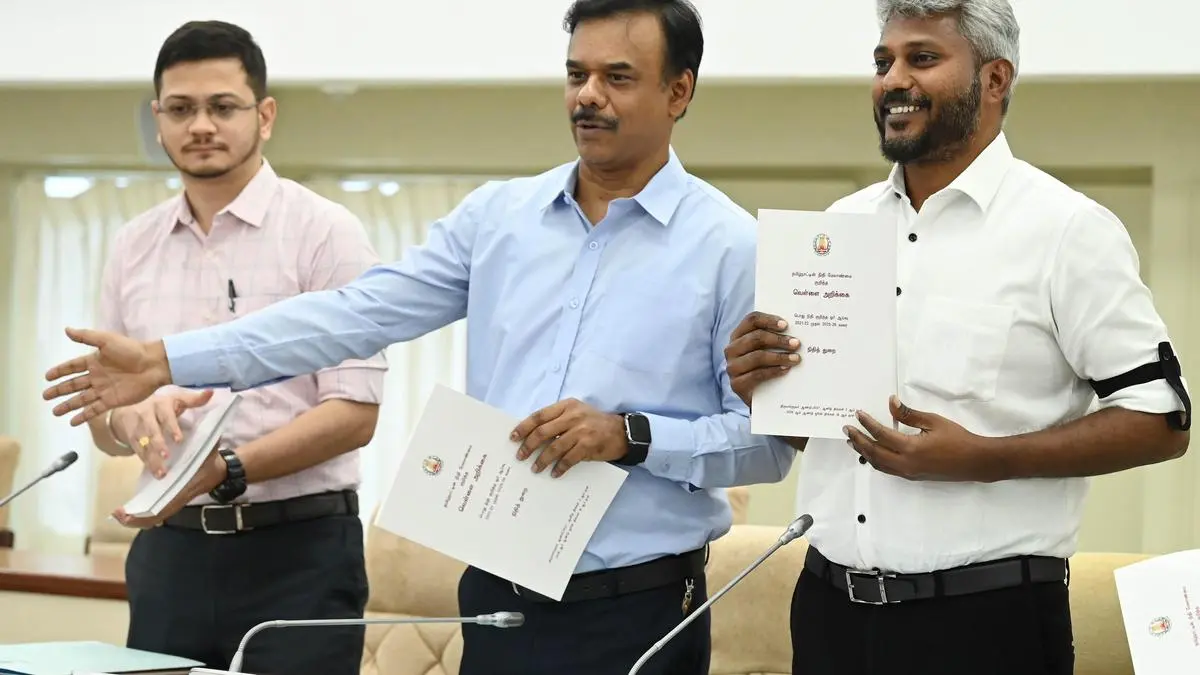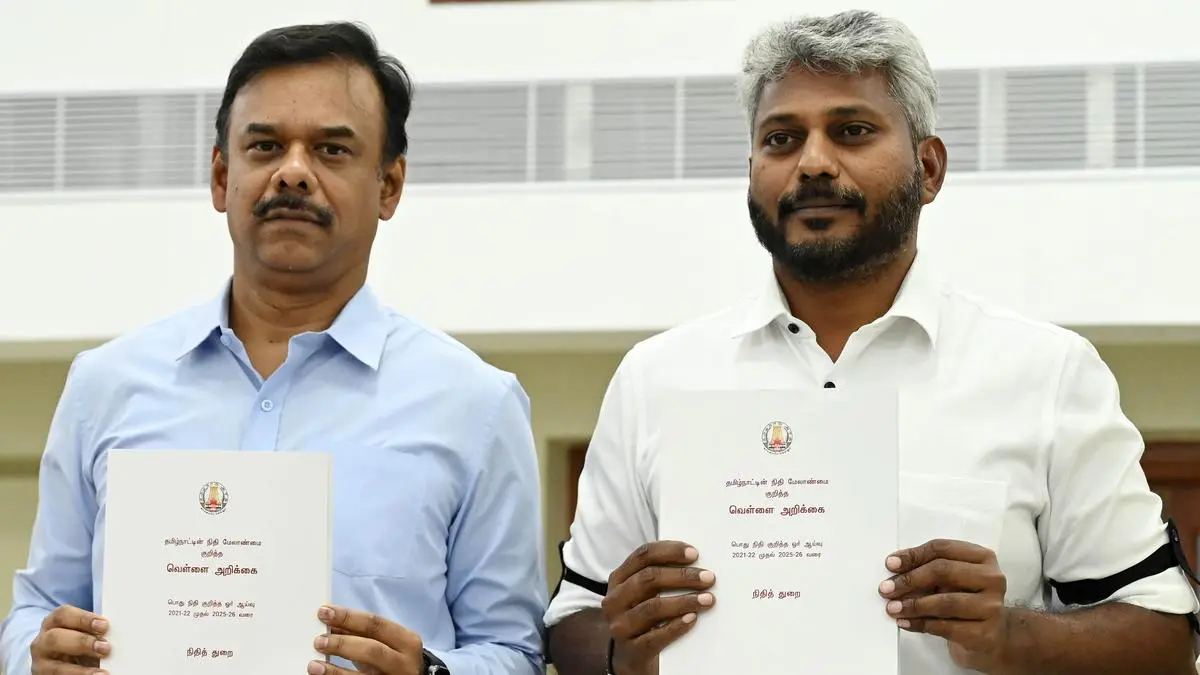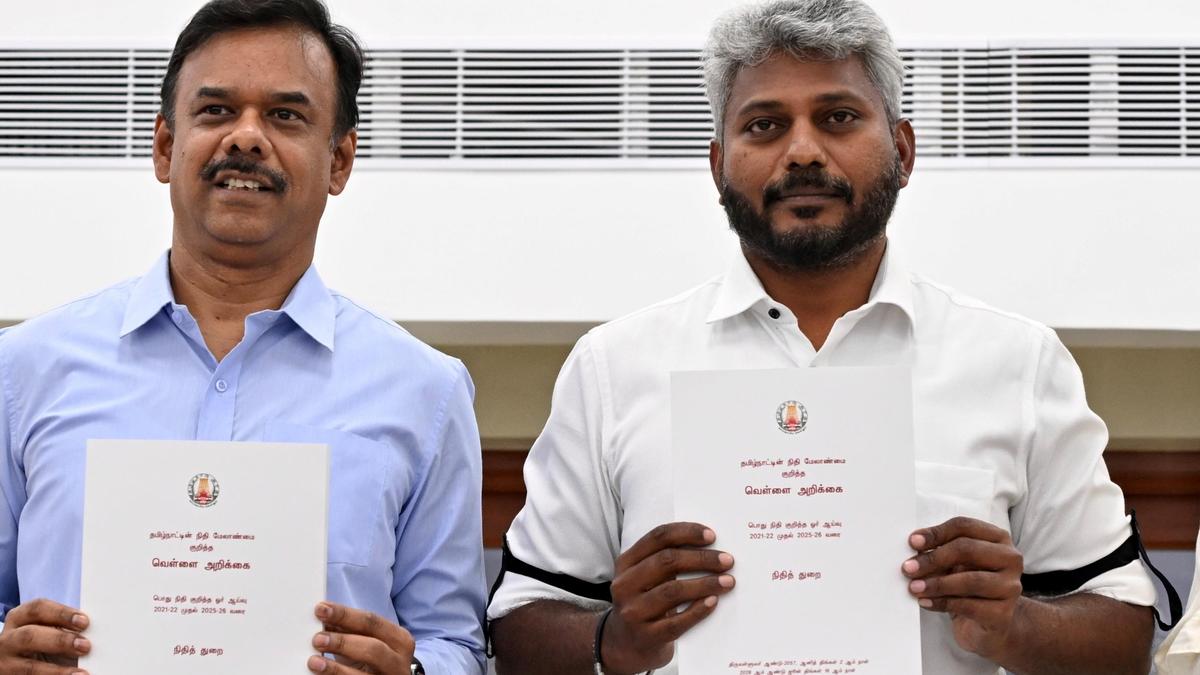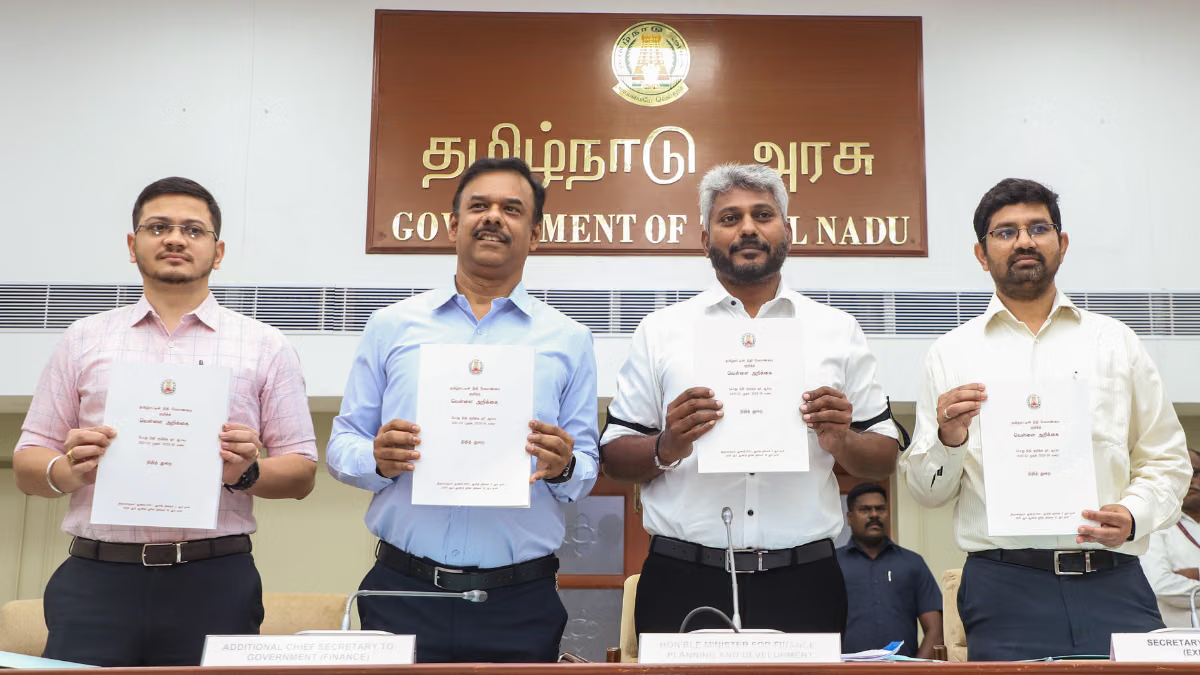
At the heart of Tamil Nadu’s immediate fiscal crisis is an unprecedented accumulation of public debt
| Photo Credit:
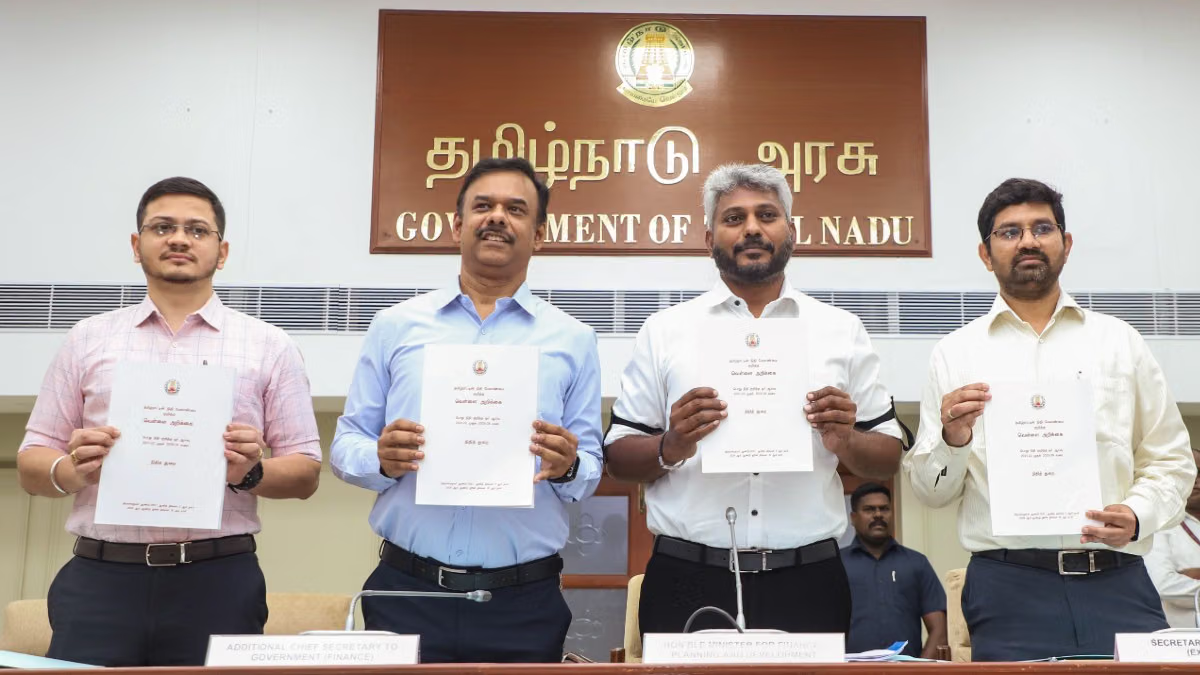
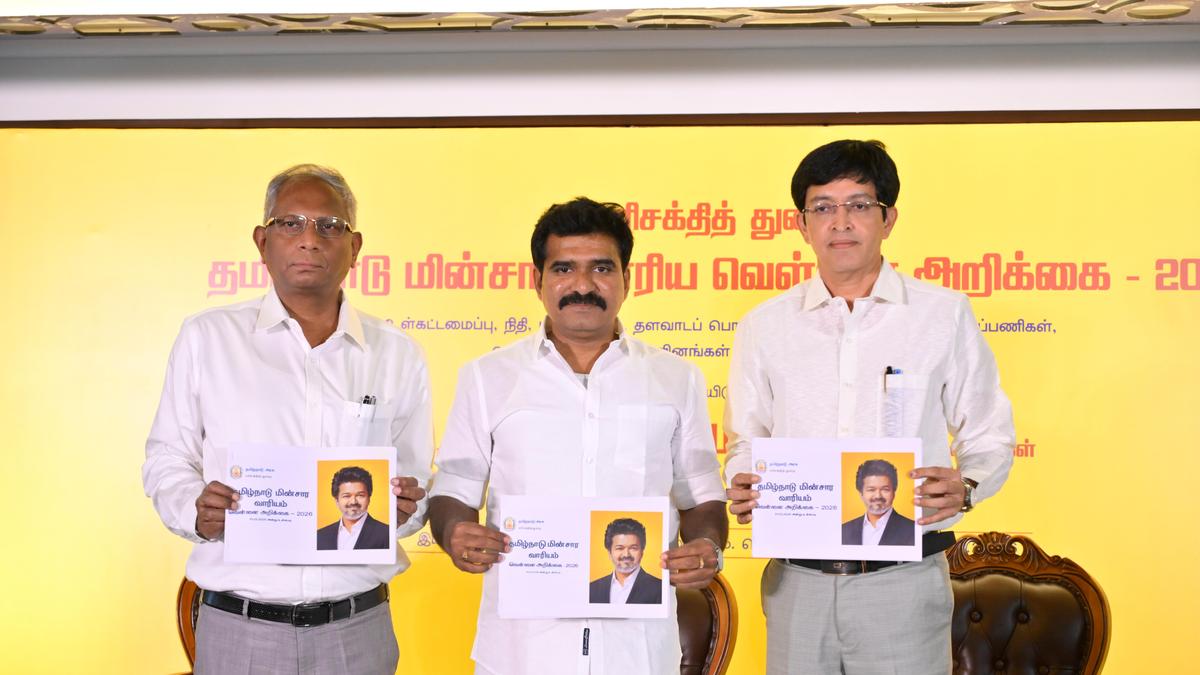
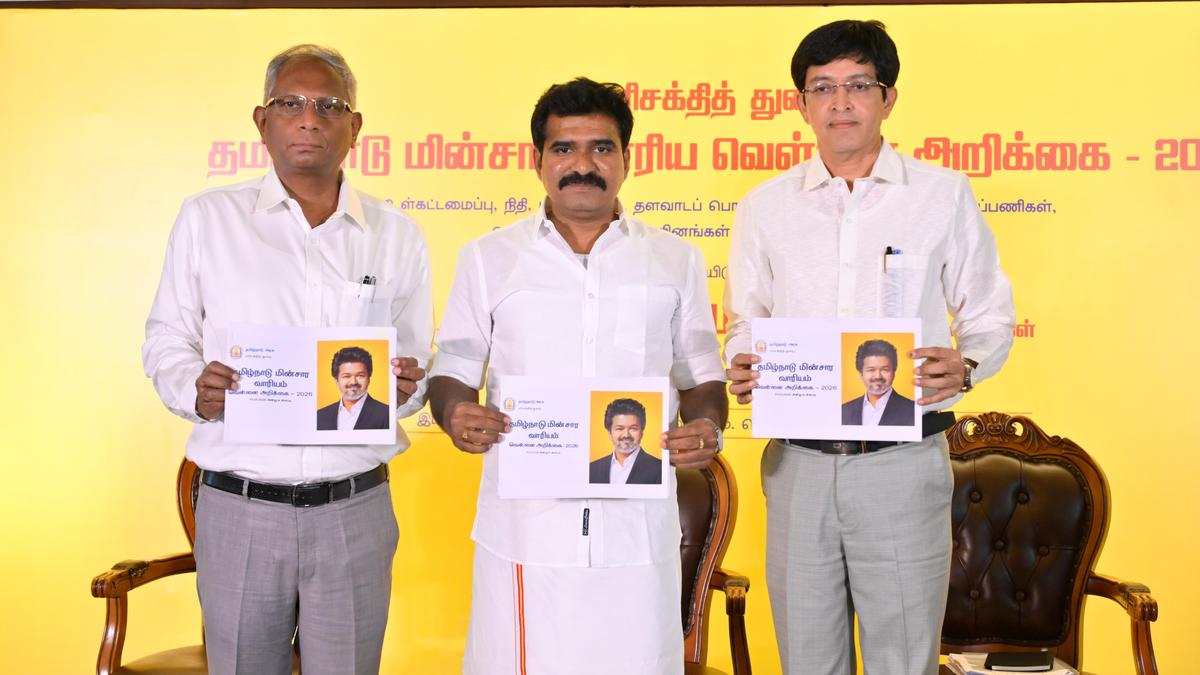
The TVK-led government released the White Paper on the Fiscal Management of Tamil Nadu on June 16, exposing the stark reality of the fiscal condition of the State.Far from being a routine bureaucratic summary, this comprehensive document lays bare an accelerating structural imbalance, stretching from stagnant tax efforts to an unsustainable accumulation of public debt.Accumulation of public debtAt the heart of Tamil Nadu’s immediate fiscal crisis is an unprecedented accumulation of public debt. Per the White Paper, the State’s outstanding liabilities have effectively doubled over the last five years, sharply increasing from ₹5.13 lakh crore in April 2021 to a unprecedented ₹10 lakh crore by March 2026. For the 2026-27 fiscal, the projections indicate that this mountain of debt will increase further to approximately ₹10.71 lakh crore.As a result, interest payments alone now consume about 23 per cent of total revenue receipts and a staggering 35 per cent of the State’s Own Tax Revenue (SoTR). At ₹67,050 crore, the annual interest bill alone exceeds the State’s total annual capital expenditure by approximately one-third.Importantly, the White Paper underscores that while economic peers like Gujarat, Maharashtra and Karnataka actively utilised the post-pandemic recovery window to consolidate their finances and pare down debt-to-GSDP ratios, Tamil Nadu’s ratio remained structurally elevated at 28.3 per cent. This has locked in a long-term interest burden, with the State effectively borrowing just to fund current consumption and debt servicing rather than asset creation.Leaky revenue bucketThe most paradoxical finding in the State’s fiscal paper is the collapse of its revenue mobilisation despite a highly robust underlying economy, including a highly diversified manufacturing and service track.Yet, Total Revenue Receipts (TRR) have steadily tapered as a percentage of GSDP, descending from about 10 per cent in 2021-22 to 8.32 per cent in 2025-26.The decline in the State’s internal tax effort is particularly concerning. The ratio of SoTR to GSDP fell from 5.93 per cent in 2021-22 to 5.45 per cent in 2025-26, marking the lowest domestic tax effort recorded by the State in the past two decades. Had the State simply maintained its transient 2022-23 tax collection ratio of 6.33 per cent, it would have realised an additional ₹51,000 crore in revenue over the subsequent three years.The White Paper openly attributes this revenue shortfall to systemic structural and administrative vulnerabilities. Systemic corruption, unchecked tax leakages and unassessed transactions within the Commercial Taxes Department have severely depressed absolute GST collections, leaving Tamil Nadu significantly behind economic peers like Karnataka and Gujarat.Furthermore, a deep sectoral skew is also noticed. While the services sector drives 53.6 per cent of the State’s economy, it yields only 37.8 per cent of its GST receipts. Additionally, compliance failures, stagnant mining royalties and artificially depressed stamp duty guideline values have similarly choked off internal revenue flows.Squeezed capital formationWith flattened revenue growth, the State budget has developed a structural rigidity. Committed expenditure (the mandatory outlays required to cover government salaries, pensions and interest payments) has ballooned to ₹1.89 lakh crore, absorbing an alarming 64.4 per cent of total revenue receipts. This is far higher than the ratios maintained by neighbouring States. When combined with non-discretionary statutory grants to local bodies and central matching shares, an astonishing 87 per cent of the State’s revenue is entirely pre-committed before a single rupee can be assigned to new welfare policies or infrastructure projects.Consequently, capital expenditure has dropped to just 1.44 per cent of GSDP and the capital expenditure-to-total expenditure ratio has fallen to 11.8 per cent. The White Paper warns that this sustained under-investment in public infrastructure risks damaging the State’s long-term competitiveness.In addition, the collective debt across these State-backed entities has mounted to ₹3.18 lakh crore, forcing outstanding State government guarantees to triple from ₹91,975 crore to ₹1,79,782 crore over a five-year period.With elderly population (declining workforce) rising faster than in any other major State, Tamil Nadu will have to spend significantly more on healthcare, pensions and social support in the future.Therefore, instead of announcing more freebies, the government must focus on structural measures that can reshape the fiscal health of the State.The writer is an Economist and former full-time Member (Official), Commission for Agricultural Costs and Prices, New Delhi. Views are personalPublished on June 23, 2026