This document does not arrive unexpectedly; rather, it serves as confirmation.
Also Read: 146 new legislators, one crash course: Tamil Nadu’s TVK govt prepares rookie MLAs for assembly debut
The debt that wasn’t one number
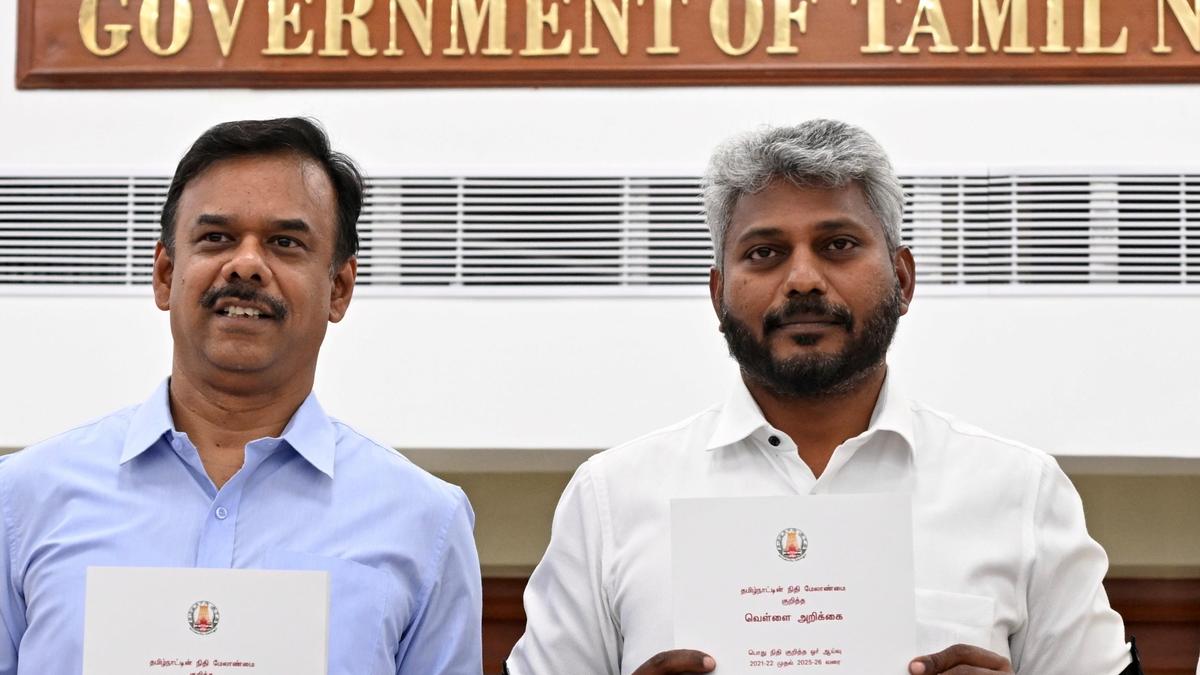
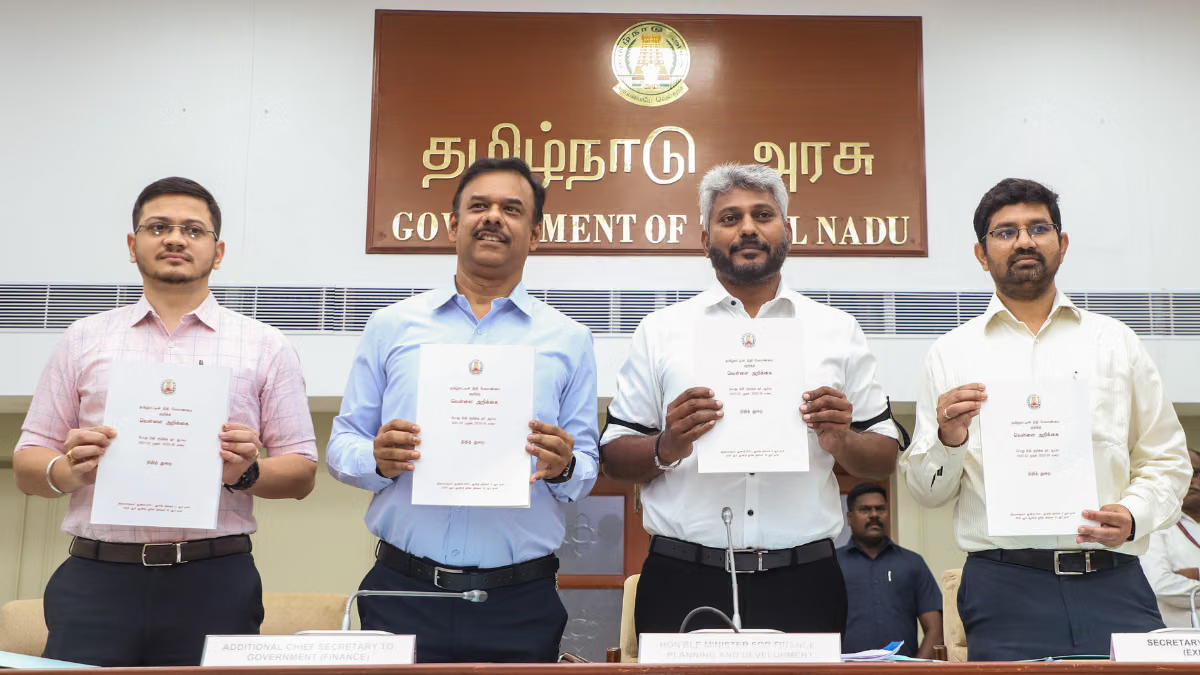
The headline figure of the white paper, indicating Rs 10 lakh crore in outstanding State debt as of 31 March, 2026, has received significant attention. However, this figure should not be the primary focus of analysis. A more insightful starting point is Outstanding Debt and Liabilities as a percentage of GSDP in a comparison of peer states from 2021-22 to 2025-26. This figure reveals that Tamil Nadu’s debt-to-GSDP ratio remains at 28.3 percent, the highest among the four peer states, while Karnataka, Maharashtra, and Gujarat have utilised the post-Covid recovery period to consolidate their positions. In contrast, Tamil Nadu has not made similar progress.Outstanding debt & liabilities as % of GSDP-Peer State Comparison 2021-22 to 2025-26 RE | Courtesy: TN govt white paper
The per-capita aspect presents an even more pronounced picture. A child born in Tamil Nadu in 2025-26 inherits a per-capita liability of Rs 1,28,934, which represents an increase from Rs 77,819 in 2021-22. This rise of Rs 51,115 per resident over five years is the highest among the peer group throughout the period.In addition to the State’s direct borrowings, there exists a larger fiscal exposure that the white paper documents on record but has not been adequately highlighted. When the debt of public sector undertakings (PSUs), including those in power, transport, and civil supplies, is consolidated, the total fiscal exposure escalates to Rs 13.18 lakh crore.These are not merely off-balance-sheet items; they represent obligations that the State will ultimately be required to fulfil.When interest becomes the budget