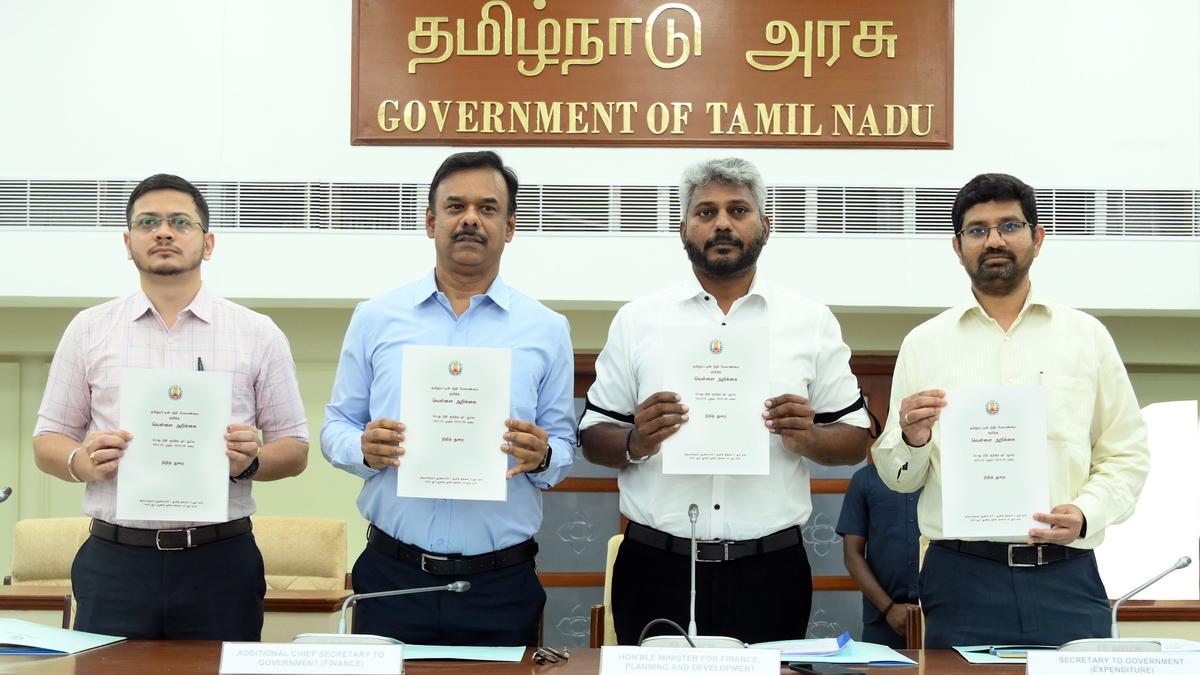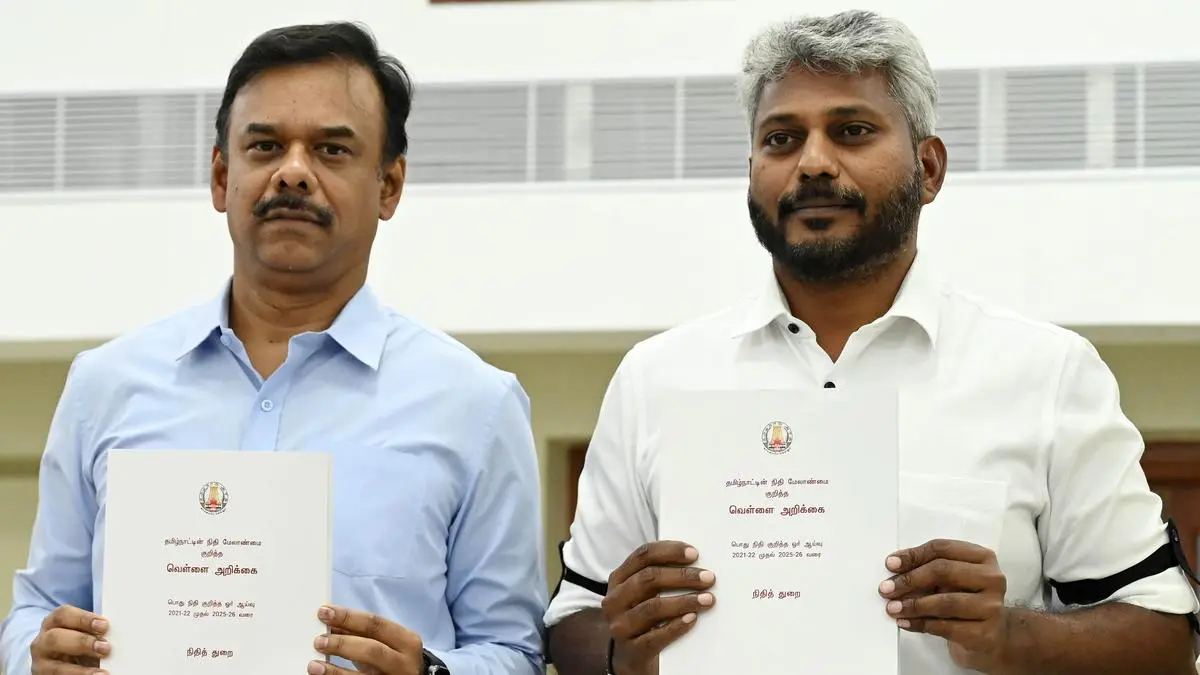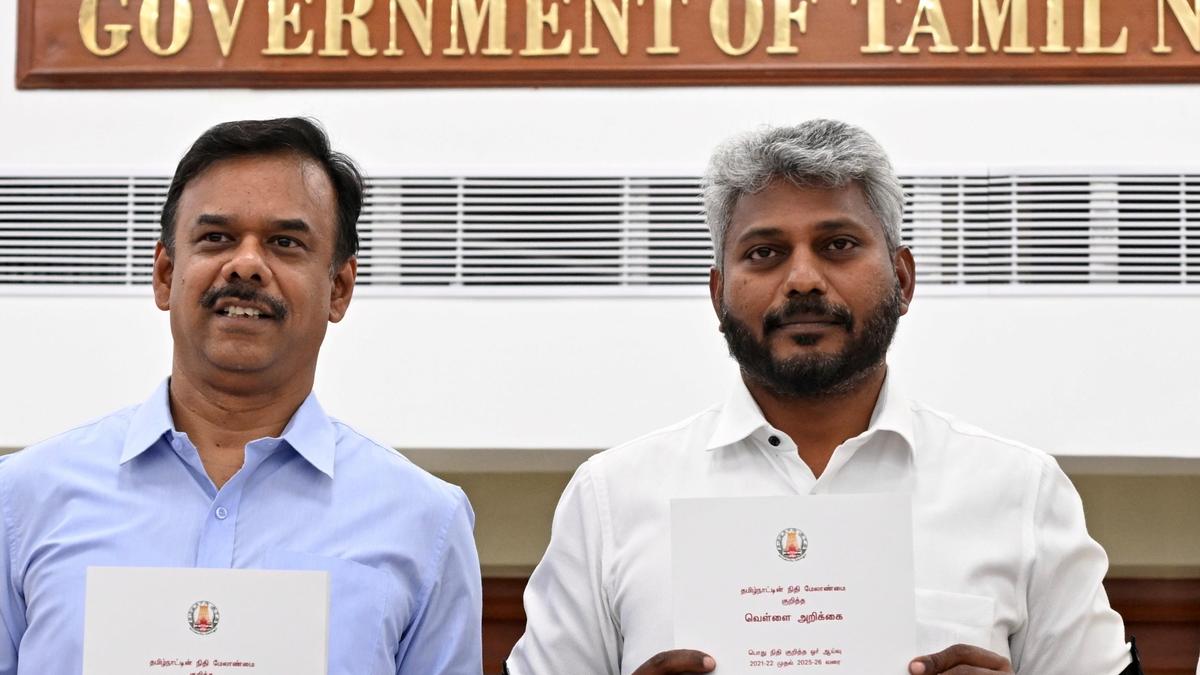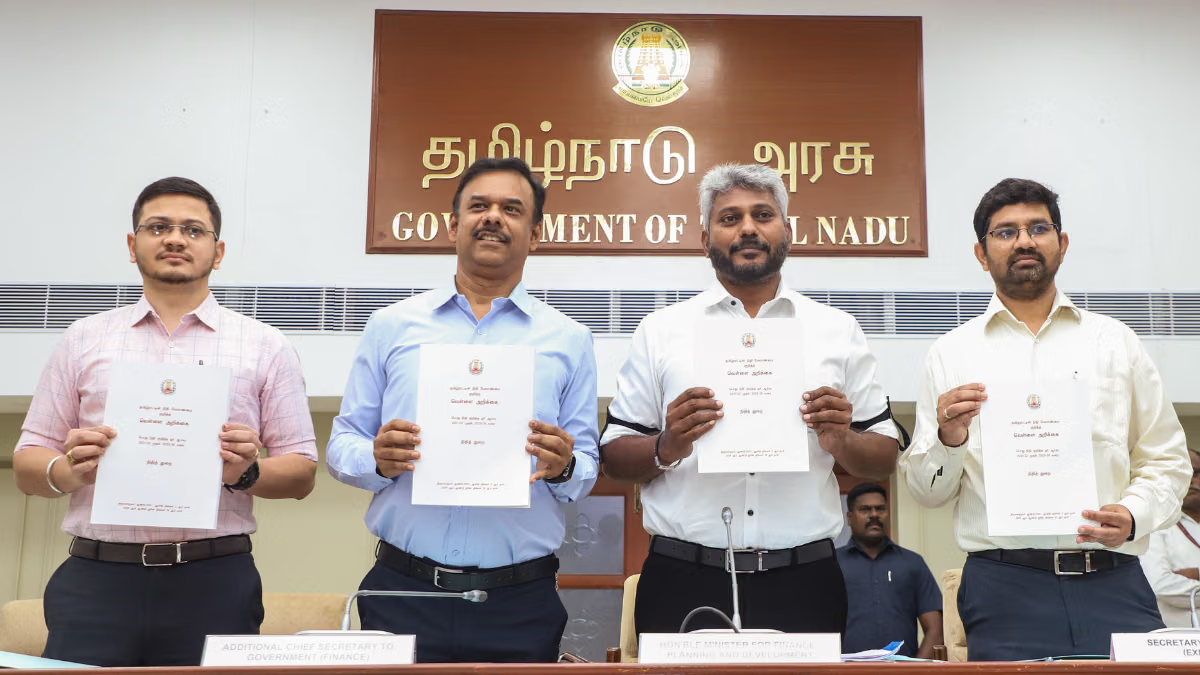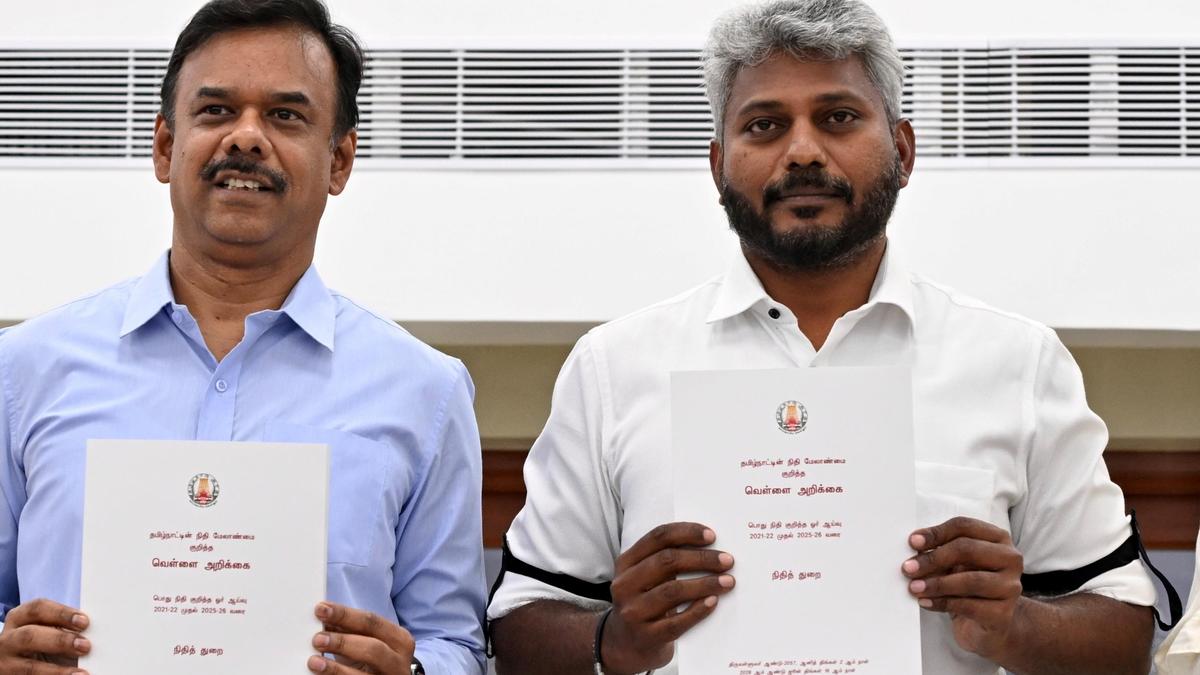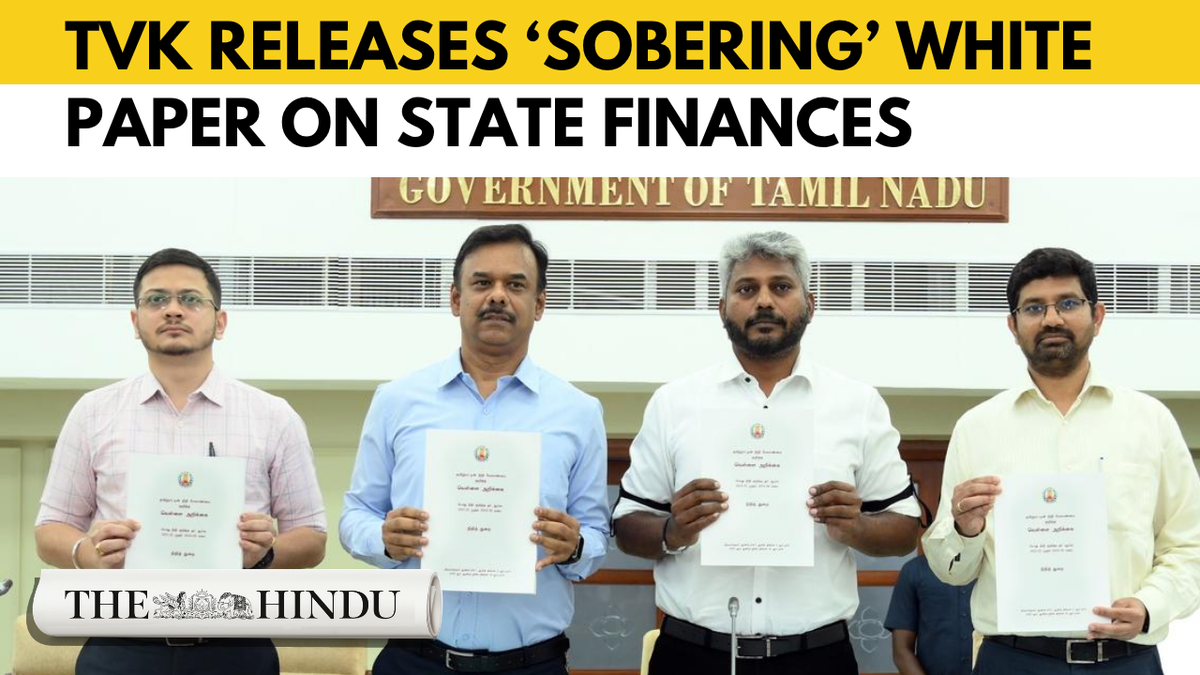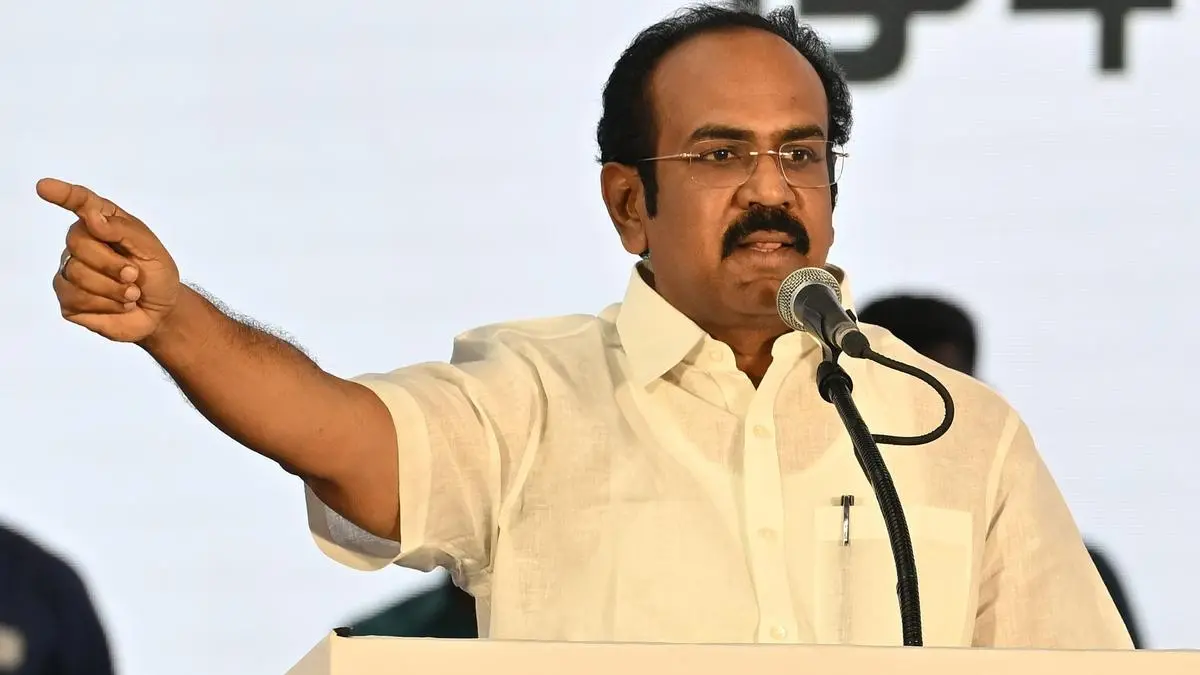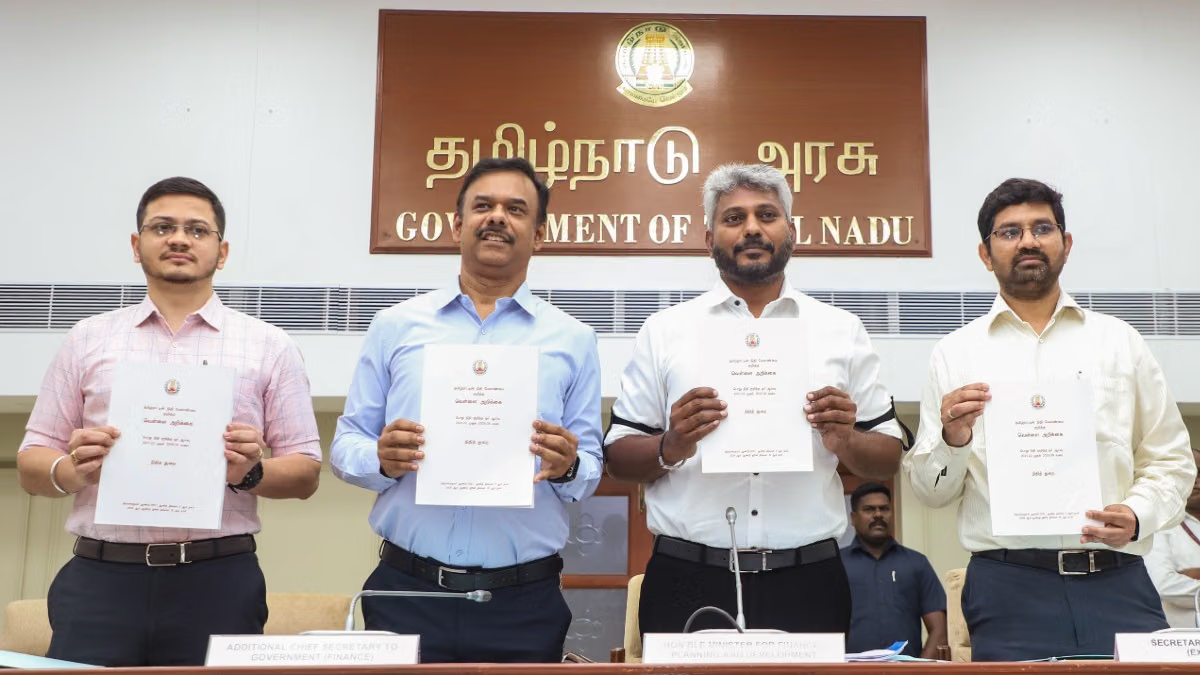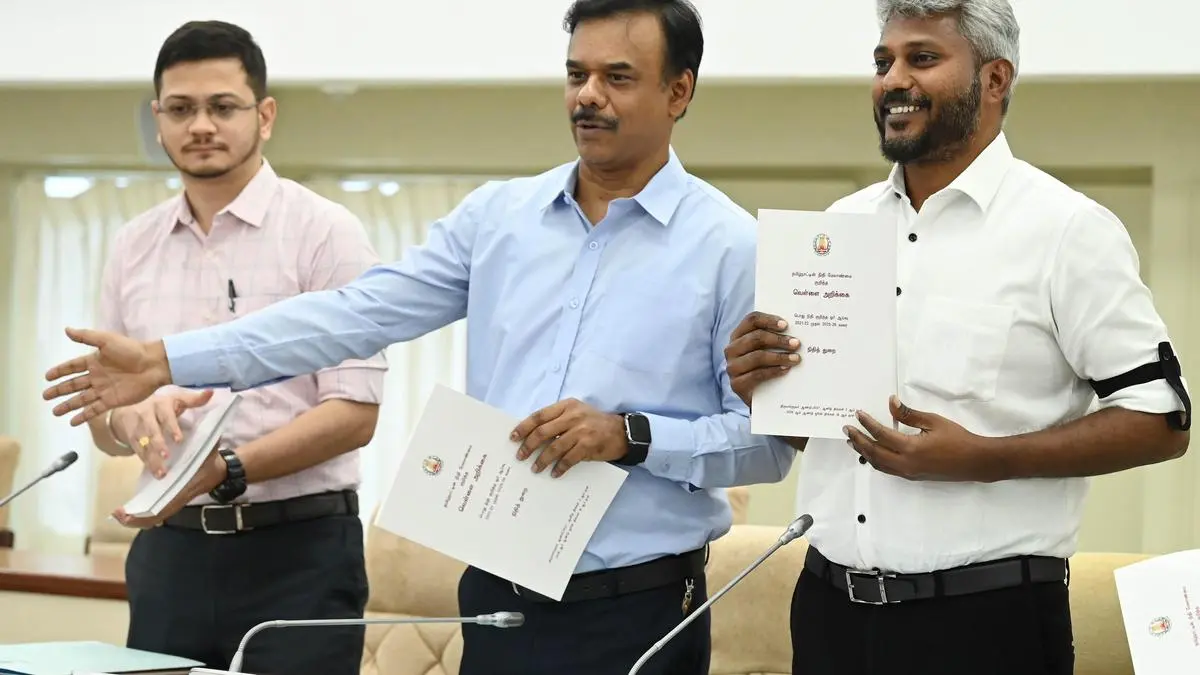
Tamil Nadu’s finance minister N Marie Wilson, on Tuesday released a white paper on the state’s finances -- a pre-poll promise by chief minister C Joseph Vijay that is part of an effort to highlight that the previous DMK government left the state’s finances in a precarious position.White paper flags rising debts, revenue deficit in Tamil NaduTo be sure, Wilson said that there would be no new taxes.According to the document, Tamil Nadu’s outstanding debt almost doubled in five years from ₹5.13 lakh crore in 2021-22 to ₹10 lakh crore approximately in 2025-26; its interest payments rose from ₹41,564 to ₹67,050 crore in the same period; and the state’s revenue deficit in 2025-26 was higher than Karnataka’s and Maharashtra’s, at ₹78,324 crore; and the state’s own tax revenue to GSDP ratio was only 5.45%; and committed expenditure has squeezed out capital expenditure.“Today I lay open the financial books of the state of Tamil Nadu before you .. This is an analytical framework built with complete transparency and entirely based on evidences.” Wilson said.“Every single number featured here has been extracted from verified documents - specifically from state government’s budget documents, the Reserve Bank of India and the Comptroller and Auditor General. No political party can refute the data presented here as these are all officially audited records belonging to the State government,” he said.That said, the numbers do not suggest the situation has worsened. For instance, between 2021-22 and 2025-26, revenue defeicit as a proportion of GSDP has stayed almost flat (2.25% and 2.22%), as had outstanding liabilities as a proportion of GSDP (28.7% and 28.3%). The state’s growth has clearly helped offset the increase in spending and debt; Tamil Nadu’s GSDP grew 10.83% in 2025-26, on the back of a 11.19% growth in 2024-25. In terms of size of economy, Tamil Nadu is India’s second largest after Maharashtra, with a nominal GSDP of 35.29 lakh crore.On the outlook, Wilson said the path to emerge from this severe crisis which is most powerful and simplest tool is ‘administrative efficiency.“There is absolutely no need to raise even a single tax. By upgrading our administrative system, enhancing the performance efficiency of our employees, plugging revenue leakages and eradicating corruption, we can naturally increase the government’s revenue,” he said.“A clean and honest administration inherently transforms into a complete fiscal asset,” he stressed.Elaborating about the plan, he said it rests on plugging revenue leakages in departments like commercial taxes, stamp duty and mining, reducing procurement costs through competitive tendering, and structurally reforming public sector undertakings.He said the shift would also be on focusing from expenditure from consumption towards capital investment because infrastructure investments possess the power to attract private investments.“All of these actions fall directly under the sovereign authority of the state government. None of these involve imposing an additional tax burder to the citizens. It is solely through these administrative reforms that we can create the necessary fiscal space to fund new welfare schemes for the people,” he said.Meanwhile, responding to the White Paper release, the DMK termed it an ‘empty paper’ and not a ‘white paper’.
White paper flags rising debts, revenue deficit in Tamil Nadu
Tamil Nadu's finance minister released a white paper, citing poor finances left by the DMK, but assured no new taxes while proposing administrative reforms. | India News
514 words~2 min read