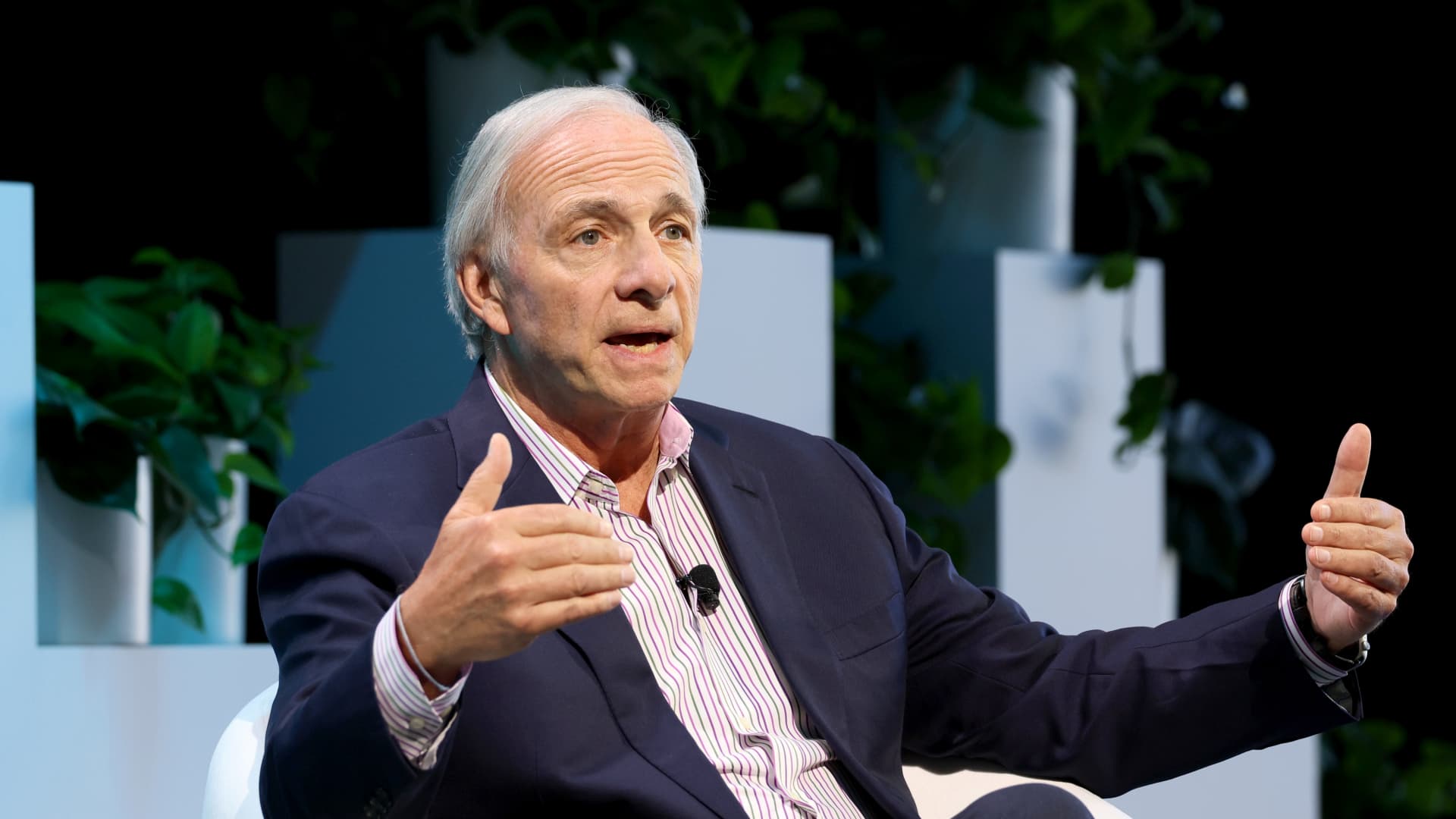
Mario Stanic, founder of Crypto Research Australia. It’s globally recognised and it’s institutionally accepted. While newer, cryptocurrencies offer scarcity in a digital form. They are transparent, rules-based and, with bitcoin, there is a total fixed supply of about 21 million coins that can ever be mined.“Gold is best viewed as a conservative, proven store of value and risk hedge. Bitcoin is a high-risk, high-reward digital asset with growth and disruption potential,” says Craig Semmens, CEO of wealth management firm, PhillipCapital.“Gold tends to act as a hedge against geopolitical risk and US fiscal and monetary policy risks, while bitcoin tends to be more speculative and correlated with the Nasdaq.”Appreciating different scarce assets’ attributes is vital when including them in portfolios. With gold, scarcity relies on its geological, physical and economic attributes.“Gold requires exploration, mining, processing and refining,” says Stanic.“Then it needs to be transported and stored in a vault. Unlike bitcoin, it is possible to mine more gold, albeit in a slow and costly way, which supports its value.”Digital scarcity works differently because it does not rely on geology or location. The scarcity is based on software, cryptography and network consensus.“With gold, the key consideration is how much exists, where it’s located and stored and who verifies it’s real. With bitcoin, it is credible network rules, security, market liquidity and intact, measurable supply rules,” says Stanic.Investors may also take into account attributes such as portability, custody and verification when deciding how to allocate funds.“Gold is highly trusted, but it’s physically heavy, expensive to transport in large quantities and requires secure vault storage. So it has practical limitations as a store of value. If you go through the airport and you have a kilo of gold, there are likely to be some questions,” says Stanic. “Whereas, you could have a million dollars in bitcoin on your phone and no one would even know.”Digital custody of crypto assets comes with its own risks and security protocols to consider, like private keys, wallets, exchanges, cybersecurity and operational controls. Liquidity is another factor.“If you own gold through an exchange-traded fund or another form of custody and you need to access these funds, it could take days for the money to be deposited into your bank account. Liquidating gold bars is even more complex,” Stanic says.“Whereas, bitcoin is much more portable and can be transferred globally, without moving any physical assets.”Macroeconomic conditions typically influence the way investors position scarce assets.“Scarce assets generally attract more attention when investors are really worried about currency debasement and financial instability,” says Stanic.“Declining confidence in traditional monetary systems can play into it.”In periods of loose monetary policy and rising inflation, demand for assets like gold and bitcoin typically increases.“Conversely, higher interest rates and tighter liquidity raise the opportunity cost of holding non-yielding assets, often reducing their appeal,” says Semmens.“As a result, gold continues to be viewed as a defensive hedge in uncertain environments, while bitcoin’s role remains more cyclical, benefiting investors most during periods of abundant liquidity and risk appetite.”There has been speculation that bitcoin could emerge as a form of digital gold. More broadly, however, investors are reassessing the role that both cryptocurrencies and traditional scarce assets can play within portfolios.“Gold is not only seen as a commodity, it’s increasingly treated as a strategic reserve asset. Bitcoin has moved from the edges of financial markets to becoming a more regulated, institutional, traditional asset,” Stanic says.Updated laws reflect this. This year Australia introduced a new regulatory framework for digital asset platforms and exchanges, bringing many operators under financial services licensing requirements.“Crypto has become a compelling investment,” says Stanic.“The world’s top investment houses have created financial products to make it easier for institutions and advisers to invest. It’s a much more mature conversation.”To find out more, please visit Crypto Research Australia.
Rethinking scarcity in modern portfolios
Digital currencies tend to attract attention when there is inflation, high government debt or geopolitical uncertainty.
TL;DRAI
Bitcoin offers digital scarcity (21M fixed) versus gold's geological scarcity, with portability and liquidity gains. Bitcoin's rise as regulated institutional asset remakes gold-crypto portfolio decisions, influenced by monetary policy and fiat confidence.
629 words~3 min read