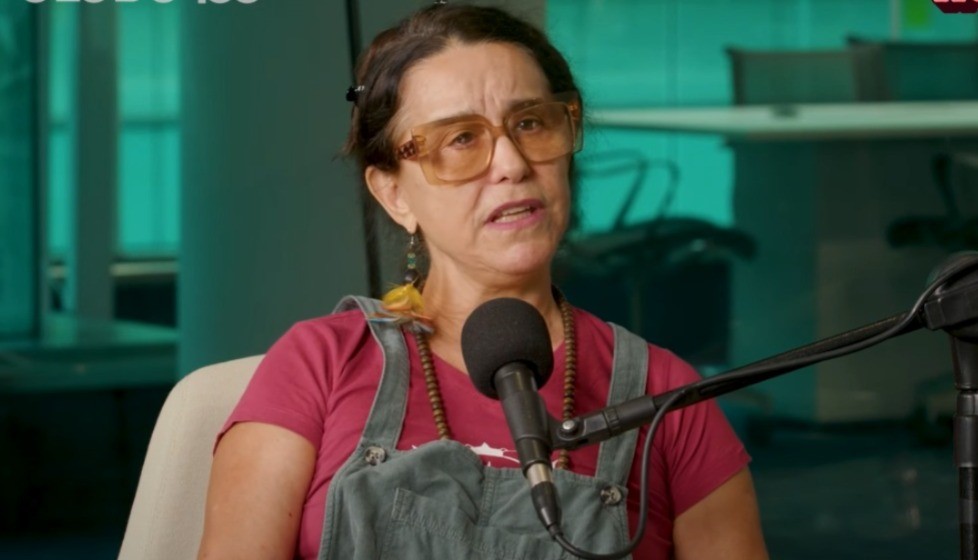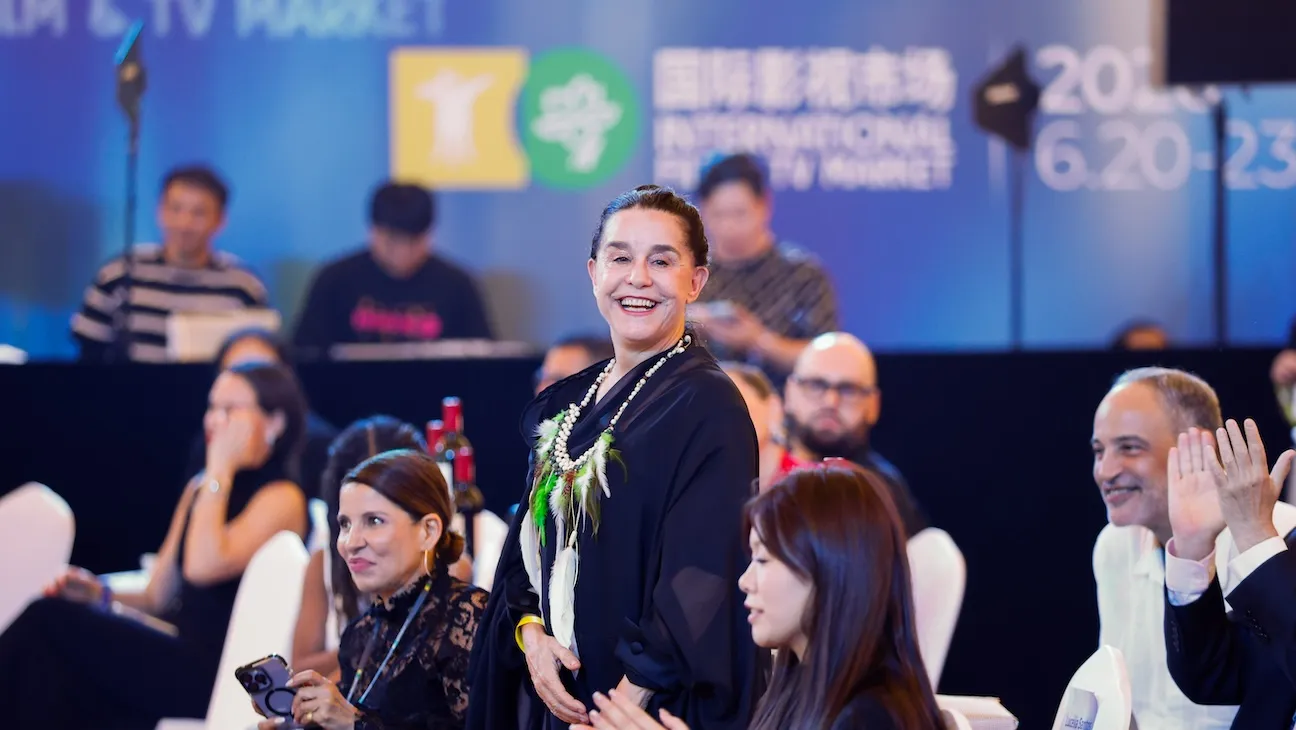
Lucélia Santos shakes her head and laughs as though, even today, she’s still trying to comprehend the sheer numbers. But when the Brazilian actress landed in Beijing back in 1985, it was because more than 300 million people had voted for her in the annual China TV Golden Eagle Awards.
What’s more, the series Santos had starred in — Escrava Isaura (Isaura: Slave Girl) — had become a cultural sensation in the country at a time when watching TV was still very much a communal experience, with more than 450 million viewers tuning in each week.
“I was, to be honest, shocked by such a response,” Santos says. “It’s something that I knew I would cherish for the rest of my life but in terms of all the emotion, I just couldn’t really digest it at the time. It wasn’t until I was making a transit out of Hong Kong that I could stop and think about it, and let my emotions settle down.”
Santos has been back in China this past week as part of a healthy Brazilian contingent attending both the Shanghai International Film Festival and the Shanghai International Film & TV Market. There have been screenings of Brazilian classics — Oscar-nominated Central Station (1998) and Hour of the Star (1985) among them — in a Focus Brazil section, a celebration of the two nations designating 2026 the “China-Brazil Year of Culture,” commemorating over 75 years of diplomatic relations.